
Level 1 sweep and inspection to the NFPA 211 annual standard - flue, crown, cap, and flashing checked and photographed
Chimney sweep logs do not sweep chimneys. They loosen some creosote - which then falls where a brush and vacuum still have to collect it.
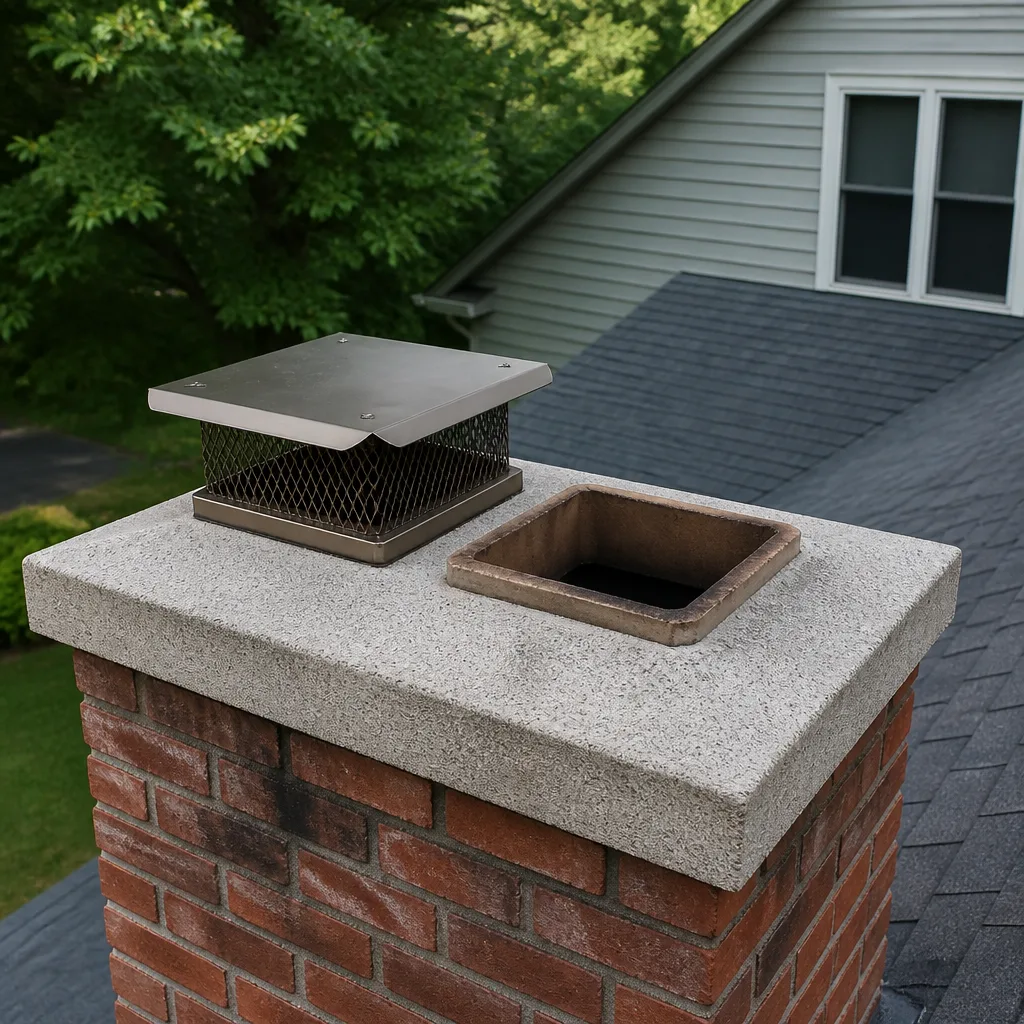
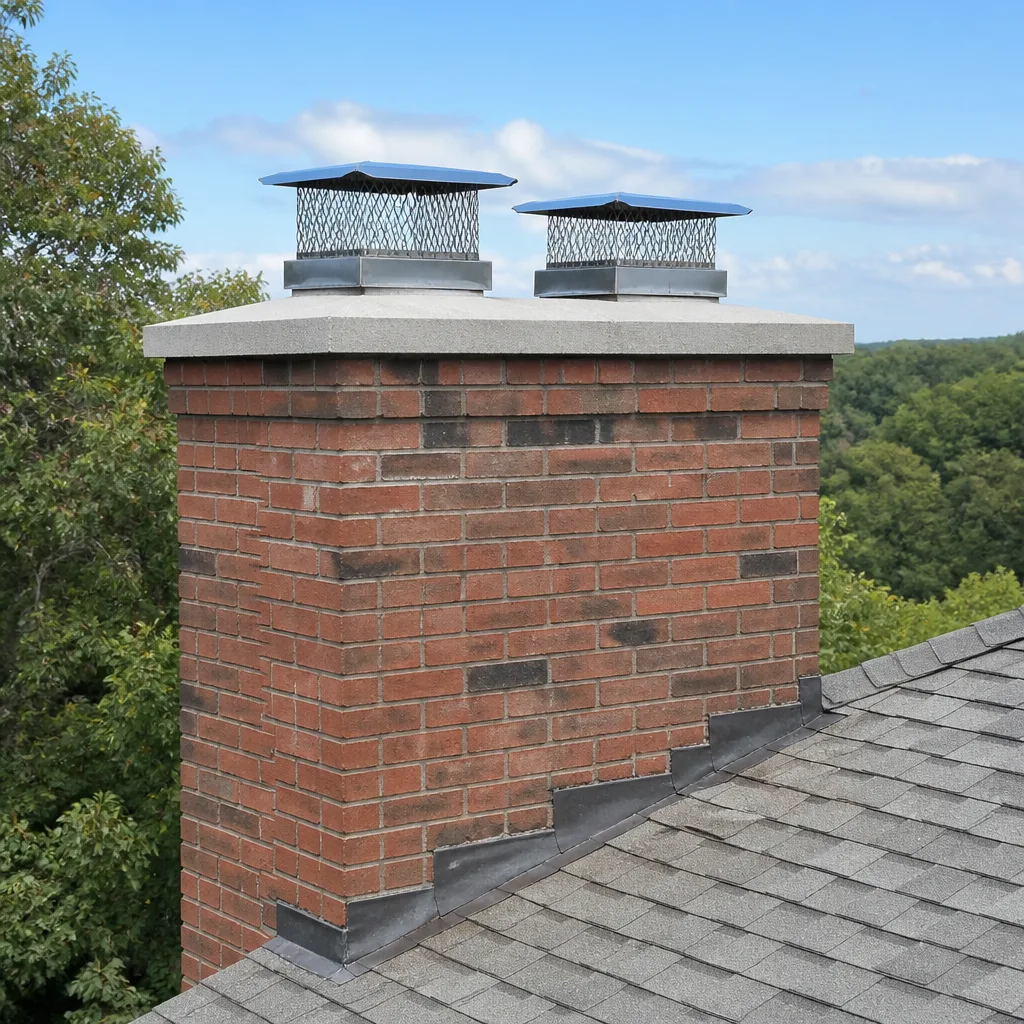
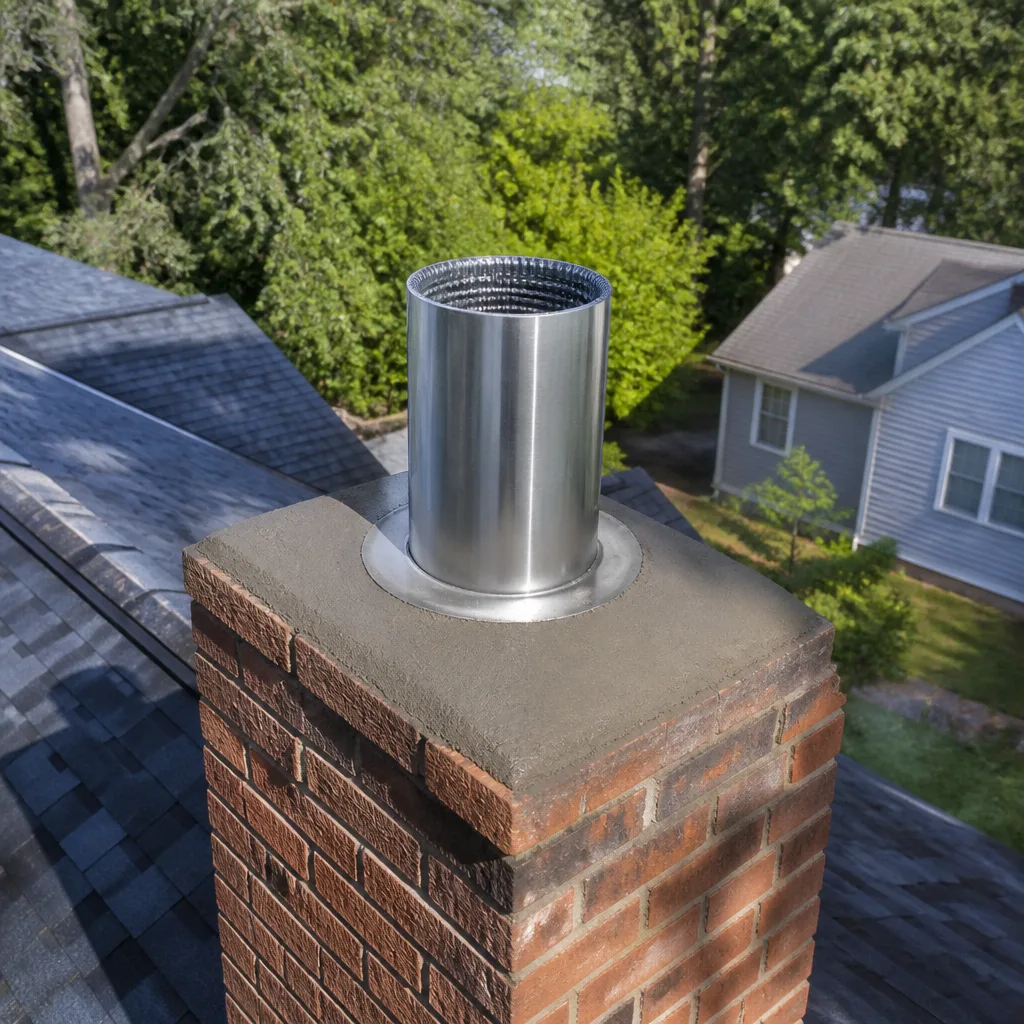
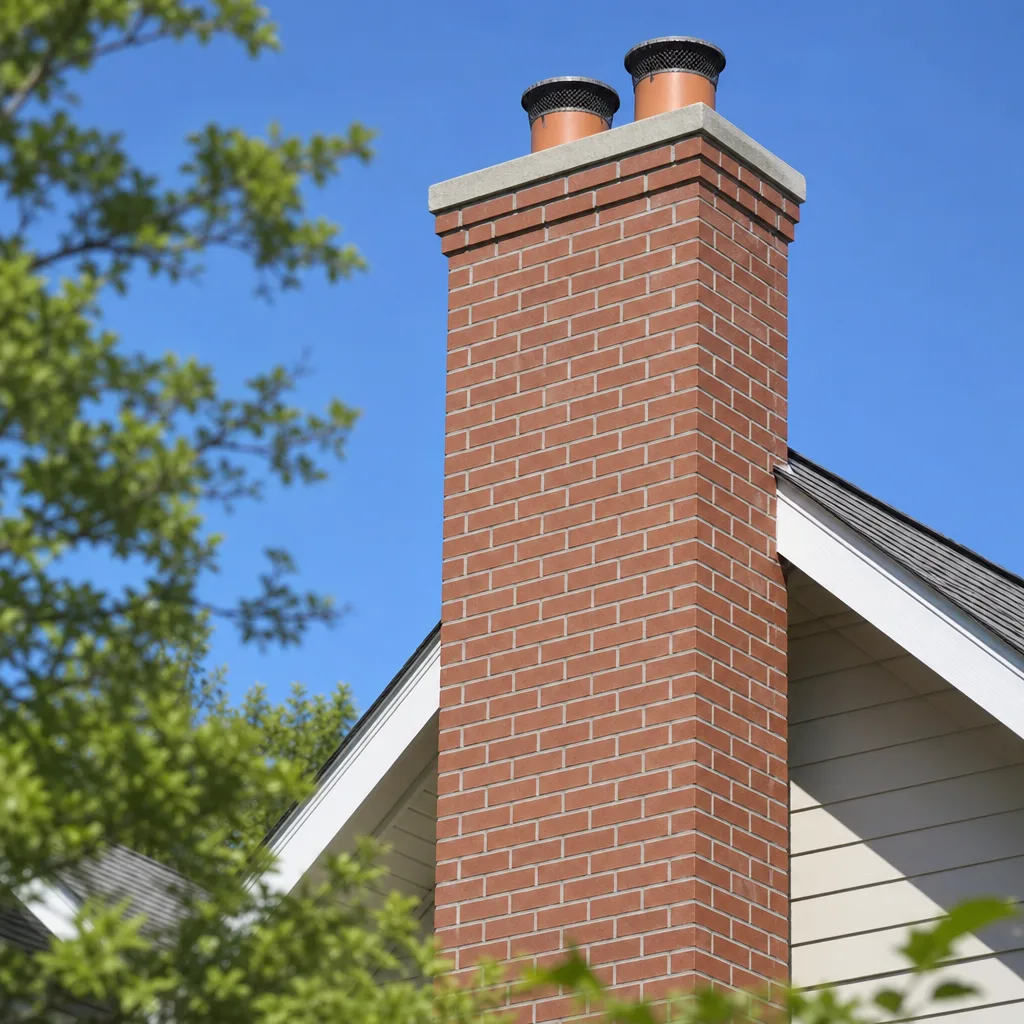
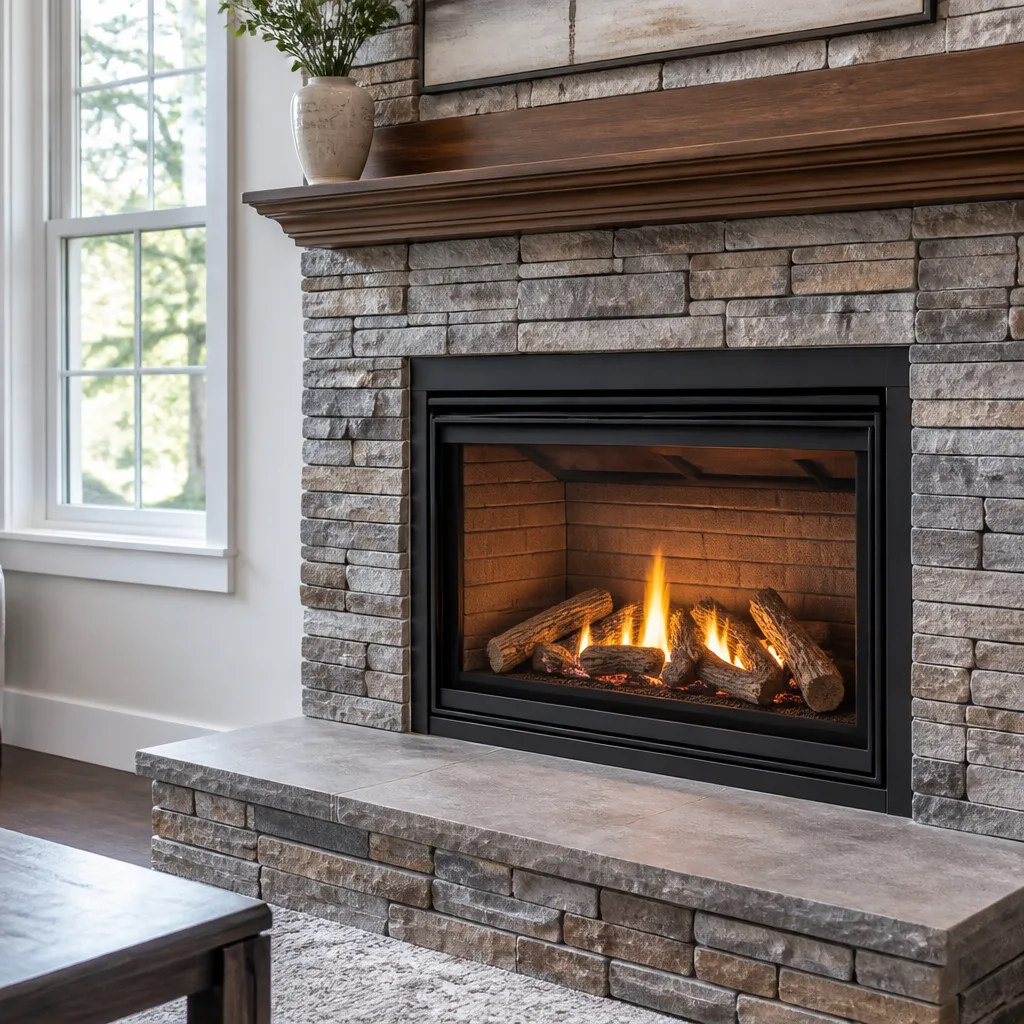
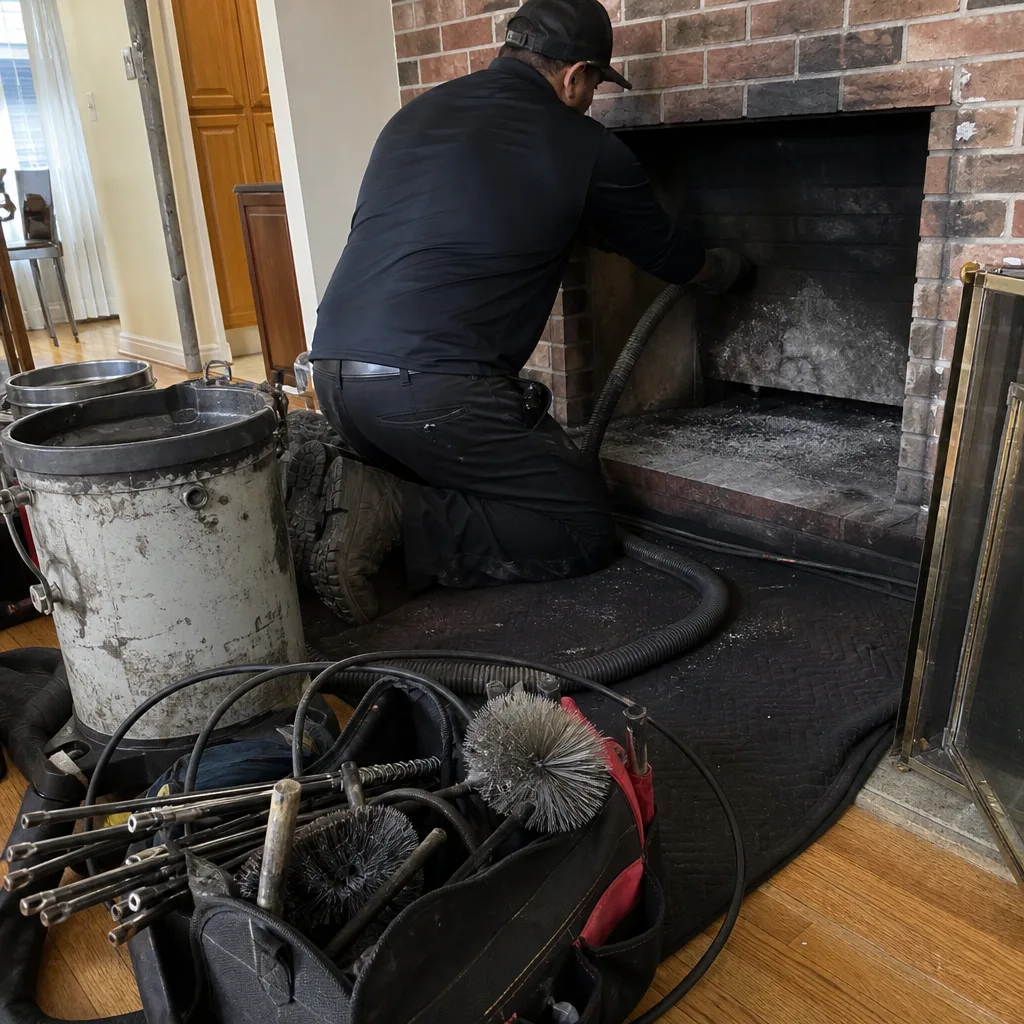 Before
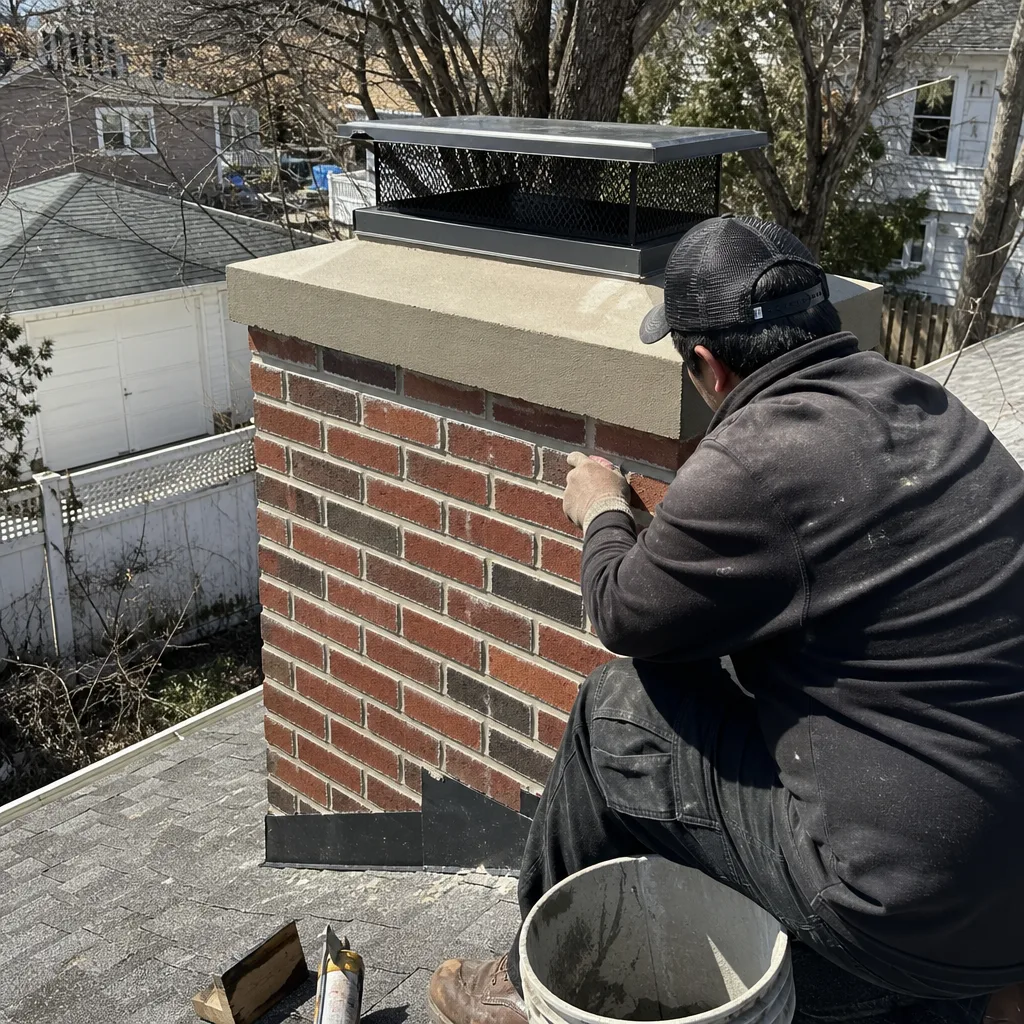 After
After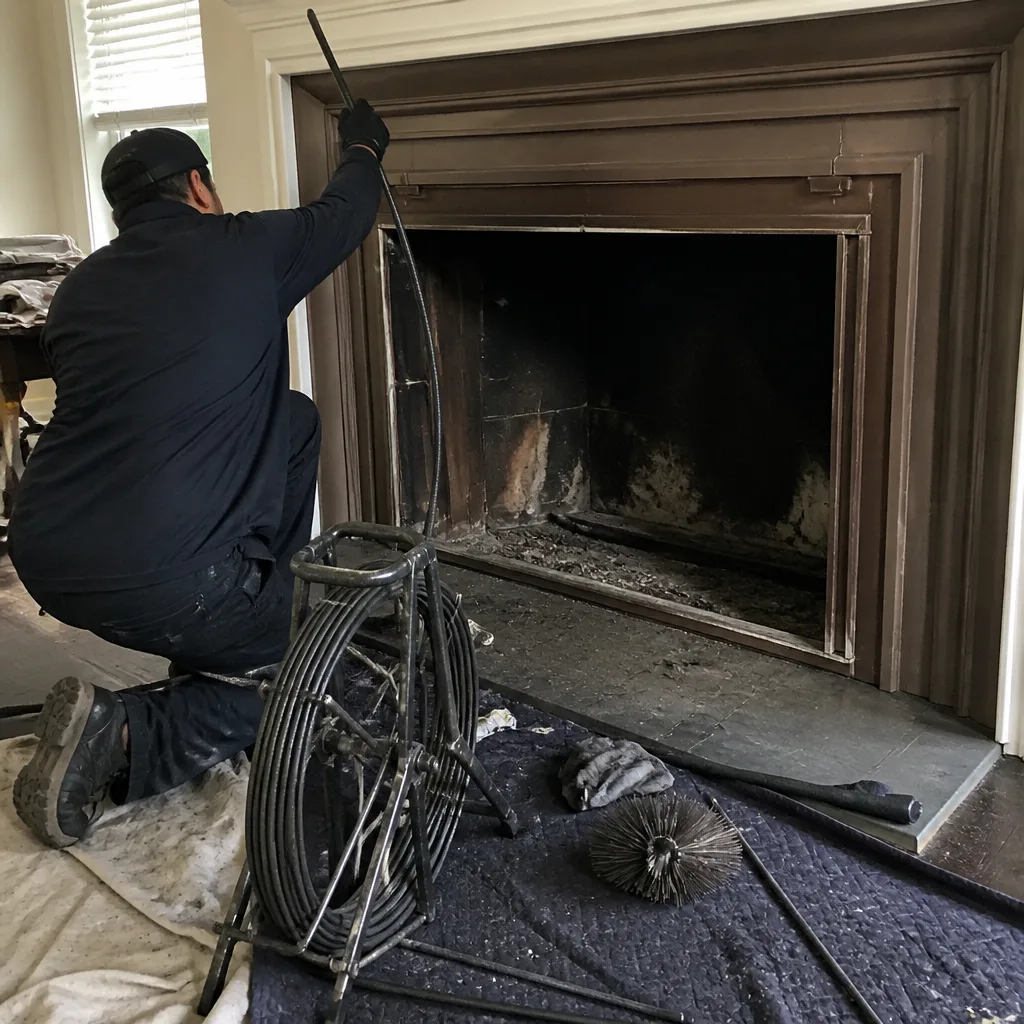 Before
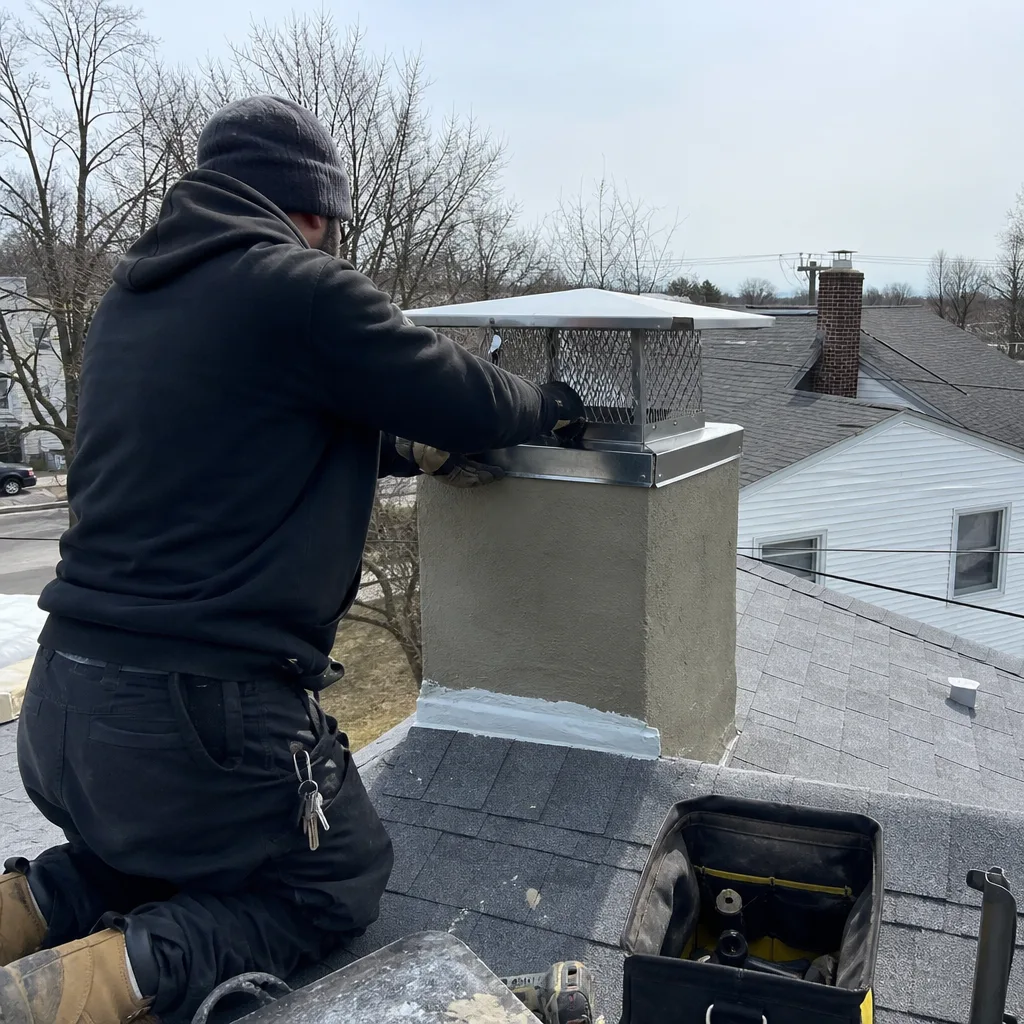 After
After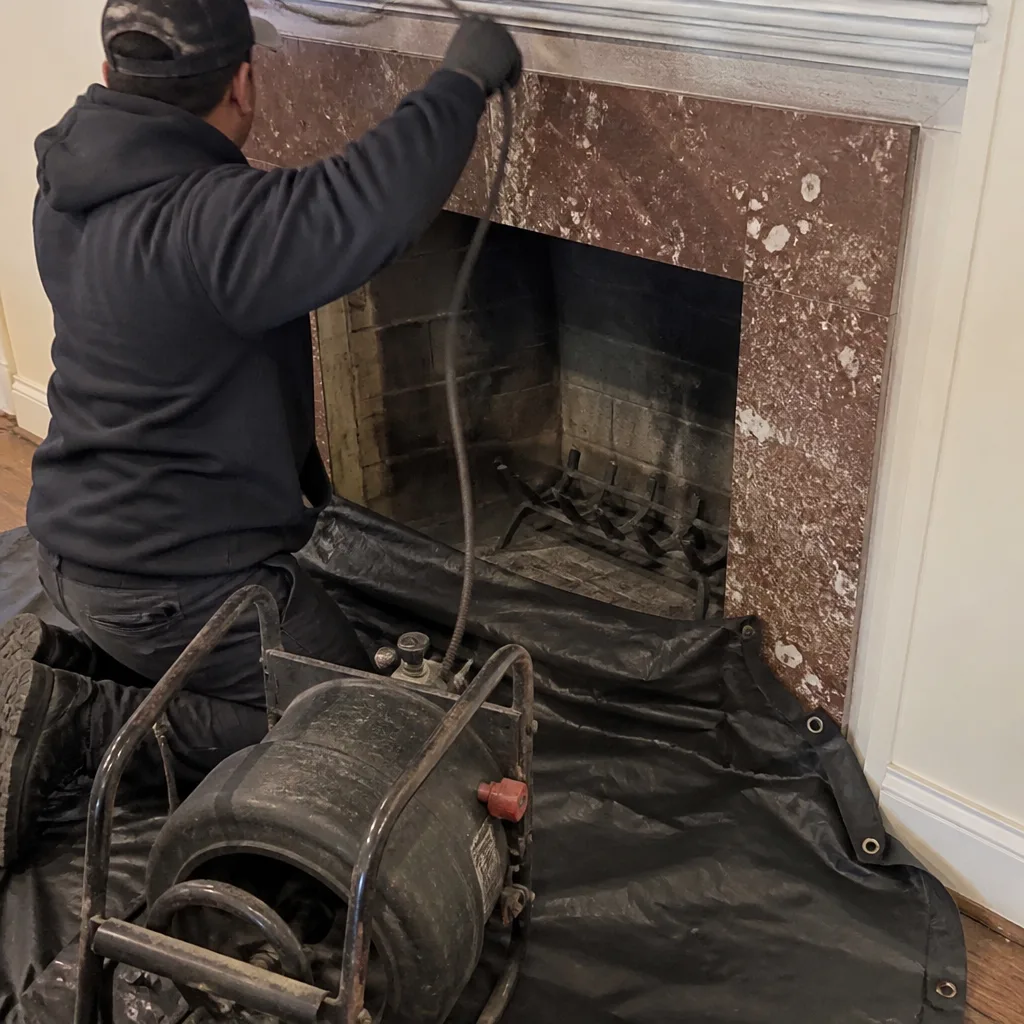 Before
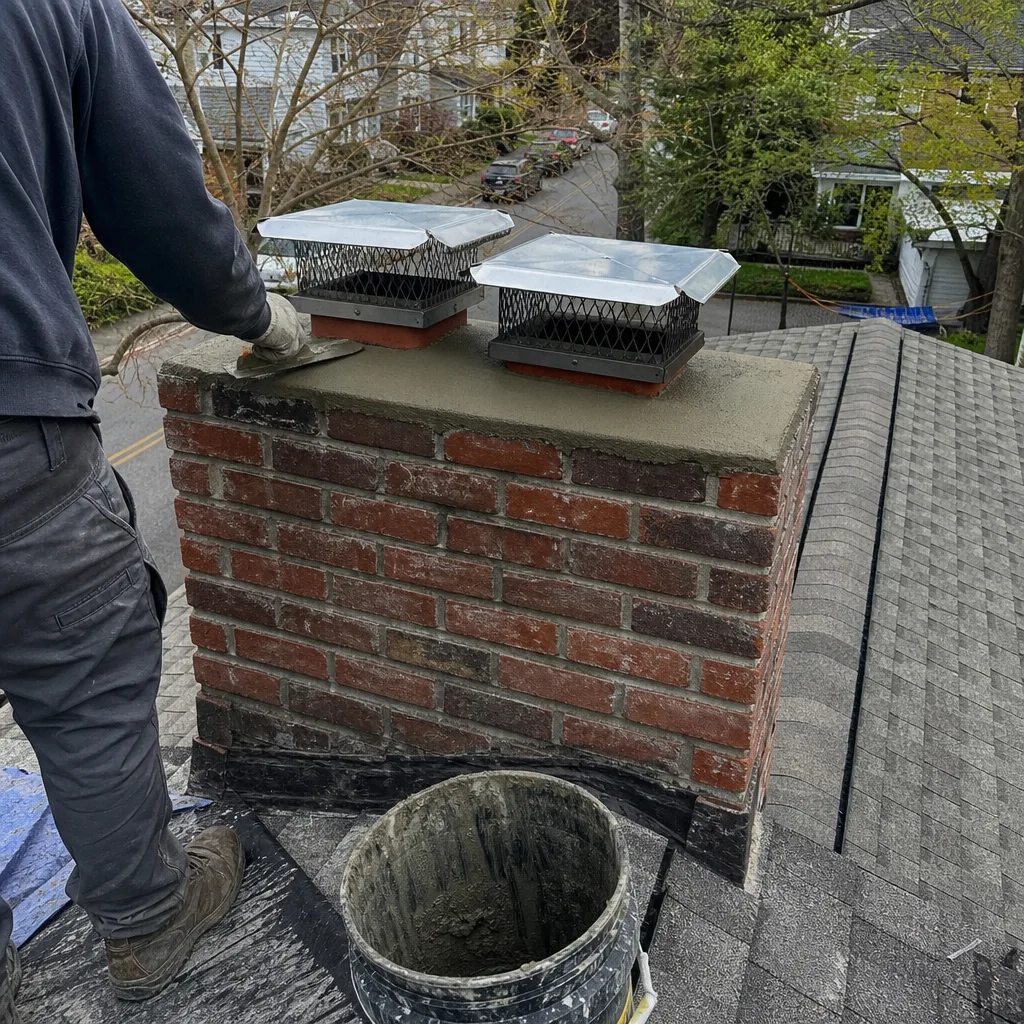 After
AfterWhy Flushing Homeowners Choose HeatShield Chimney Cleaning
We provide Heatshield repair in Flushing as an independent chimney cleaning and repair service throughout Flushing, NY, with a written price before any work starts and a camera-scan photo record on every visit. HeatShield’s Cerfractory foam and mortar systems behave differently on Flushing’s 80-to-100-year-old attached brick rowhouse chimneys than they do on newer suburban builds, and our techs have spent years learning exactly how those seals degrade in this climate. That local experience means we prep flues the way HeatShield chemistry actually requires, not the way a generic sweep manual suggests. We’re an independent HeatShield service provider, not an authorized dealer or manufacturer affiliate, and we’ll tell you plainly when HeatShield is the right repair and when a new liner makes more sense. Call (516) 240-9191 to schedule.
Why Trust Level Two Chimney Flushing for Your HeatShield Chimney Cleaning?
Most sweeps can spray a foam product. Few can tell you why the last HeatShield application failed before they touch it. Our techs work with HeatShield’s Cerfractory flue sealant and the older mortar-based Joint Repair System weekly in Flushing homes, and we know the failure modes by sight: shrinkage cracks from thermal cycling on north-facing stacks, delamination over corroded prefab liners, foam that never bonded because the flue still had a creosote glaze underneath. Corrine Halstead trained at LaGuardia Community College and has spent close to two decades reading draft problems and liner cracks across Queens, including older attached homes near the Flushing Town Hall district. She insists every tech show the camera footage before quoting anything. The camera doesn’t negotiate, it just shows you what’s there. That’s the standard we apply to every HeatShield job: inspect, document, price in writing, then work. We use genuine HeatShield materials when re-applying their system because Cerfractory chemistry is not interchangeable with generic refractory products. For everything adjacent, caps, crowns, flashing, we’ll match the flue size with quality aftermarket stainless or copper and tell you the difference in plain terms.
Common HeatShield Chimney Cleaning Problems We Fix in Flushing
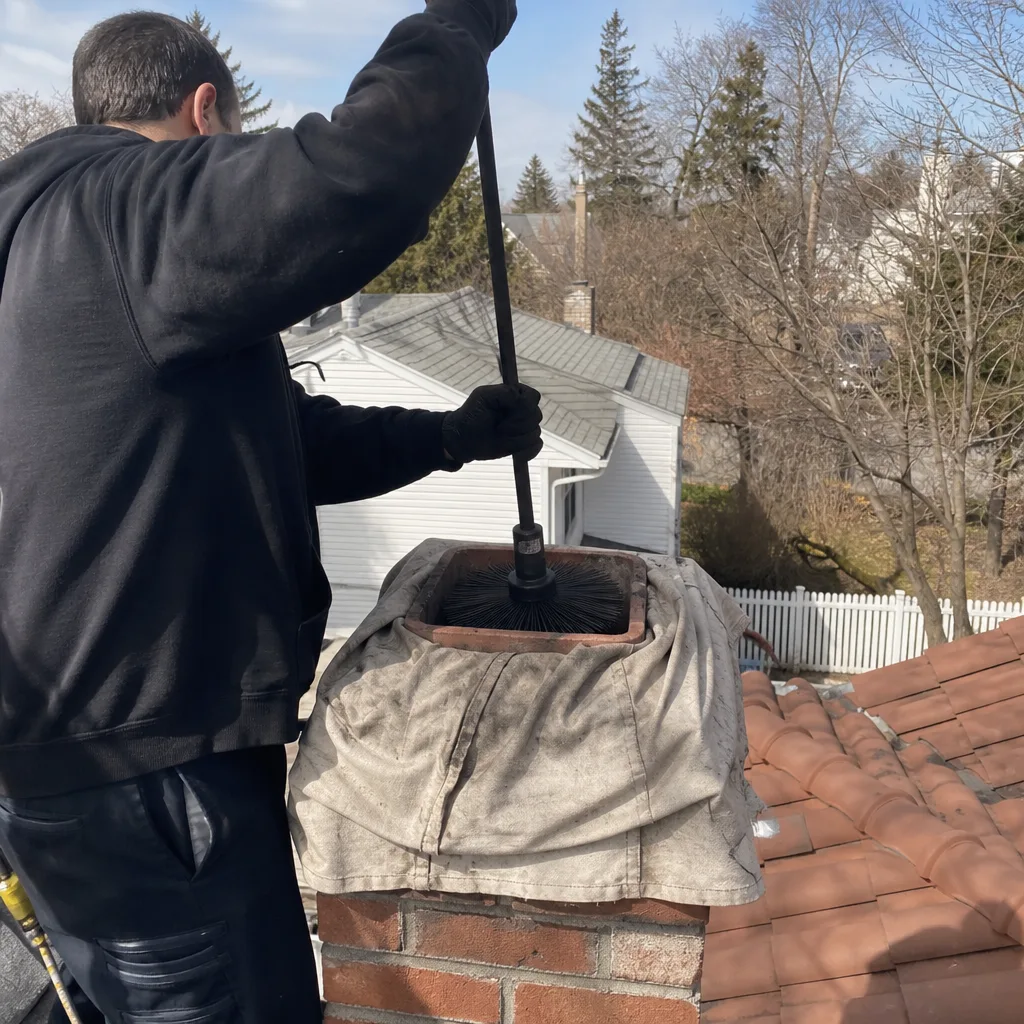
These are the HeatShield-specific issues we encounter most often in Flushing’s housing stock, which is dominated by attached and semi-detached brick rowhouses built between 1920 and 1950. Shared stacks with two to four clay tile flues are the norm, and decades of fuel conversions from coal to oil to gas have left many of those flues abandoned, unlined, or improperly capped. Here’s what we find when a HeatShield repair has gone wrong or a flue needs prep before one:
- Cerfractory foam shrinkage cracks after freeze-thaw cycling. Flushing sits adjacent to Flushing Bay and the tidal Flushing Creek, so north- and east-facing chimney stacks get more ambient humidity and mild salt air than interior Queens neighborhoods. The Cerfractory foam expands and contracts with temperature swings, and on exterior chimneys exposed to repeated winter freeze-thaw, hairline shrinkage cracks can open within a few seasons. We can identify whether the cracks are cosmetic surface checking or go deeper into the seal, which determines whether a re-application is needed or a mechanical repair comes first.
- Foam failing to adhere to creosote-glazed flue walls. HeatShield’s Cerfractory requires a properly prepped surface. If the flue was not cleaned down to bare clay with the HeatShield primer and cleaner system, the foam sits on a slick glazed surface and peels away within months. We pull a camera through first and check for that telltale sheen before quoting any repair. In Flushing rowhouses where a fireplace went years between sweeps, Class III creosote glaze is common, and it has to come off mechanically before any HeatShield product goes on.
- Insufficient mortar fill in HeatShield Joint Repair System applications. The older mortar-based HeatShield system is meant to fill eroded or missing mortar joints between clay tiles. We regularly find applications where the original contractor laid it too thin, sometimes a sixteenth of an inch or less, and the joints reopened after a season or two. On 1920s rowhouse chimneys near Flushing Meadows, the original lime mortar in these joints has often been deteriorating for 80 years, and the prep work matters as much as the product.
- HeatShield coating delaminating from corroded metal liners in prefab chimneys. Prefab or factory-built chimneys with stainless steel liners that have begun corroding from condensation and acidic flue gases are a poor substrate for HeatShield. The coating needs a stable, clean surface to bond to. When we see delamination, the root cause is usually the corroding liner itself, and the honest answer is that HeatShield is not the right fix. We’ll show you the camera footage and explain why a liner replacement or different repair path makes more sense.
- Abandoned flues in shared stacks undermining an otherwise good HeatShield repair. This is the distinctly Flushing problem. An owner converts from oil to gas in the 1990s, the oil flue in the shared stack gets capped with sheet metal or left open at the top, and when the active gas flue draws, the abandoned flue acts as a makeup-air channel that can pull flue gases back into an adjacent unit. We’ve seen HeatShield repairs on the active flue fail because the real issue was the open neighboring flue, not the seal itself. Our camera inspection covers the whole stack, not just the flue being serviced.
BeforeAfterHeatShield Parts & Our Repair-vs-Replace Approach
We stock genuine HeatShield Cerfractory materials and the Joint Repair System mortar for Flushing service calls, because the foam and mortar chemistry is specific. Generic refractory caulk or high-temperature sealant will not perform the same way, and using it under a HeatShield warranty claim is a good way to void coverage. For caps, crowns, and flashing adjacent to a HeatShield repair, we install quality aftermarket stainless or copper components matched to the exact flue dimensions, not universal-fit parts. The repair-versus-replace conversation has to be honest. If a clay liner has multiple cracked tiles, significant spalling, or a structural offset, HeatShield is not going to fix what’s broken. We’ll tell you that before quoting anything. If the liner is sound with isolated joint erosion or minor surface cracking, HeatShield is often the right call and we’ll document why in the written scope. Call (516) 240-9191 and we’ll put that in writing before any work begins.
Our HeatShield Service Process - Step by Step
- 1
Camera diagnosis. We run a Level 2 camera scan down the entire flue, including the smoke chamber and any connected flues in the shared stack. This is Clause 4 of the Haven Standard, which requires a documented photo record on every job, and we’ve done it on every visit since 2009. The footage tells us whether HeatShield will bond, where the failing joints are, and what prep is required.
- 2
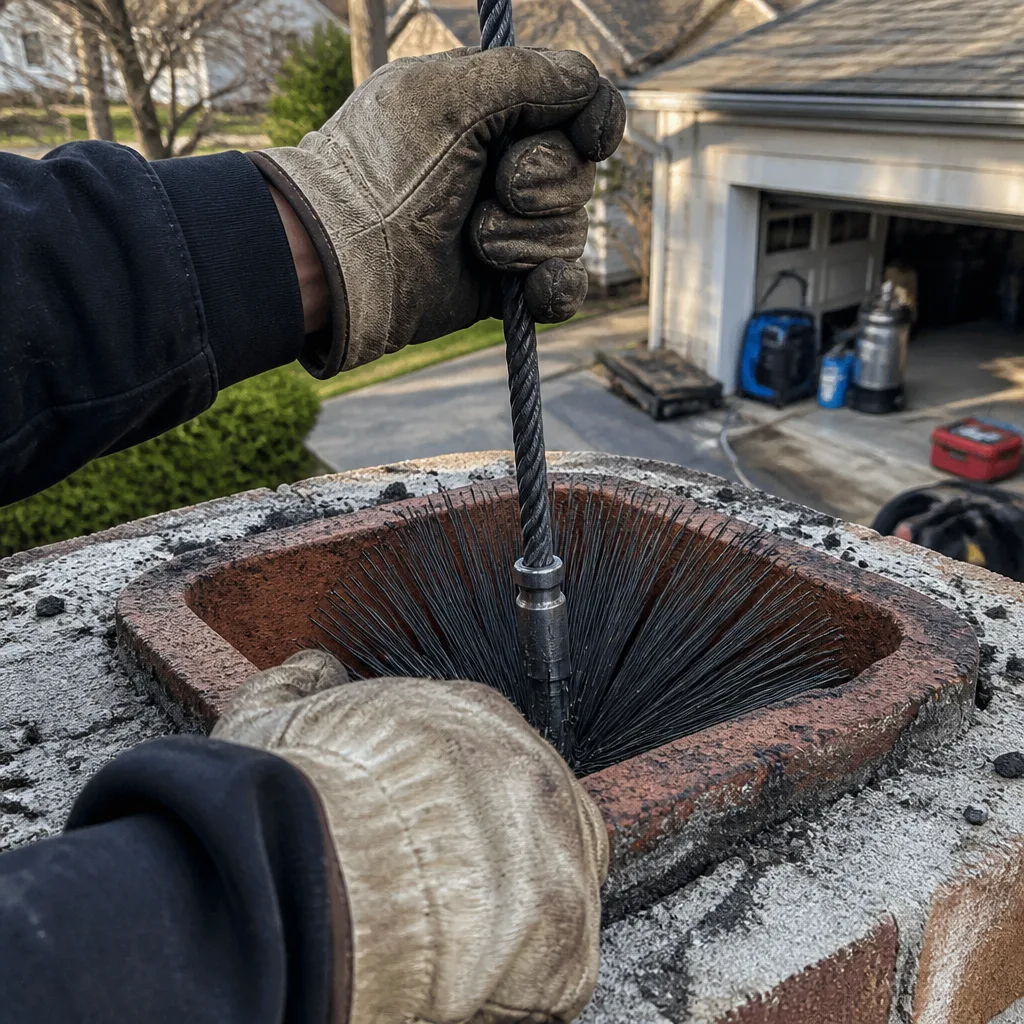
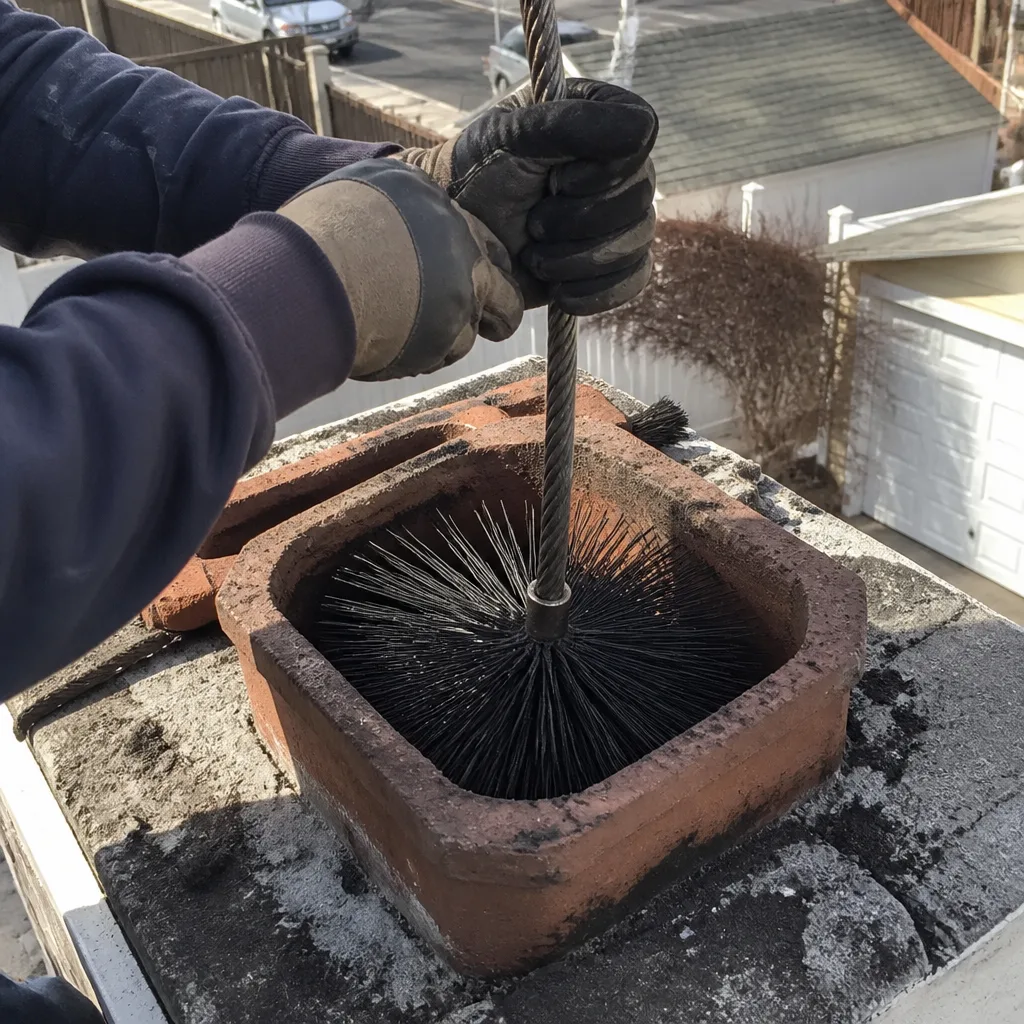
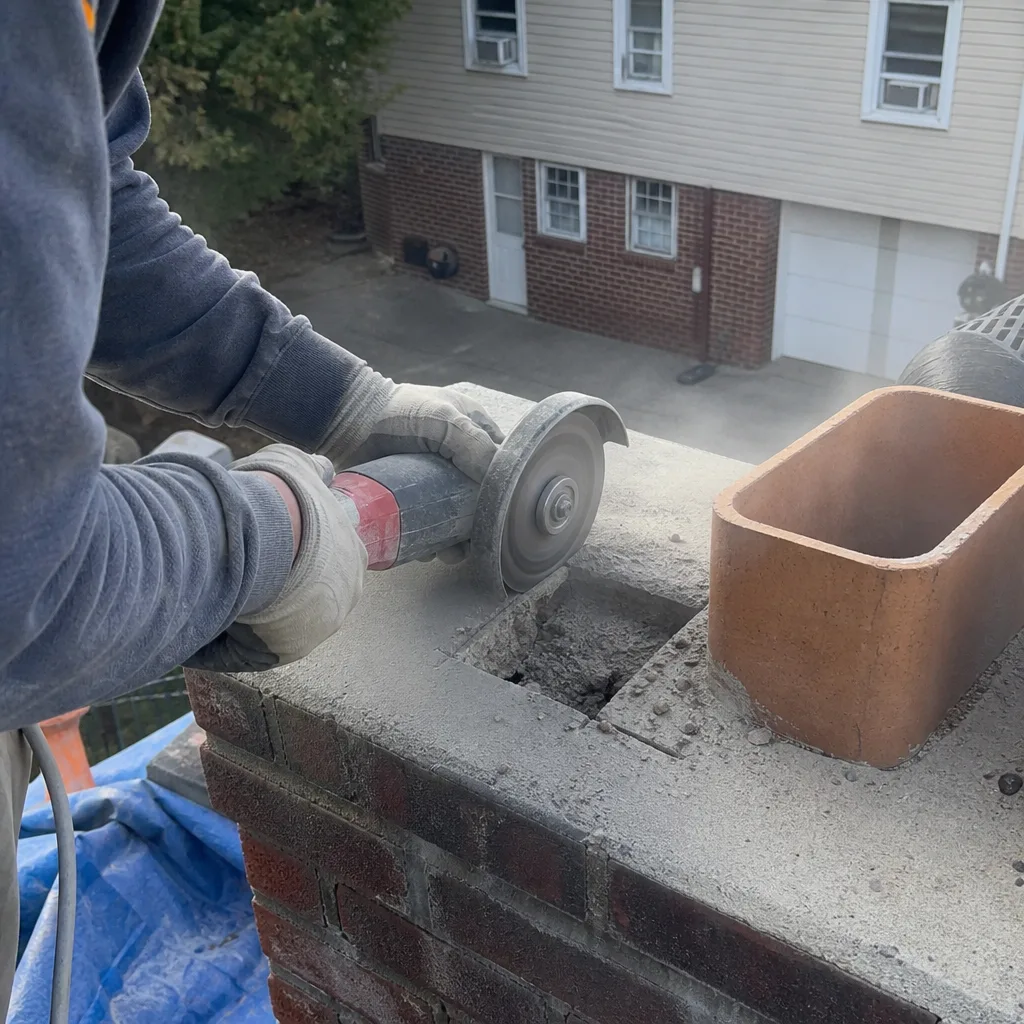
Surface prep. For Cerfractory foam, the flue must be mechanically cleaned to bare substrate, then treated with the HeatShield primer and cleaner system. Skipping this step is why most HeatShield failures happen in Flushing. For mortar repairs, we grind and vacuum the eroded joints before filling.
- 3
Application. We apply HeatShield Cerfractory foam or Joint Repair System mortar to the manufacturer’s specified thickness, not a thin cosmetic coat. On a 1920s attached brick row house near Flushing Meadows, we pulled a camera through and found three eroded mortar joints and a hairline vertical crack starting at the second flue tile. We removed the creosote glaze with rotary chains, scrubbed the joints, vacuumed, and applied HeatShield’s joint repair mortar, followed by a Cerfractory parge coat.
- 4
Testing and documentation. After the repair cures, we re-scan the flue and, where appropriate, run a pressure test to confirm the seal. You get the photo record, the written scope, and the written warranty. A month after that Flushing Meadows job, we came back for the crown and sealed the top with HeatShield’s ChimneySaver repellent. The flue now passes a pressure test and the homeowner has a written report for their insurance file.
HeatShield Products We Service & Install in Flushing
We service and install the full HeatShield product line relevant to Flushing’s masonry chimneys: the Cerfractory Flue Sealant (the foam-applied system), the Joint Repair System (the mortar-based fill for eroded clay tile joints), the Resurfacing System, and HeatShield ChimneySaver Water Repellent for crown and masonry waterproofing. We stock the Cerfractory and Joint Repair System materials locally for faster turnaround on Flushing jobs, including the prep chemistry. We also handle creosote removal, our Chimney Cleaning & Sweep services, chimney waterproofing, and crown repair as standalone services or as part of a HeatShield application. Our techs interpret HeatShield’s application specs against the condition of your specific flue, and we document that call in writing before work starts.
We Also Service These Brands
We’re not a single-brand shop. Alongside HeatShield, we work with DuraFlex stainless liner systems and Gelco chimney products, plus materials from Olympia Chimney, Famco, and Copperfield sourced through Haven’s buying network. When HeatShield isn’t the right answer for a Flushing chimney, we’ll tell you what is.
FAQs - HeatShield Chimney Cleaning Service in Flushing
Can HeatShield Cerfractory foam be applied over an existing clay liner that has cracked tiles?
Yes, with one condition: the liner has to be structurally sound enough to support the foam. Hairline vertical cracking in a single tile is generally within HeatShield’s scope. Multiple cracked tiles, offset sections, or significant spalling mean the liner is compromised beyond what a sealant can fix, and we’ll tell you that upfront after the camera scan. In Flushing’s older rowhouse stacks, we see both situations regularly. Call (516) 240-9191 for an exact assessment, with the written price before any work starts.
How does HeatShield hold up on a chimney that is not used for months over a Flushing winter?
The bigger variable is exposure, not usage. A chimney that sits unused over winter but is exposed to Flushing’s freeze-thaw cycles and salt air from Flushing Bay will stress the HeatShield seal more than a chimneyless summer. The critical factor is whether the flue was properly prepped and whether the masonry above the seal is waterproofed. We recommend HeatShield ChimneySaver water repellent on the crown and exterior masonry when we apply Cerfractory, because water intrusion is what accelerates the freeze-thaw damage in the first place. Call (516) 240-9191 for a full condition report.
Is HeatShield an acceptable repair for a chimney that failed a Level 2 inspection due to missing mortar joints?
Yes, if the missing joints are the entire problem. HeatShield’s Joint Repair System was designed exactly for that: filling eroded or missing mortar joints between clay tiles so the flue regains a continuous seal. If the Level 2 failure also flagged cracked tiles, a structural offset, or a deteriorated crown, HeatShield alone is not the complete answer. Our written scope will itemize every repair needed and what each one costs. Call (516) 240-9191 to book the camera inspection that tells us which situation you have.
Do you need to sand or etch the flue before spraying the HeatShield Cerfractory foam?
You need mechanical cleaning to bare substrate plus the HeatShield primer and cleaner system, not a light sanding. HeatShield’s spec requires a clean, prepared surface for the foam to bond. In Flushing rowhouses that went years between sweeps, the flue walls often carry a creosote glaze that has to come off with rotary chains before any primer goes on. Skipping that prep is the most common reason we see Cerfractory peeling within its first season. That’s why our process documents prep with before-and-after camera footage. Call (516) 240-9191 to schedule.
Can HeatShield be used on a stainless steel prefab chimney that is corroding inside?
No. HeatShield is designed for masonry flue surfaces, not corroding metal liners. When we pull a camera through a prefab chimney and find delaminating HeatShield coating over a corroded stainless liner, the root cause is the liner corrosion itself, usually from condensation and acidic flue gases. Applying more HeatShield over that surface will not solve it. The honest answer is a liner replacement or a different repair path, and we’ll show you the footage that proves it before we quote anything. Call (516) 240-9191 for a straight read on what your prefab chimney actually needs.
How much does HeatShield chimney cleaning cost in Flushing?
HeatShield re-application on a Flushing rowhouse chimney typically runs $900 to $2,800 depending on flue height, prep complexity, and whether we’re addressing one flue or multiple flues in a shared stack. A straightforward single-flue Cerfractory application after mechanical cleaning usually lands in the $1,200 to $1,800 range. Joint repair mortar work tends toward the lower end if the damage is isolated. The wild card in Flushing is prep: older attached-home flues with heavy creosote glaze or spalling tile take more labor to prepare properly, and that labor is what determines the final number. We write the exact price after the camera scan, before any work begins. Call (516) 240-9191 for a free estimate, always in writing.
Book Your HeatShield Service in Flushing, NY
Ready to get your HeatShield chimney inspected or repaired in Flushing? Call (516) 240-9191 and we’ll schedule a Level 2 camera scan, write the price before any work starts, and hand you a documented photo record when it’s done. Corrine Halstead and our Flushing techs know exactly how HeatShield behaves on these old rowhouse stacks.
Written by Corrine Halstead, Owner at Level Two Chimney Flushing, serving Flushing since 2009.