
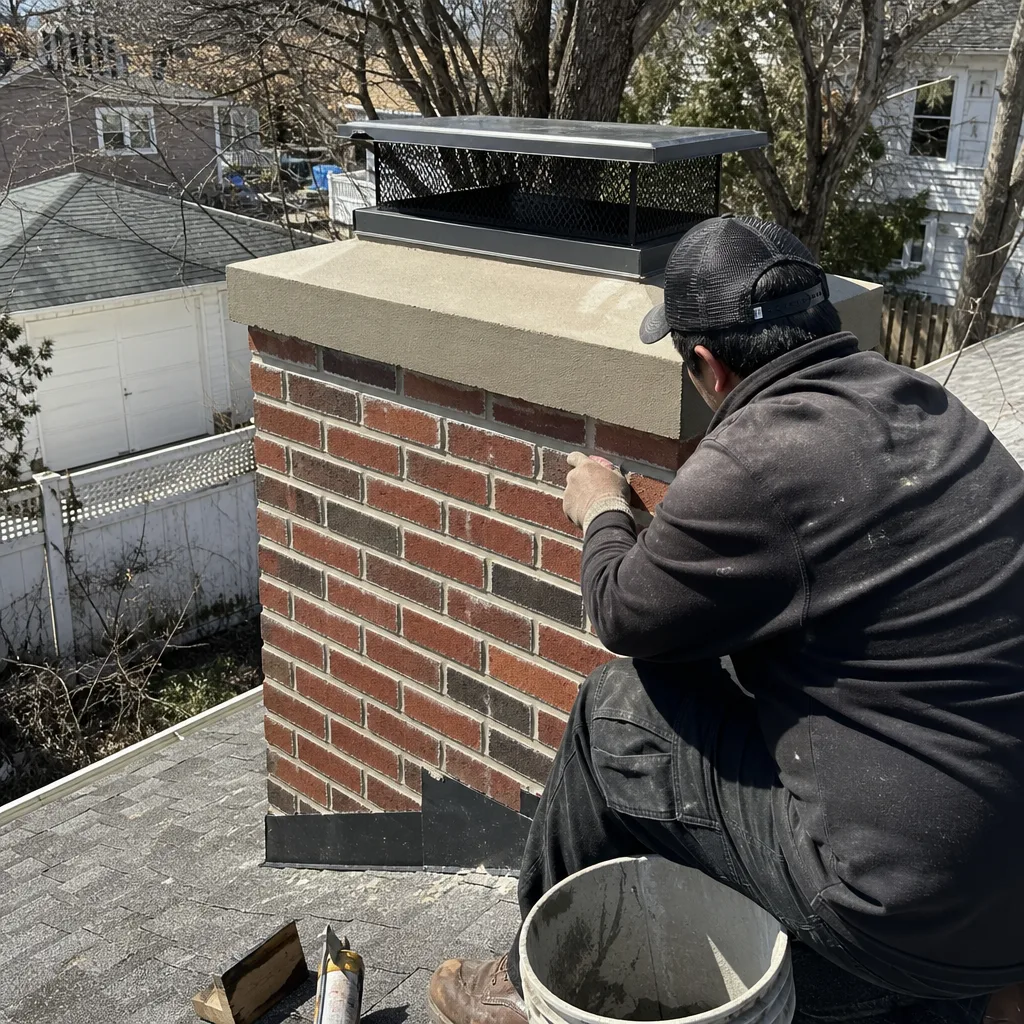
Level 1 sweep and inspection to the NFPA 211 annual standard - flue, crown, cap, and flashing checked and photographed
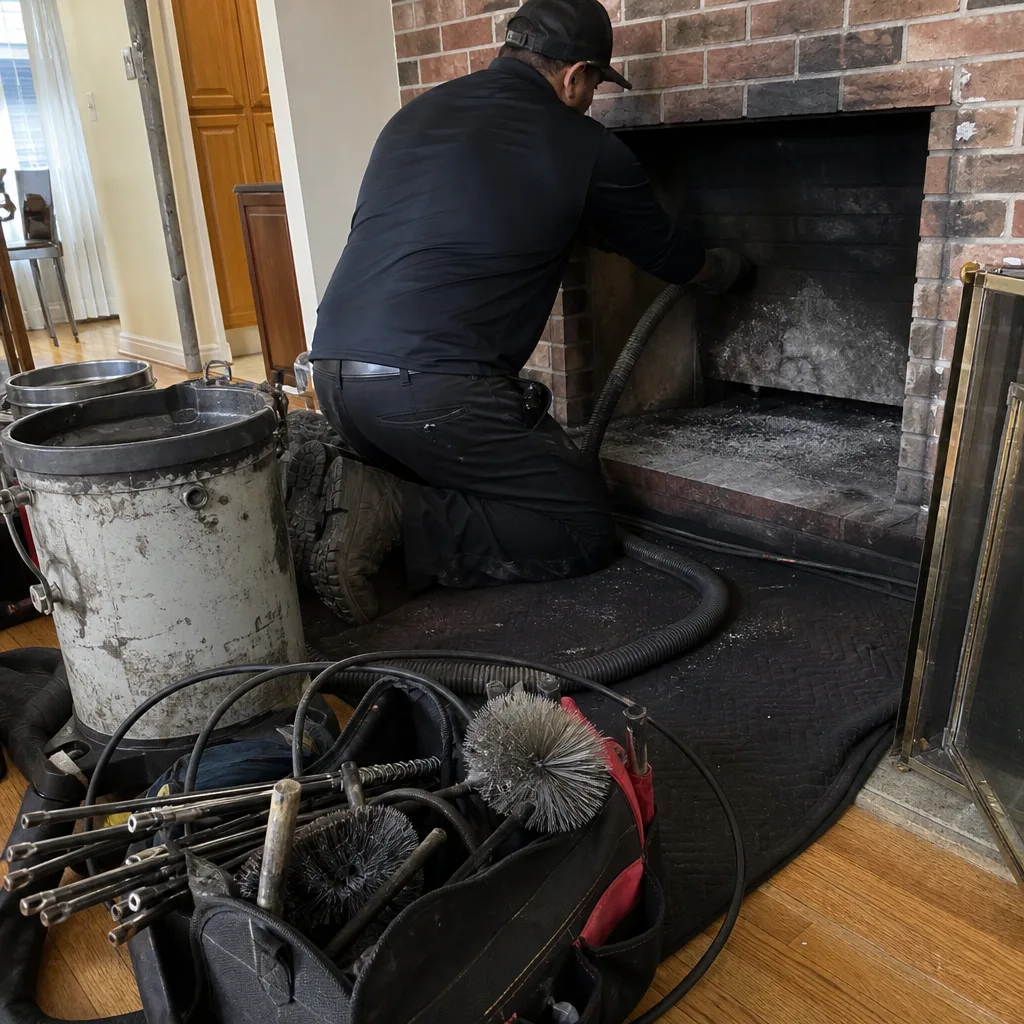
Chimney sweep logs do not sweep chimneys. They loosen some creosote - which then falls where a brush and vacuum still have to collect it.
 Before
 After
After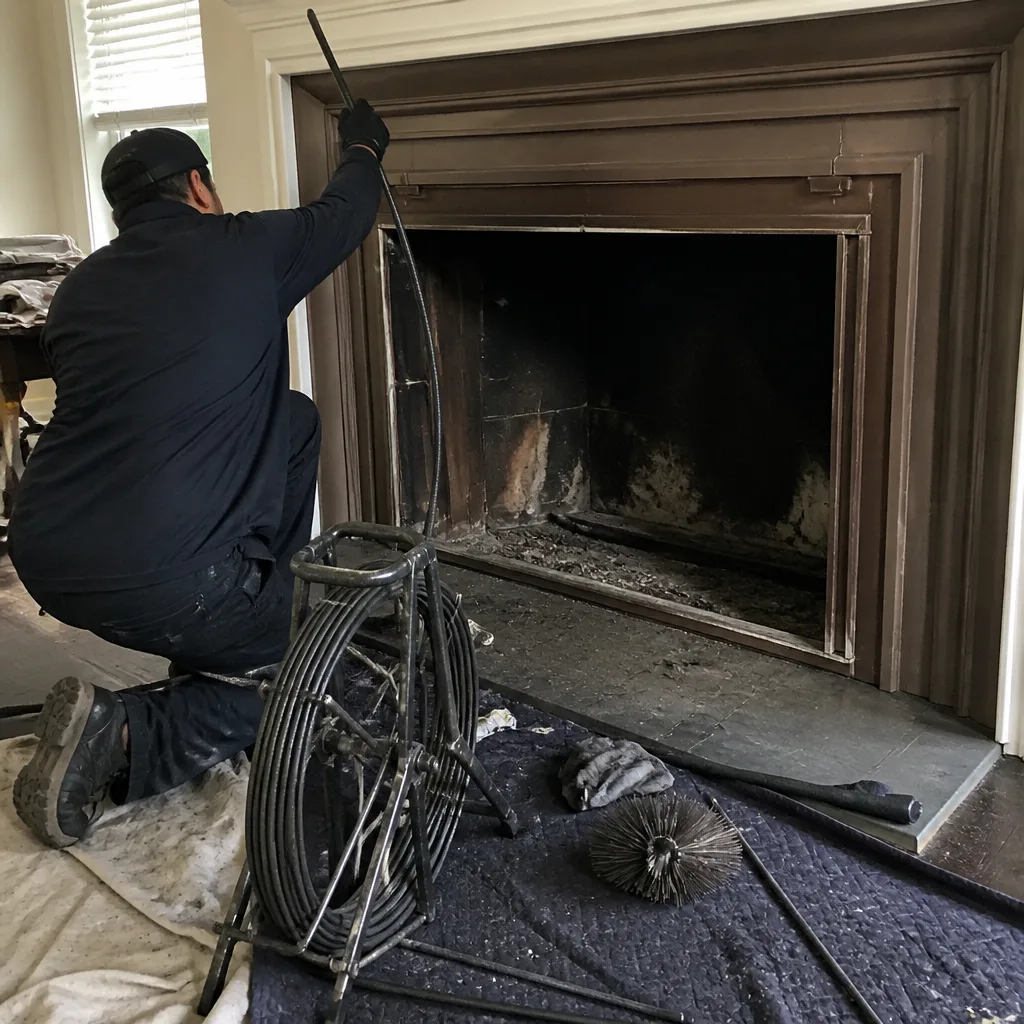 Before
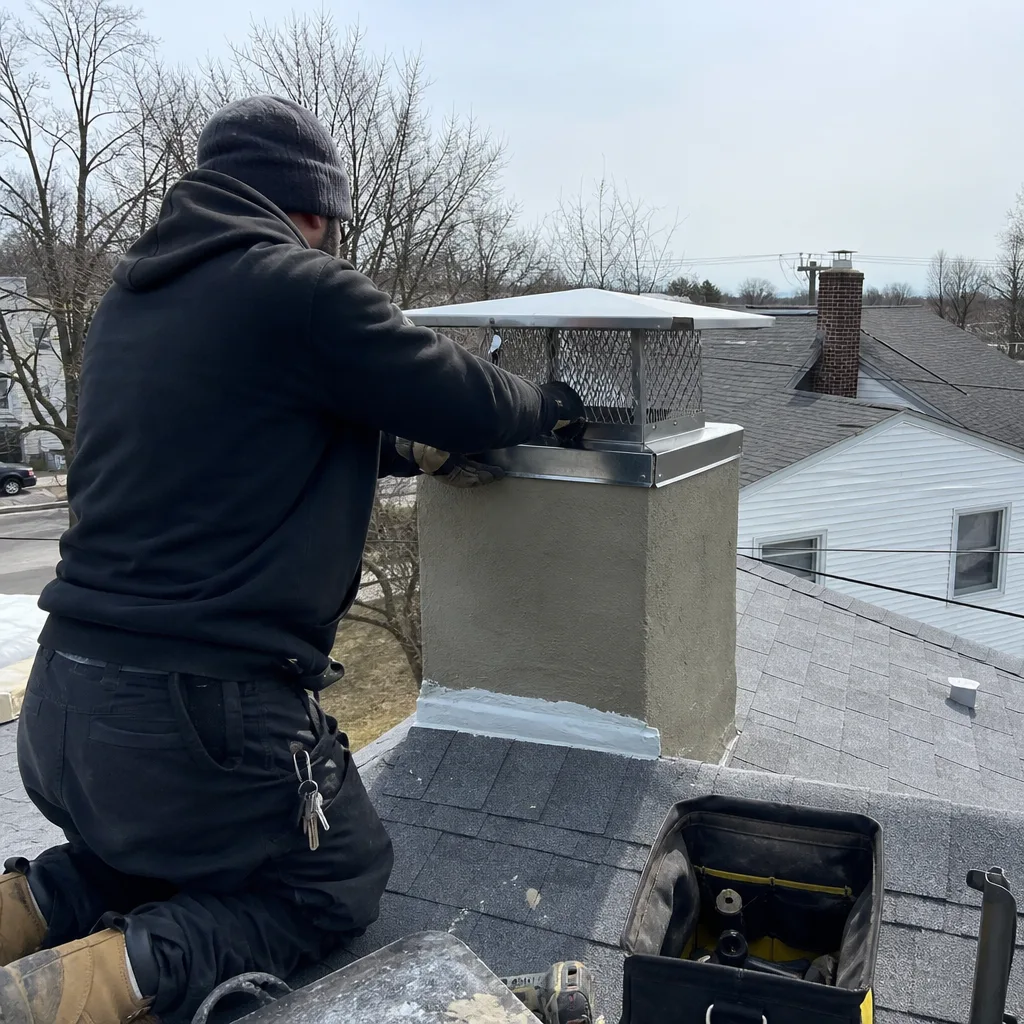 After
After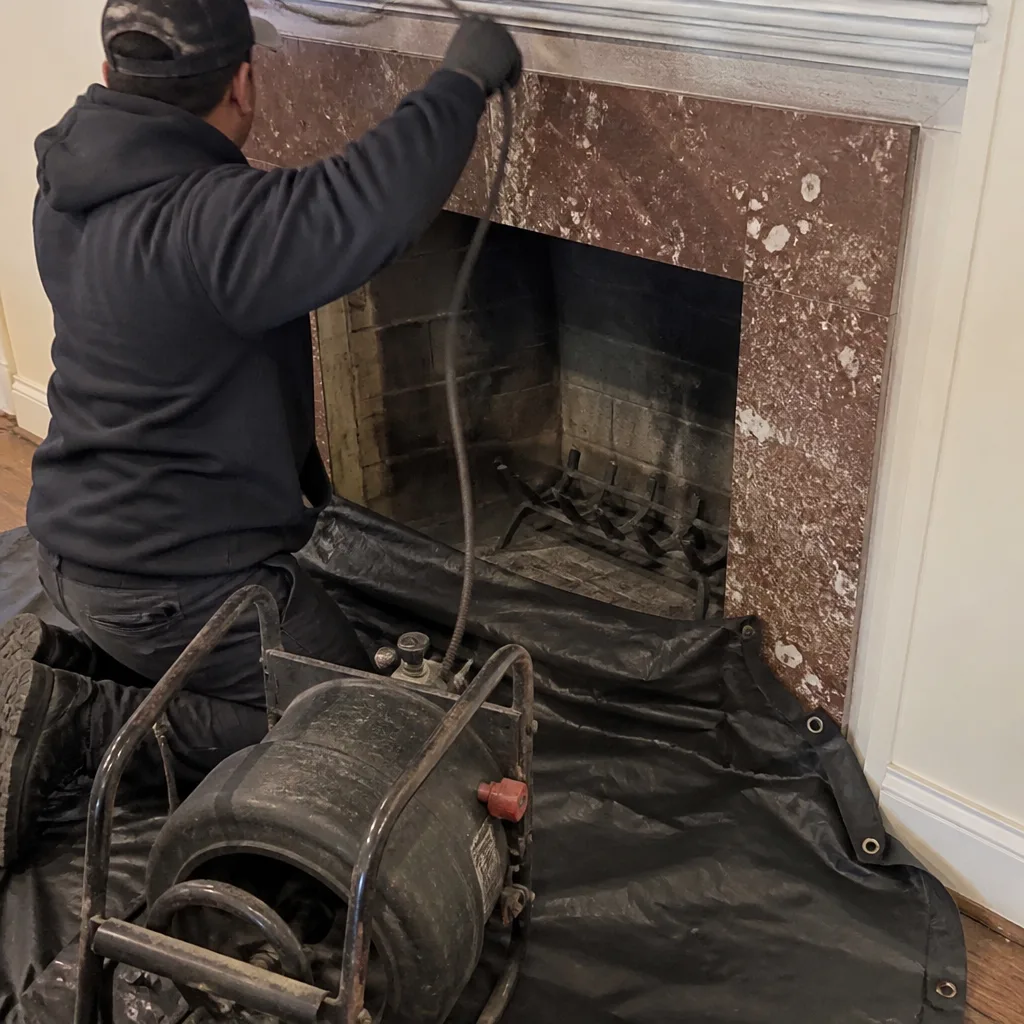 Before
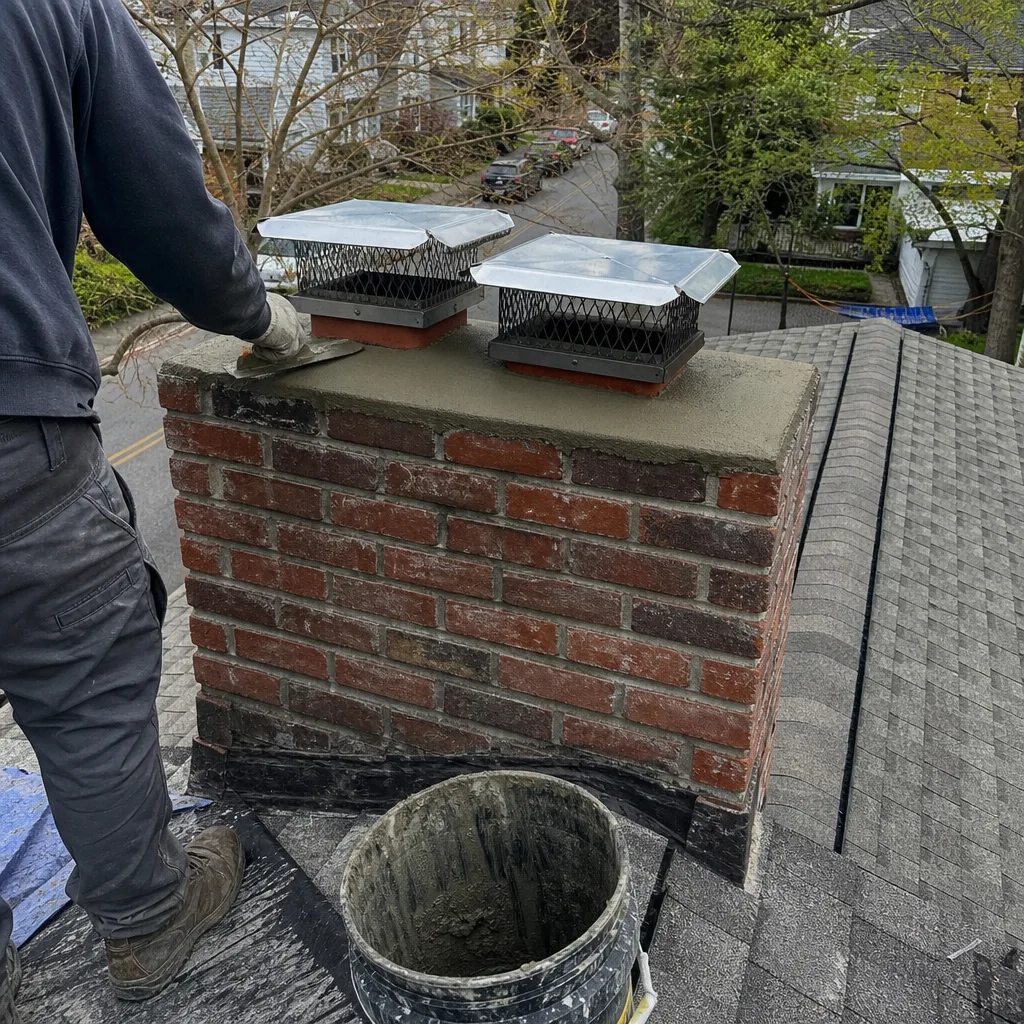 After
AfterHeatShield Chimney Cleaning in Flushing, NY | Level Two Chimney Flushing
We provide independent HeatShield service across Flushing, including our Chimney Cleaning & Sweep in Flushing, inspection, and repair of CeCure, Joint Repair System, and Resurfacing System applications. Our crews work on Flushing’s 1920s-1940s attached brick rowhouses every week, and the one thing that makes our HeatShield work here different is that we know where the cerfractory surface fails under shared-stack drafting and salt-laden air off Flushing Bay. That knowledge changes what we look for during a cleaning, and it changes what we recommend afterward. Call (516) 240-9191 for a written estimate.
Since 2009, Level Two Chimney Flushing has documented 38,000+ chimney inspections and cleanings, every one with a written price before work started and a photo record when it was done. We’re an independent HeatShield service provider, not manufacturer-affiliated or authorized. We use genuine HeatShield cerfractory products exclusively because aftermarket brush-on sealants don’t bond properly to existing HeatShield layers. For HeatShield sales & service across Flushing, you want a crew that can read the camera footage before quoting anything.
Why Flushing Residents Choose Us for HeatShield Service
HeatShield’s cerfractory flue sealant behaves differently in Flushing than it does in most of Queens. The tidal humidity and mild salt-air exposure from Flushing Bay and Flushing Creek accelerate efflorescence and mortar-joint erosion on chimney stacks, particularly on north- and east-facing exposures that stay damp longest after winter storms. When a HeatShield-resurfaced flue sits inside a masonry stack that’s wicking salt-laden moisture, the coating gets stressed from behind. We look for that specific failure mode on every Flushing job, because we’ve seen it enough times to know where it starts.
Corrine Halstead, our owner at Level Two Chimney Flushing, grew up in Queens and has spent the better part of two decades doing chimney work across the borough. She trained at LaGuardia Community College, where she picked up the diagnostic side of the trade: reading draft problems, identifying liner cracks, understanding why a fireplace that worked fine in October suddenly smokes up the living room in January. Around Flushing, she’s known for showing customers the camera footage before quoting anything. The price on paper matches what’s actually in the flue. Corrine still writes job notes by hand in a truck notepad, which she says keeps her from skipping steps.
Common HeatShield Chimney Cleaning Problems We Solve in Flushing
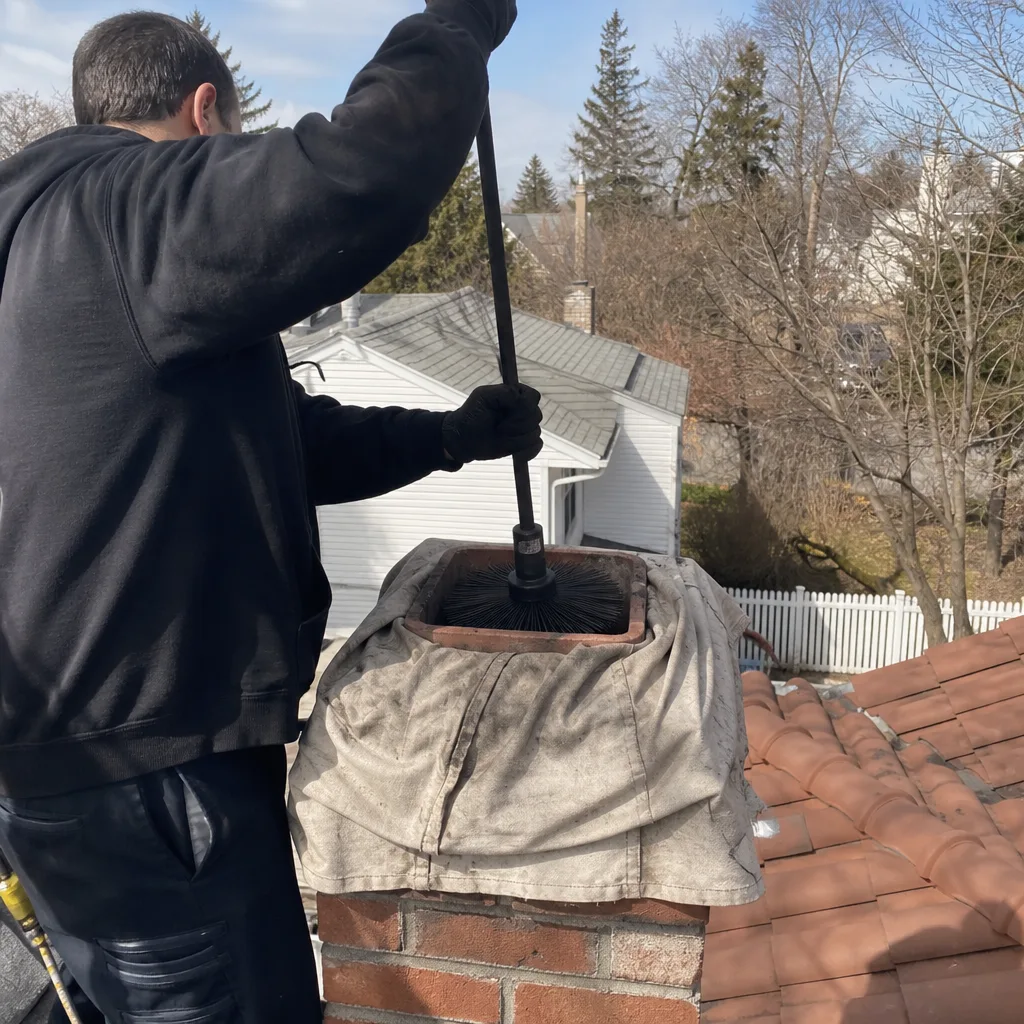
- Pinhole breaches in HeatShield-resurfaced flues. Flushing’s tidal humidity accelerates spalling on north- and east-facing shared stacks. When the crown wasn’t waterproofed at the time of HeatShield application, we typically find pinhole breaches within 5-7 years. During a cleaning, we camera-scan the surface and document every breach before recommending whether to patch or replace.
- Delamination over old creosoted clay tile. HeatShield applied over heavily creosoted clay tile without proper prep often delaminates in sheets. The surface flakes, catches soot, and kills draft. We see this in Flushing rowhouses where a previous contractor cut corners on prep. The fix is mechanical removal of the failed layer and a proper CeCure resurface with verified bonding.
- Joint Repair System gaps at offsets and smoke chambers. Original 1930s mortar in Flushing’s rowhouse chimneys has often turned to powder. When HeatShield Joint Repair System was applied over deteriorated joints, failures show up at the offset or smoke chamber. We find gaps where multiple flues share a 16-inch brick chase, and we document them with the camera before quoting.
- Thermal-shock cracking from abandoned flues in shared stacks. In converted Flushing rowhouses with an active gas flue and an abandoned oil flue in the same stack, HeatShield’s cerfractory surface can crack when the dormant flue pulls cold, moist air during backdraft events. This is a Flushing-specific failure mode that a sweep in a detached-home suburb rarely sees.
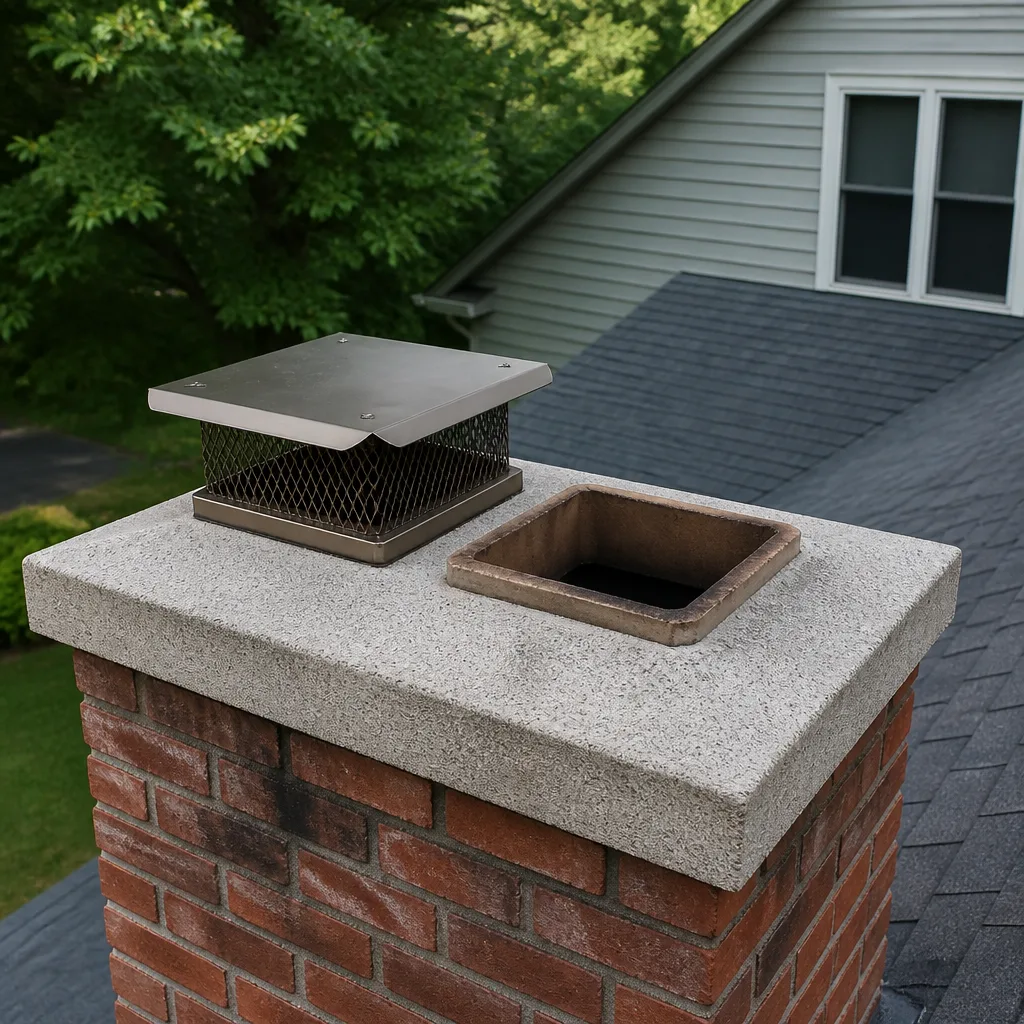
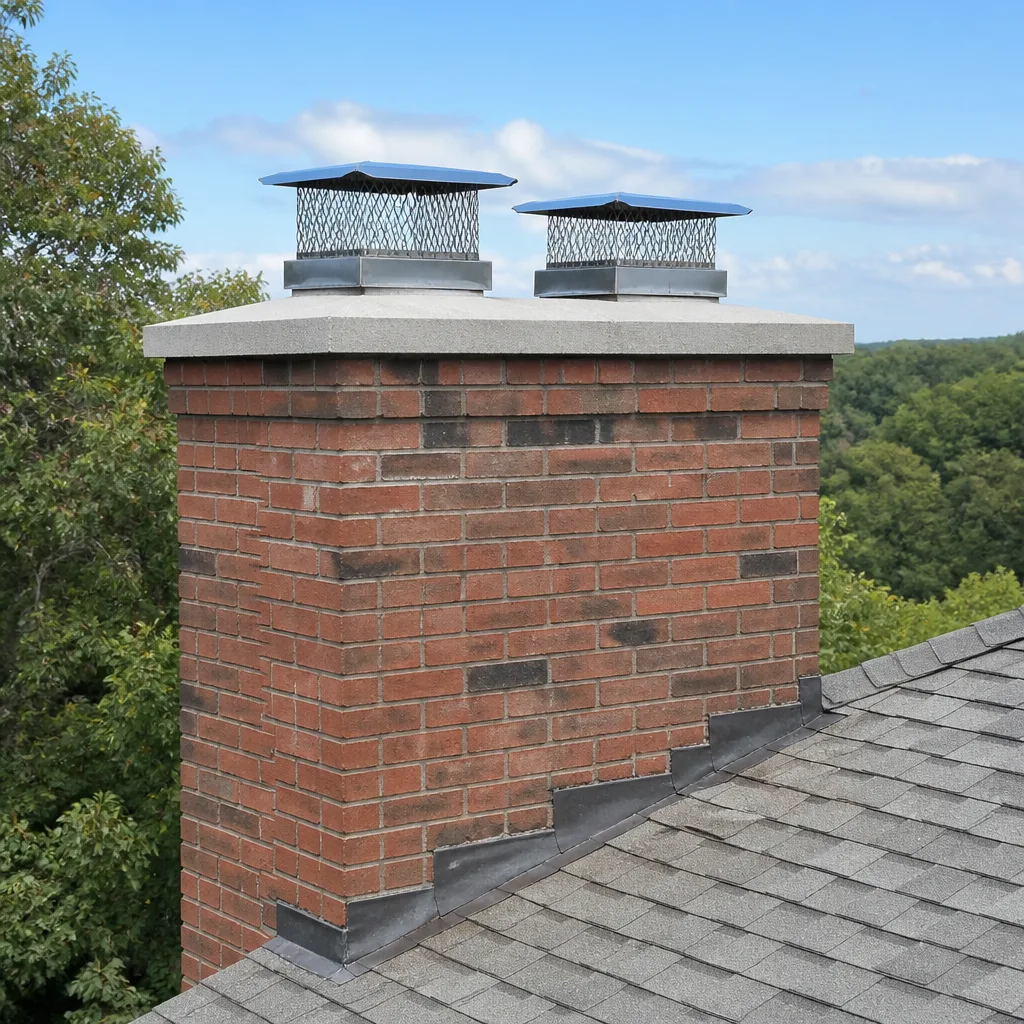
- Premature erosion at exposed flue terminations. Flushing’s rowhouse blocks near the old Flushing Airport site have an unusually high number of shared stacks where HeatShield was applied in the early 2000s, but the cap flashing was never upgraded from oil-era single-flue caps to multi-flue caps. Rain drives directly onto the cerfractory at the exposed terminations, causing erosion visible from Cherry Avenue.
BeforeAfterHeatShield Service in Flushing: What Local Conditions Mean for Your Equipment
Here’s the thing about Flushing that doesn’t show up on a generic chimney service page: decades of fuel conversions from coal to oil to gas in these 1920s-1940s rowhouses often left neighboring flues within the same stack abandoned, unlined, or improperly capped. A sweep in a low-density suburb would rarely open a chimney and find one active gas flue, one abandoned oil flue, and a bricked-up fireplace opening in the same 16-inch chase. In Flushing, that’s practically the default. When the active gas flue draws, the abandoned flue acts as a makeup-air channel that can pull flue gases back into an adjacent unit. If HeatShield was applied to the active flue without addressing the abandoned flue, the cerfractory gets hit with thermal shock from cold, moist air pulled down during backdraft events. That’s why our HeatShield cleanings in Flushing always include a multi-flue assessment. We don’t clean one flue and pretend the other two don’t exist.
HeatShield Models & Products We Service in Flushing
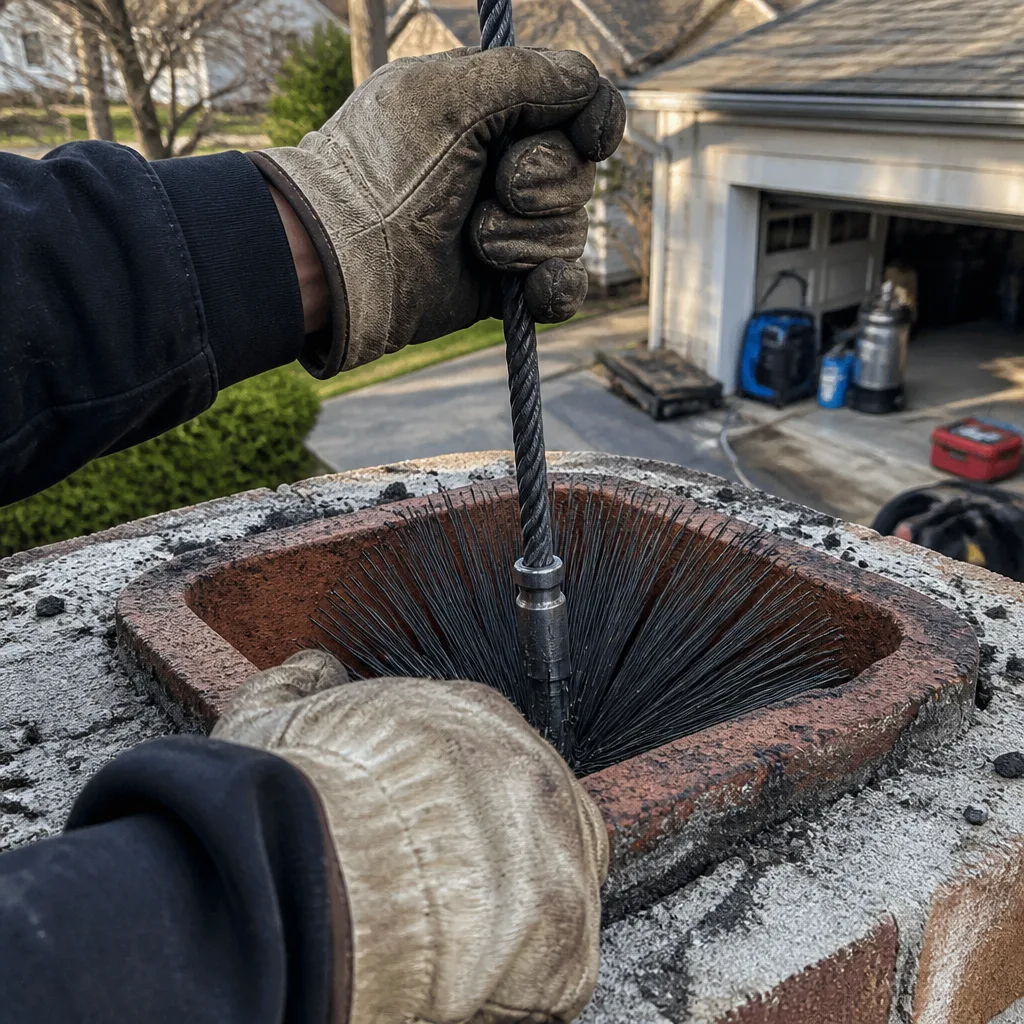
We service the full HeatShield product family: CeCure, Joint Repair System, Resurfacing System, and Flue Sealant. On most Flushing jobs, we’re working with CeCure and the Joint Repair System, because those are the two products most commonly applied to the clay-tile-lined flues in these older rowhouses. We stock genuine HeatShield cerfractory products locally for fast turnaround on Chimney Repair in Flushing. When a HeatShield surface is over 80% compromised, or the clay tile behind it has collapsed, we recommend full stainless relining rather than adding another layer of patch material. We’ll tell you that plainly, and we’ll show you the camera footage that backs it up.
HeatShield Service Pricing in Flushing
A HeatShield chimney cleaning in Flushing typically runs $220-$320 for a single flue, including the camera-scan inspection and written photo report. Joint Repair System work on a Flushing rowhouse chimney usually falls between $850 and $1,800 depending on how many joints need treatment and access from the roof. A full CeCure resurface of one clay-tile flue typically costs $2,800-$4,600 in Flushing; a multi-flue resurface with a new multi-flue cap runs $4,200-$7,000. What drives the cost is access: shared stacks on attached rowhouses often require working from a ladder at the property line, and some Flushing blocks near Northern Boulevard have tight rear yards that add setup time. Every estimate is written, itemized, and delivered before anyone starts. Clause 1 of the Haven Standard: have it in writing. Call (516) 240-9191 for a free estimate, and if you have a competitor’s written quote, bring it in for a Free Second Opinion.
Serving Flushing, NY - Our Local Coverage Area
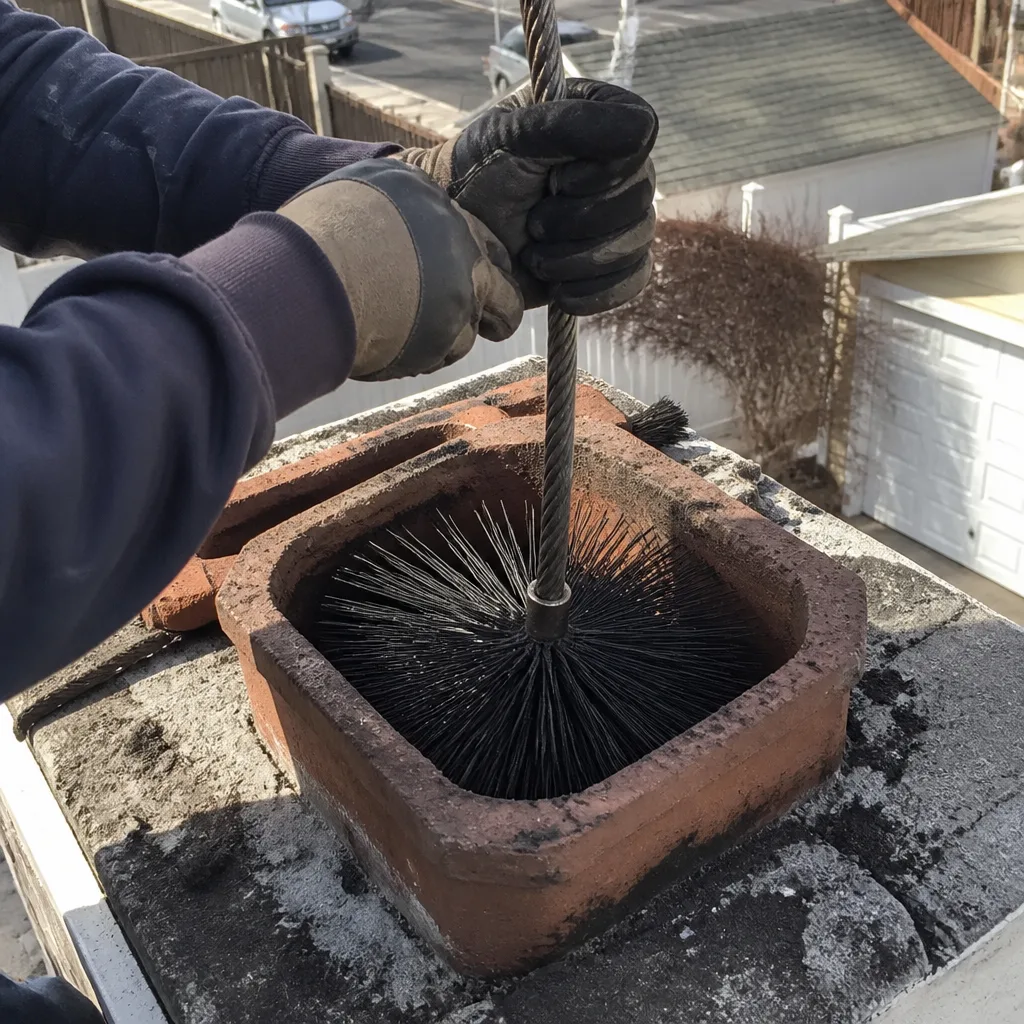
We’re based in the Flushing area and know this community well. Use the map below to see our service coverage - if you’re nearby, we can almost certainly help.
FAQs - HeatShield Chimney Cleaning in Flushing
Because Flushing’s attached rowhouses share chimney stacks, and the tidal humidity off Flushing Bay keeps masonry damp longer than it does a few miles east in Bayside. A shared stack with multiple flues means more thermal movement, more moisture wicking through the brick, and more stress on the cerfractory surface. When an abandoned flue sits next to an active one, backdraft events pull cold, moist air down onto the HeatShield coating and cause micro-cracking that compounds year after year. Detached homes don’t have that shared-stack dynamic. We document the difference with the camera on every visit. Call (516) 240-9191 for an exact quote, and we’ll show you exactly what’s happening inside your flue.
Yes, we can HeatShield one flue in a shared stack and leave the others alone, provided the other flues are physically sound and properly capped. But we’ll tell you what the camera shows: if an abandoned oil flue is open at the top or capped with a rusted sheet-metal disc, it will keep pulling damp air down onto the HeatShield surface you just paid to resurface. That’s a structural problem, not just a cosmetic one. In Flushing, we typically recommend capping or sealing abandoned flues at the same time as a HeatShield application, so the repair actually lasts. The price for that is in the written estimate up front.
Flaking in sheets is not normal, and it almost always points to poor surface prep. HeatShield requires the clay tile to be clean, dry, and free of creosote residue before application. When a contractor brushes the surface and applies HeatShield over old Class III creosote, the cerfractory bonds to the creosote instead of the tile. Within a few seasons, it delaminates in sheets. We see this in Flushing rowhouses where a previous owner hired the cheapest bid. The fix is removal of the failed layer, mechanical cleaning down to sound tile, and a proper CeCure resurface. The camera doesn’t negotiate, it just shows you what’s there. Call (516) 240-9191 and we’ll document the existing condition before quoting anything.
HeatShield protects the inside of the flue. It does not protect the crown or the flue terminations from rain, snow, and salt-laden air. In Flushing, where rain drives onto exposed ceramic terminations on rowhouse stacks, a multi-flue cap with a sealed chase cover is the difference between a HeatShield surface that lasts 15 years and one that erodes in 5. We’ve seen enough premature erosion near Cherry Avenue to make the multi-flue cap part of our standard HeatShield recommendation for shared stacks. It’s a few hundred dollars on the estimate, and it protects the thousands you just spent on the resurface.
With proper prep and a waterproofed crown, a CeCure resurface in Flushing typically lasts 12-15 years before it needs significant attention. Without a multi-flue cap or sealed crown, that drops to 5-7 years near tidal blocks where salt-laden humidity keeps the masonry damp. The difference is documented in our photo records from Flushing jobs going back to 2009. Our 365-Day Done Right Promise means if the repair fails inside the first year, we make it right. For an exact assessment of your stack, call (516) 240-9191. Estimates are free, and the camera footage is included.
Service Areas Near Flushing
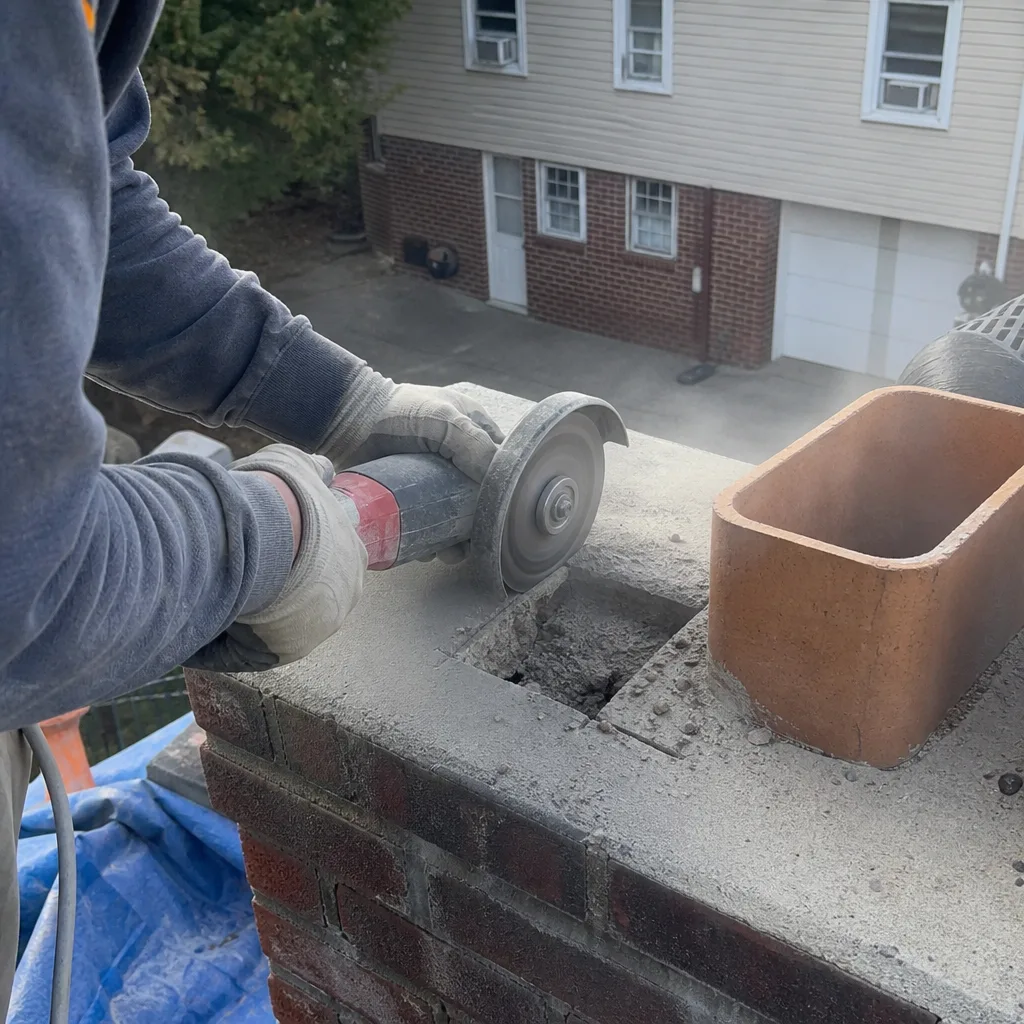
We provide HeatShield service throughout Flushing and into Flushing service area neighborhoods including Queensboro Hill, Murray Hill, and Auburndale. We also serve HeatShield service in Jackson Heights and HeatShield service in Bayside, plus Elmhurst, Forest Hills, and Fresh Meadows. If you’re in an attached rowhouse anywhere in central Queens, we know your chimney type.
Book Your HeatShield Service in Flushing Today
We answer the phone 24/7, and a live person gets your call, not a voicemail. Tell us what you’re seeing, and we’ll schedule a camera-scan cleaning with a written price delivered before any work starts. Call (516) 240-9191 today and get your Flushing chimney documented, cleaned, and HeatShield-ready before the next storm off the Bay.
Written by Corrine Halstead, Owner at Level Two Chimney Flushing, serving Flushing since 2009.