
Level 1 sweep and inspection to the NFPA 211 annual standard - flue, crown, cap, and flashing checked and photographed
Chimney sweep logs do not sweep chimneys. They loosen some creosote - which then falls where a brush and vacuum still have to collect it.
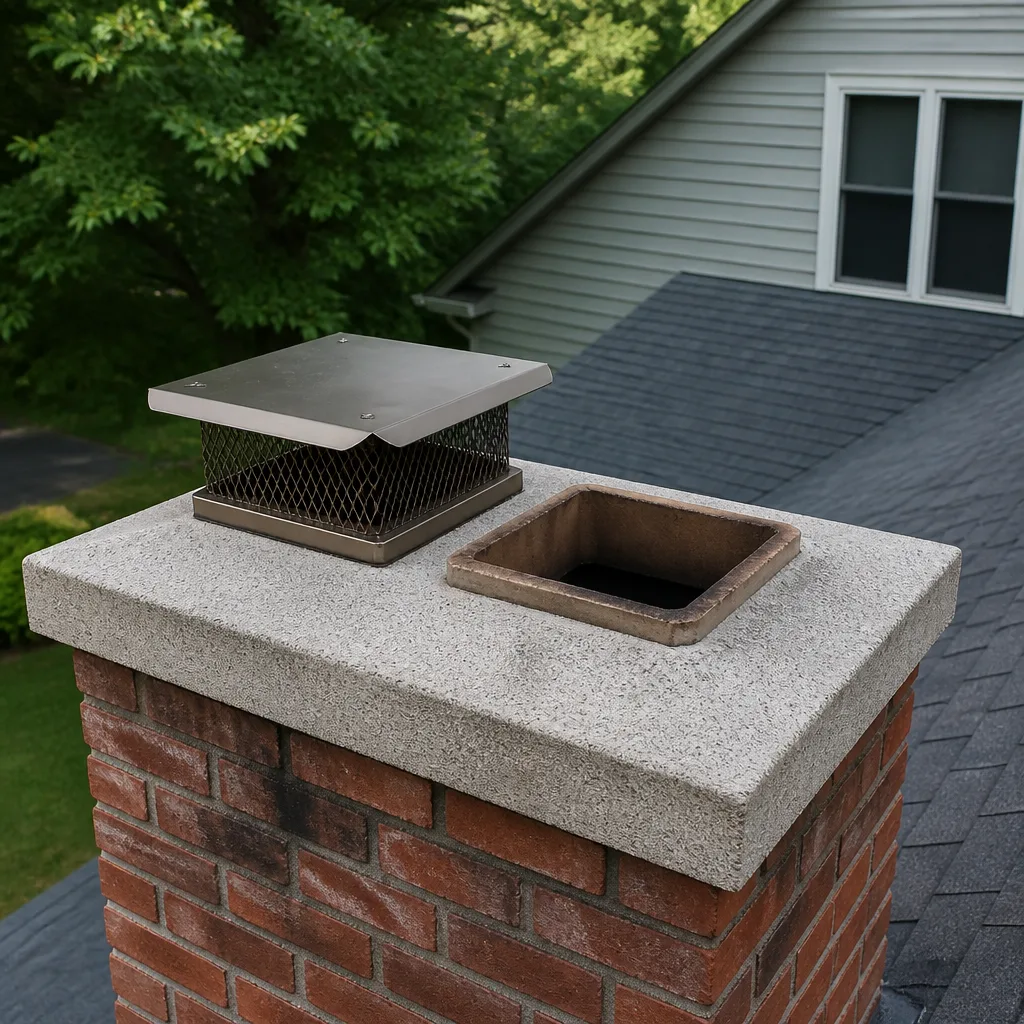
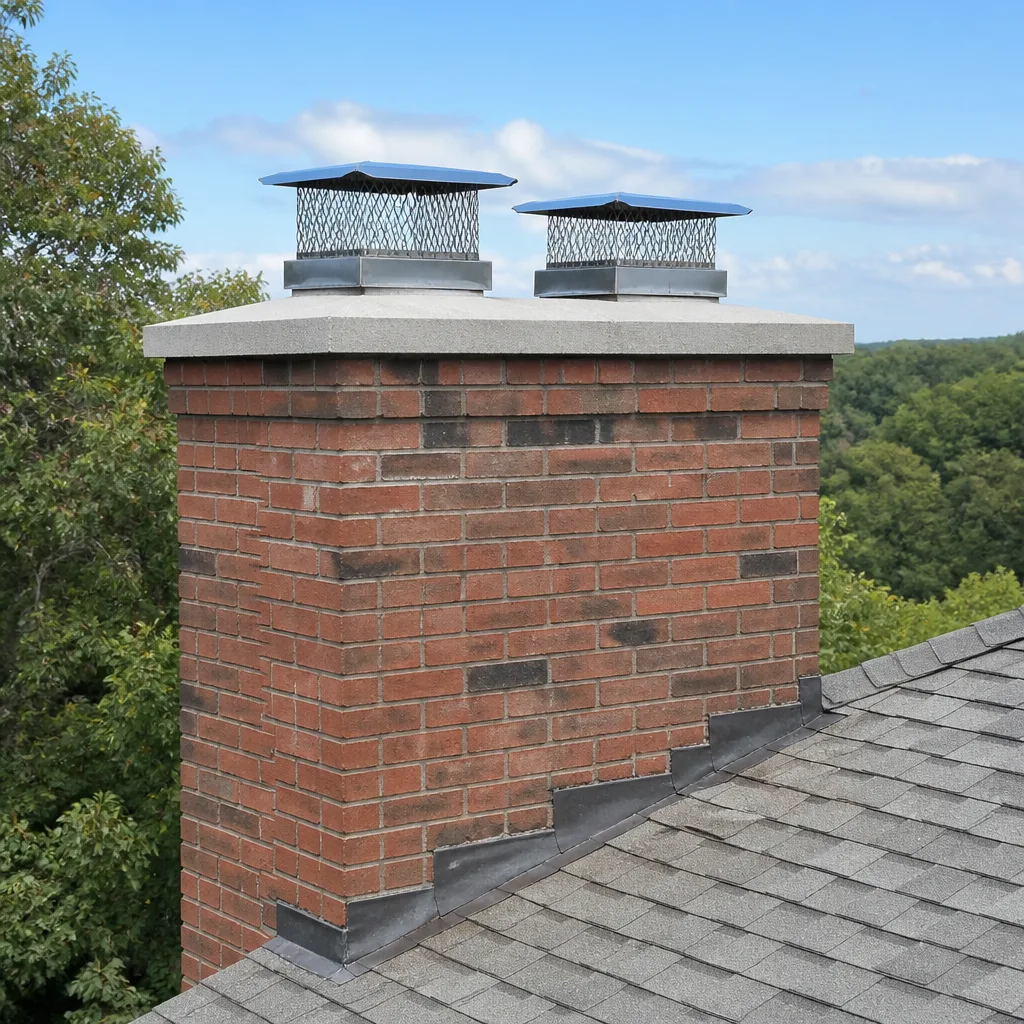
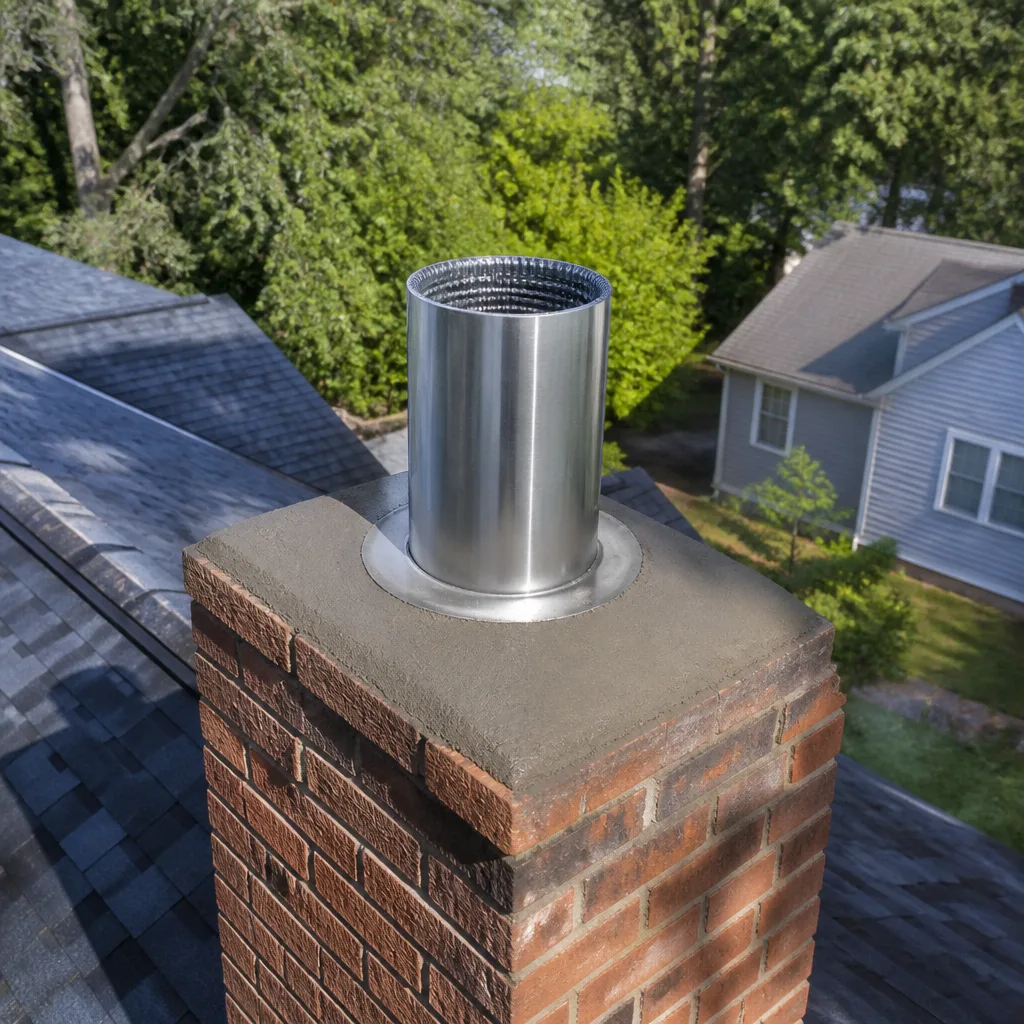
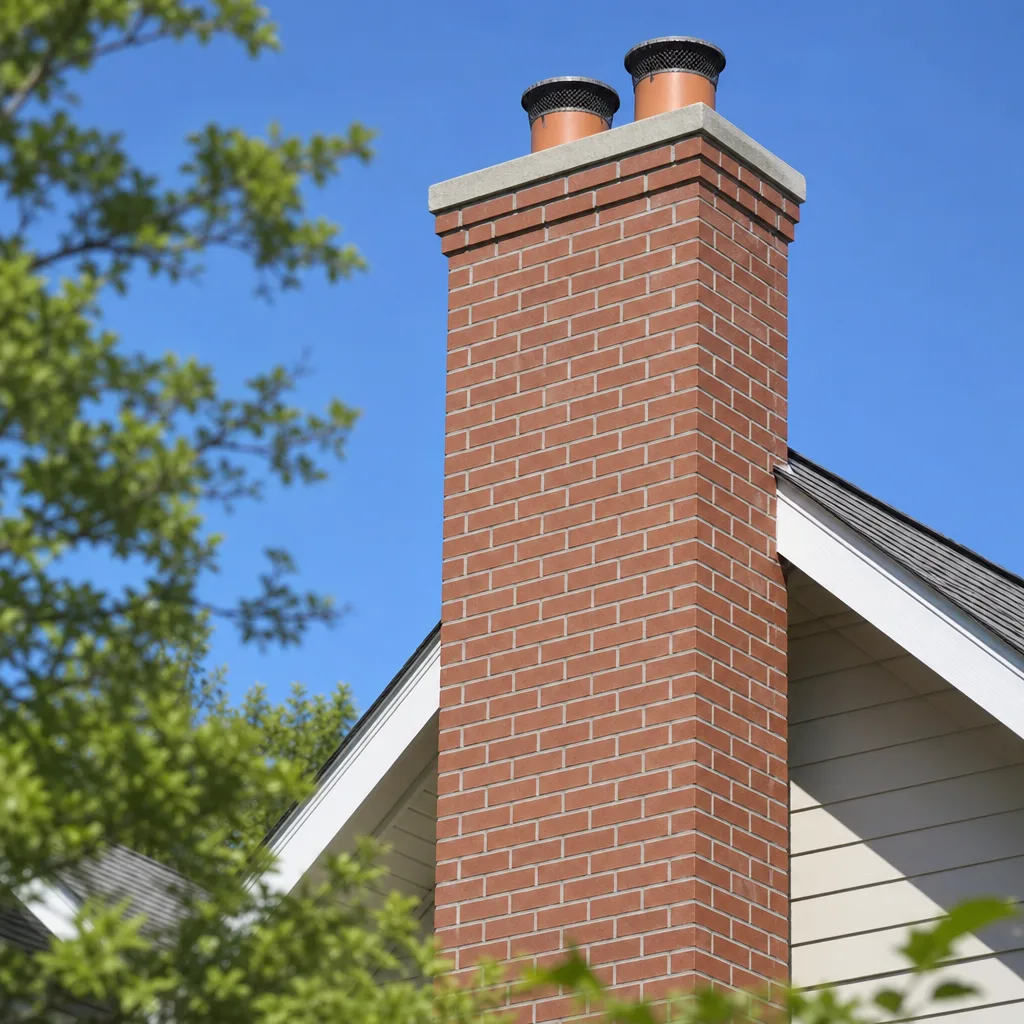
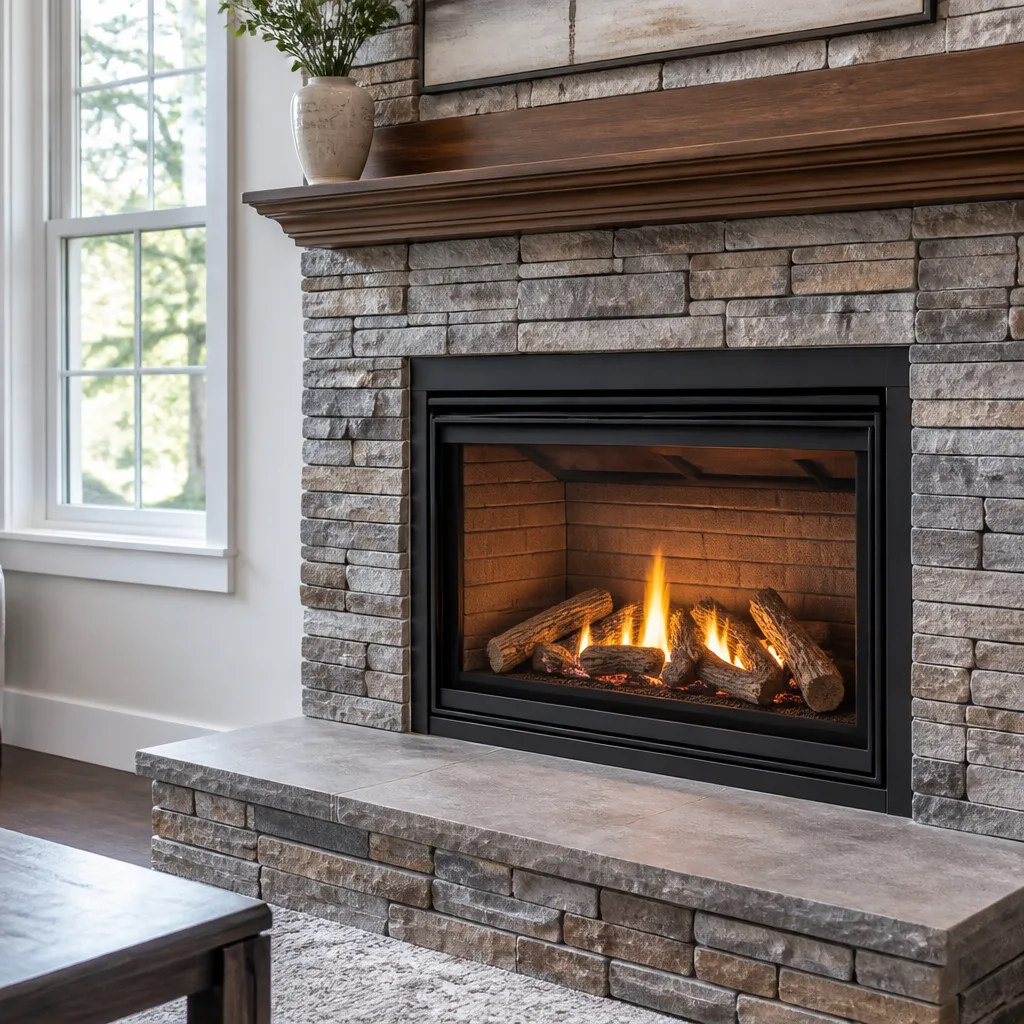
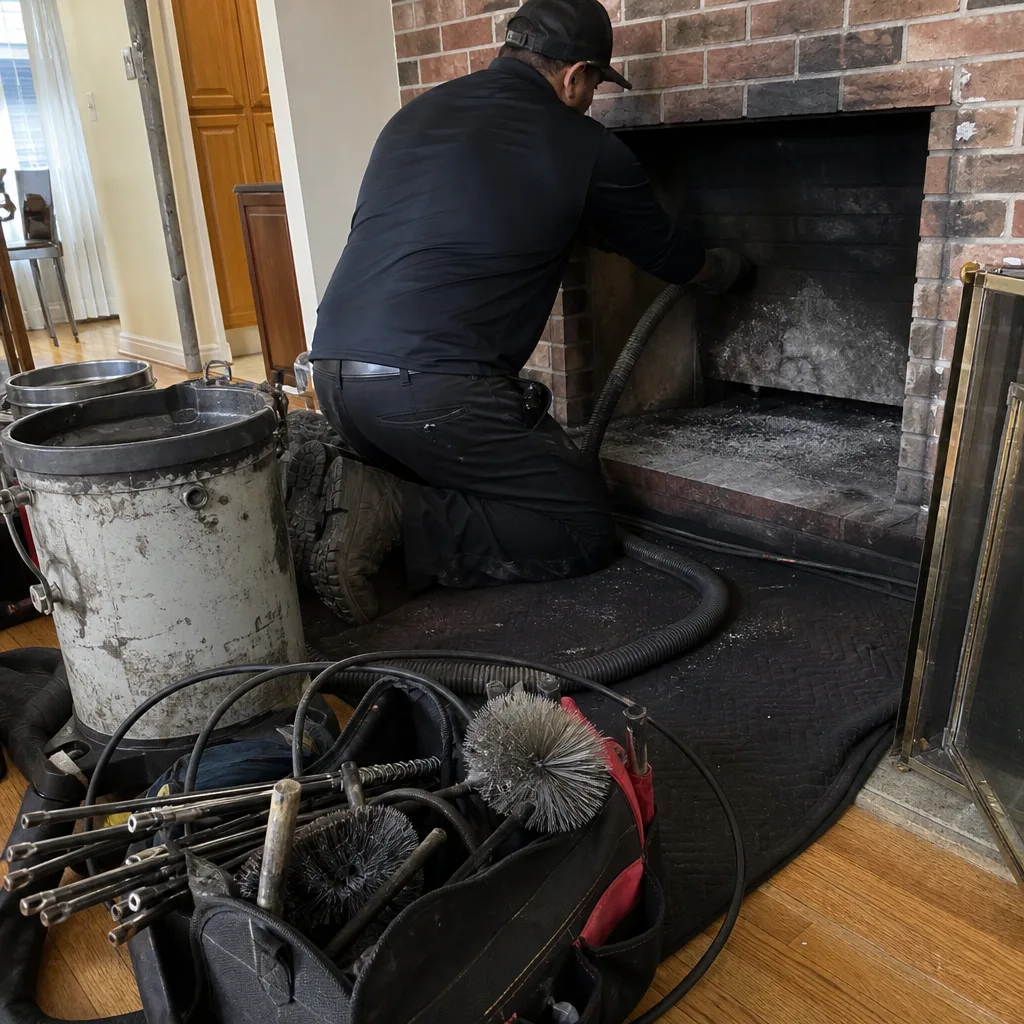 Before
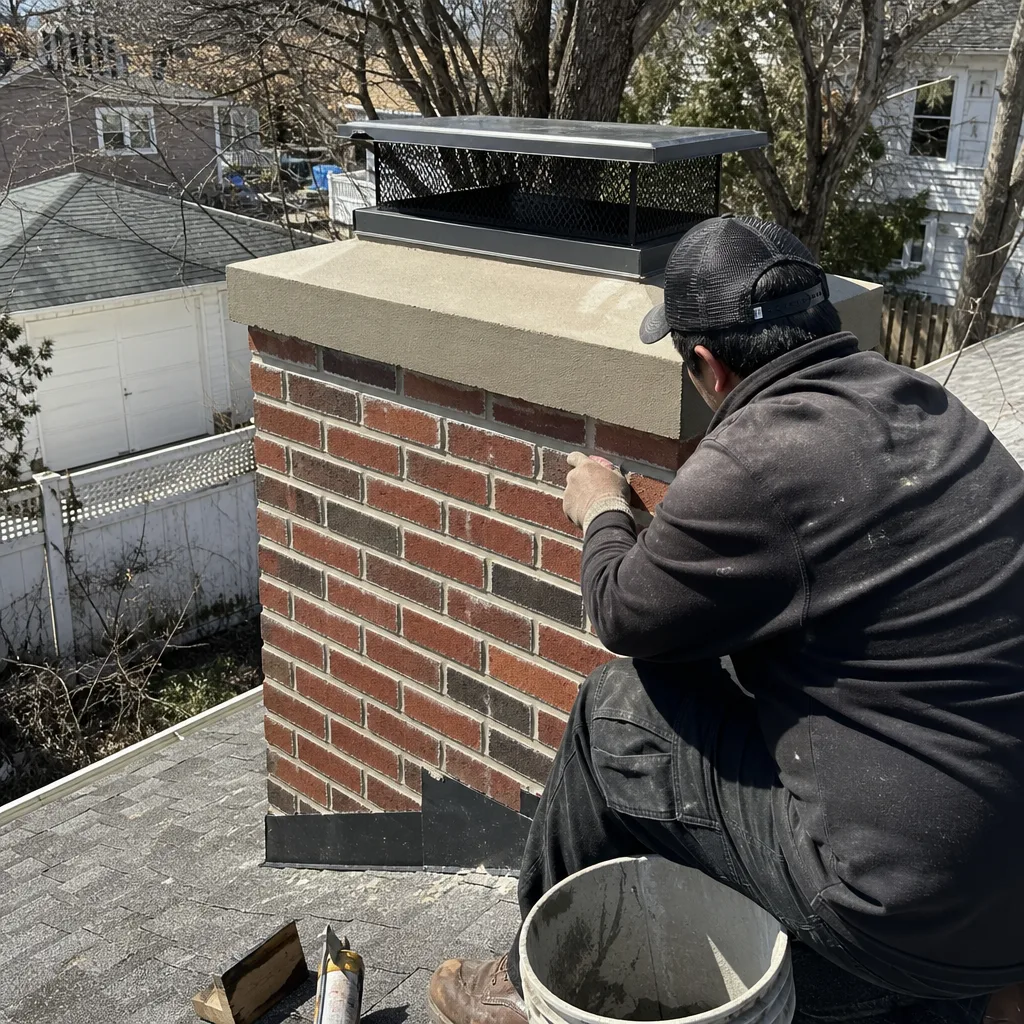 After
After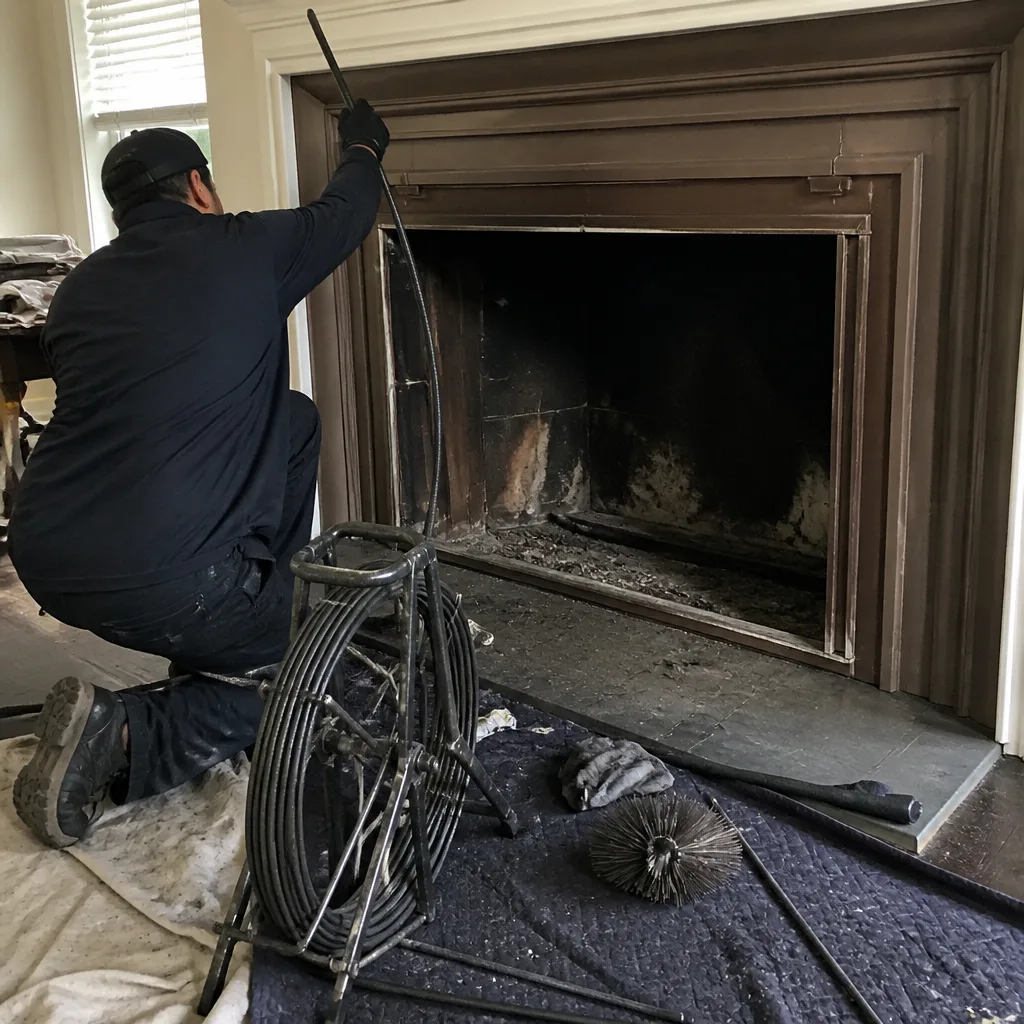 Before
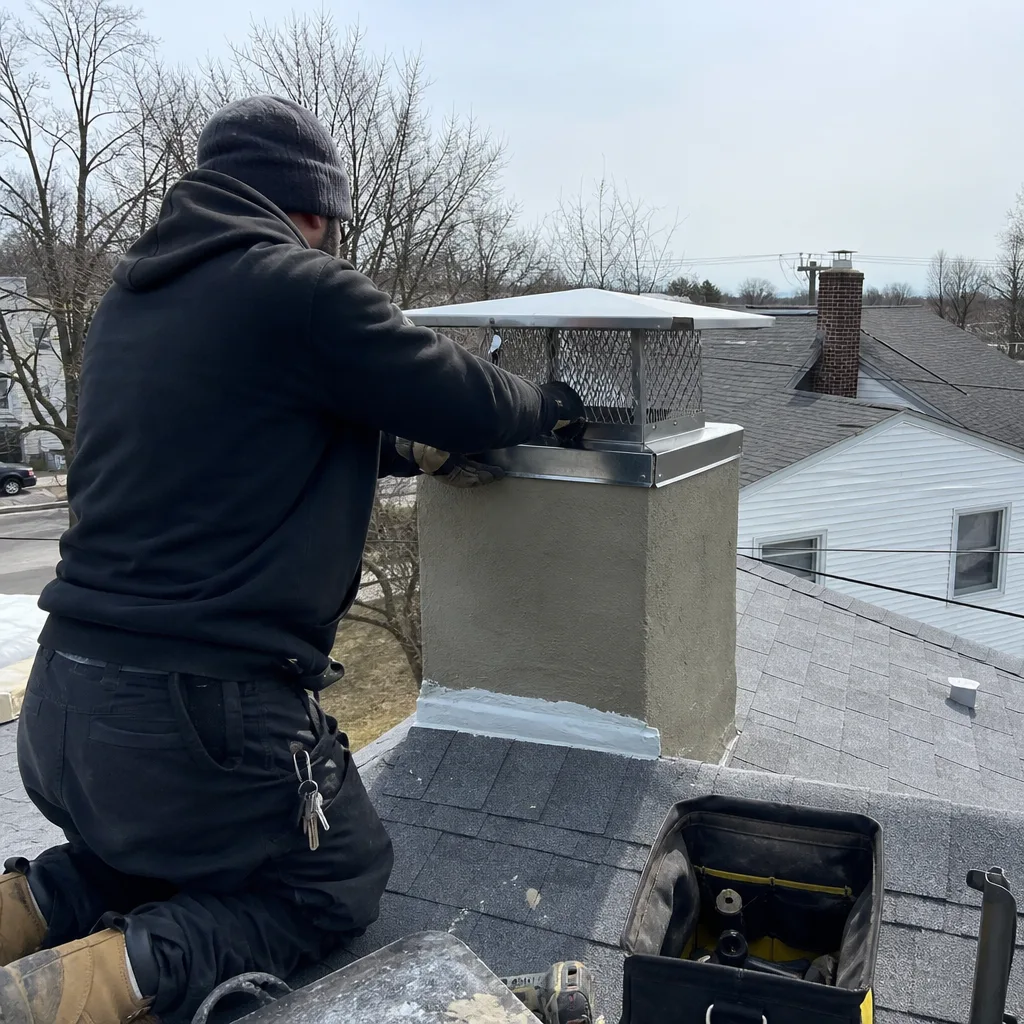 After
After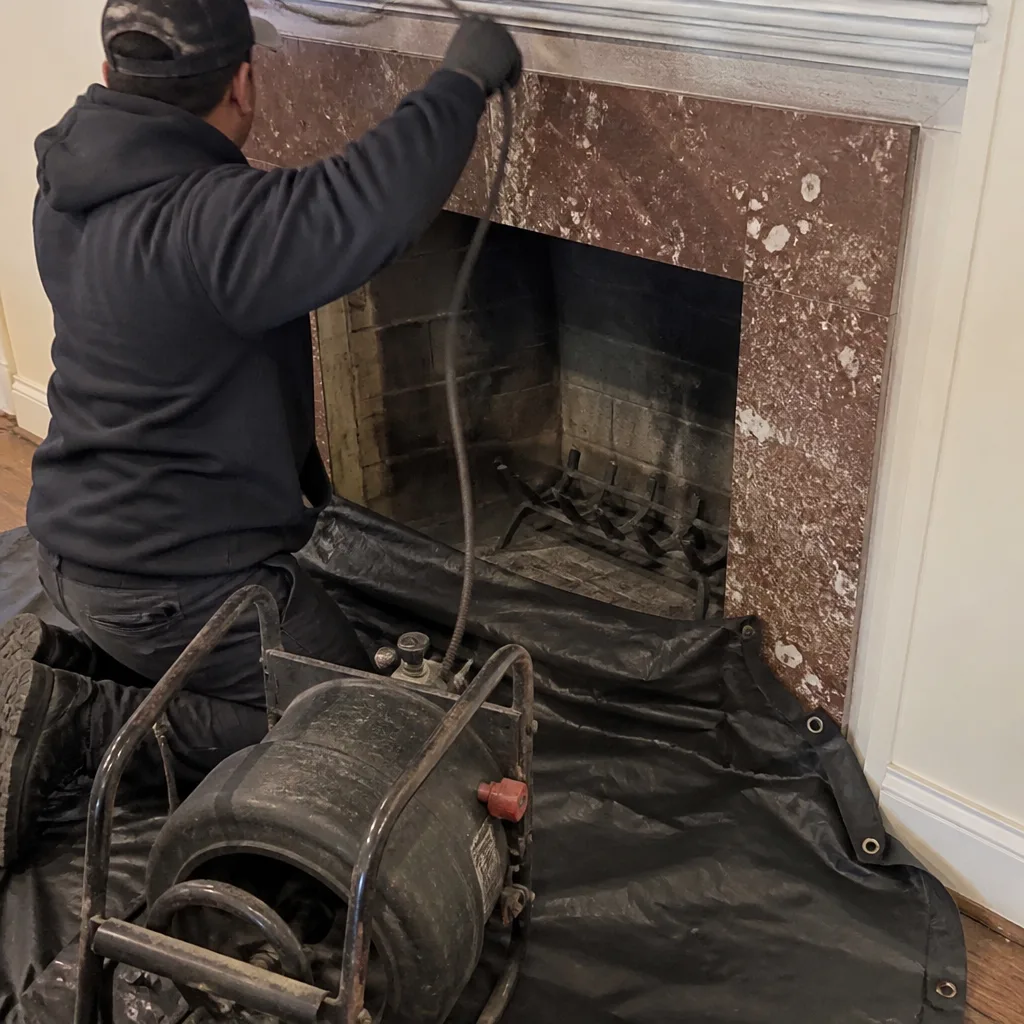 Before
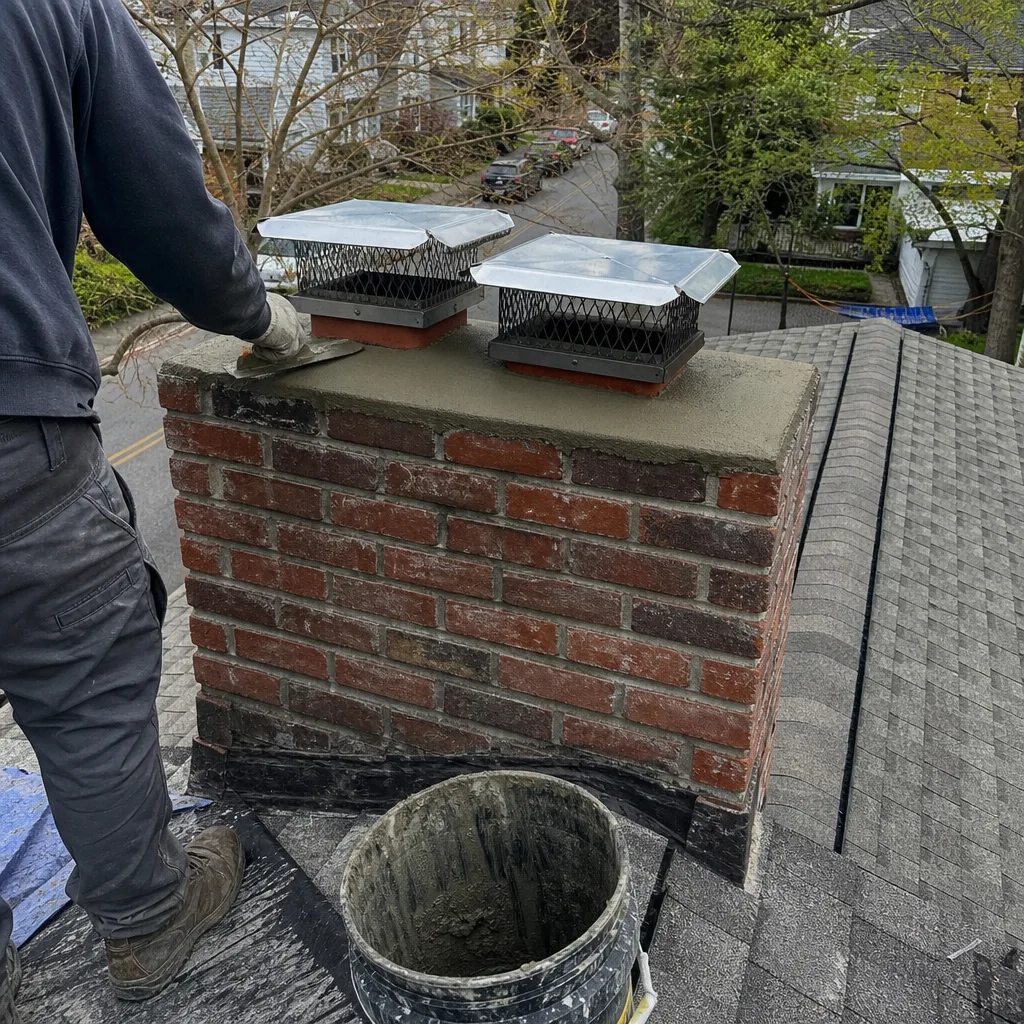 After
AfterDuraFlex Chimney Cleaning & Sweep in Flushing: What to Know First
We clean and sweep DuraFlex chimney systems throughout Flushing, NY, as an independent DuraFlex service provider. A standard DuraFlex cleaning and Level 2 camera inspection runs $229-$389 depending on flue height, creosote stage, and access. Most Flushing jobs are completed in a single visit, with the written price confirmed before we start and a photo record delivered when we finish.
If you own a home in Flushing with a DuraFlex liner, you already know the brand. What you may not know is how that specific liner behaves after years of Queens winters and wood smoke. This page covers what we find on DuraFlex systems in Flushing, what it costs to address, and what you should ask any sweep before they touch the flue. Call (516) 240-9191 to book, or keep reading if you want the full picture first.
How DuraFlex Products Fail - and How We Fix Them
DuraFlex makes a good liner. But every liner brand has failure patterns that show up under specific conditions, and Flushing’s older attached housing stock creates the exact conditions where we see them most. Corrine Halstead, owner of Level Two Chimney Flushing, has pulled enough DuraFlex sections out of Flushing flues to know what fails, when, and what it looks like on camera.
Here are the five DuraFlex failure modes we document most often in Flushing, and what we do about each:
- 315-Ti and 316-Ti seam separation at the upper flue. We see this on DuraFlex systems in Flushing attached homes where the chimney runs through an unheated attic space. The liner heats unevenly, the seams work loose over repeated hot-cold cycles, and the result is a gap that lets flue gas into the cavity. The symptom is usually a faint smoky smell in upper-floor rooms. We locate it with the camera, then resecure and seal the seam where the liner is otherwise sound.
- Flex-All SMOOTH insulation wrap degradation. DuraFlex’s Flex-All line ships with a ceramic insulation wrap. On older Flushing installs, that wrap sags, compresses, or falls away near the offset. A bare spot changes draft and condenses creosote in one area, which then builds faster than the rest of the flue. We identify the cold spot on camera, remove the accumulated creosote, and document whether the insulation needs replacing or if the liner can stay in service.
- Class III creosote glazing in low-draft Flushing flues. Flushing homes built before 1960 often have tall, narrow flues. Pair that with a DuraFlex liner installed without a block-off plate and you get a flue that never quite warms up. The creosote hardens into a glaze that a regular brush won’t dent. We use mechanical removal methods and document the before-and-after with the camera, because glaze is what a standard sweep leaves behind.
- Double-wall to single-wall adapter corrosion on DuraFlex Duraliner. Duraliner double-wall pipe gets paired with single-wall stove connectors all the time. In Flushing basements, that junction gets damp, and the adapter rusts through. Cleaning near a corroded adapter can knock it loose. We check every adapter as part of the Level 2 inspection and flag it in the report with a photo, so you see the rust before you pay for a repair.
- Flue cap-to-liner connection failure on top-mount DuraFlex caps. Flushing gets coastal wind in every season. The cap sits above the roofline and takes the brunt. Over time, the connection between cap and liner loosens, and water gets behind the liner rather than down the center of it. The first sign is usually a rust stain on the fireplace face or dampness around the firebox floor. We resecure the cap, check the liner crown area, and document the entire connection with photos.
None of these failures is usually a full-liner emergency. But every one of them gets worse with another burning season, and every one is visible on camera before it becomes an expensive repair.
Our DuraFlex Chimney Cleaning & Sweep Process
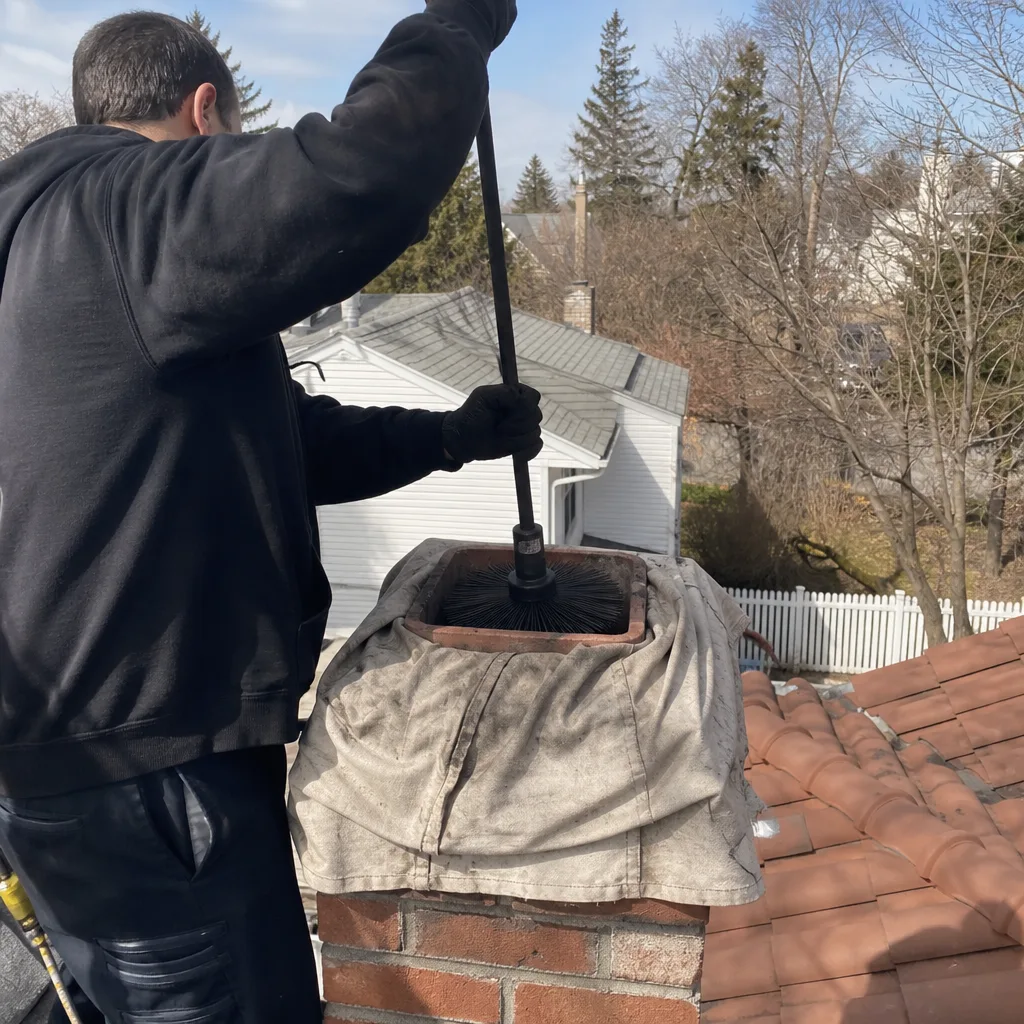
Every DuraFlex job in Flushing follows the same sequence, and it starts before we ever light a match or lift a brush. Here’s what to expect:
- 1
Call and schedule. You call (516) 240-9191, a live person answers, and we book a window that works for you. No forms. No hold music.
- 2
Level 2 camera inspection. The technician runs the camera down the full length of the DuraFlex flue before any cleaning begins. We’re looking for seam separation, insulation condition, adapter rust, cap connection, and creosote stage. You see the footage in real time.
- 3
Written price for the cleaning. Based on what the camera shows, we give you a written price for the sweep and any immediate safety issues. Nothing starts until you approve the number on paper.
- 4
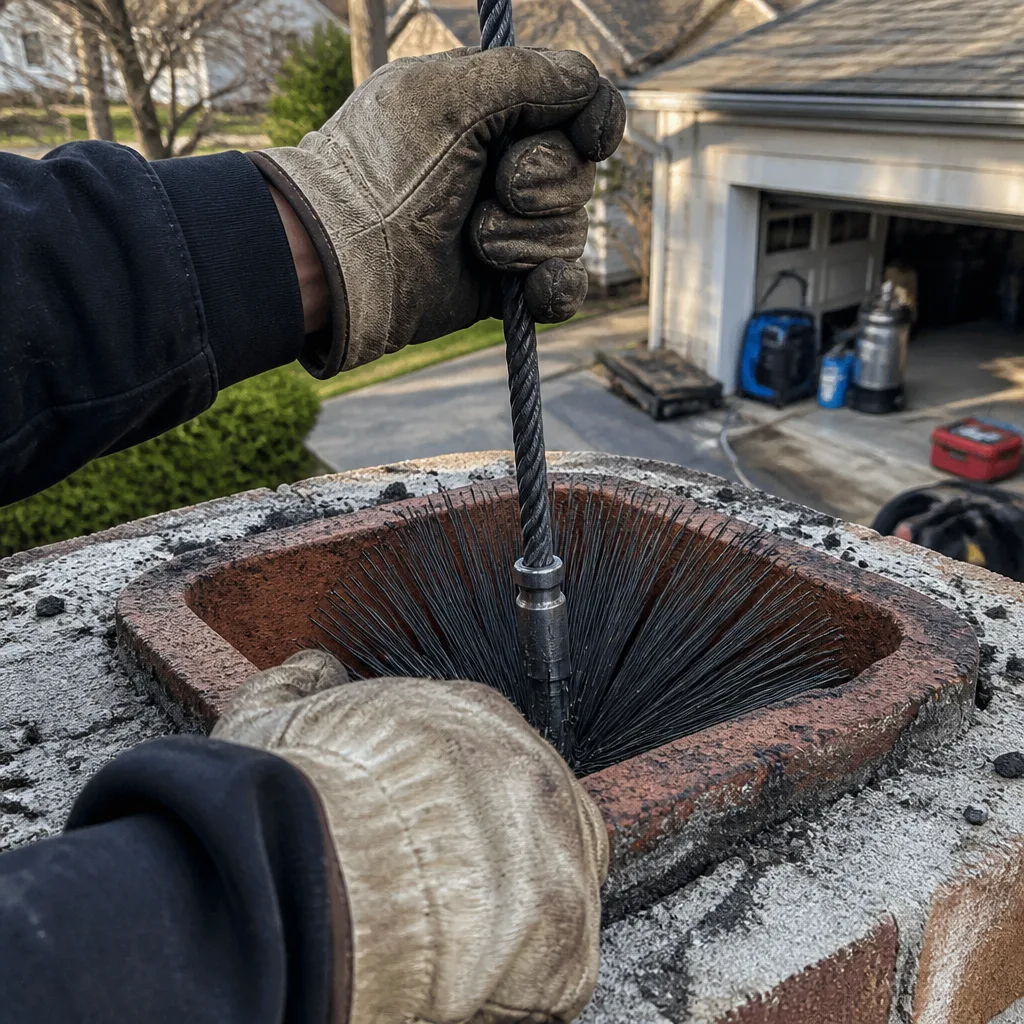
The sweep itself. We clean to the condition of the liner, not a fixed number of passes. Class I and II creosote gets rotary brushing. Class III glaze gets mechanical removal. We use methods safe for DuraFlex 315-Ti and 316-Ti so the liner surface isn’t scoured.
- 5
Post-clean camera pass. After the sweep, we run the camera again to confirm the creosote is gone and no damage happened during cleaning. This second look is standard on every DuraFlex job.
- 6
Cleanup and photo record. We leave the firebox, hearth, and surrounding floor clean. You get a written report with camera images, creosote classification, and any recommended follow-up. Clause 4 of the Haven Standard requires this photo record on every visit, and we’ve done it that way since 2009.
BeforeAfterWhat DuraFlex Chimney Cleaning & Sweep Costs in Flushing
We publish our price ranges because a written price before work starts is the entire point. Here’s what DuraFlex owners in Flushing can expect to pay:
- Standard DuraFlex cleaning with Level 2 camera inspection: $229-$319. This covers a single-flue system up to two stories with Class I or Class II creosote.
- Class III creosote removal: $319-$389. Glazed creosote requires mechanical removal and more passes. Common in older Flushing flues.
- DuraFlex liner with heavy creosote plus a minor repair (adapter replacement, seam resecure, cap reset): $389-$649. We’ll quote the repair separately on the written estimate, and you approve the total before we touch the repair.
- Full DuraFlex liner replacement: $1,900-$3,400 depending on flue height, access, and liner diameter. We recommend replacement only when the camera shows the liner is at end of life, and we’ll walk you through the footage frame by frame before we quote it.
What moves the price: flue height, roof pitch and access, creosote stage, whether the liner has internal damage from a previous sweep, and whether we’re repairing or cleaning only. You’ll never get a phone estimate without eyes on the system. Call (516) 240-9191 for a free estimate on your DuraFlex cleaning or repair.
Why Flushing Homeowners Call Level Two Chimney Flushing for DuraFlex Work
Most Flushing homeowners don’t call us because of a Google ad. They call because a neighbor had a bad experience with a sweep who quoted one number on the phone and landed on another after the brush went up. Our entire business model is built so that cannot happen.
You get a written price before work starts, every time. You get a documented photo record when the job is done, every time, under Clause 4 of the Haven Standard. And if the work isn’t done right, the 365-Day Done Right Promise means we come back and make it right. No argument. No re-inspection fee.
Our technicians are background-checked and uniformed, with their license information on the page and their name on the job. We also work across brands: if your DuraFlex liner is sound but the crown is spalling or the smoke chamber needs parging, we handle it. If you have a HeatShield or Gelco system in a multi-family Flushing building, we service those too. What we don’t do is recommend a repair the camera can’t show you. “The camera doesn’t negotiate - it just shows you what’s there.”
FAQs
No. DuraFlex’s warranty covers manufacturing defects in the liner itself, and regular cleaning by a professional sweep is expected maintenance, not a warranty violation. What does void a DuraFlex warranty is damage from improper cleaning methods: steel brushes used on the wrong liner alloy, chemical removers that sit too long, or mechanical tools that score the liner. We clean DuraFlex 315-Ti and 316-Ti with methods matched to the alloy, and we document the process in your photo report. Call (516) 240-9191 to schedule a cleaning that keeps your warranty intact.
DuraFlex is a flexible corrugated liner, and the corrugations trap creosote differently than a smooth-walled rigid liner. That means DuraFlex systems in Flushing often need slightly more attention in the ridges where creosote accumulates, but the difference isn’t dramatic. A well-installed DuraFlex liner that gets swept yearly performs fine. We adjust our brush and rod setup based on the liner condition we see on camera, so we’re not using the same setup on every home.
This depends on what the camera shows. Seam separation, a loose adapter, or a cap that’s pulled free can usually be repaired at a fraction of the cost of replacement. Liner collapse, extensive corrosion, or a tear that runs through the liner body usually means replacement, because a patched liner is a draft problem waiting to happen. We’ll show you the footage and recommend repair or replacement based on what’s actually in the flue, not what’s easier for us. Call (516) 240-9191 to get a definitive answer for your DuraFlex system.
We book most Flushing chimney cleanings within five to seven business days, and we do our best to accommodate tighter windows during the fall rush. If you’re planning to burn this season and haven’t had the flue cleaned in over a year, book early. Flushing’s older housing stock means many chimneys need more time on the first visit, and the calendar fills fast once October arrives. Call (516) 240-9191 and we’ll get you on the schedule.
It depends on how much you burn and what you burn. In a typical Flushing home with occasional winter fires, skipping one year usually results in Class II creosote buildup that we can clean in a single visit. Skip three or more years, especially with unseasoned wood, and you risk Class III glaze that takes longer and costs more to remove. The bigger risk is not knowing what happened inside the flue between cleanings. A hairline seam failure can go unnoticed for two seasons and then require a section replacement instead of a resecure. The camera inspection is the cheap insurance.
Written by Corrine Halstead, Owner, Level Two Chimney Flushing at Level Two Chimney Flushing, serving Flushing and nearby areas.