
Level 1 sweep and inspection to the NFPA 211 annual standard - flue, crown, cap, and flashing checked and photographed
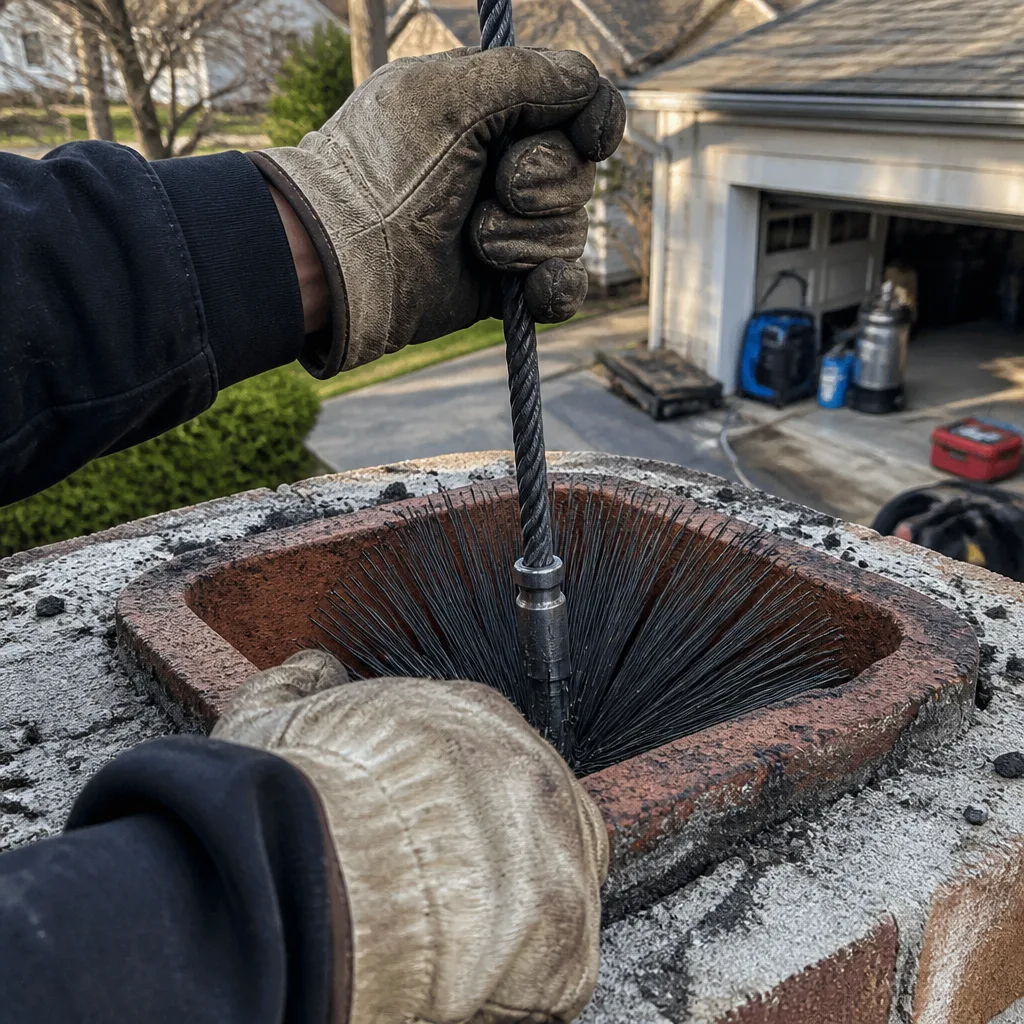
Chimney sweep logs do not sweep chimneys. They loosen some creosote - which then falls where a brush and vacuum still have to collect it.
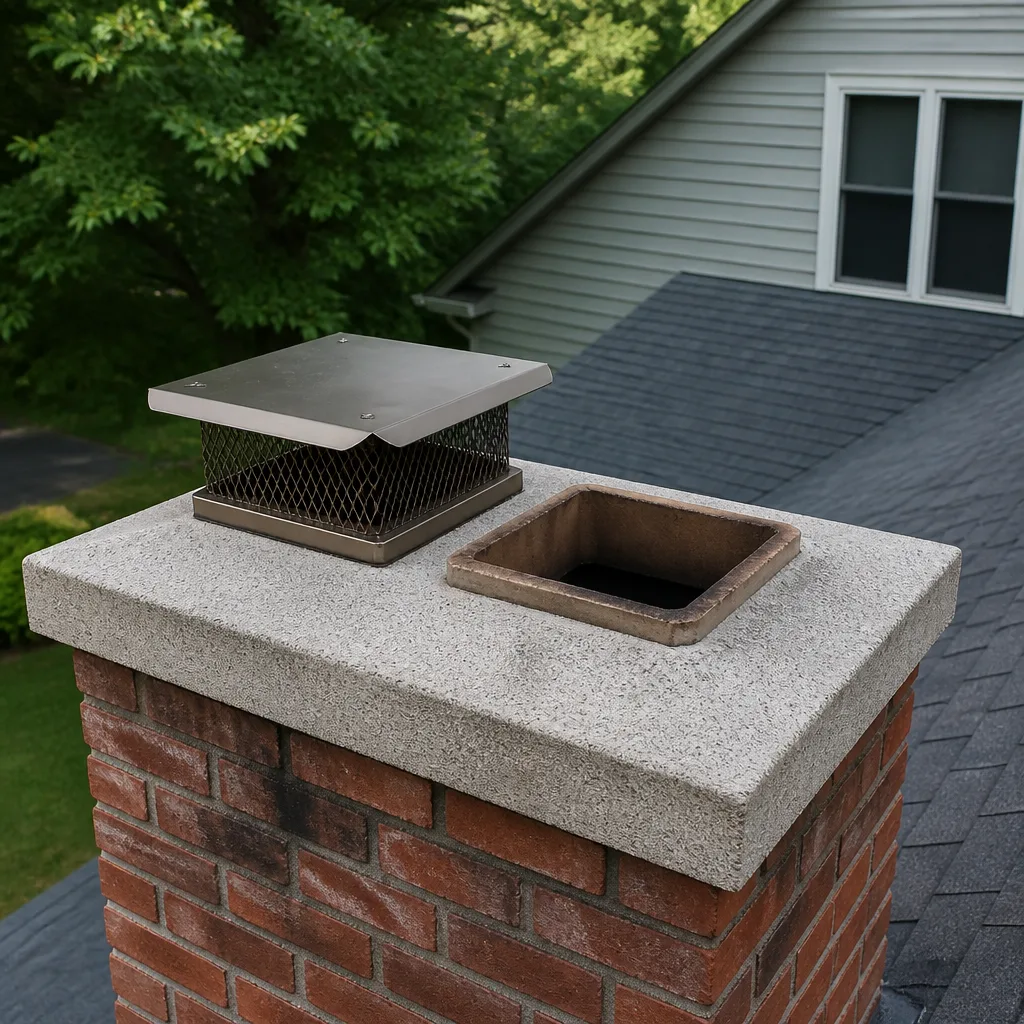
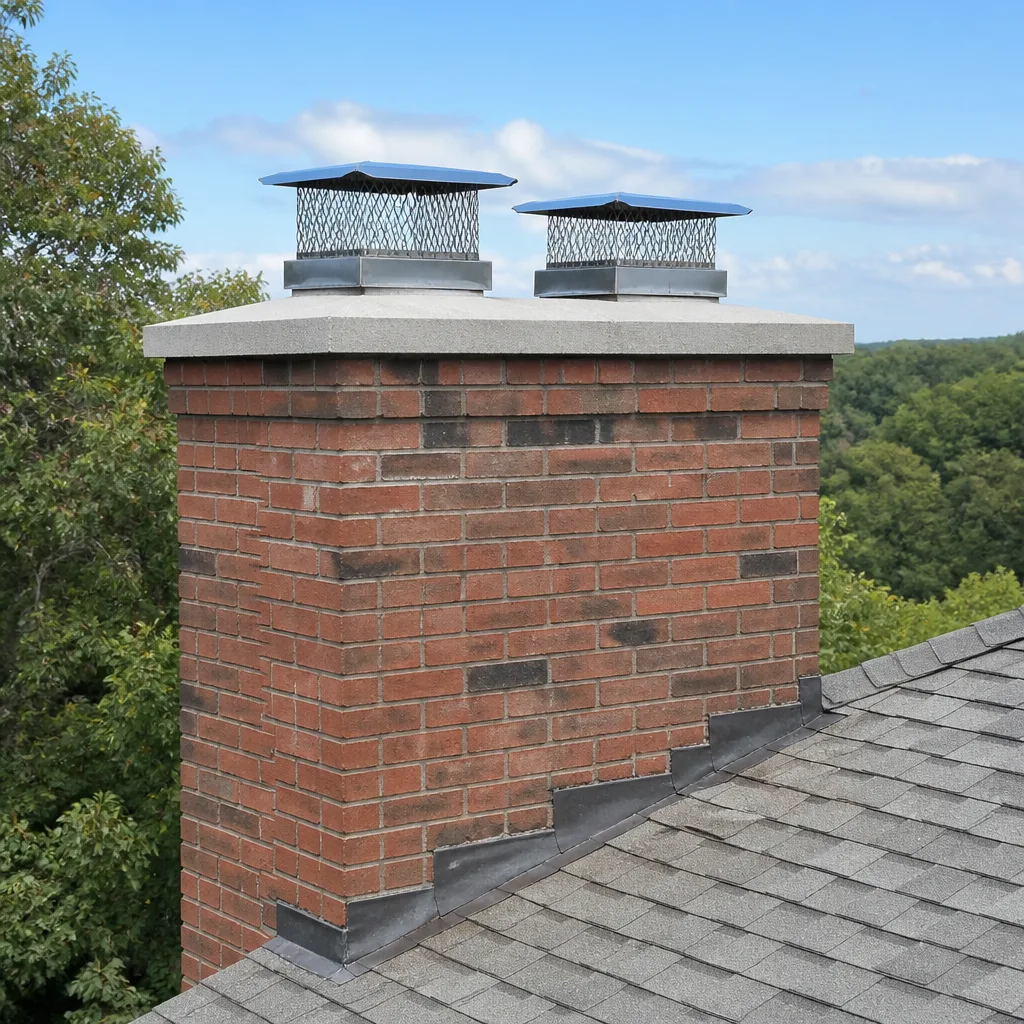
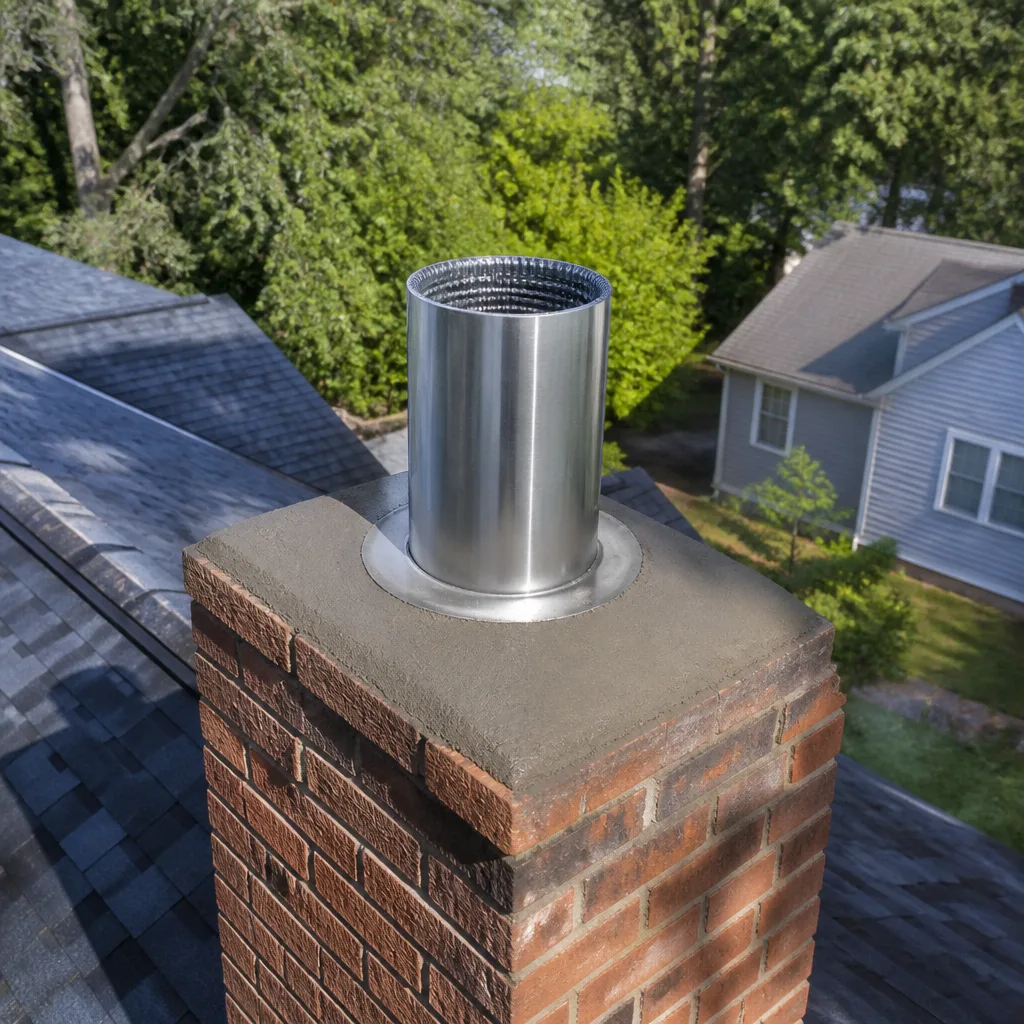
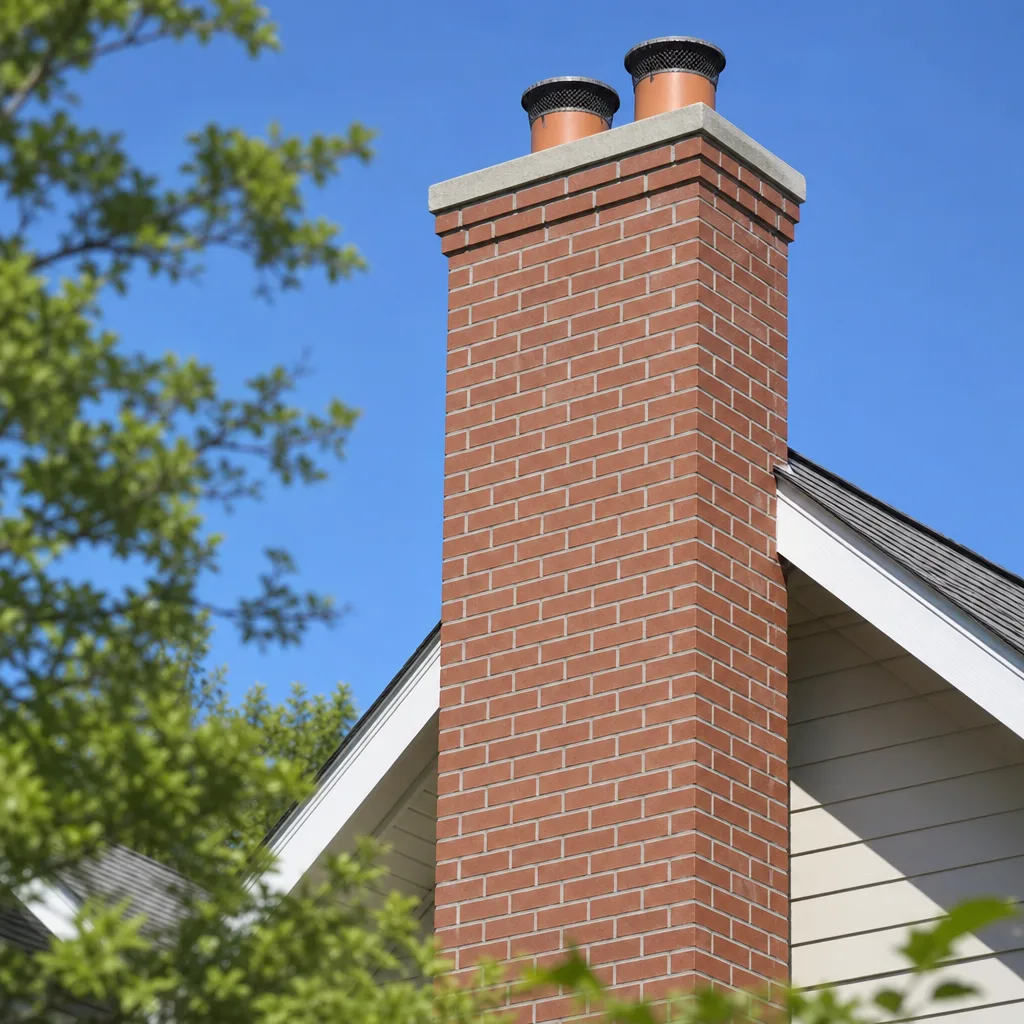
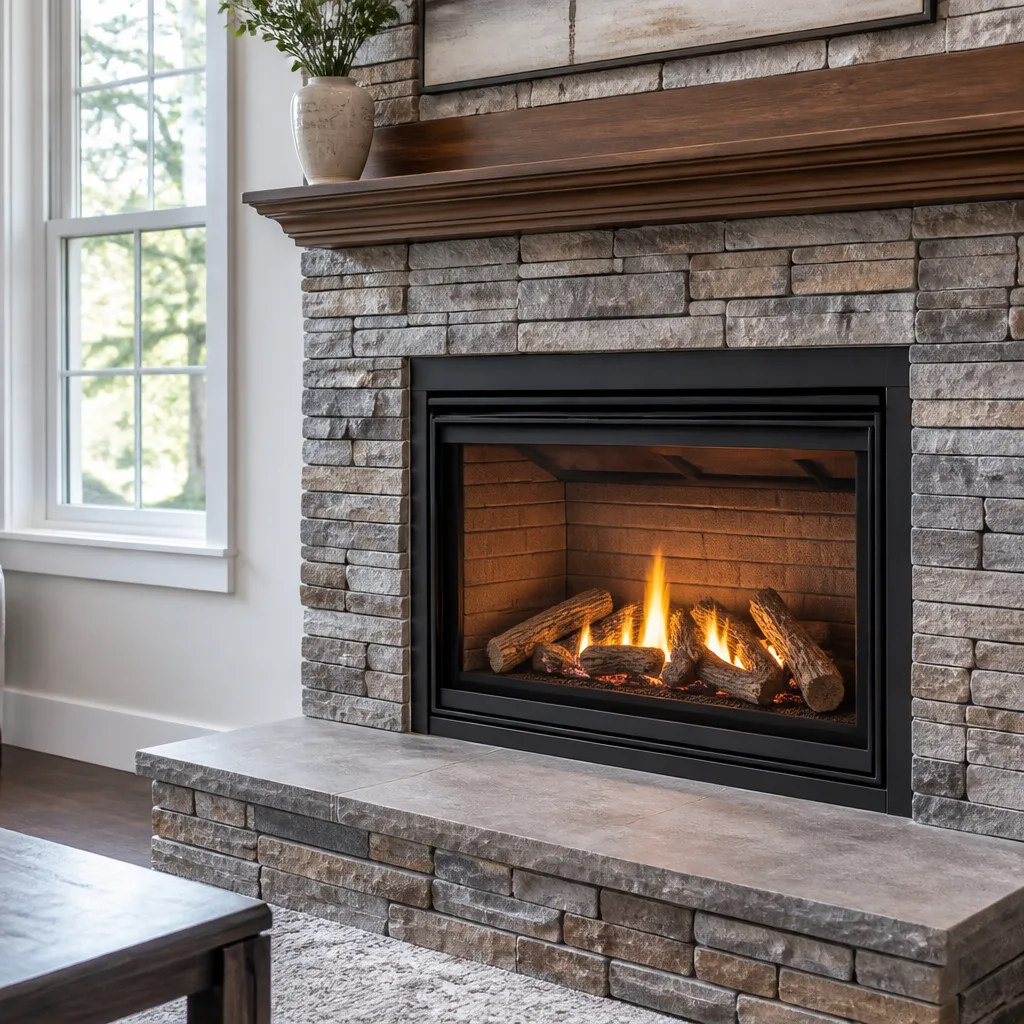
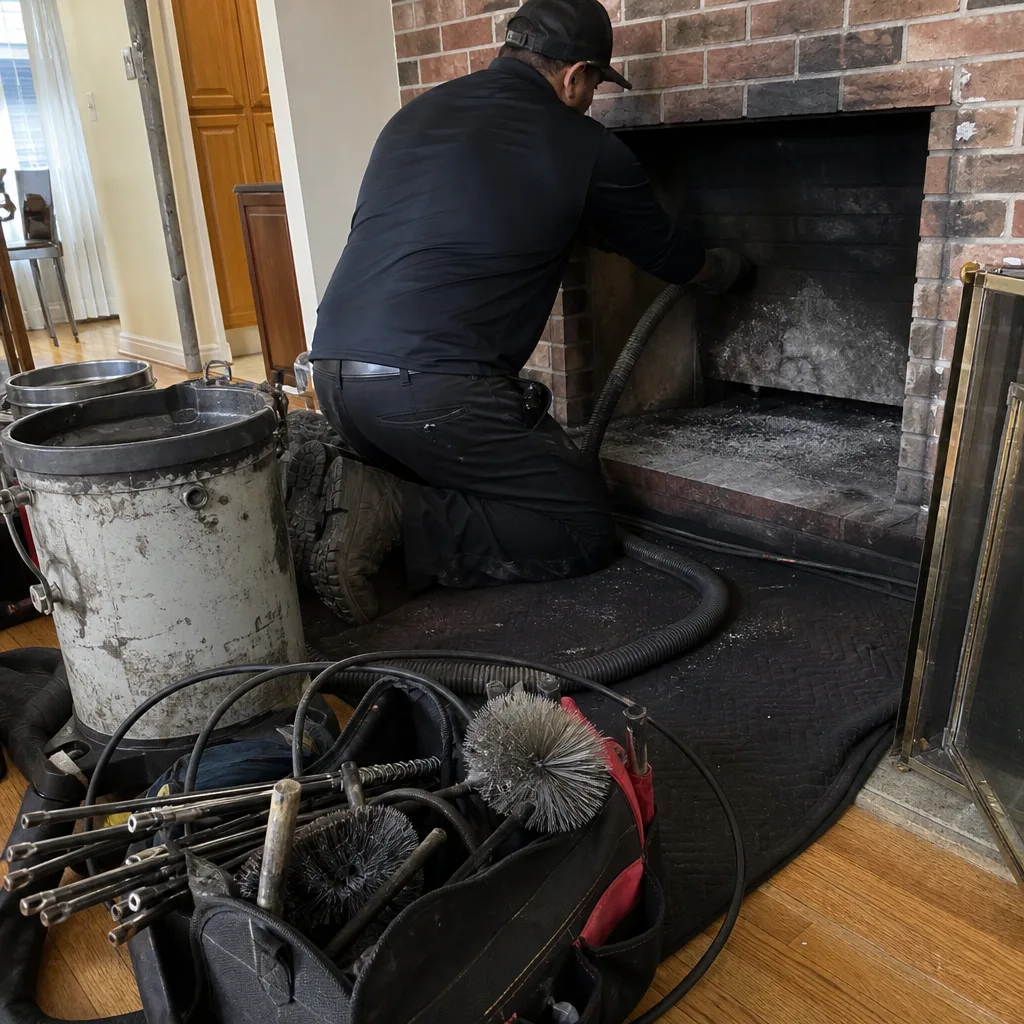 Before
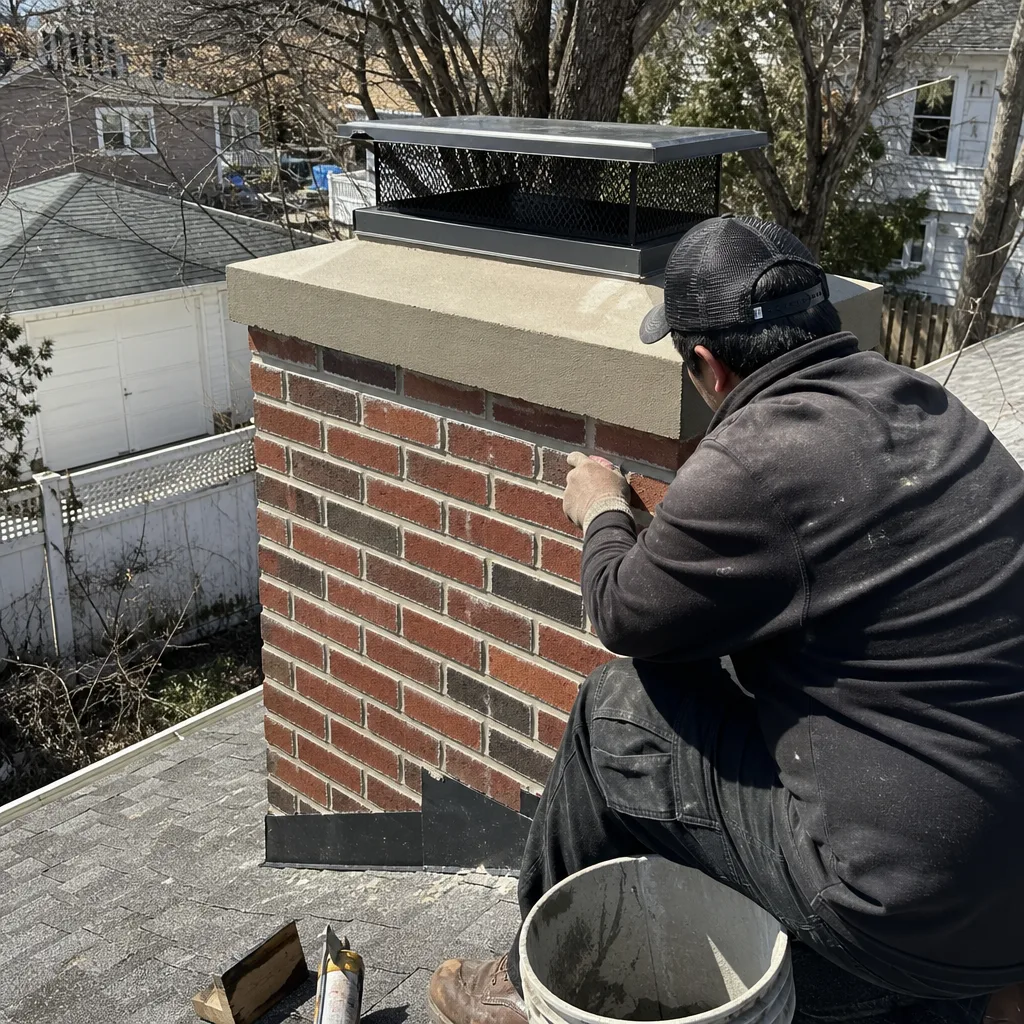 After
After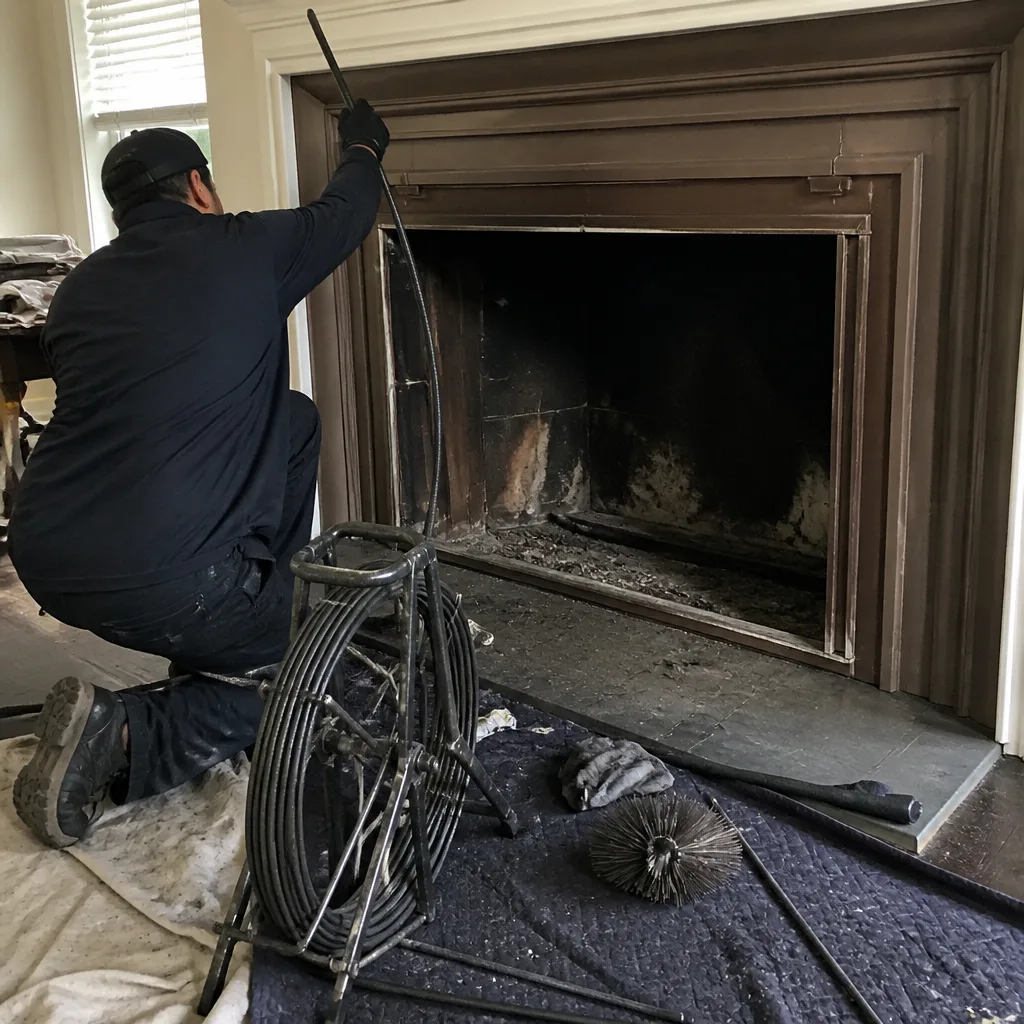 Before
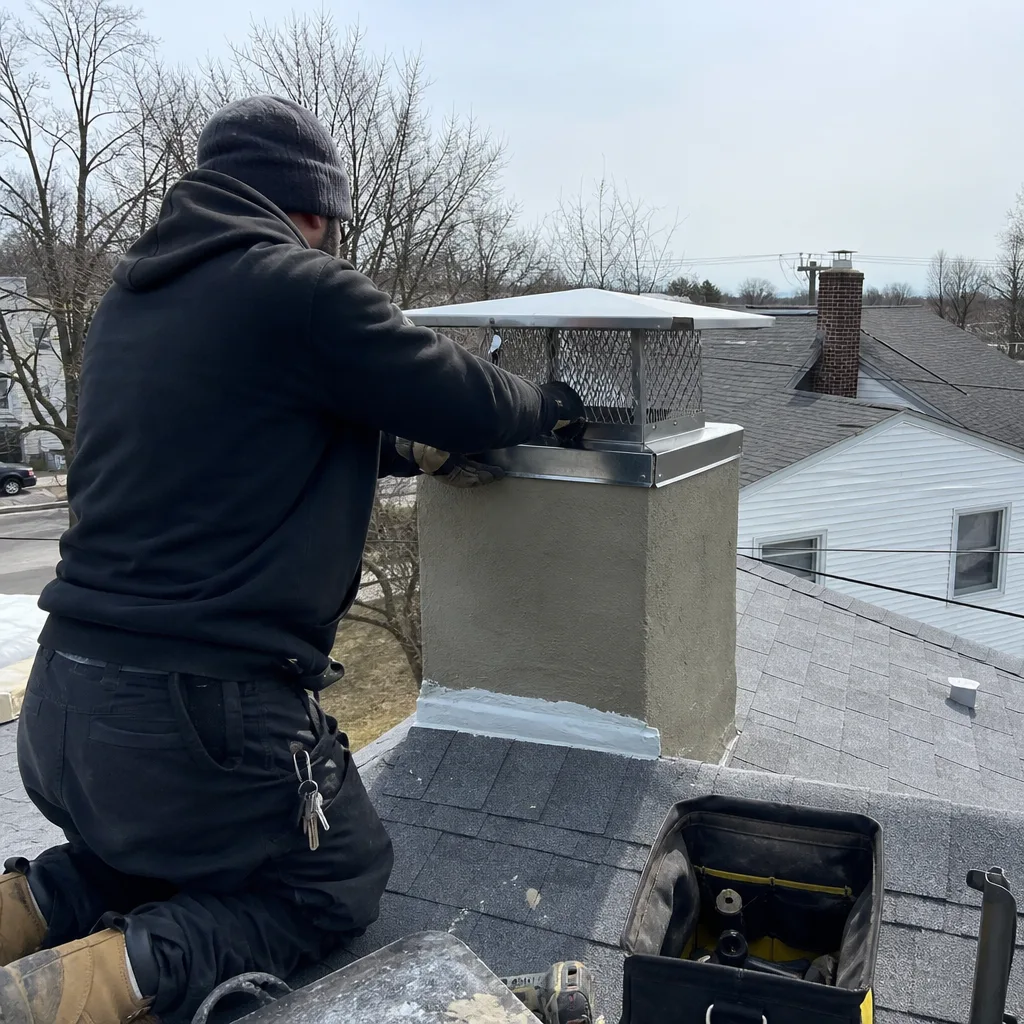 After
After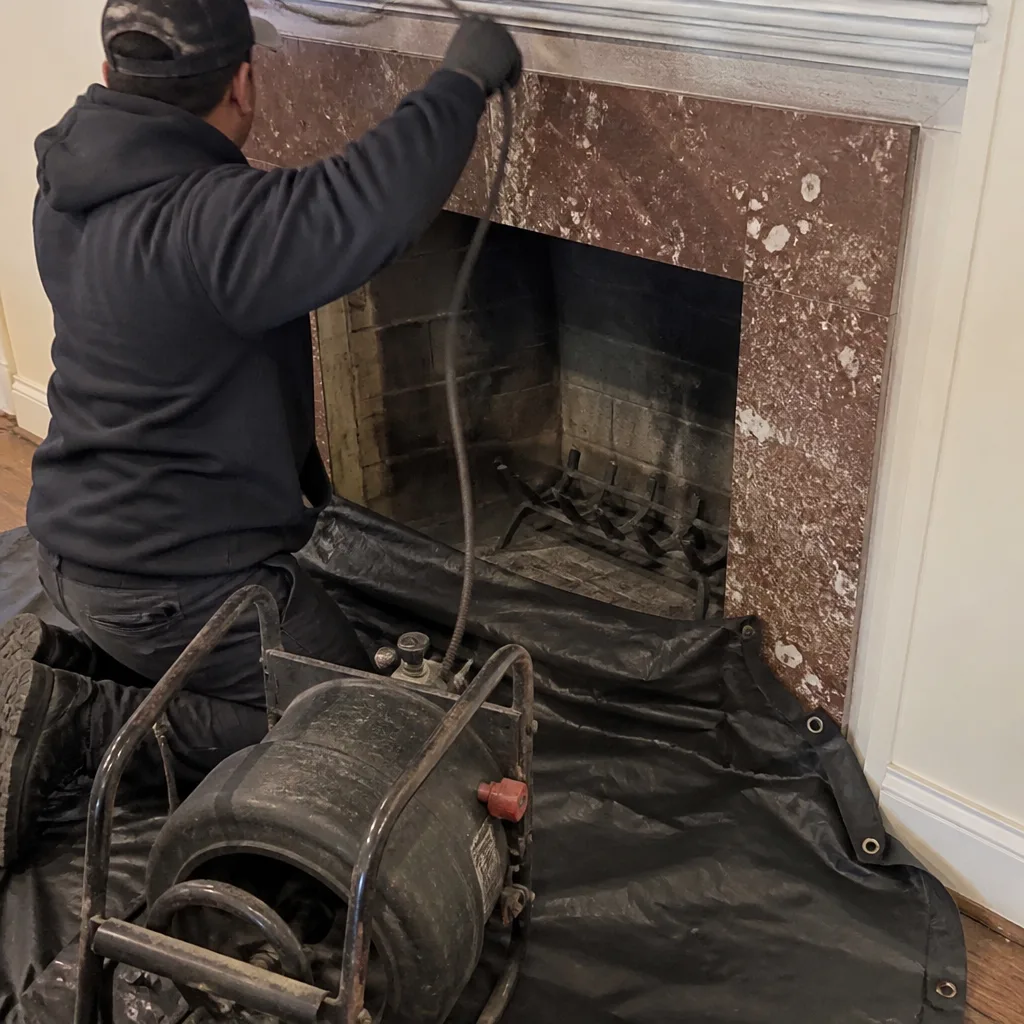 Before
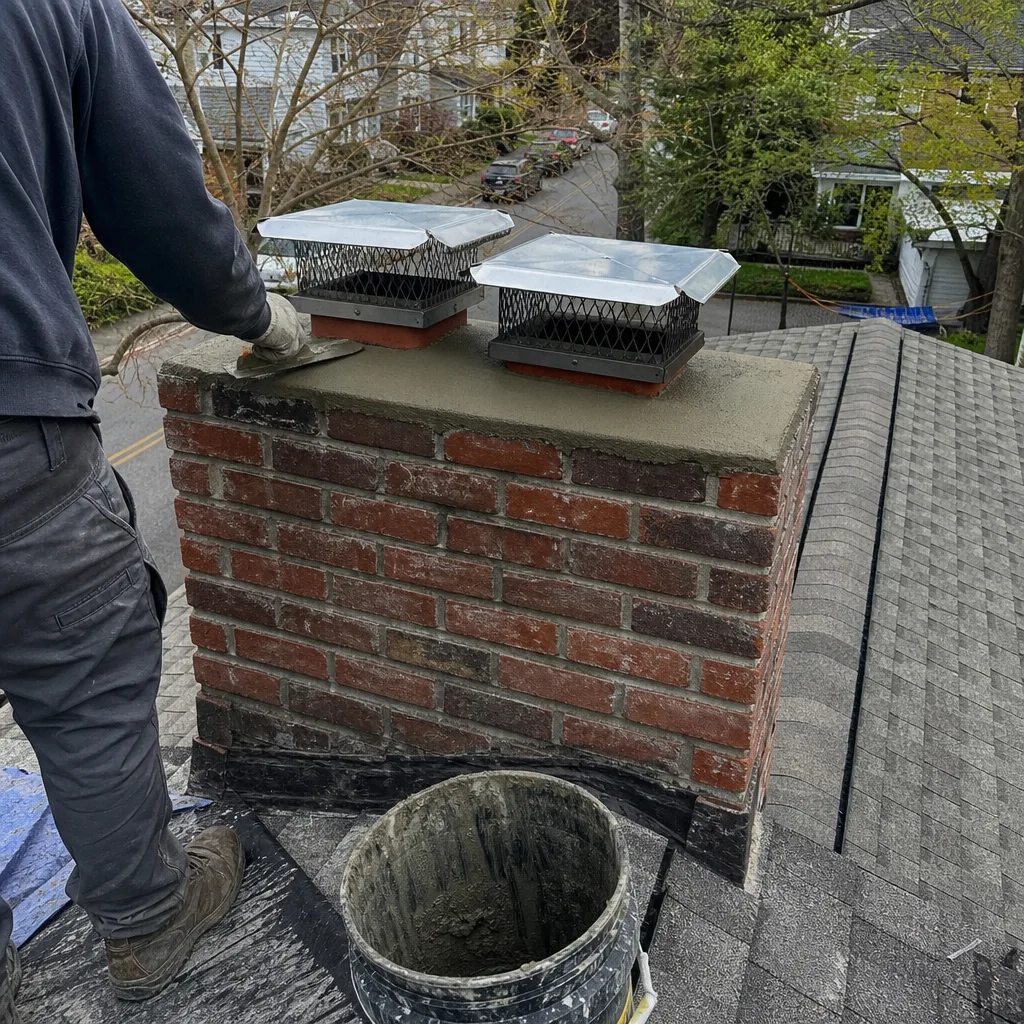 After
AfterHeatShield Chimney Liner & Rebuild in Flushing: What to Know First
HeatShield chimney liner repair and rebuild in Flushing typically runs $1,800 to $4,600 depending on whether we’re restoring a section of the existing liner or rebuilding the flue from the smoke chamber up, and most jobs take one to two days from camera inspection to final test. We’re an independent HeatShield service provider, not a factory-authorized dealer, which means we recommend the repair that fits the damage, not a warranty script. If you own a HeatShield liner and you’re seeing flaking ceramic, drafting problems, or water in the firebox, call (516) 240-9191 and we’ll put a camera down the flue before we quote anything.
This page is for Flushing homeowners who already have HeatShield in their chimney or are weighing it against a new stainless liner. Corrine Halstead and our crew have pulled failed HeatShield sections out of attached colonials near Kissena Park and walked camera footage with owners in Bowne Park, and the line keeps showing up because it was sold hard in Queens through the 2000s and early 2010s. We’ll tell you what fails, what it costs, and what we’d do if it were our chimney.
How HeatShield Products Fail - and How We Fix Them
HeatShield is a cerfractory repair system, which is a ceramic-cement compound troweled or pumped over your existing flue liner to seal cracks and rebuild lost surface. When it’s done right on a sound liner, it works. When the underlying liner keeps shifting or the original application was thin, it fails in patterns we see often enough to name. Here’s what we find in Flushing homes:
- HeatShield Cerfractory Flue Sealant delamination on terracotta joints. The original clay liner sections in pre-1960 Flushing chimneys shift with freeze-thaw cycles, and the HeatShield coating cracks along the joint lines where the clay moved beneath it. We see this on Flushing Town Hall district rowhouses constantly. The fix: remove the delaminated material, mechanically fasten a stainless liner inside if the clay is still moving, or reapply HeatShield only when the clay is stable and the failure is just surface spalling.
- Gaps at the smoke chamber transition. HeatShield’s Smoke Chamber Repair material gets pumped into the corbeled brickwork above the firebox, but if the original parging was crumbling, the new layer doesn’t bond to dust. Symptom: you hear a hollow drumming sound when you tap the chamber wall, or you get smoke rollout on cold starts. We strip back to solid masonry, re-prime, and rebuild the chamber profile before applying HeatShield, because coating over loose brick guarantees a callback.
- Pinhole rust-through on HeatShield-coated steel liners. This is the one most owners don’t expect. HeatShield markets itself as a repair for stainless liners too, but if the stainless had pitting before the coating went on, the ceramic layer can’t stop the corrosion underneath. The coating looks fine from the top, but the camera shows rust blooms pushing through. In Flushing’s humid summers and salt-tinged air, this moves faster than it does inland. Our fix: remove the section, inspect the steel, and replace with a new 316L liner if the pitting is structural. HeatShield over failing steel is a bandage, not a repair.
- Sulfation crusting in gas flues. HeatShield’s gas-flue application doesn’t play well with high-sulfur condensate in certain Flushing homes where the water heater and furnace share a flue. The acidic condensate eats the ceramic surface over a few seasons and leaves a chalky, crumbling crust. We diagnose it by reading the flue with a combustion analyzer and checking condensate pH. The fix is usually a properly sized stainless liner rated for gas condensate, not another coat of HeatShield.
- Thin application from the original installer. HeatShield’s spec calls for a minimum thickness that we rarely find in the field. When the crew that installed it was measuring by eye instead of by gauge, the coating is thin at the top of the flue where access is awkward. Symptom: the bottom half of the liner looks great, the top half looks like orange peel, and the camera catches hairline cracks up near the crown. Our repair: we measure thickness with a depth gauge, report what we found, and quote the replacement or re-coat in writing with the footage to back it up.
One other thing worth knowing as an independent HeatShield service provider: we’re not bound by a HeatShield warranty script, so if a liner is too far gone for a coat, we’ll tell you that. If it’s a clean candidate for HeatShield, we’ll tell you that too. We’ll also tell you when a DuraFlex stainless liner or a Gelco re-coat is the better spend. Our loyalty is to the chimney, not to the brand brochure.
Our HeatShield Chimney Liner & Rebuild Process
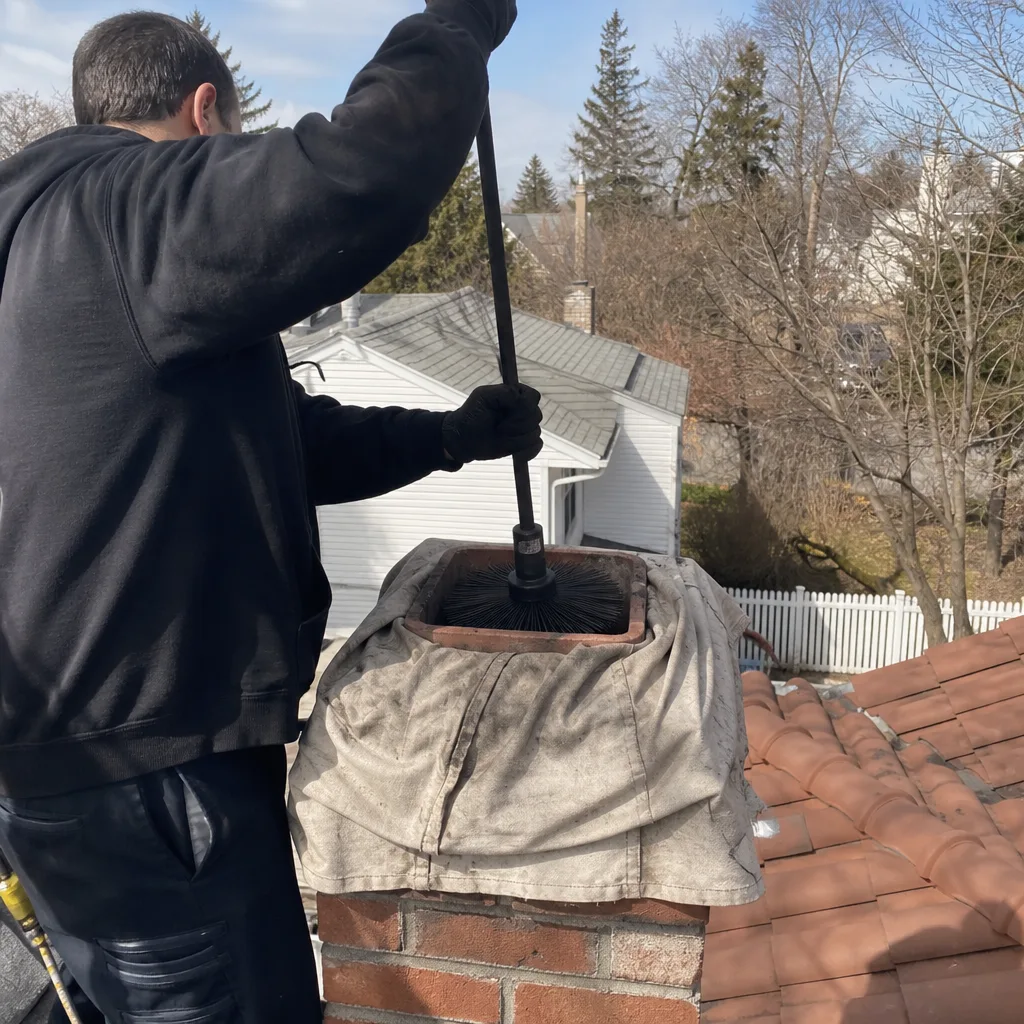
- 1
We answer the phone. A live person takes your call at (516) 240-9191, asks what you’re seeing, and books a camera inspection. No web-form ping-pong.
- 2
Camera down the flue. NFPA 211 Level 2 inspection, recorded from top to bottom. We photograph the HeatShield surface, measure thickness where access allows, and document every crack, gap, and joint. Corrine Halstead writes the notes by hand as the camera runs.
- 3
We show you the footage before we talk numbers. Clause 4 of the Haven Standard requires a photo record on every job, and we show you the raw feed. The camera doesn’t negotiate, it just shows you what’s there.
- 4
Written scope, written price, written warranty. We name the exact repair, the materials, and the dollar figure in writing before anyone touches a trowel. This is Haven Standard Clause 1, and it’s not optional for us.
- 5
The work. For HeatShield re-coats, we strip, prep, and re-apply to spec, then verify thickness with a gauge. For replacements, we pull the old liner and install new DuraFlex stainless or rebuild sections from the smoke chamber up. We keep the job site clean and treat your home like it’s a Flushing rowhouse with a family in it, because it usually is.
- 6
Test and document. We run a draft test or combustion check, shoot the finished flue on camera, and hand you the full photo record before we leave. If it’s not right, we make it right. That’s the 365-Day Done Right Promise, stamped on the paperwork.
BeforeAfterWhat HeatShield Chimney Liner & Rebuild Costs in Flushing
Here are the numbers we quote most often on HeatShield work in Queens, with the caveat that every flue is different and the camera sets the price, not a menu:
| Job | Typical Flushing Range | What Moves the Price |
|---|---|---|
| HeatShield re-coat, single flue, good access | $1,800 - $2,400 | Flue height, roof access, prep time |
| HeatShield smoke chamber rebuild | $1,200 - $2,200 | Chamber size, how much brick needs stripping |
| Full HeatShield removal + stainless liner install | $3,200 - $5,600 | Roofline height, if the old liner binds, existing crown condition |
| HeatShield spot repair (isolated section) | $900 - $1,500 | Access, if scaffolding is needed |
Roof pitch and chimney height push Flushing quotes up faster than anything else. A 40-foot flue on a steep slate roof near Linden Hill is a different job than a 22-foot chimney on a flat-roof attached brick home off Northern Boulevard. We give you one written number before work starts, not an estimate that grows. Call (516) 240-9191, and we’ll camera the flue, hand you the footage, and quote it in writing. Estimates are free.
Why Flushing Homeowners Call Level Two Chimney Flushing for HeatShield Work
We’ve been running cameras down Queens flues since 2009, and we’ve inspected more than 38,000 chimneys, every one with a written price before work started and a documented photo record when it was done. What that means for a HeatShield owner is simple: we’ll show you exactly what’s failing before we ask you to spend a dollar, and we’ll stand behind the repair for a full year under the 365-Day Done Right Promise. If we can’t do the job right, we won’t sell it. We also carry the full alternative lineup, DuraFlex stainless liners, Gelco cerfractory products, Olympia caps, and Famco parts, so the recommendation you get from us is based on the damage we see in the camera, not on what we happen to have on the truck. We’re independently owned and operated, not a franchise script, and Corrine Halstead sets the standard on every HeatShield job personally. Background-checked, uniformed techs, a named technician on your job, and a text when they’re on the way. A live person answers our phone 24/7. If you’re in Flushing with a failing HeatShield liner, you don’t have to guess. Bring us a competitor’s written quote and we’ll give you a free second opinion.
FAQs
HeatShield warranties are manufacturer warranties tied to the original installing contractor; most of the policies we see in Flushing are 10-year material warranties that do not cover labor, removal, or damage from shifting flue tiles or water intrusion. We document the failure on camera, write you a report in plain English, and tell you honestly whether a warranty claim is worth pursuing before we quote a repair. As an independent HeatShield service provider, we won’t file the claim for you, but we’ll give you the evidence to file it yourself.
It depends on what the camera shows. If the HeatShield is cracked along a clay joint that hasn’t moved, a spot re-coat often fixes it. If the coating has delaminated over large areas or the underlying liner is shifting, re-coating is throwing good money after bad, and the right call is a stainless liner or a partial rebuild. We only know after the camera runs, which is why we don’t quote HeatShield repairs over the phone. Call (516) 240-9191 and we’ll show you the footage before we name a price.
When it’s applied to a sound, stable liner at the correct thickness, HeatShield can last 15 to 20 years. On a shifting clay liner in a Flushing rowhouse with freeze-thaw cycles and roof runoff, the same coating can fail in 3 to 5 years. The variable isn’t the material; it’s the chimney it’s applied to. That’s why our first step is always measuring the existing liner’s condition, not selling a re-coat.
We install, repair, and replace HeatShield, and we also install DuraFlex stainless liners and Gelco cerfractory products when a different material is the better fix. We’re not obligated to push one manufacturer, so the repair recommendation you get from us is based on the condition of your flue and what will actually hold up in this climate. For an exact quote, call (516) 240-9191 and we’ll camera the flue, hand you the footage, and price it in writing free of charge.
A typical HeatShield repair or re-coat in Flushing is done within one to two days of the written approval, not counting weather holds on roof access. Diagnostic camera inspection happens on the first visit, the written quote comes the same day, and the repair is scheduled once you approve it. We know a failing liner is a fire-safety and carbon-monoxide risk, and we don’t make owners wait a season for the fix. Call (516) 240-9191 and we’ll get you on the schedule.
Written by Corrine Halstead, Owner, Level Two Chimney Flushing at Level Two Chimney Flushing, serving Flushing and nearby areas.