
Level 1 sweep and inspection to the NFPA 211 annual standard - flue, crown, cap, and flashing checked and photographed
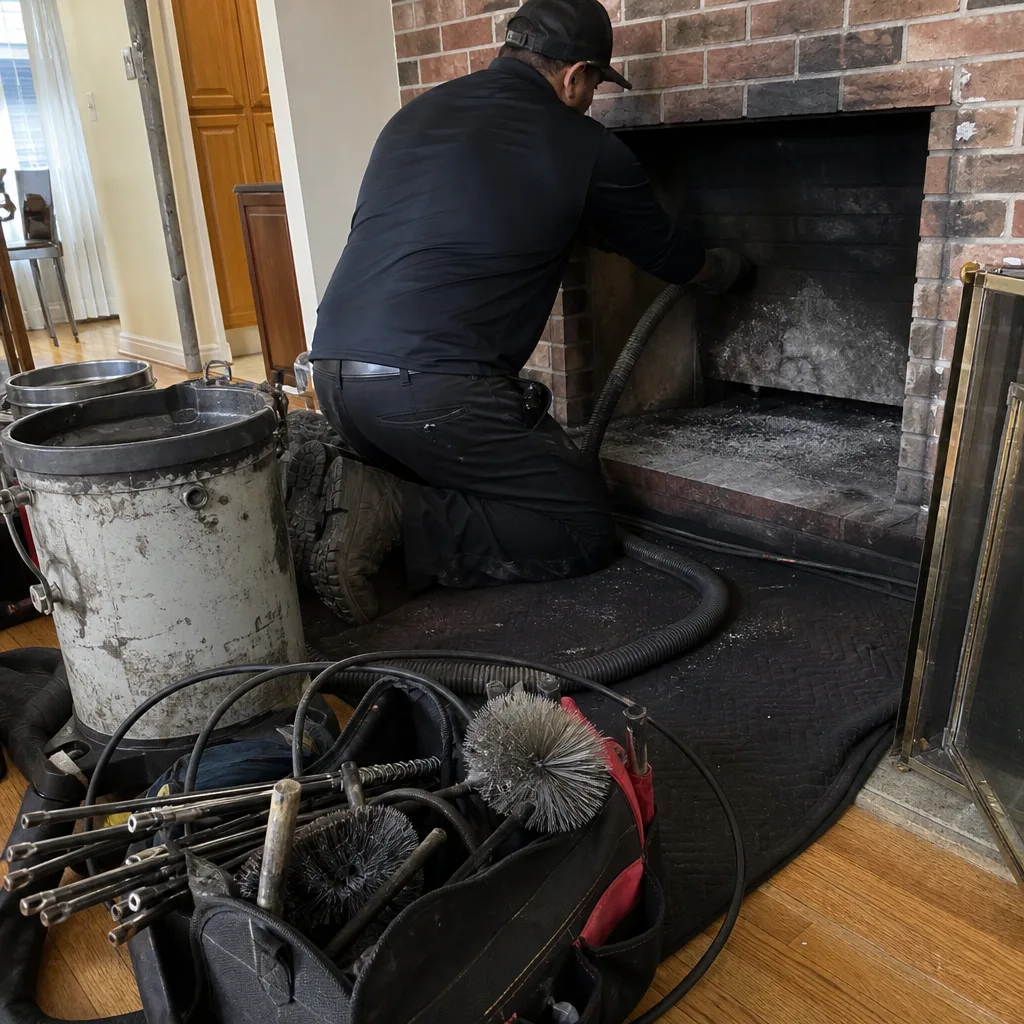
Chimney sweep logs do not sweep chimneys. They loosen some creosote - which then falls where a brush and vacuum still have to collect it.
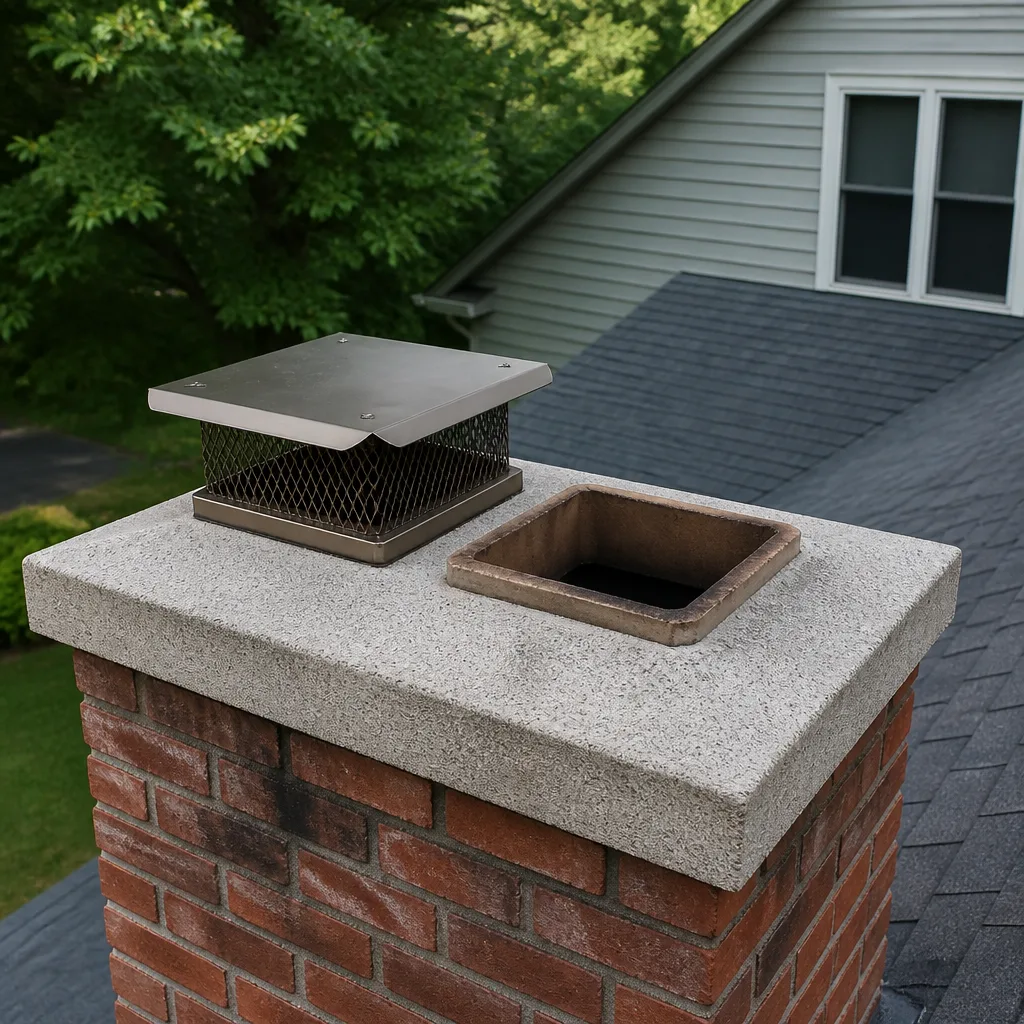
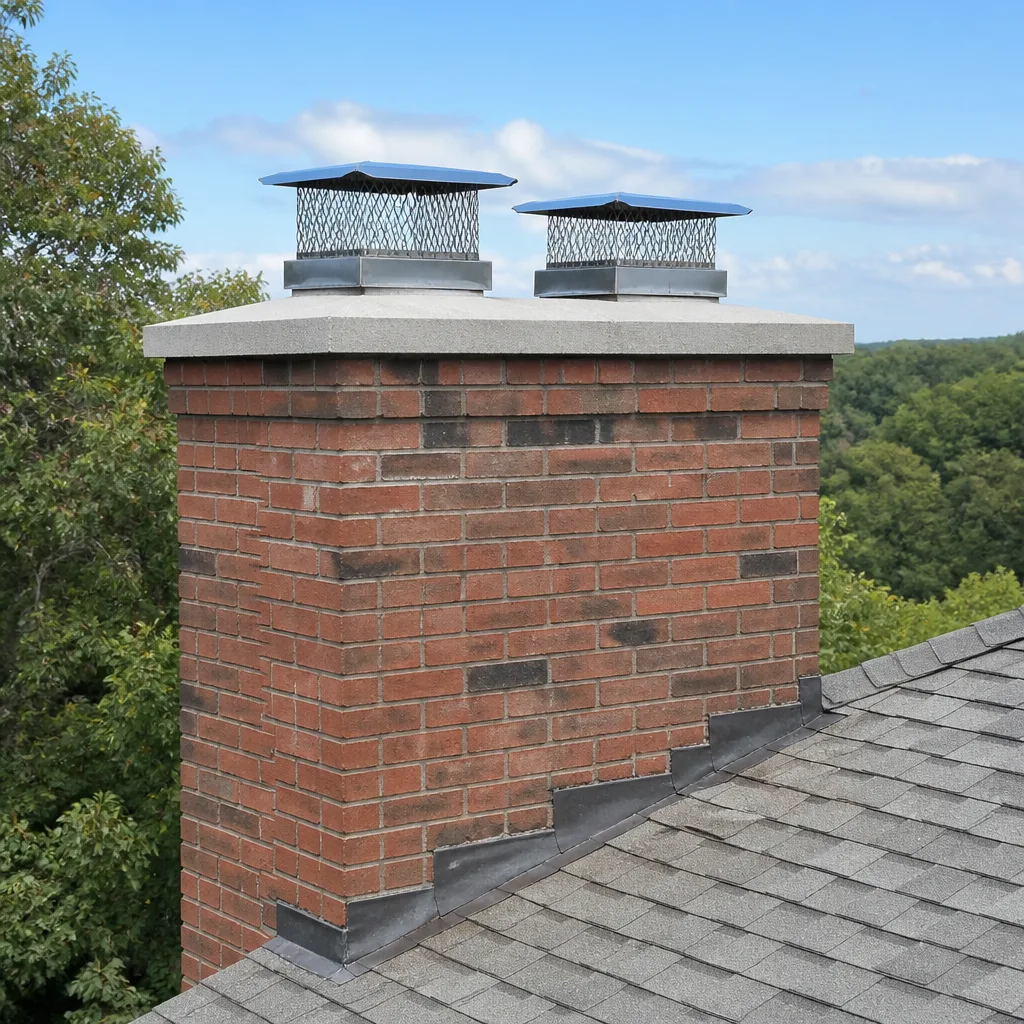
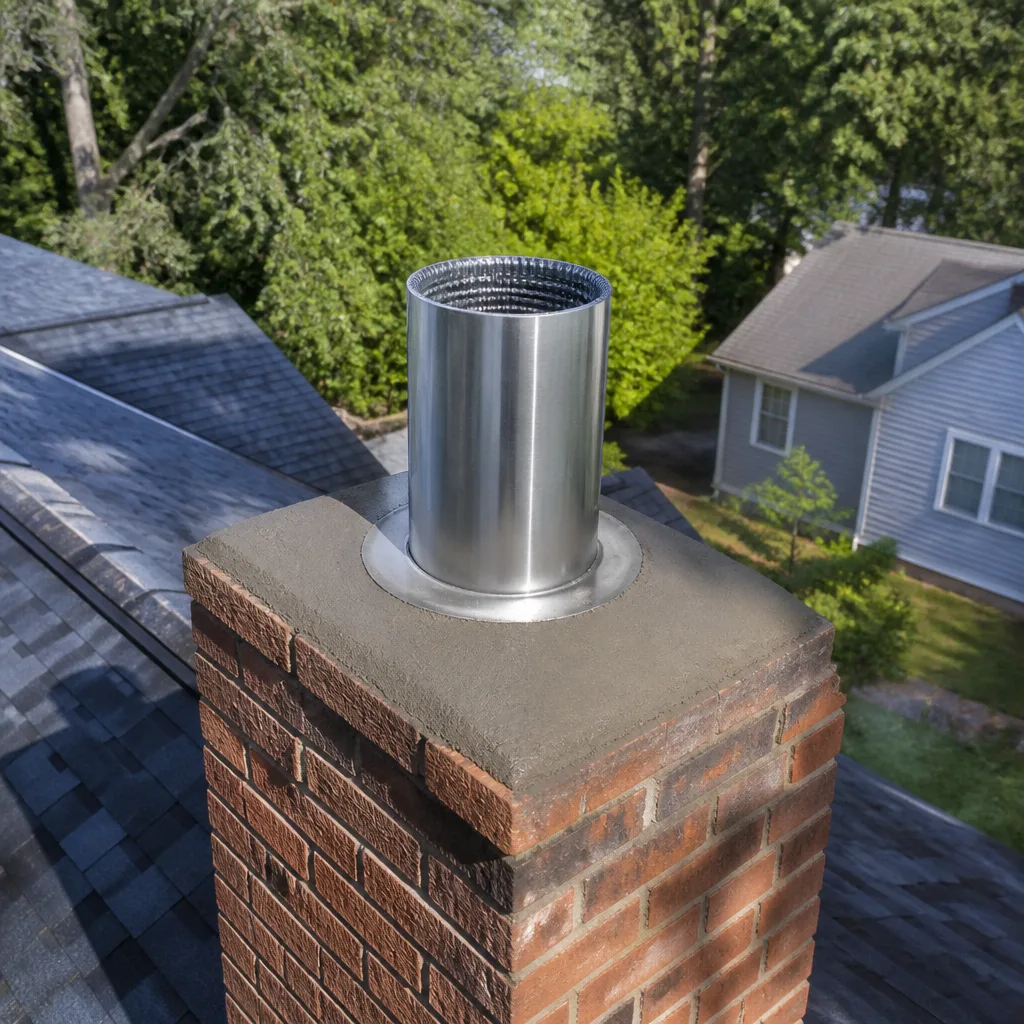
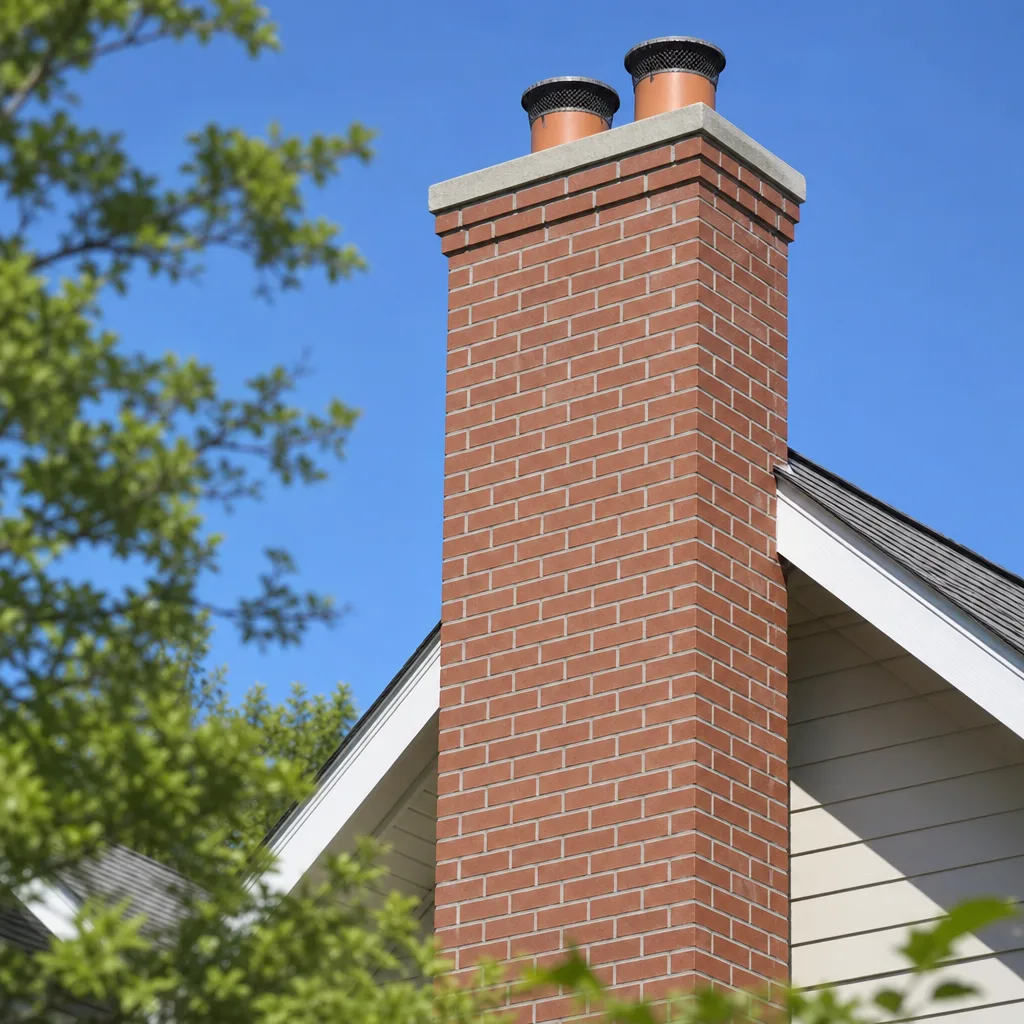
 Before
 After
After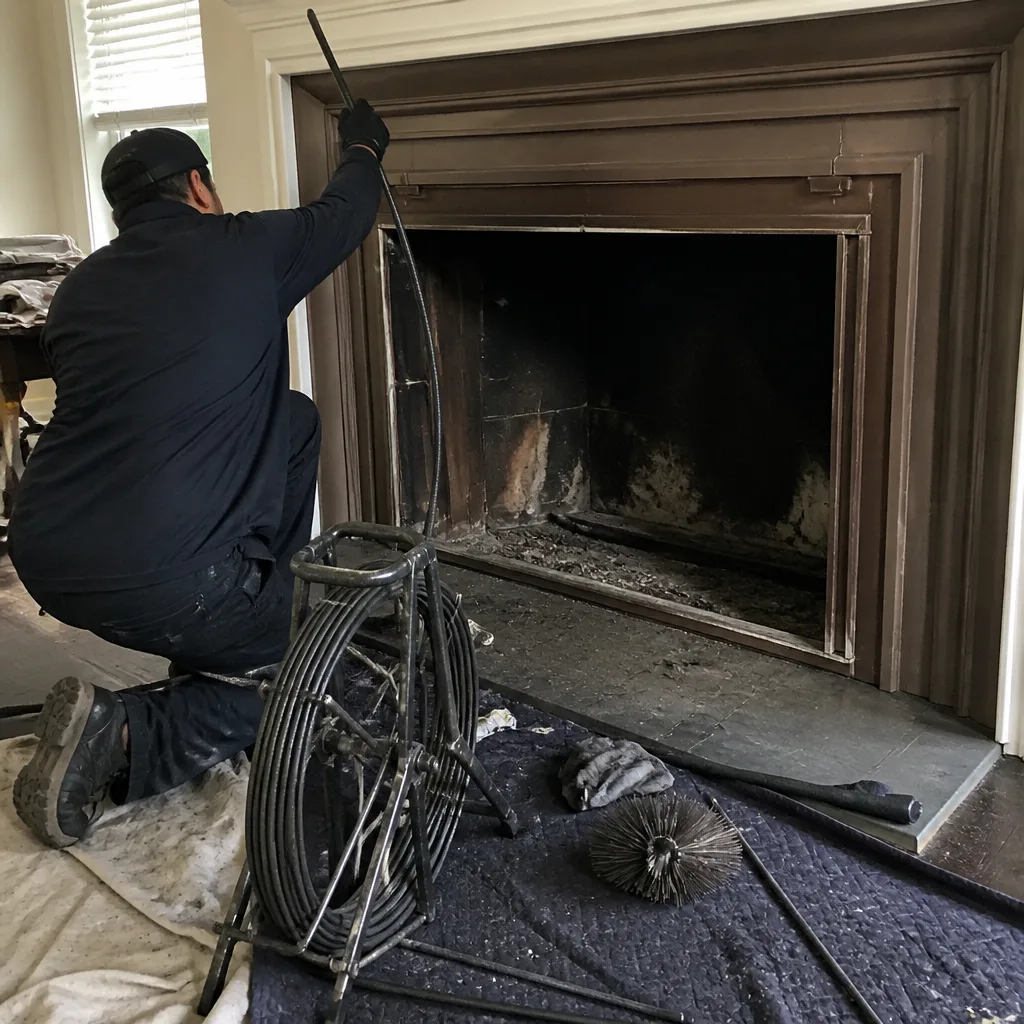 Before
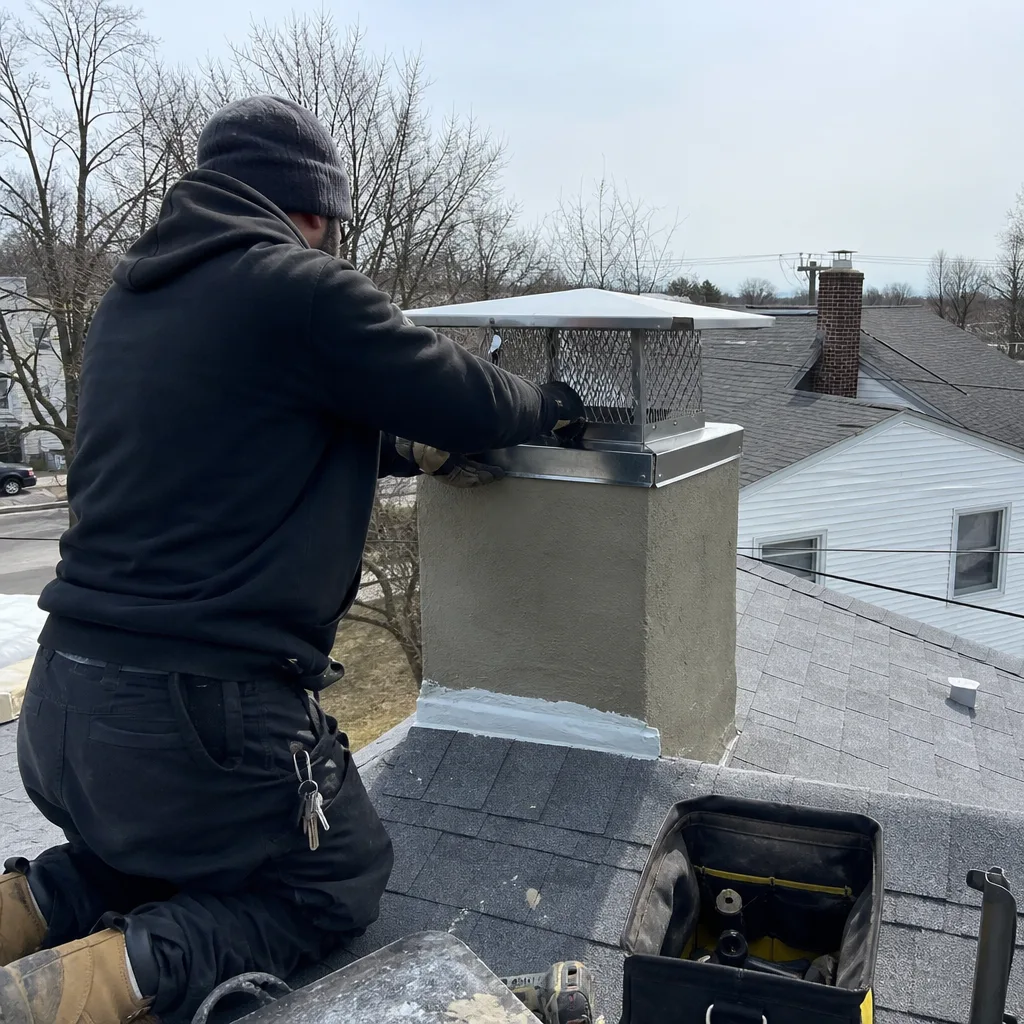 After
After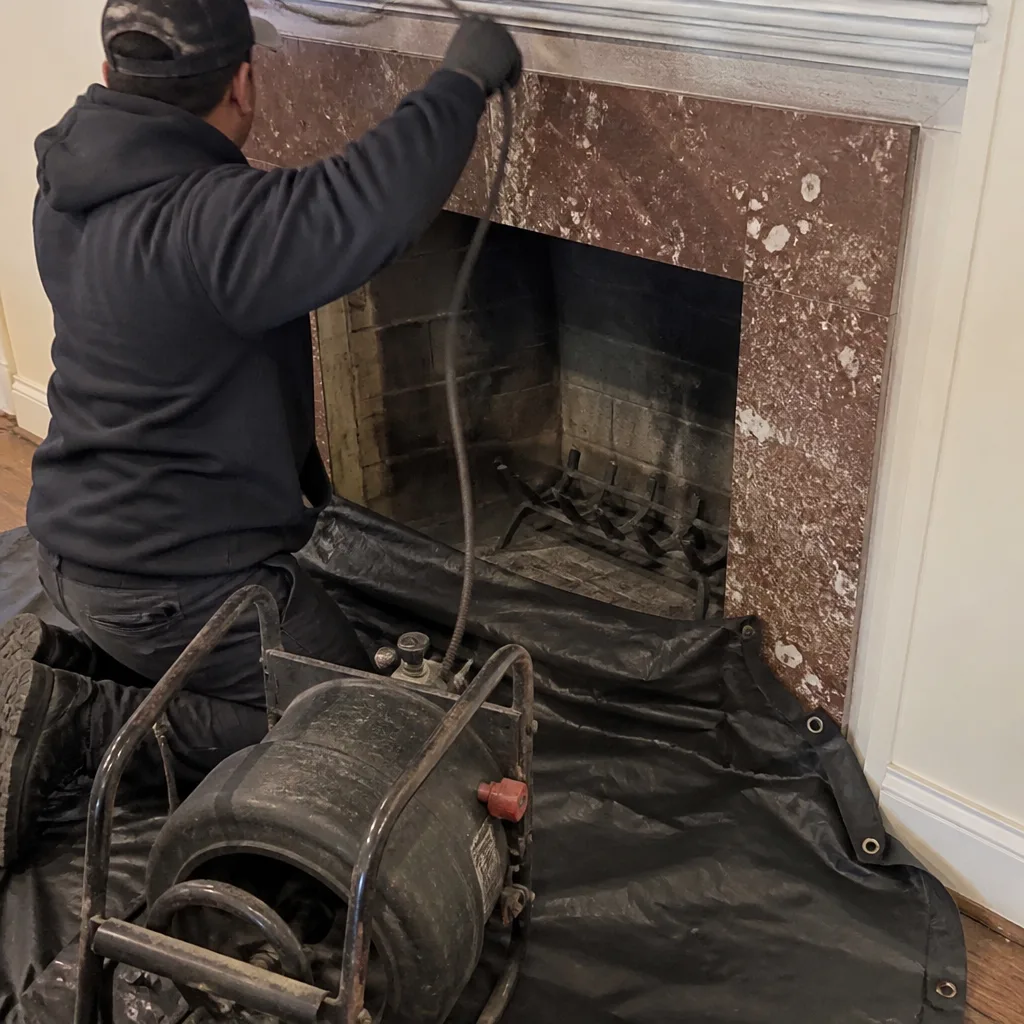 Before
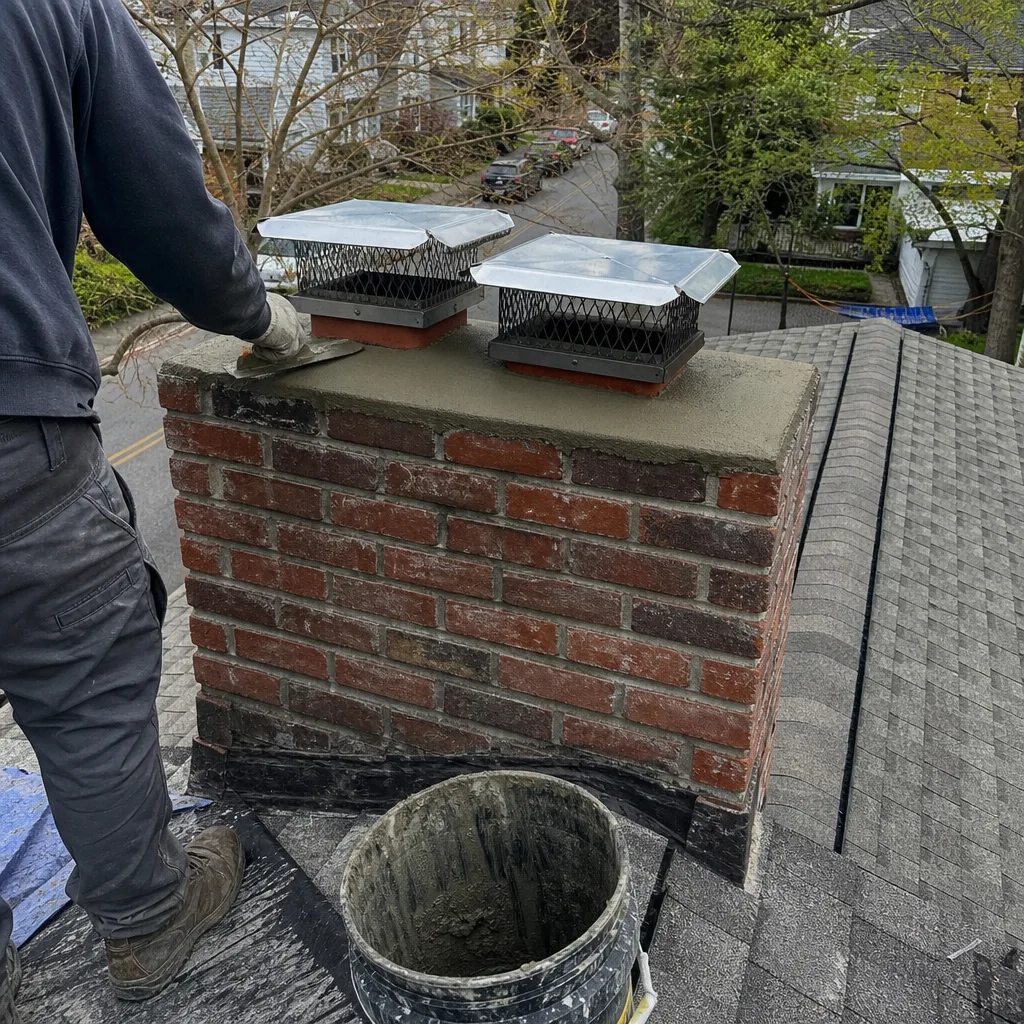 After
AfterCopperfield Crown Repair: The Flushing Owner’s Guide
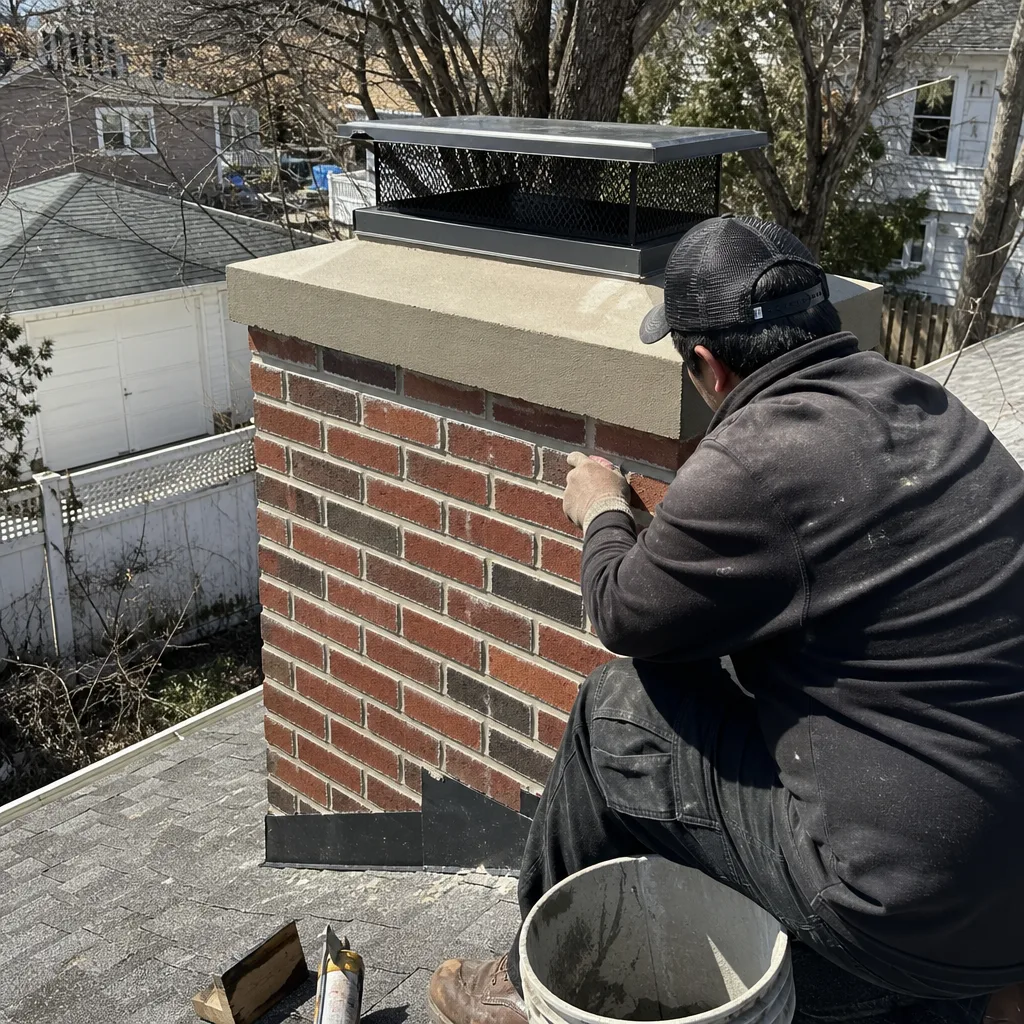
We stock and install Copperfield-compatible chimney crowns in Flushing, with most crown repairs running $850-$2,400 installed depending on crown size, access, and whether the underlying mortar bed needs rebuilding. We keep the most common Copperfield crown profiles on our trucks, so a technician can usually complete the work in a single visit once we’ve measured and confirmed the fit. Most Flushing homeowners discover the problem the same way: they spot crumbling mortar or a cracked concrete cap from the street, or they notice water staining on the ceiling near the chimney after a heavy rain. Sometimes it’s a roof inspection that flags it first. By the time you’re seeing interior water damage, the crown has likely been failing for a season or two.
Corrine Halstead has pulled enough failed crowns off Flushing chimneys to know one thing: the crown is the cheapest part of the chimney to fix and the most expensive one to ignore. A cracked copper crown lets water into the brick and mortar below it, and freeze-thaw cycles in Queens winters do the rest.
Key Takeaways
- Typical installed cost: $850-$2,400 in Flushing, written before work starts
- We stock Copperfield-compatible crowns and can fabricate custom sizes for odd flue configurations
- The camera doesn’t negotiate - we’ll show you footage of the crown before quoting anything
- 365-day Done Right Promise covers every crown repair we install
Which Copperfield Models This Applies To
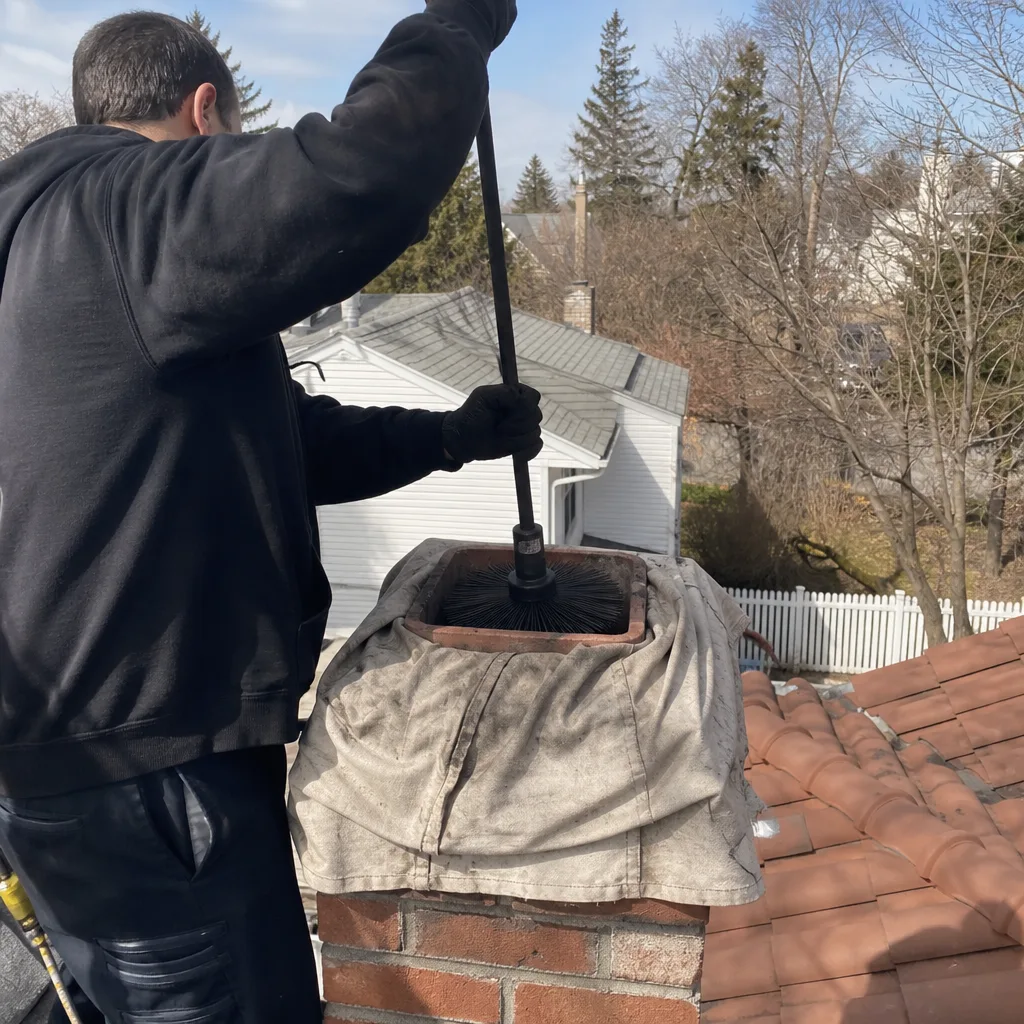
Copperfield manufactures chimney crowns across three main series lines: the CF-Round (for round flue tiles, common on 1990s and newer construction), the CF-Square/Rectangle (for standard masonry flues, the workhorse of older Flushing homes), and the CF-Multi-Flue (for chimneys serving two or more appliances). The compatibility gotcha most owners miss: Copperfield’s crown dimensions are measured to the outside flue tile dimension, not the liner ID, so a “6-inch” crown from another manufacturer will not seat correctly on a Copperfield-spec 6-inch flue if the tile wall thickness differs. We’ve seen this mismatch on more than a few Flushing row houses where a previous repair used a generic crown and the seal failed within two years.
If you’re unsure which model you have, look for the stamped marking on the underside of the crown overhang. Copperfield stamps their series code and size there: you’ll see something like “CF-S 13×13” or “CF-R 6.” If the stamping has worn off, which happens after a decade or two of Queens weather, we measure the flue tile and the crown overhang directly. As for OEM versus aftermarket: Copperfield’s OEM crowns use a specific concrete blend with a higher compressive strength than most generics, but quality aftermarket crowns from manufacturers we stock alongside Copperfield, including DuraFlex, HeatShield, and Gelco, often match or exceed OEM specs at 20-30% less. We’ll quote you both options with the price difference written down, so the decision is yours with full information.
BeforeAfterSigns Your Copperfield Crown Repair Is Failing
- Visible cracks in the crown surface that widen after winter. Water gets into hairline cracks, freezes, and expands. Each freeze-thaw cycle in a Flushing winter makes the crack measurably wider until the crown starts spalling, which means chunks of concrete flaking off. What you’re seeing is the crown losing its ability to shed water away from the flue.
- Efflorescence, which is the white chalky staining on the brick below the crown. This is dissolved salt being pushed out of the mortar as water moves through it, and it means water has already penetrated past the crown and into the chimney structure. The stain itself is cosmetic; the moisture migration behind it is structural, because the salt crystallizes inside the mortar joints and steadily breaks them apart.
- Water in the firebox after rain. The crown exists to direct water away from the flue opening. If water is reaching the firebox, the crown has either cracked through, separated from the flue tile, or the drip edge, which is the lip that overhangs the brick, has eroded away so water runs straight down the masonry.
- Spalling brick or deteriorating mortar joints in the top three or four courses of the chimney. This is the freeze-thaw damage working downward from a failed crown. The brick faces pop off because water absorbed into the masonry is expanding as ice. It’s the most reliable sign that the crown has been failing for years, not months.
- Chunks of concrete or mortar on the roof or ground near the chimney base. If you’re finding gravel-sized pieces of the crown after storms, the crown is actively disintegrating and the underlying mortar bed is being exposed directly to weather. At that point you’re racing the next hard freeze.
Replacement Cost & What’s Included
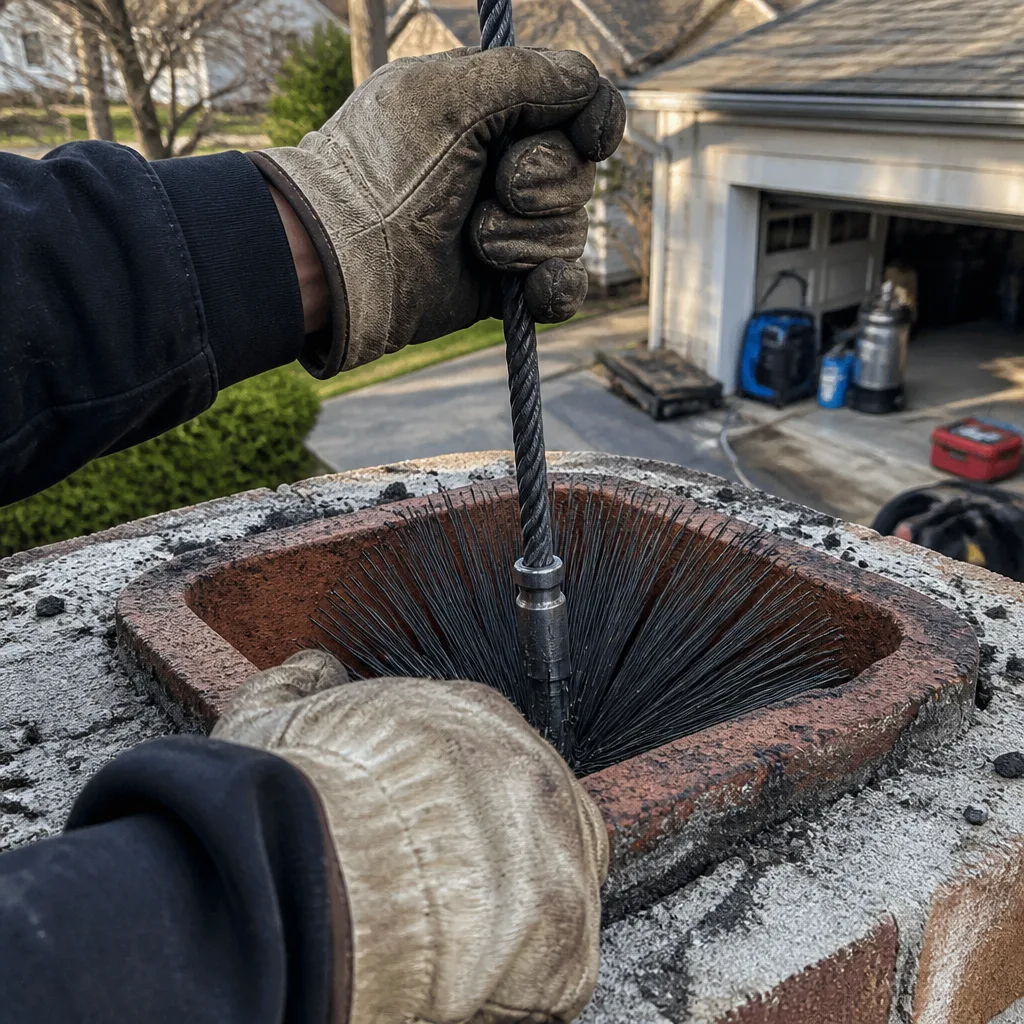
In Flushing, Copperfield crown replacement typically falls between $850 and $2,400 installed. The range is driven by three variables: crown size, which goes by flue tile dimension and number of flues; access, which means roof pitch, height, and whether scaffolding or a ladder setup is needed; and the condition of the mortar bed beneath the crown, because a crown installed over crumbling mortar will fail again within a season. A straightforward single-flue crown on a one-story Flushing home with good roof access lands near the bottom of that range. A multi-flue crown on a three-story attached row house where our techs are working off a steep roof pitch lands higher.
Every crown replacement from us includes removal of the old crown, inspection and repair of the top mortar bed, installation of the new crown with a proper drip edge overhang, and a written warranty on materials and labor. We write the price, the scope, and the warranty before anyone picks up a tool, because Clause 1 of the Haven Standard requires all three in writing before work begins. You’ll also get the documented photo record after the job is done: before, during, and after shots of your crown and flue from the camera, plus a written summary of what was found. This isn’t an add-on. Clause 4 of the Haven Standard has required a photo record on every job since 2009.
DIY or Call Us?
Here’s the honest split. What you can safely check yourself from the ground with a pair of binoculars: visible cracking, missing chunks, efflorescence staining, and whether the crown overhang is still proud of the brick. What you should not attempt yourself is any crown repair that requires ladder work on a roof, mixing and pouring crown mortar at height, or working around a live flue opening. Crown work is not inherently dangerous the way high-tension springs or electrical panels are, but it involves working on a roof surface, often a steep one, with tools and materials in both hands. A fall from a two-story Flushing roof is a life-changing injury, and a crown seal that isn’t poured correctly will let water through invisibly until the damage is already done. If you can see the crown failing, we can quote it accurately with a same-visit measurement. One more thing that matters: we’ll show you the camera footage of what we’re seeing before we ask you to open a checkbook. As Corrine Halstead puts it, “The camera doesn’t negotiate, it just shows you what’s there.” Call us at (516) 240-9191 if you want the same look.
FAQs
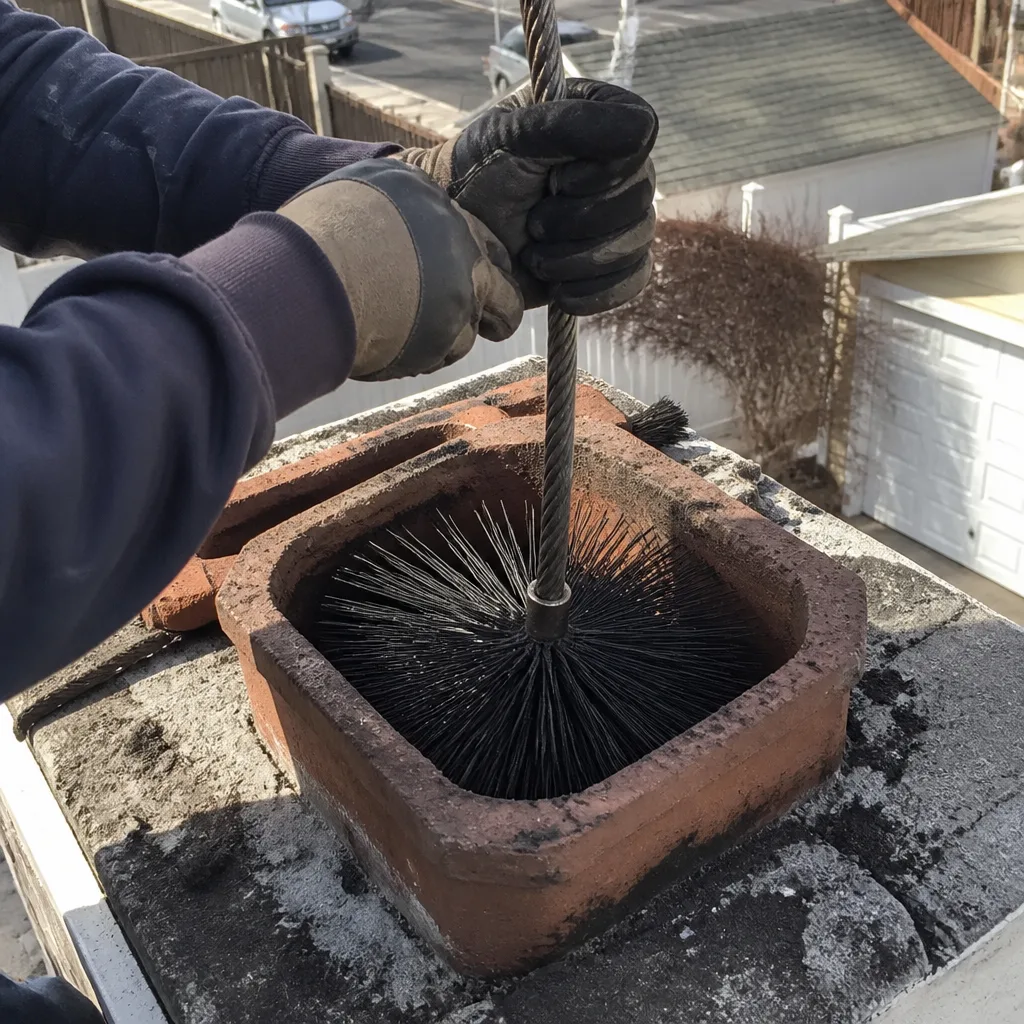
A correctly installed Copperfield crown in the Flushing climate typically lasts 15 to 25 years, which assumes the drip edge overhang was done right and the mortar bed below it was solid. What kills crowns early in Queens is repeated freeze-thaw cycling combined with crowns that were poured without proper overhang or slope. The best predictor of a long crown life is the quality of the original installation, which is exactly why we document ours with photos under every job.
Small surface cracks can sometimes be sealed with a high-bond crown sealer, which buys you a few seasons. But if the crack extends through the full thickness of the crown, if the concrete is spalling, or if the crown has separated from the flue tile, patching is a temporary bandage on a structural problem. We’ll show you the camera footage and tell you honestly whether a seal will hold or whether replacement is the only durable fix. The price difference is real, and so is the risk of waiting on a failing crown.
Most single-flue Copperfield crown replacements in Flushing are completed in four to six hours, including removal, mortar bed inspection, new crown installation, and the photo documentation. Multi-flue or complex access jobs can run a full day. We’ll give you a written time estimate with your written price, and we text you when the named technician is on the way.
We keep the most common Copperfield crown profiles in stock on our trucks for CF-Round, CF-Square, and CF-Multi-Flue applications. If your chimney has an unusual flue configuration, we can fabricate a custom crown using compatible materials sourced through our network, and we’ll quote the custom work in writing before anything is ordered. We’ll also quote a quality aftermarket equivalent from brands like DuraFlex or Gelco if the numbers work out better for you.
If you’re seeing cracks, spalling, or water where it shouldn’t be, call (516) 240-9191 for a free estimate. We’ll put eyes on the crown, show you what we see, and hand you a written price before any work starts. That’s how we’ve done it in Flushing since 2009.
Written by Corrine Halstead, Owner, Level Two Chimney Flushing at Level Two Chimney Flushing, serving Flushing and nearby areas.