
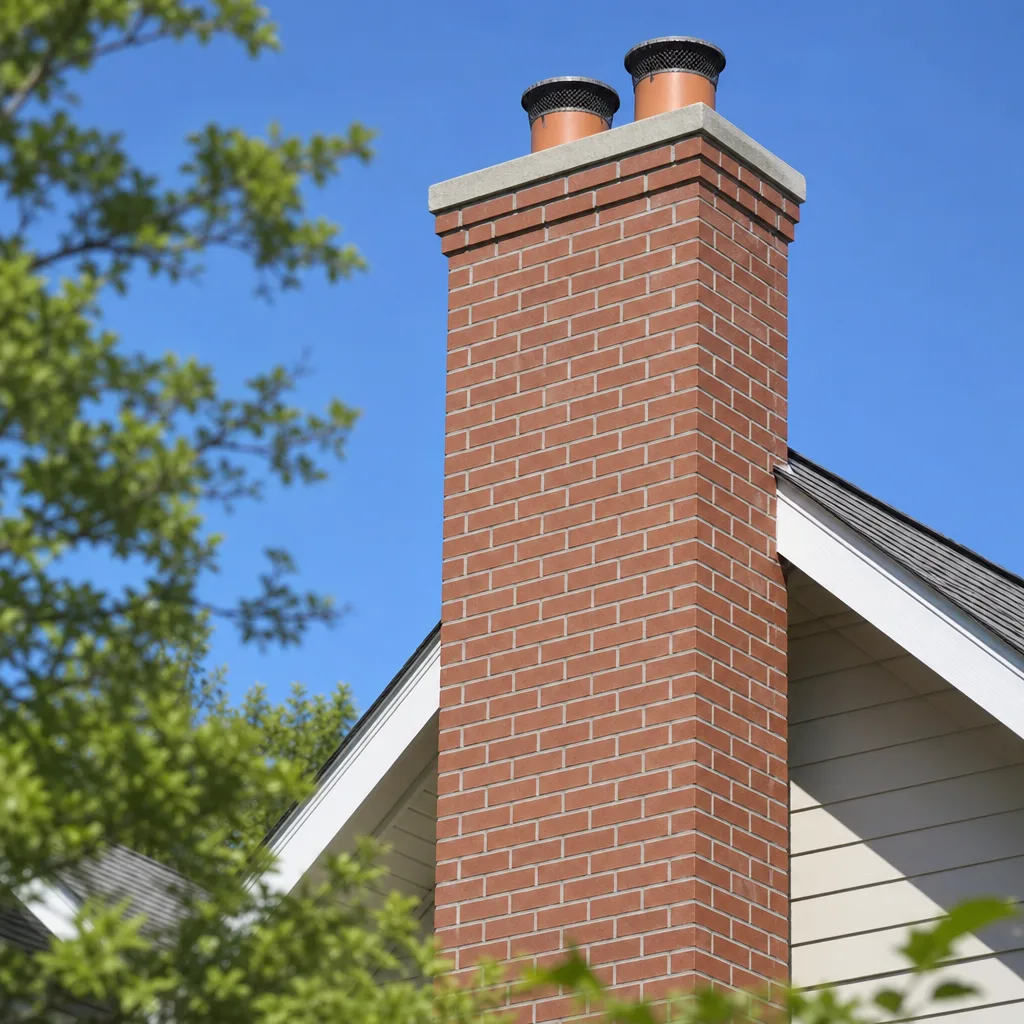
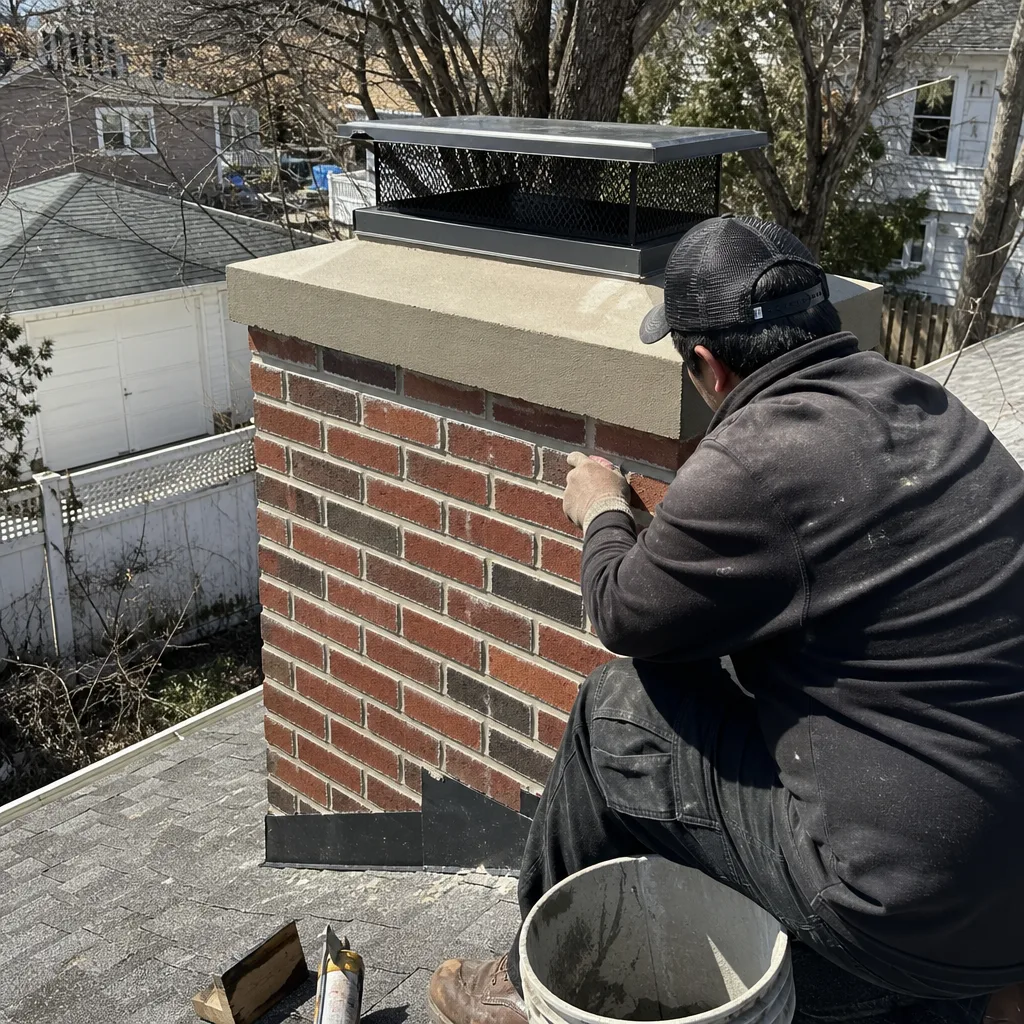
Level 1 sweep and inspection to the NFPA 211 annual standard - flue, crown, cap, and flashing checked and photographed
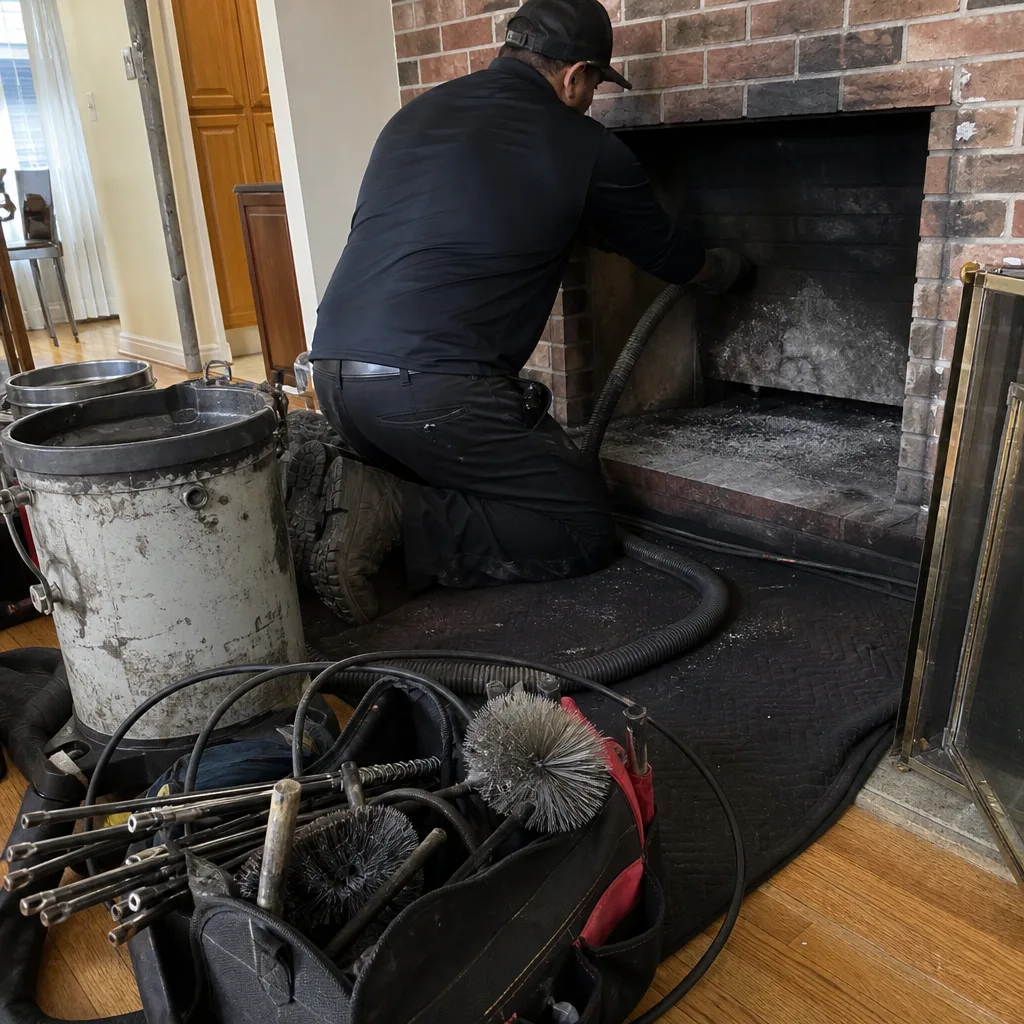
Chimney sweep logs do not sweep chimneys. They loosen some creosote - which then falls where a brush and vacuum still have to collect it.
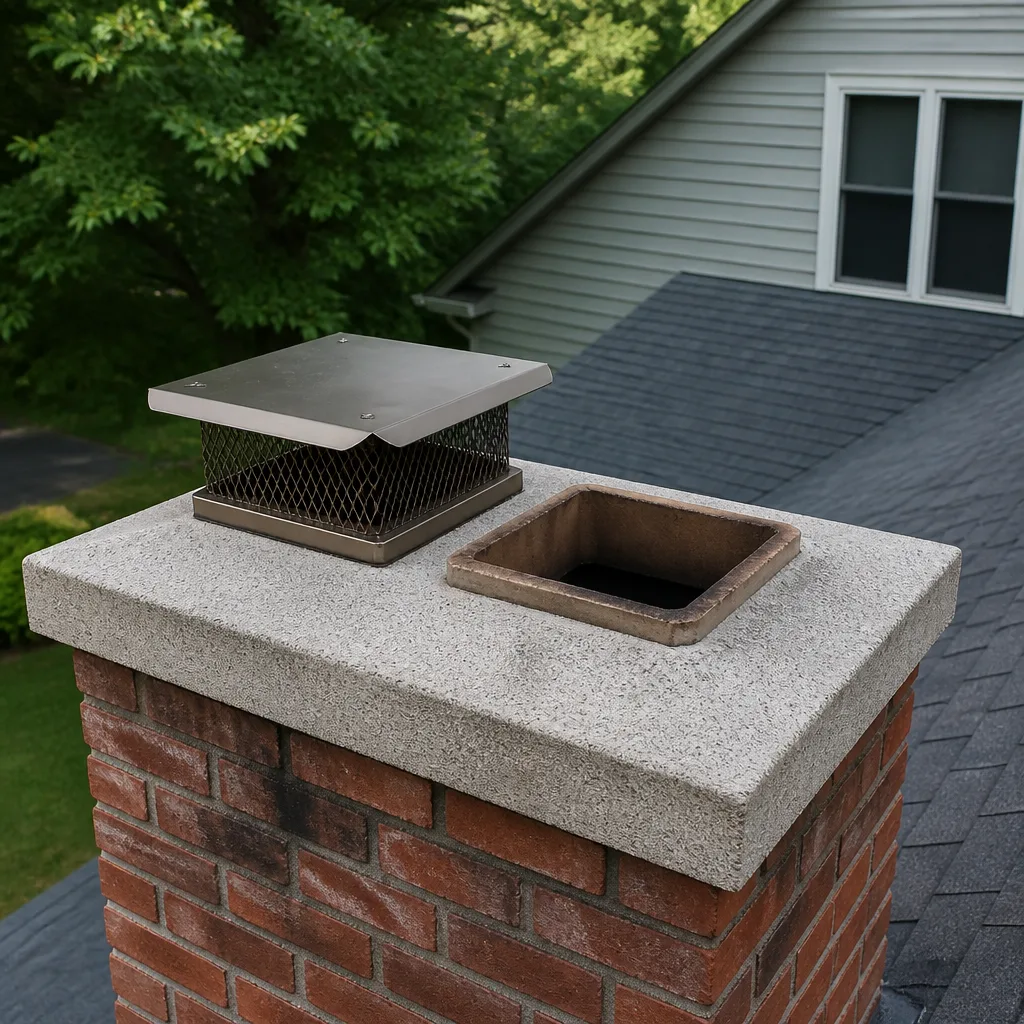
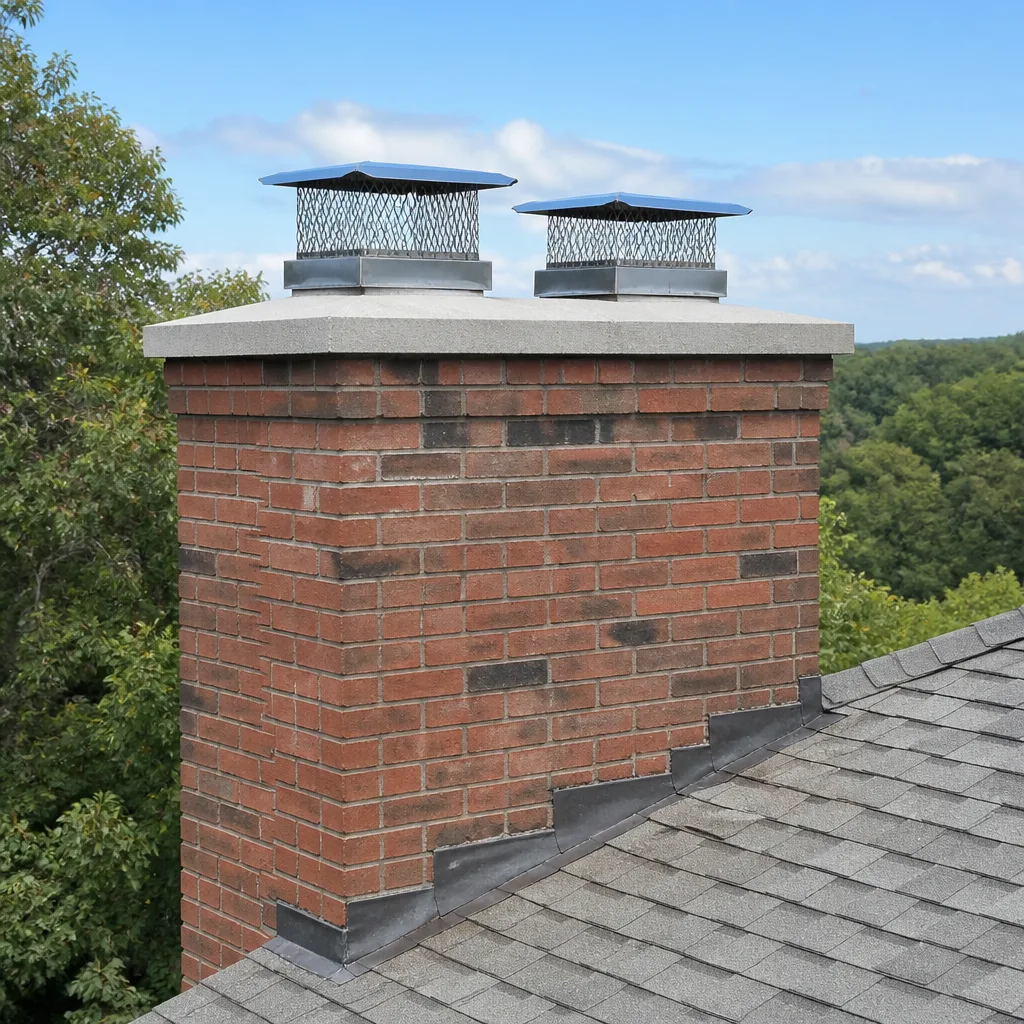
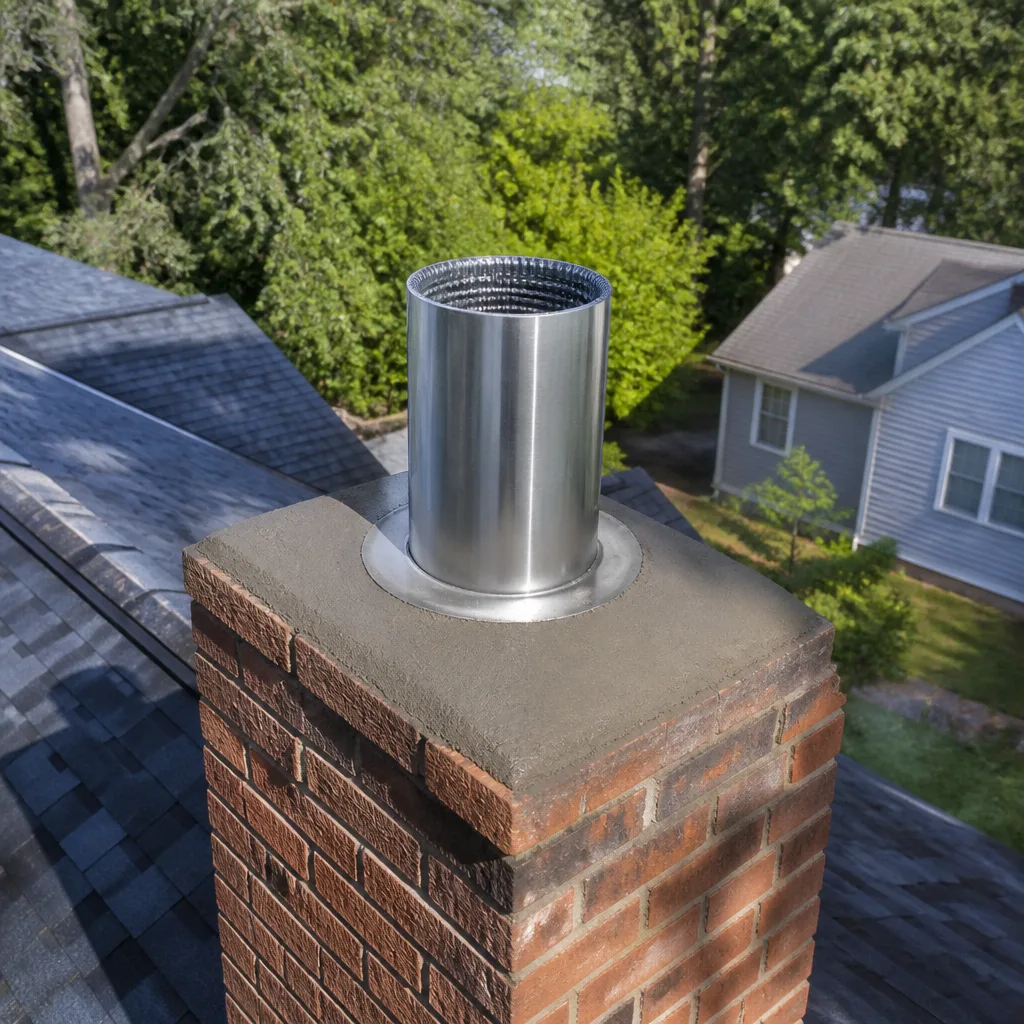
 Before
 After
After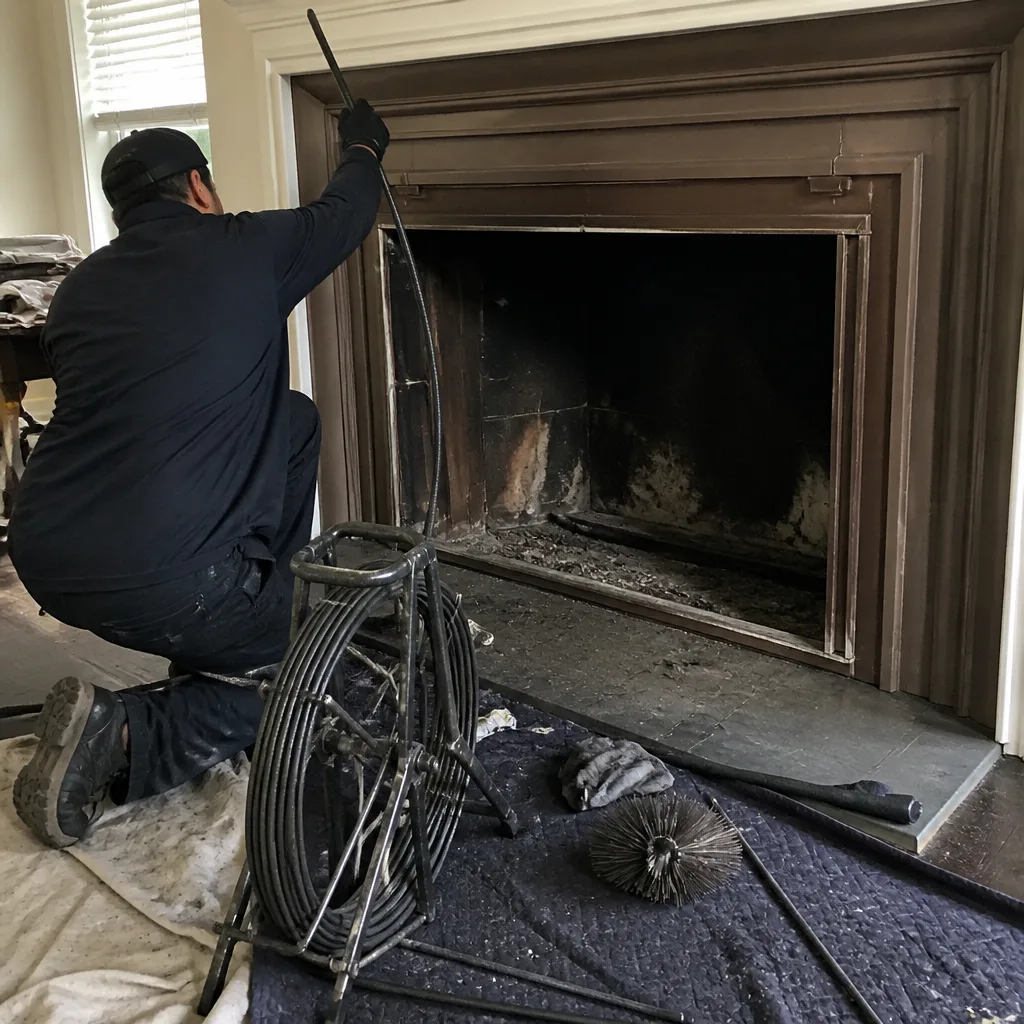 Before
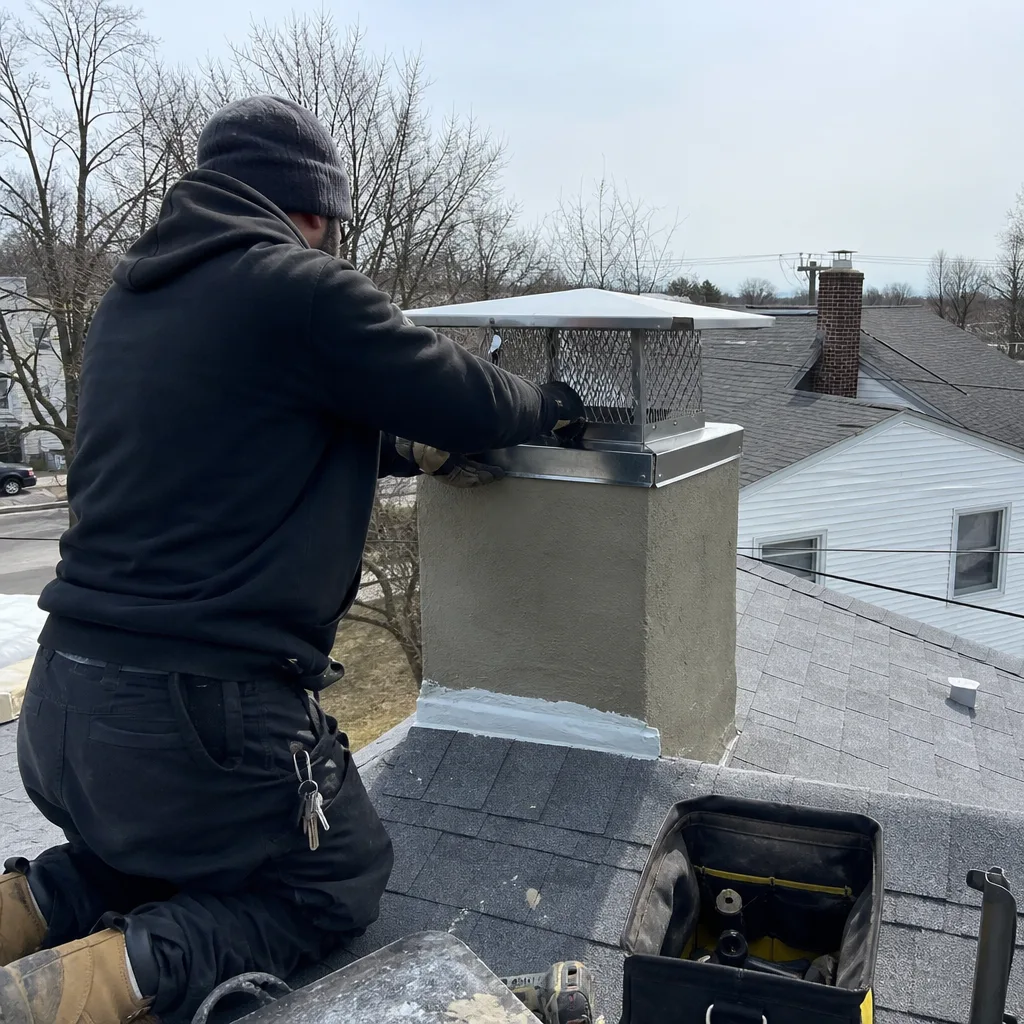 After
After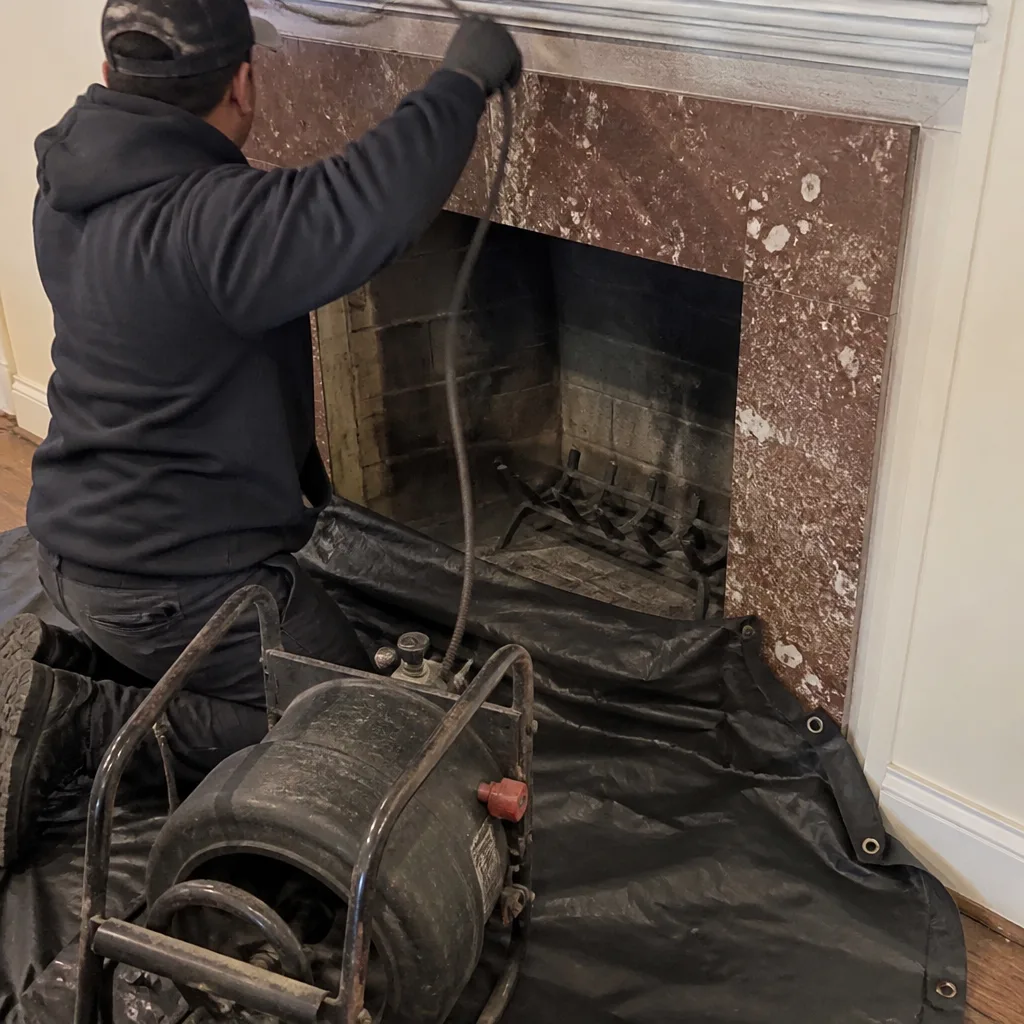 Before
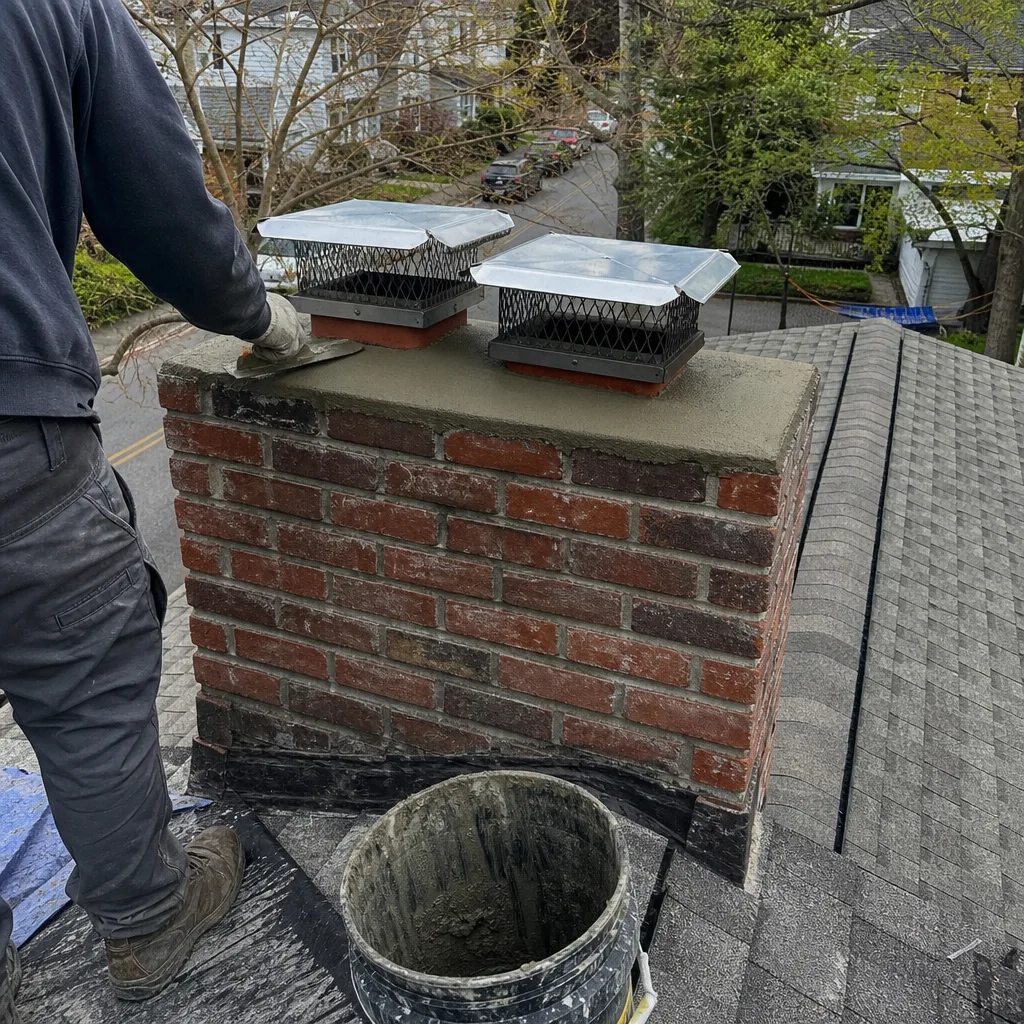 After
AfterFast, Reliable Chimney Cleaning & Sweep Across Long Island City
A chimney cleaning and sweep in Long Island City typically runs $189-$329 for a standard single-flue sweep, with Level 2 camera inspections adding $149-$249 depending on flue count and access. Most jobs take 90 minutes to two hours. If you own one of the attached brick rowhouses near the Hunters Point Historic District or along Vernon Boulevard, you’re dealing with chimney conditions that don’t show up in most online guides. Those shared party-wall stacks change everything about how a sweep should be done, and who’s allowed to do what. We’re Level Two Chimney Flushing, and we’ve worked on hundreds of these buildings across Long Island City. Call (516) 240-9191 for a written price before anyone touches your flue.
Why Level Two Chimney Flushing Is Long Island City’s Preferred Chimney Cleaning & Sweep Company
Long Island City homeowners don’t hire us because we’re friendly on the phone. They hire us because we document everything. Every sweep includes a camera scan down the flue and a photo report you keep. That’s Clause 4 of the Haven Standard, the inspection protocol we’ve operated under since 2009. When we finish a job in a Hunters Point rowhouse or a pre-war walk-up near Queens Plaza, you walk away with written scope, written price, and photographic evidence of what we found and what we did.
Our Chimney Cleaning & Sweep team knows the attached housing stock here. We know that the terra-cotta flues in a 1910 brick rowhouse on 45th Avenue behave differently than the lined flues in a newer build. We know the Landmarks Preservation Commission process, because we’ve filed for it. And we know the water-facing blocks, from Gantry Plaza State Park down to Newtown Creek, where salt-laden wind chews through crown mortar faster than it does four miles inland in Forest Hills.
Corrine Halstead, our owner, has built the company around one rule: no technician starts a single minute of work until you’ve seen the price in writing. That’s Haven Standard Clause 1. Not a verbal estimate. Not a “we’ll see once we get up there.” A written number, with a written warranty attached, before the ladder comes off the truck. If another company gives you a written quote, bring it to us. We’ll give you a free second opinion on it. And if the work isn’t done right, our 365-Day Done Right Promise means we come back and make it right. That’s the entire offer, and it’s been the offer for every one of the 38,000+ chimneys we’ve inspected and cleaned since 2009.
Our Chimney Cleaning & Sweep Services in Long Island City
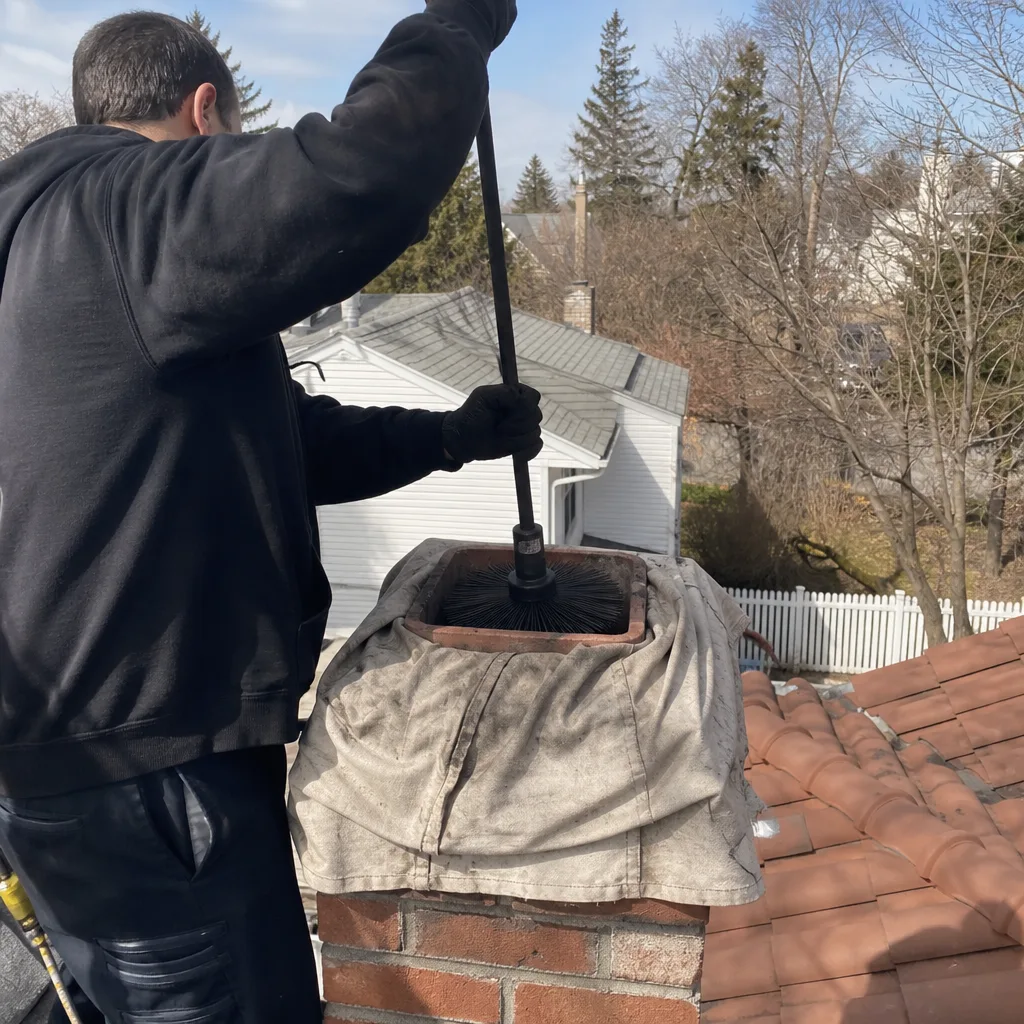
Level 1 Inspection
A Level 1 inspection is the baseline check for a chimney that’s been used regularly and hasn’t changed. In Long Island City, we perform Level 1 checks on active fireplace flues in rowhouses where the owner burns wood seasonally and hasn’t made modifications, as part of our Fireplace Services in Long Island City. The inspection covers the accessible portions of the flue, the fireplace box, and the damper. You get a written record of what we saw, which matters if you ever file an insurance claim or sell the house.
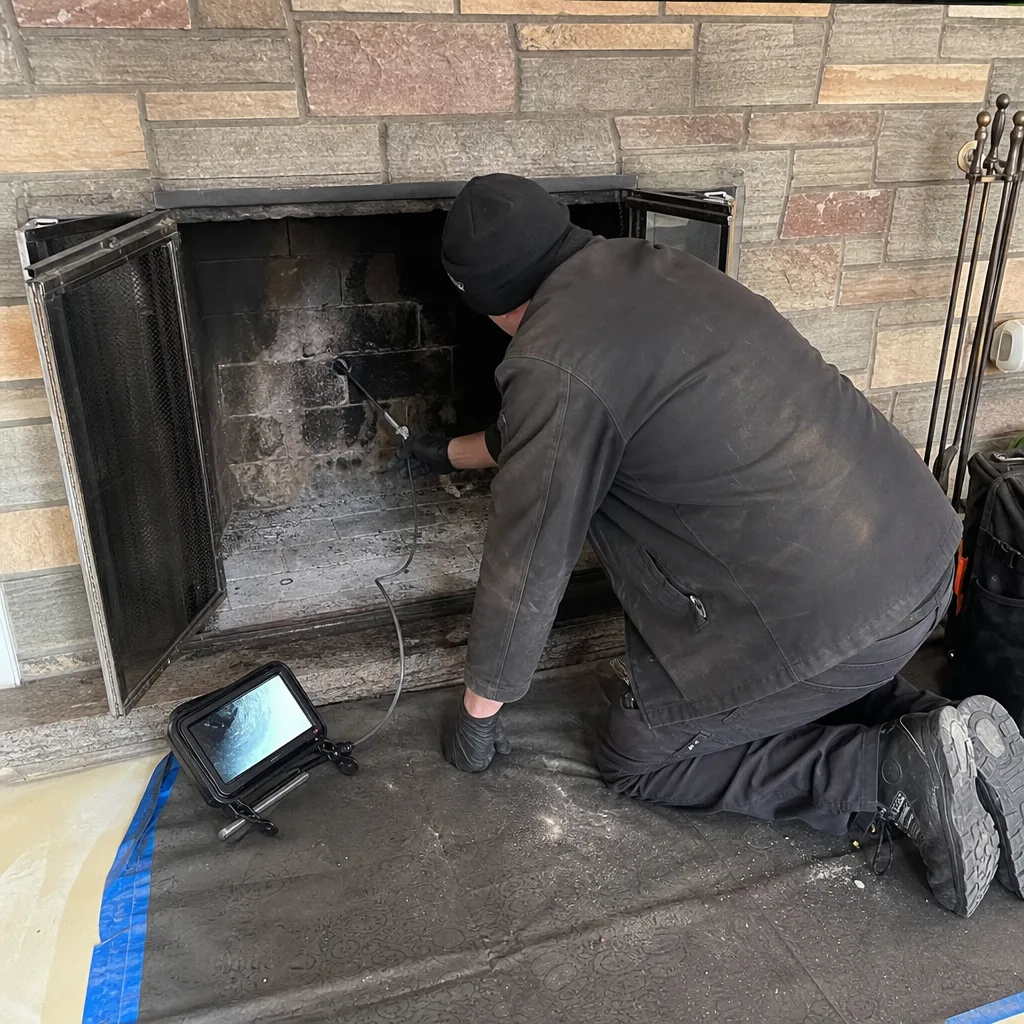
Level 2 Inspection
This is the inspection Long Island City attached-home owners need most. A Level 2 scan sends a camera down the full flue length, including the shared party-wall sections most sweeps never see. If you bought a rowhouse in the Hunters Point Historic District and don’t know whether the flue was ever relined after gas conversion, this is the only way to find out. We check for cracks, gaps, missing mortar joints, and cross-flue breaches into the adjoining unit’s chimney. The photo record from this scan is yours to keep, and it’s the documentation the Landmarks Preservation Commission typically wants to see before approving repair work.
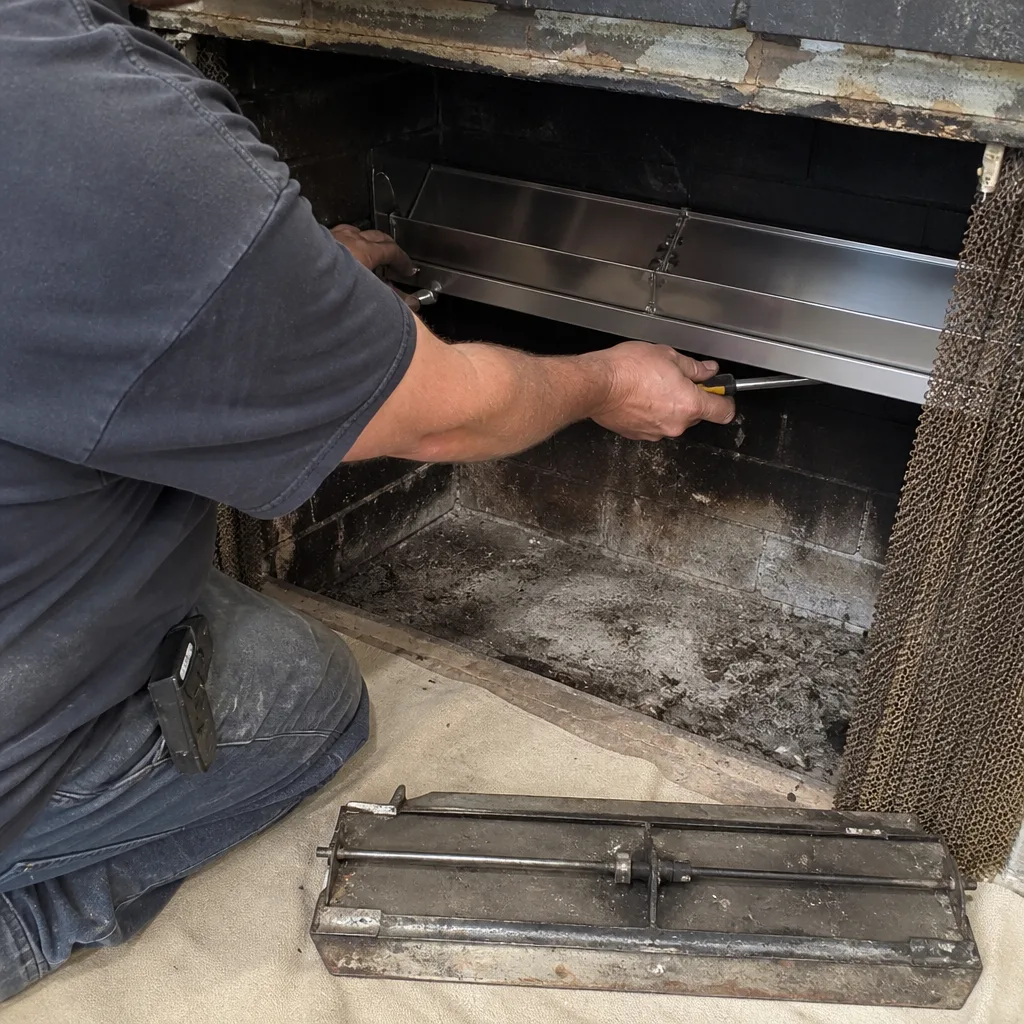
Creosote Removal
Long Island City houses that burn wood regularly build creosote faster than many owners expect, partly because the original fireboxes in these pre-war rowhouses were designed for coal and often draft poorly with modern wood fires. When creosote reaches Class III, it’s a hard, glazed, tar-like coating that a standard wire brush won’t remove. We use chemical treatments and mechanical rotary cleaning for glazed creosote. This is not optional maintenance in an attached home. A flue fire in a single rowhouse stack can spread heat into the neighbor’s chimney chase. That’s the liability book you don’t want written about your building.
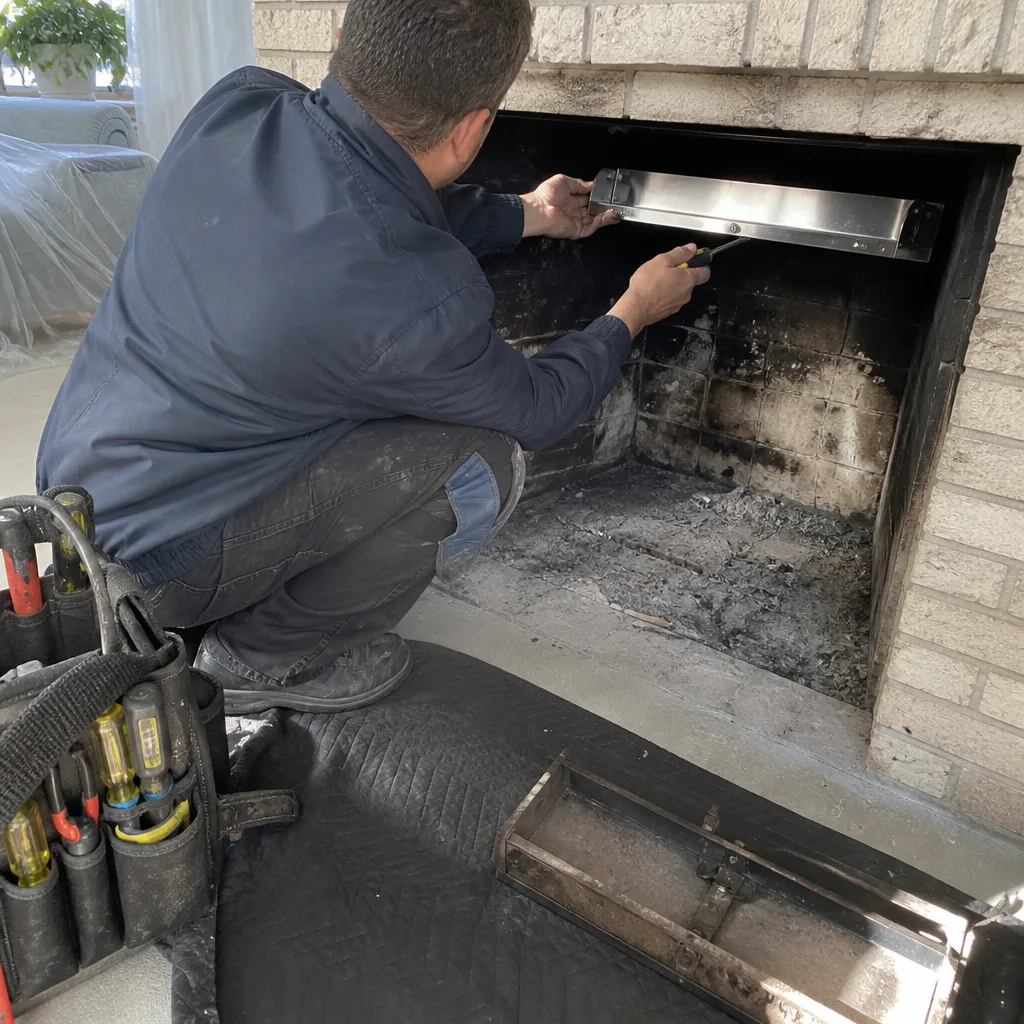
Soot Removal
Soot is the softer, powdery byproduct of incomplete combustion, and it accumulates quickly in gas and wood fireplaces across Long Island City. We remove soot from fireplace boxes, smoke chambers, and accessible flue sections. If your building converted from coal to gas decades ago, the old soot from the coal era can still be packed into the smoke shelf. That material stays put until someone physically removes it. Our technicians handle it during the standard sweep, and you’ll see the after photos in your report.
What happens when you call
- 1
A real person answersNo phone trees - you reach a local pro.
- 2
You get an upfront price rangeHonest numbers before anyone is dispatched.
- 3
A background-checked tech heads outLicensed & insured, dispatched right away.
- 4
You approve before work beginsNothing starts until you say go.
BeforeAfterTrusted Brands We Service in Long Island City
When a Long Island City chimney needs new components, we don’t install whatever’s cheapest off a supply house shelf. We work with materials from DuraFlex, Olympia Chimney, and Copperfield, sourced through the Haven buying network specifically to keep customer prices honest. Whether it’s a HeatShield resurfacing system for an unlined terra-cotta flue in Hunters Point or a Famco cap assembly for a walk-up on Jackson Avenue, we spec the right product for the specific stack and the specific building. Because Long Island City’s attached housing stock demands components that hold up to shared-flue conditions, waterfront wind, and LPC materials review, we don’t cut corners on parts.
Common Chimney Cleaning & Sweep Problems We See in Long Island City Homes
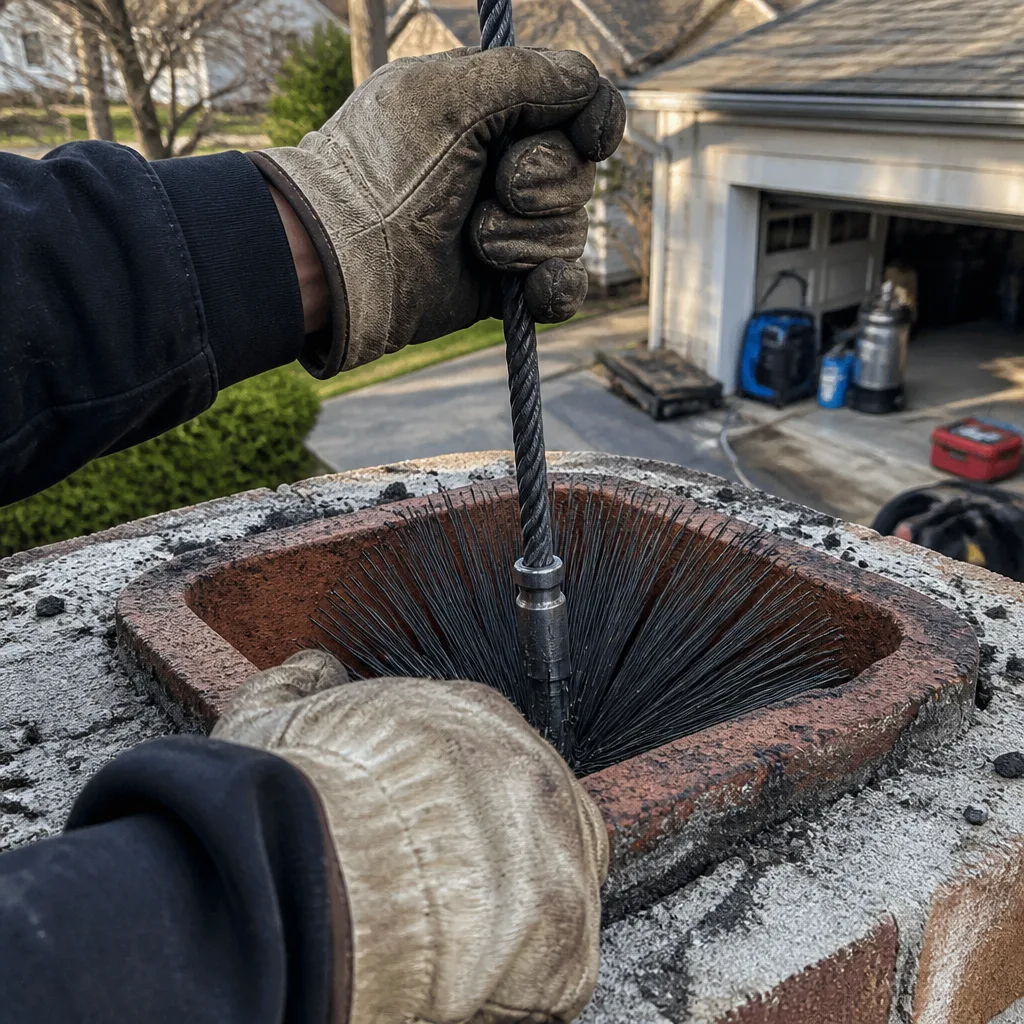
- Shared party-wall stacks that were never relined after gas conversion. Most pre-war rowhouses in Hunters Point converted from coal to gas heat decades ago, and nobody relined the original terra-cotta flues. That leaves unlined flues shared between two property owners, with no record of who’s responsible for maintenance.
- Cross-flue drafting into the neighbor’s chimney. When an abandoned adjacent flue sits unsealed in the same stack, your fireplace can draft smoke and carbon monoxide into the adjoining unit instead of up and out. We scope both flues to find the breach.
- Accelerated crown and mortar erosion near the East River. The wind off the water carries salt and moisture that works into exposed masonry joints. Spalling and freeze-thaw damage show up noticeably faster on Vernon Boulevard and Center Boulevard than they do in inland Queens.
- Landmarks Preservation Commission triggers on exterior work. If your rowhouse sits within the Hunters Point Historic District, any exterior chimney repair, tuckpointing, or cap replacement requires LPC review first. Skipping that step gets you a stop-work order. We handle the documentation.
Pricing for Chimney Cleaning & Sweep in Long Island City, NY
A standard chimney sweep for a single active fireplace flue in Long Island City runs $189-$329. Adding a Level 2 camera inspection brings the total to $338-$578, depending on how many flues share the stack and how accessible the roof is. Creosote removal for Class III glazing runs $225-$450 per flue on top of the sweep, because it requires chemical treatment and mechanical rotary work. If you have two or three flues in the same party-wall stack, we price the scope as a package, not three separate line items. The written quote you get before we start includes every line item, every material, and the warranty terms in plain language. No “call for a quote” games. You’ll have the number before the first ladder goes up. Call (516) 240-9191 for a free estimate specific to your building.
We Also Serve Cities Near Long Island City
Our crews work throughout Long Island City and the surrounding neighborhoods. If you’re in Astoria, Jackson Heights, Elmhurst, or elsewhere in New York, the same written-price guarantee and camera-documented inspection apply. Older attached housing stock extends well beyond the LIC waterfront, and the flue conditions we see here repeat across the borough.
Serving Long Island City, NY - Our Local Coverage Area
We’re based in the Long Island City area and know this community well. Use the map below to see our service coverage - if you’re nearby, we can almost certainly help.
FAQs - Chimney Cleaning & Sweep in Long Island City
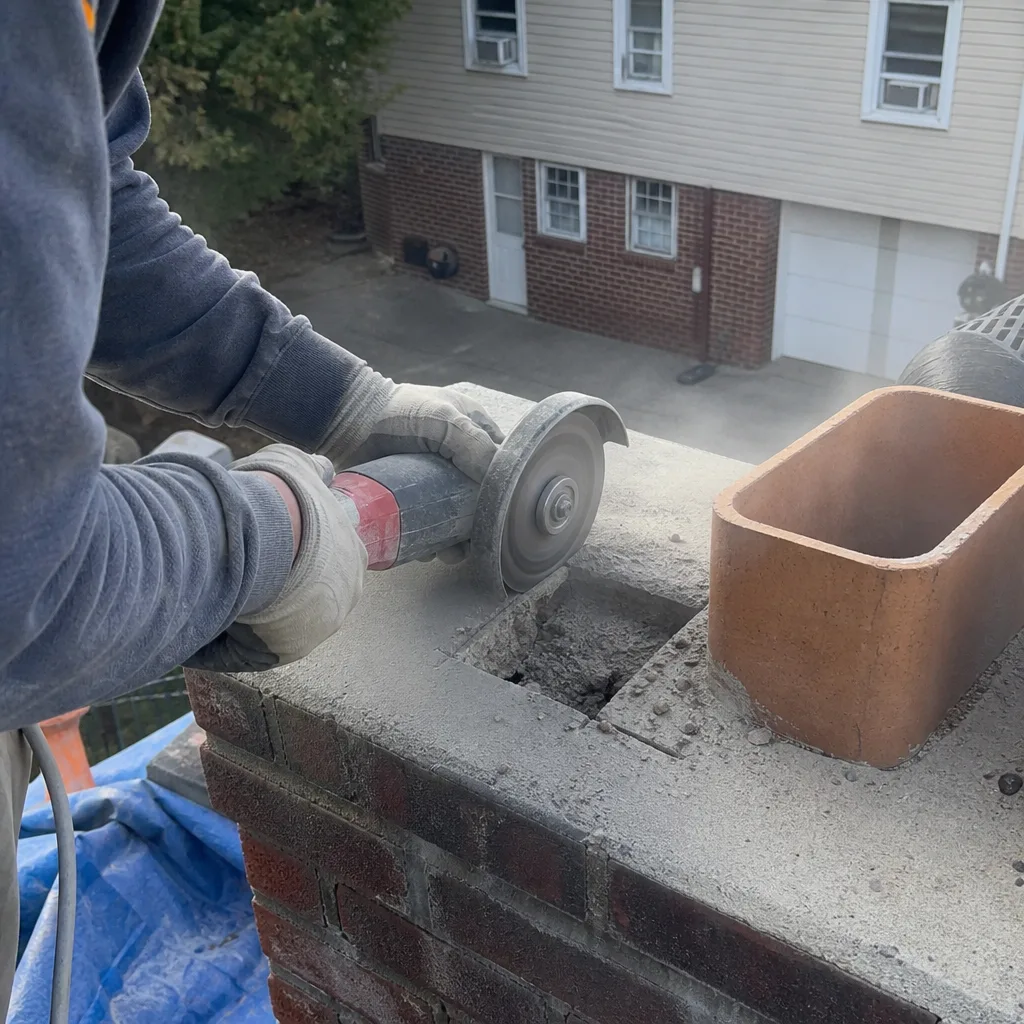
Yes, if your building is within the Hunters Point Historic District or individually landmarked. Exterior crown repair, tuckpointing, and cap replacement trigger LPC review. Our team documents the condition with the camera scan and photo report, prepares the filing, and coordinates the work so you’re not the one holding a stop-work order from a city inspector. Interior work like a sweep or liner resurfacing typically does not require LPC review. Call (516) 240-9191 and we’ll tell you which bucket your job falls into.
Your chimney sits on the East River waterfront, where persistent wind carries salt and moisture directly into exposed mortar joints. That accelerates freeze-thaw spalling, meaning crown cracks and masonry erosion show up years earlier than they do in inland Queens neighborhoods like Forest Hills. It’s not your imagination, and it’s not a sales pitch. It’s geography. We can show you the photo evidence of what the wind is doing to your crown, and we’ll give you a written price for the repair before you decide anything.
In most Long Island City attached rowhouses, each unit’s flue runs separately inside the shared stack, which means you’re responsible for cleaning and inspecting your own flue, even though the masonry it runs through is physically connected to your neighbor’s. The practical problem is that flue damage in one unit can affect the other. When we find cracks or breaches in a shared stack, we document them and give you a written scope that makes clear what’s on your side and what affects the neighboring unit. That documentation is exactly what you need if you and your neighbor end up discussing cost sharing.
Yes, and in Long Island City this is one of the most common jobs we do. Abandoned flues often sit unsealed for decades, packed with old coal soot and creosote from the building’s original heating system. We scope the flue to confirm it’s structurally sound, remove the debris, and then discuss your options: proper sealing, relining, or reactivation. The key point is that an abandoned flue sharing a stack with an active one isn’t actually inert. It can leak smoke and CO into the neighboring unit. That’s the finding that matters, and it’s the finding our camera inspection is designed to catch.
Yes. The National Fire Protection Association’s annual inspection standard doesn’t carve out an exception for occasional use. In Long Island City’s party-wall rowhouses, the annual check matters even more, because flue deterioration in your stack can affect the adjoining unit whether you’re burning regularly or not. Corrine Halstead’s team has inspected over 38,000 chimneys since 2009, and the pattern is consistent: the worst conditions we find are almost always in flues that haven’t been inspected in years, not the ones swept every season. An annual chimney cleaning and sweep with a Level 1 or Level 2 inspection is the cheapest insurance policy a rowhouse owner can buy in this neighborhood. Call (516) 240-9191 to book your inspection, and you’ll have the written record before you spend a dollar.
Written by Corrine Halstead, Owner at Level Two Chimney Flushing, serving Long Island City and the surrounding New York neighborhoods under the Haven Standard since 2009.