
Last updated September 20, 2026
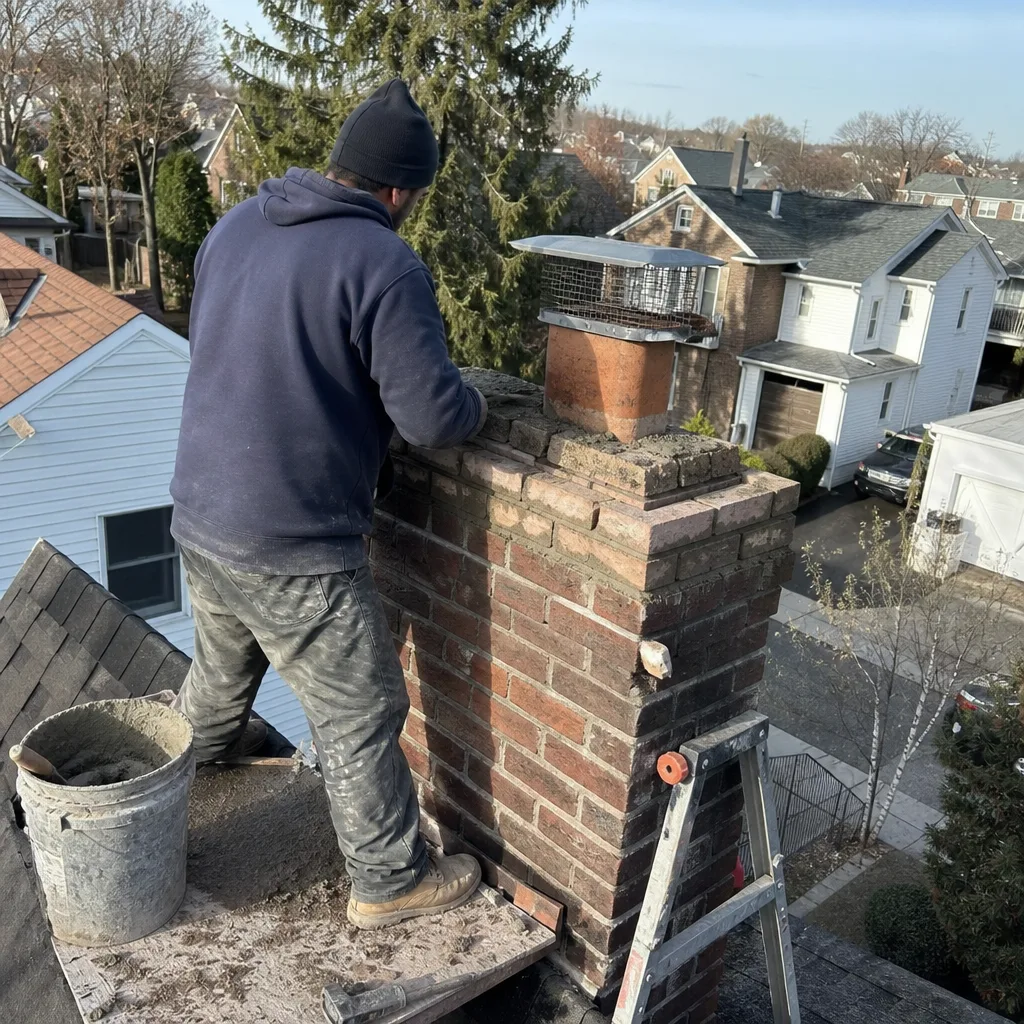
Level 1 sweep and inspection to the NFPA 211 annual standard - flue, crown, cap, and flashing checked and photographed
Chimney sweep logs do not sweep chimneys. They loosen some creosote - which then falls where a brush and vacuum still have to collect it.
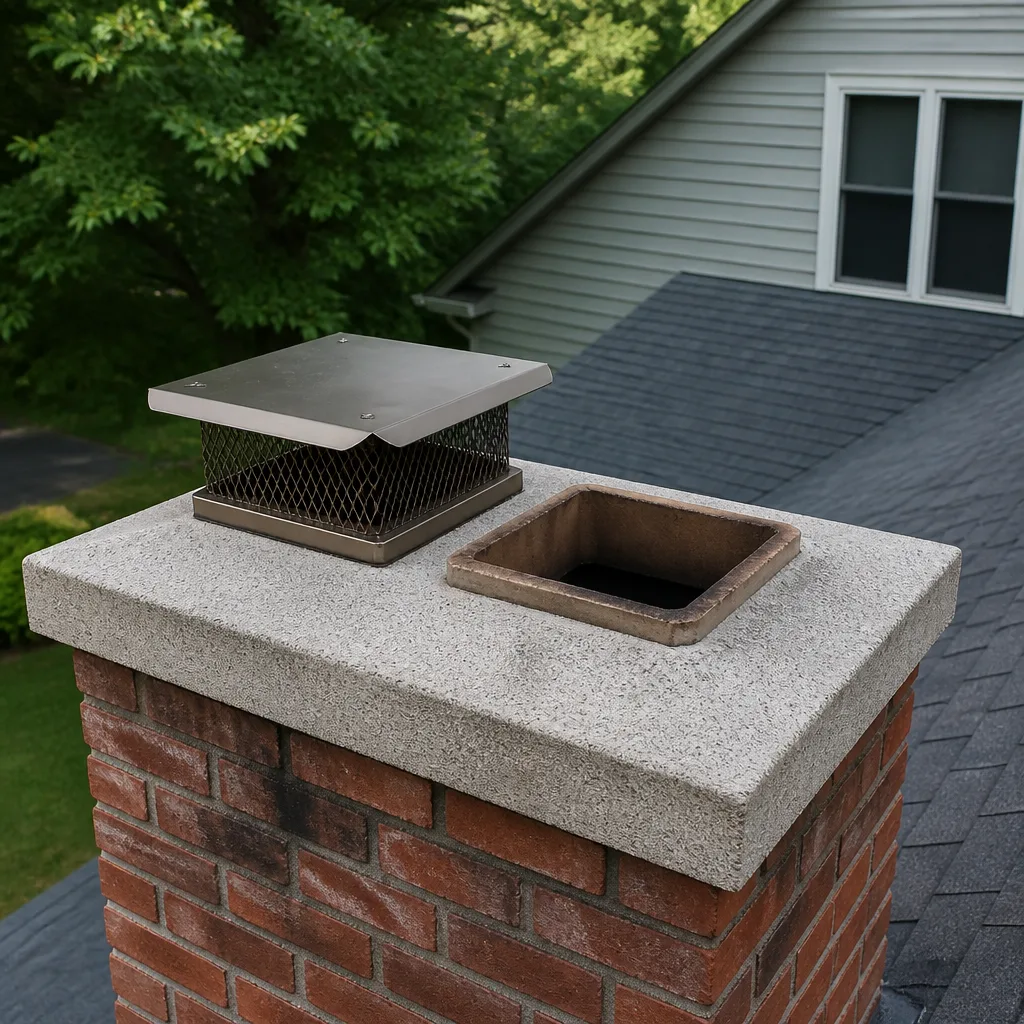
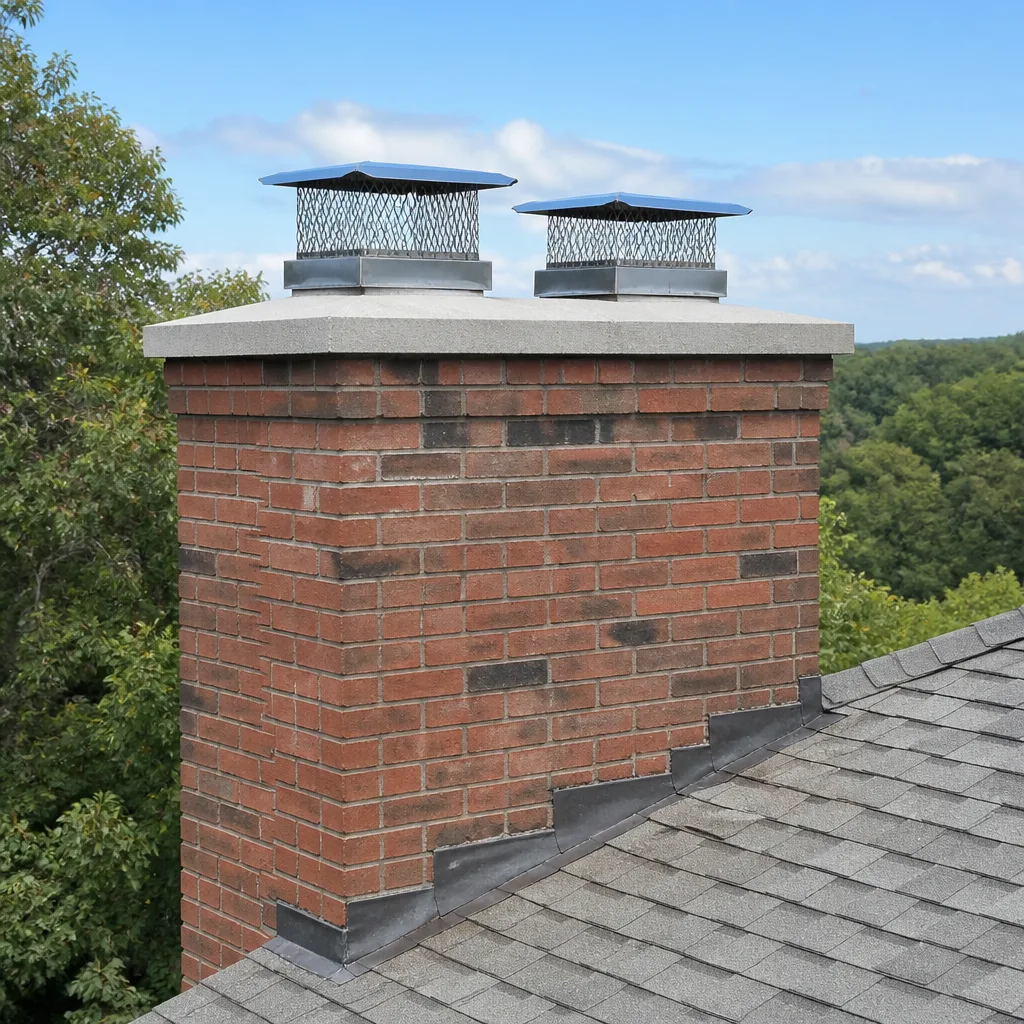
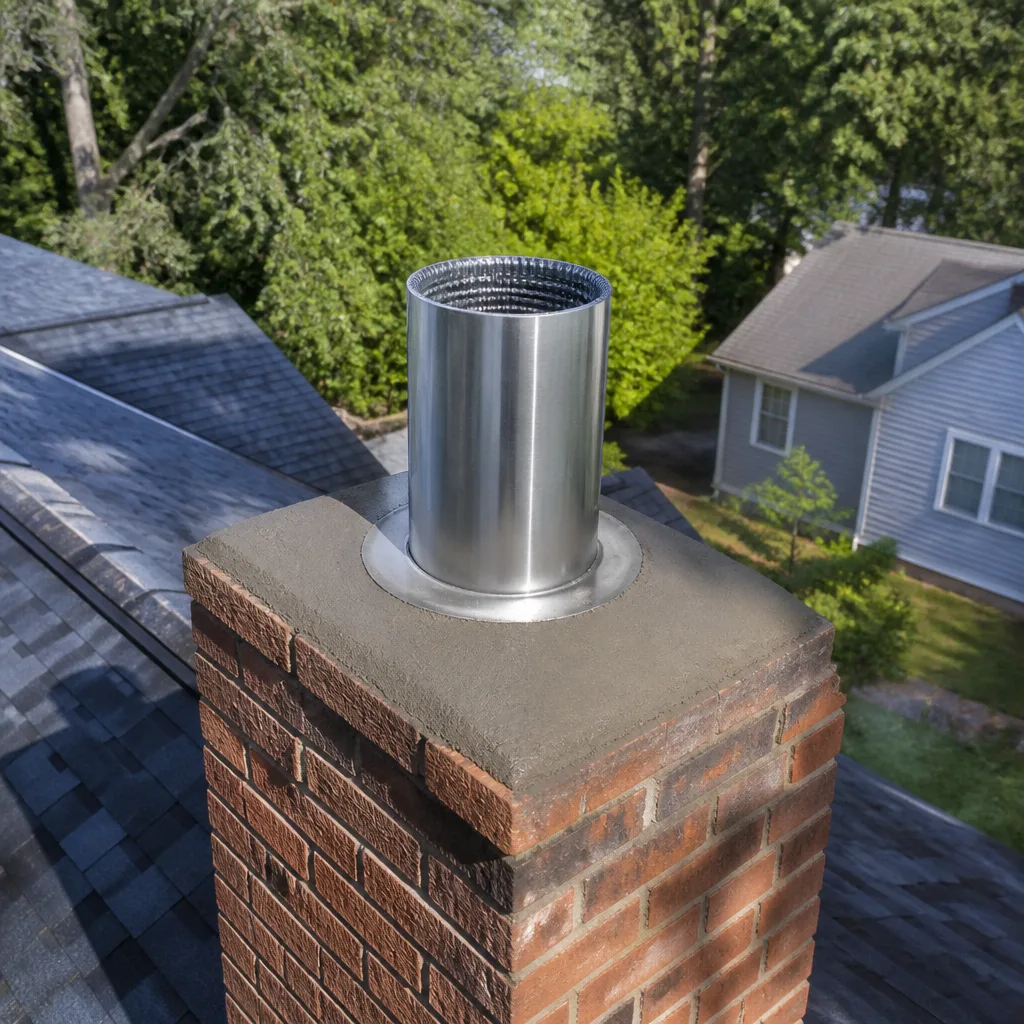
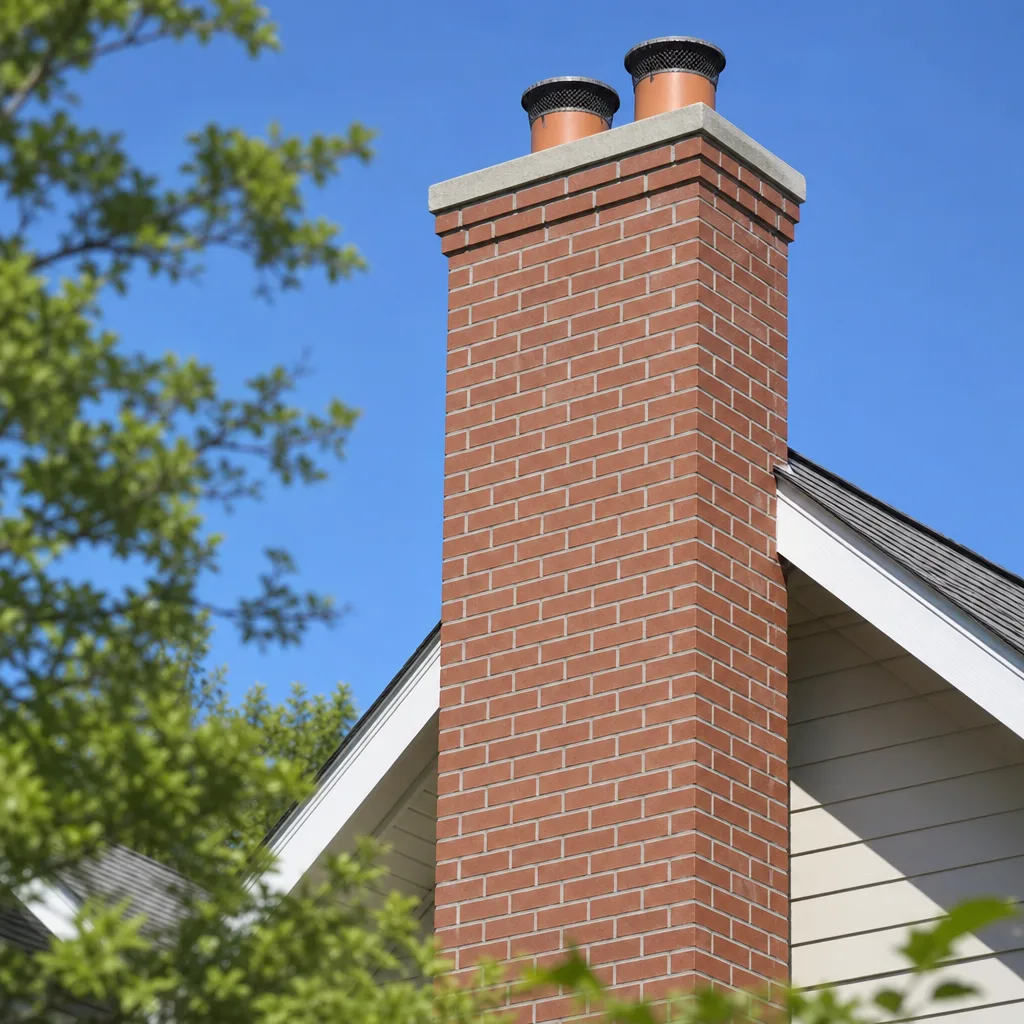
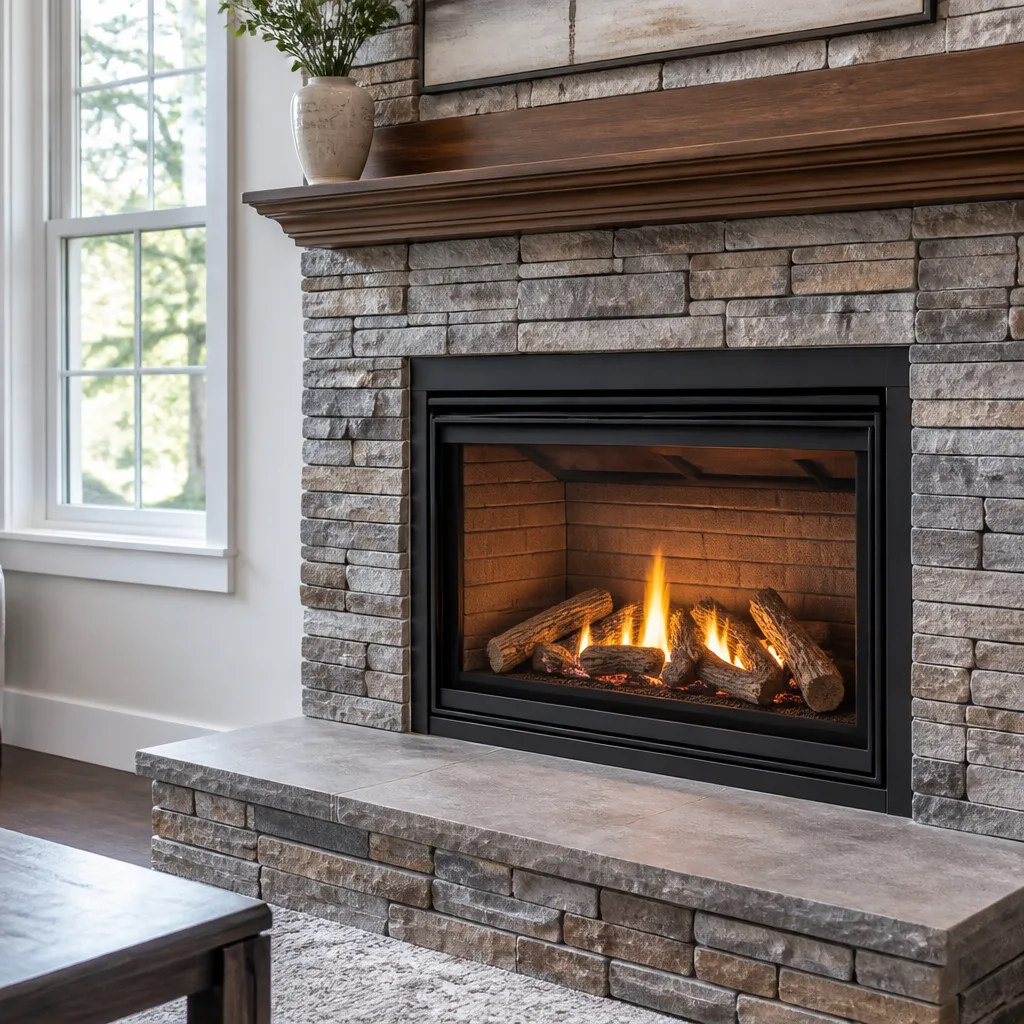
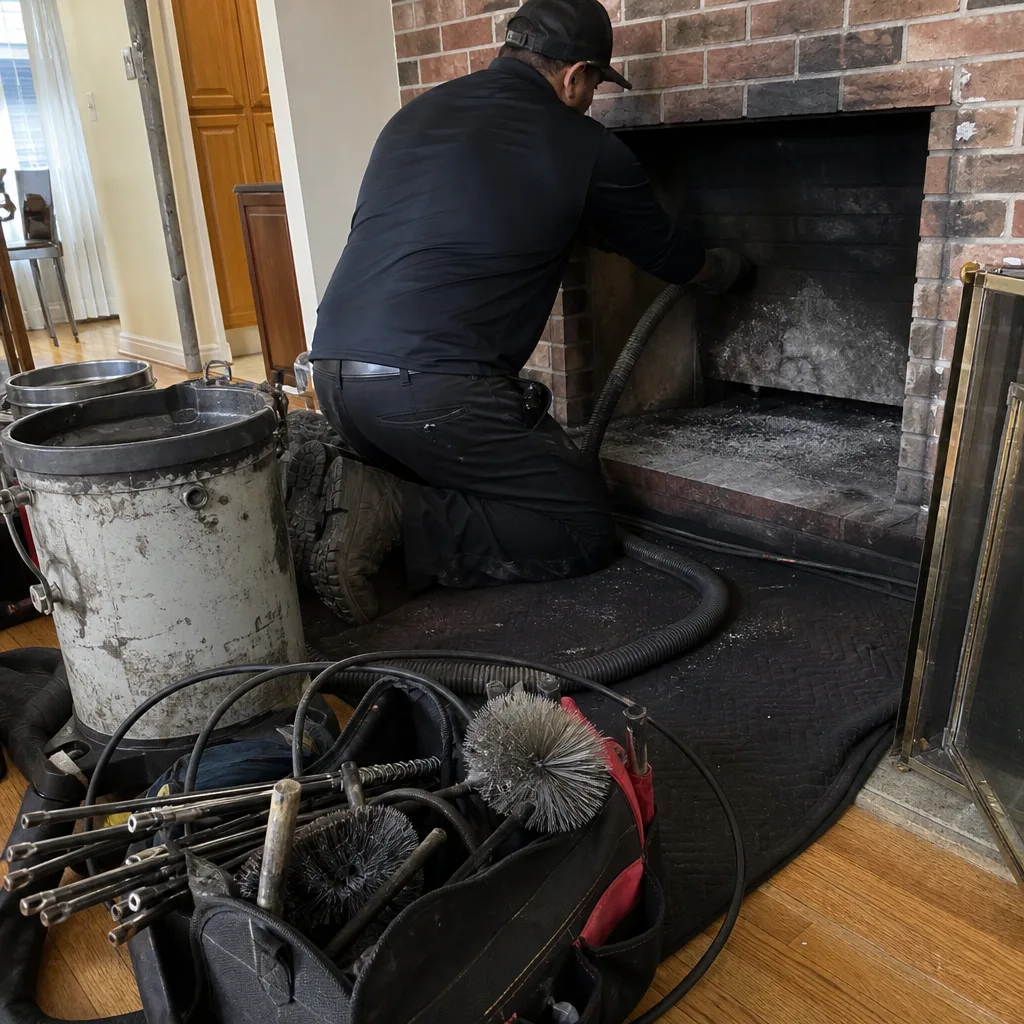 Before
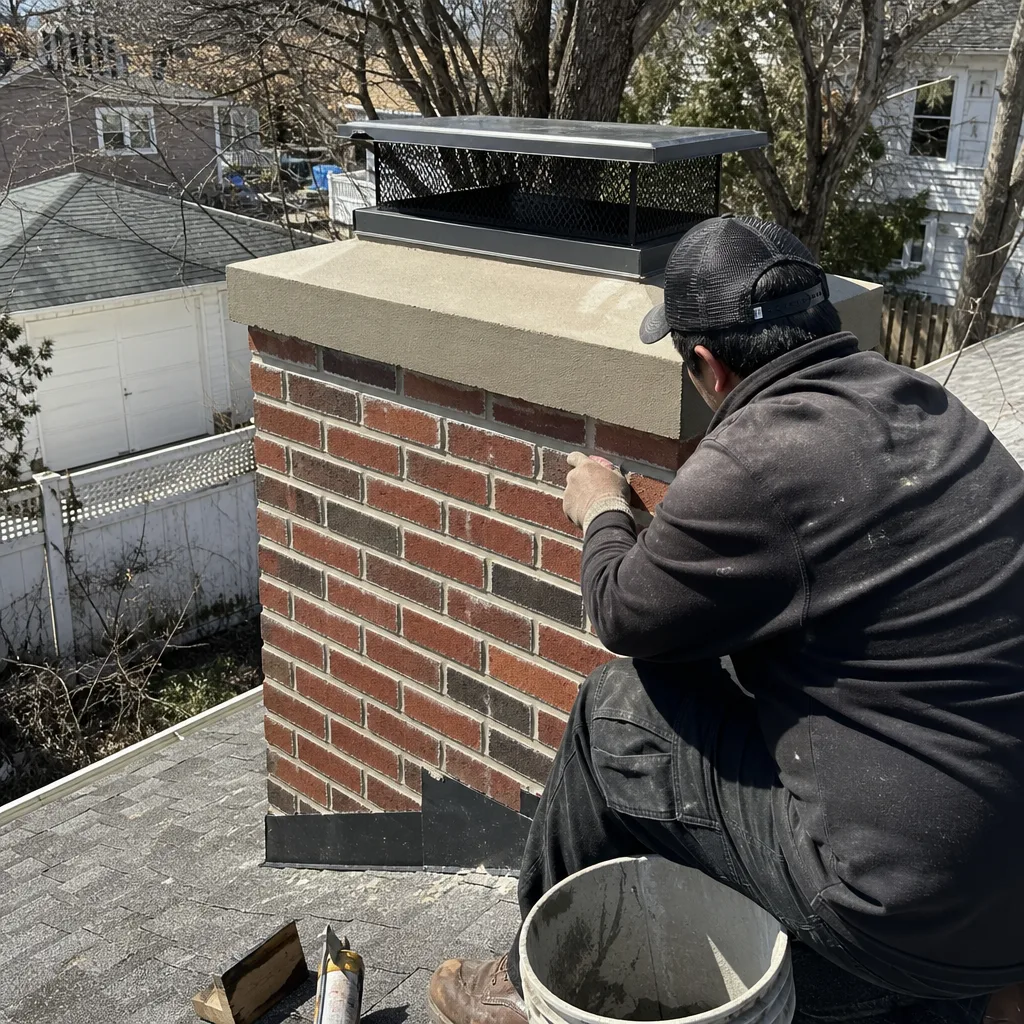 After
After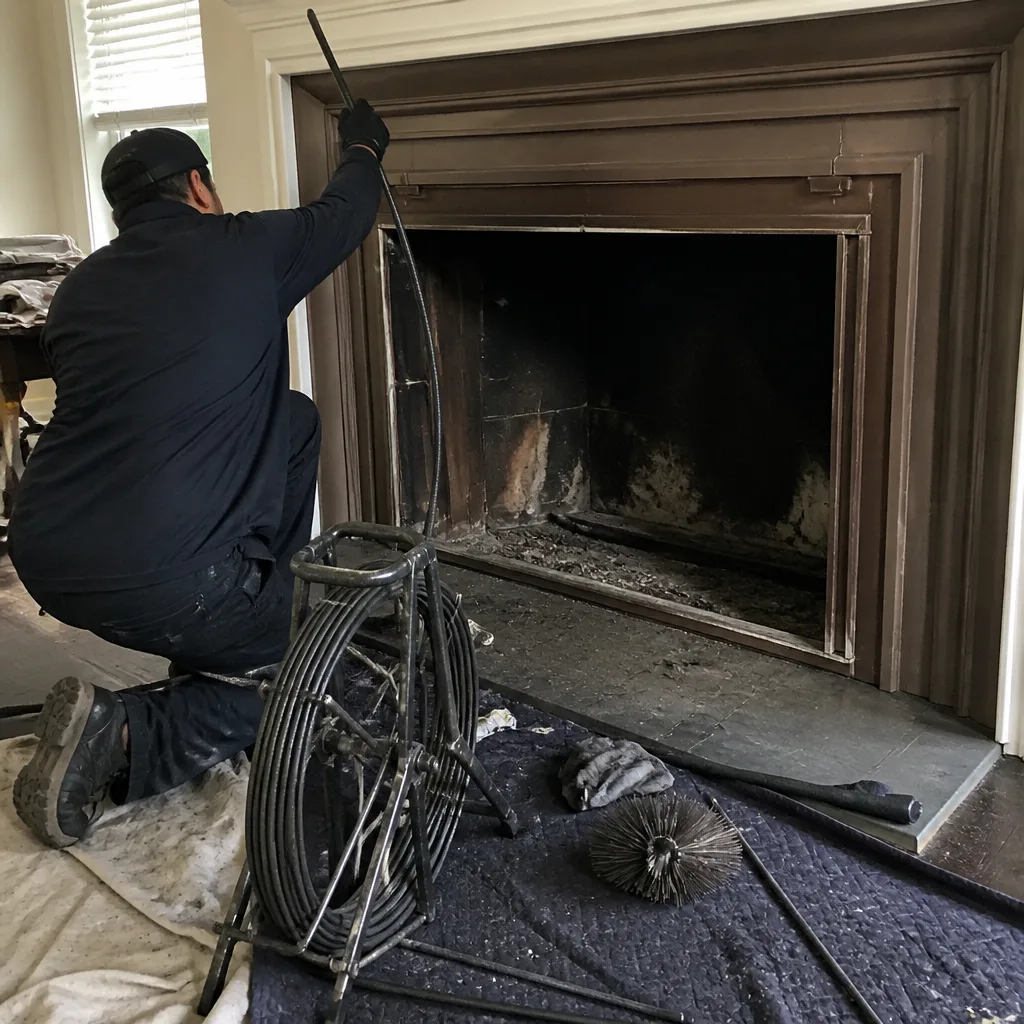 Before
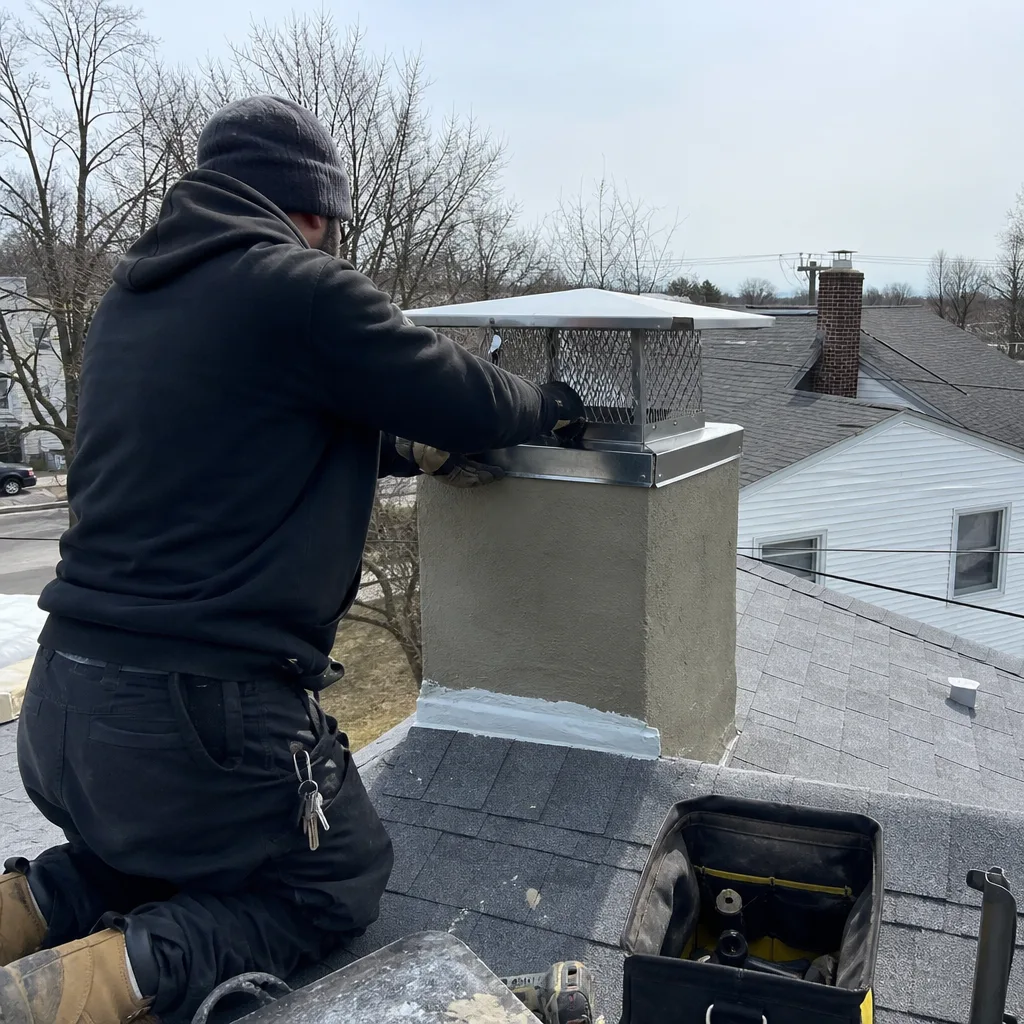 After
After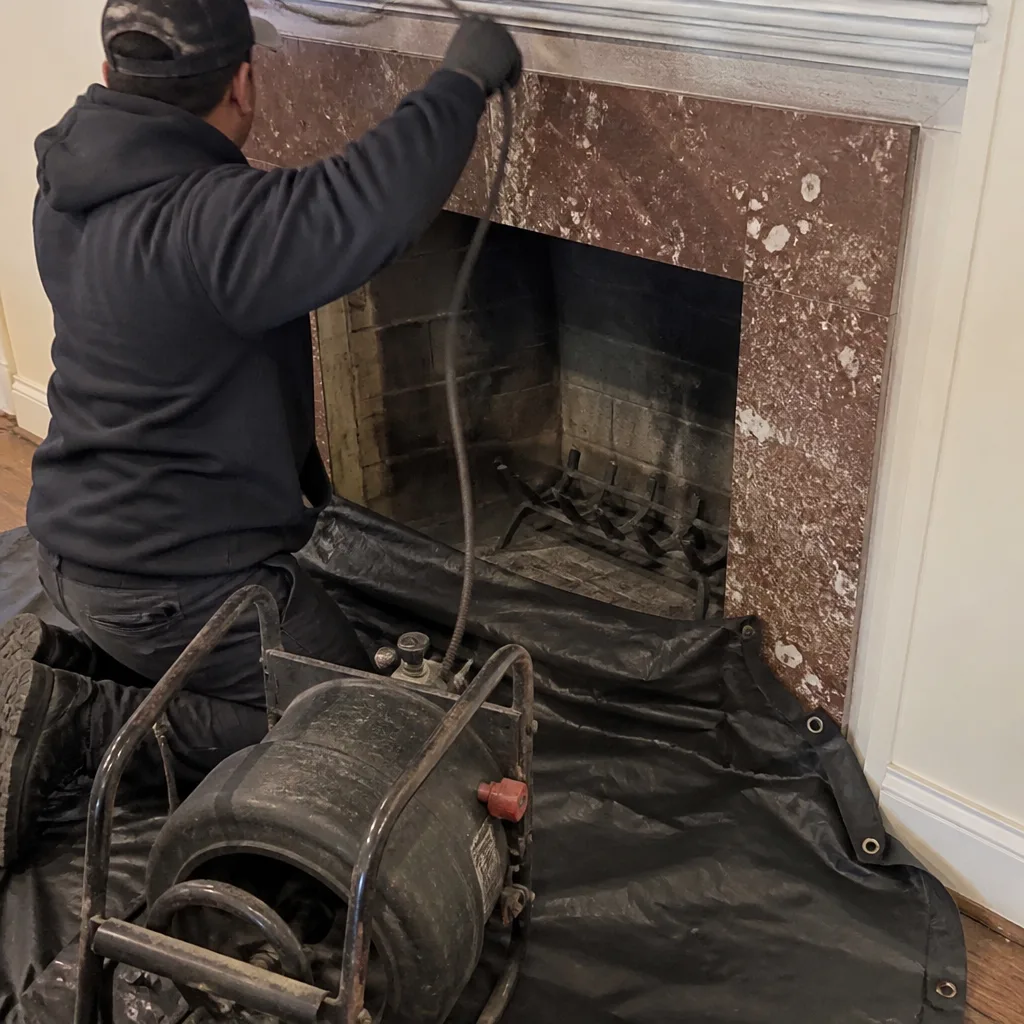 Before
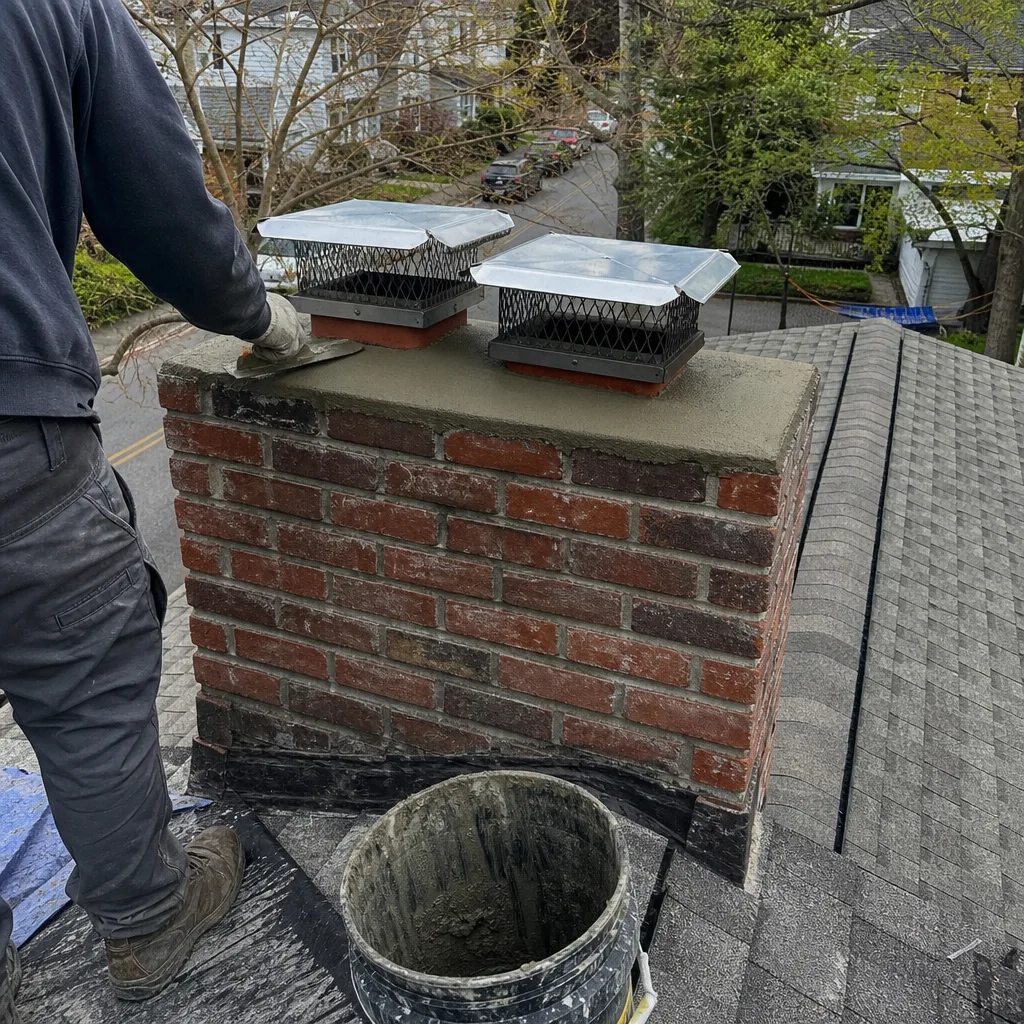 After
AfterChimney Cleaning & Sweep Maintenance Checklist for Flushing Homeowners
The most common reason a chimney cleaning in Flushing turns into an emergency repair is not deferred maintenance. It’s undocumented maintenance. Homeowners who couldn’t prove when their last cleaning happened, what was found, or what was recommended, paid an average of $400 more in diagnostic time at the point of failure. A sweep has to start from zero, which means extra camera time, extra scope, and extra cost. Our Complete Guide to Chimney Cleaning in Flushing gives you a room-by-room, season-by-season checklist built around observable, checkable conditions you can record in writing and hand to a sweep before the camera ever goes down. If you own a home in Flushing, especially a rowhouse or a pre-1970 single-family, this is the record-keeping system that protects you.
Quick Answer
A chimney maintenance checklist for Flushing homeowners should be organized by location, not by calendar: firebox floor, smoke chamber, damper, exterior crown, and flue liner, each checked for creosote class, spalling, water intrusion, and blockages. Log every cleaning in writing with the date, the technician’s name, what was found, and photos. In Flushing, schedule our Chimney Cleaning & Sweep services based on actual use (burns per season), not a generic annual rule, and always check the crown and cap screen after winter freeze-thaw cycles and summer storm debris.
Table of Contents
- The Location-Based Checklist: What Normal Looks Like in Each Part of the Chimney
- What You Can Check Yourself vs. What Requires a Camera
- Flushing-Specific Maintenance Items: Freeze-Thaw, Rowhouse Mortar, and Urban Debris
- How to Log a Cleaning So the Record Actually Protects You
- Timing a Sweep Around Actual Use, Not a Calendar
- Understanding Creosote Classes and What They Mean for Flushing Homes
- Water Intrusion: The Fix That Costs More Than the Cleaning
- Common Mistakes to Avoid
BeforeAfterThe Location-Based Checklist: What Normal Looks Like in Each Part of the Chimney
Most checklists fail because they’re organized by season, not by location. A season-based list tells you to “check the chimney in October.” A location-based list tells you what you’re looking at and what normal looks like, so you can spot the difference. Here’s the five-location breakdown we use on every Chimney Cleaning & Sweep in Flushing visit, and what you should record before we arrive.
1. Firebox Floor
The firebox is the brick box where the fire actually burns. Normal: a flat bed of ash no deeper than two inches, no cracks wider than a nickel in the floor brick, and no loose firebrick. What to record: any cracks, any bricks that shift when pressed with a poker (gently, from a safe distance, with the fire completely cold), any white staining (efflorescence) on the brick face, and any gaps between the firebox floor and the back wall. If you see a gap wider than a quarter inch at the back wall, that’s a candidate for a Chimney Repair in Flushing quote. Firebox floor cracks are how heat reaches the framing under your hearth.
2. Smoke Chamber
The smoke chamber is the sloped brick area above the damper that funnels smoke into the flue. This is the hardest area for a homeowner to see, since it sits above the damper and below the flue. Normal: smooth, parged (coated) surfaces, no missing mortar, no visible gaps. What to record: nothing you can see from below. This is where a camera matters. The smoke chamber is the most common place we find gaps in older Flushing rowhouses, where original mortar from the 1930s and 1940s has simply fallen out. Warm flue gases accelerate through the smoke chamber’s narrowing shape, and a gap here allows heat to reach combustible surfaces you can’t see.
3. Damper
The damper is the metal plate that opens and closes the throat of the chimney. Normal: moves freely through its full range, seats fully when closed, no rust-through, no warped corners. What to record: stiffness, rust flakes on the handle, a damper that drops open on its own, or one that won’t close fully. A damper stuck partially open drains conditioned air from your Flushing home in winter and lets humid air in during August. If you can hear the damper rattle in wind, that’s a seating problem worth recording.
4. Exterior Crown
The crown is the concrete or cement slab at the top of the chimney structure that sheds water away from the flue liner. Normal: a solid, uncracked surface with a slight slope away from the liner, and no visible gaps where the crown meets the liner or brick. What to record: hairline cracks, missing chunks, surface pitting, and any plant growth in cracks. Flushing’s freeze-thaw cycle is the most aggressive force against the crown. A crown crack that’s hairline in November can be a quarter-inch by March. Water that gets past the crown is the number one cause of spalling brick and liner damage we see in Flushing chimneys.
5. Flue Liner
The flue liner is the inner surface of the chimney that contains heat, gases, and creosote. Normal: an intact, continuous surface with no cracks, no gaps between sections, and no visible bulging. What to record: nothing you can see from the firebox. A flue liner requires a camera scan. Ceramic tile liners crack with age and thermal stress. Stainless liners like DuraFlex and Copperfield systems resist corrosion but still need visual verification. If a liner cracks, the chimney is no longer code-compliant to burn until it’s repaired or replaced.
What You Can Check Yourself vs. What Requires a Camera
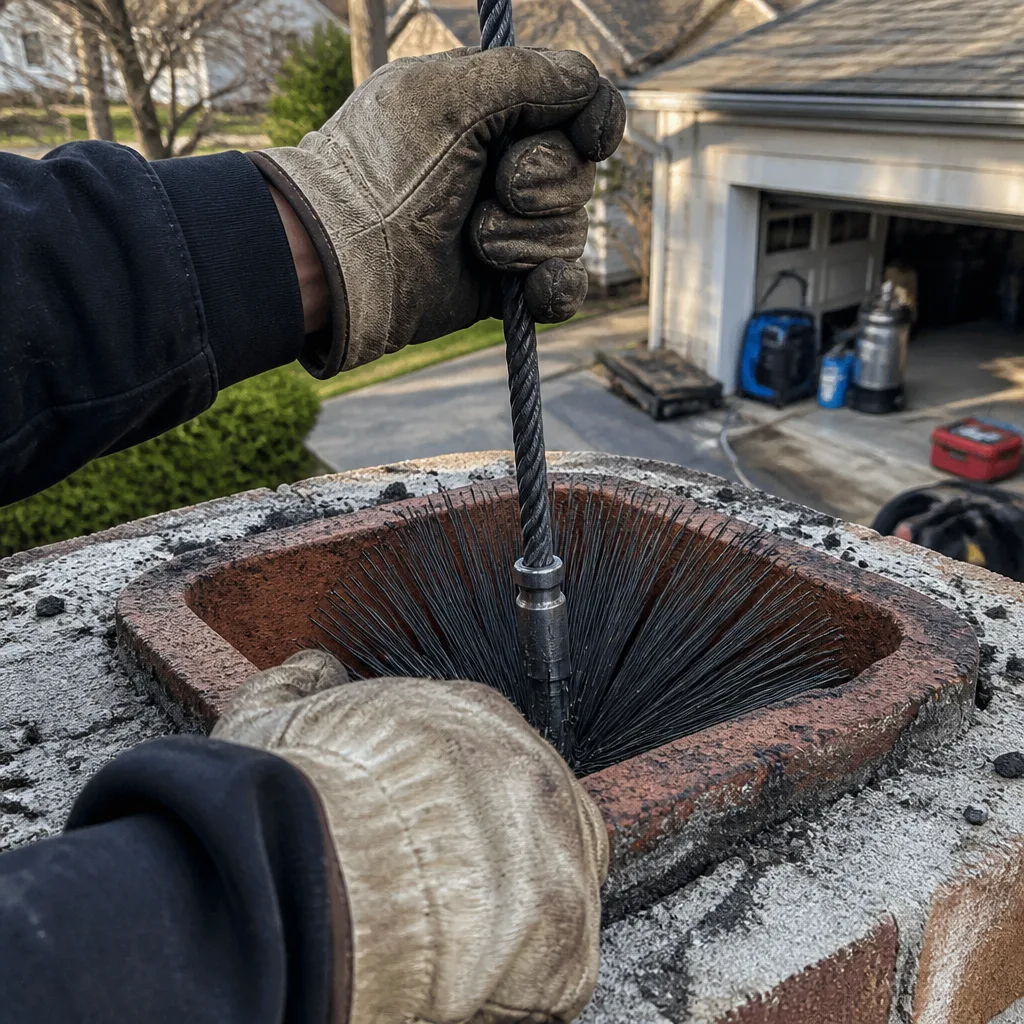
There’s a line between homeowner-observable and sweep-observable conditions. Knowing the difference saves you money, because you’re not paying a technician to document what you already recorded, and it prevents dangerous DIY mistakes. Here’s the split.
What You Can Legitimately Check Yourself
- Firebox floor and walls: look for cracks, loose brick, white staining.
- Damper operation: open and close it, listen for grinding, check the seating.
- Exterior brick and mortar: from the ground or a ladder placed safely on level ground, look for crumbling mortar joints, spalling brick faces, and bulges.
- Crown condition: from a roof access point or a ladder, look for cracks and moisture staining. If you’re not comfortable on a ladder, skip this and let the camera catch it instead.
- Cap screen blockage: look for leaves, twigs, plastic bags, and urban debris caught in the screen.
- Odor: a strong smoky or musty smell in the room, especially in humid weather, is data. Record it.
- Water stains on the ceiling or walls near the chimney chase: these are not chimney-specific, but they’re critical to mention.
What Requires a Camera and a Trained Sweep
- Flue liner condition: cracks, gaps, separation, and spalling inside the liner are not visible from below. You need a camera scan. This is Clause 4 of the Haven Standard: a documented photo record on every job, not an optional add-on.
- Smoke chamber integrity: the geometry of the smoke chamber blocks direct sight lines. A camera is required.
- Creosote class determination: creosote has three classes, from dusty (Class I) to glazed and tar-like (Class III). Class determination matters for safety and cleaning method. A homeowner cannot distinguish Class II from Class III from the firebox floor.
- Mid-flue blockages: nests, dead animals, and debris plugs are often invisible from either end.
- Liner sizing and draft testing: whether your liner is correctly sized for your appliance requires measurement and sometimes a draft reading.
If you want to hand us useful data, record what you can see and smell, in writing, with the date. That makes the camera scan more efficient, and a more efficient scan means a shorter visit and a lower diagnostic cost.
Flushing-Specific Maintenance Items: Freeze-Thaw, Rowhouse Mortar, and Urban Debris
Flushing is not a generic chimney market. We have specific environmental and structural conditions that generic checklists miss entirely. Here’s what we see across Flushing, from Kissena Park to Broadway to the rowhouse blocks off Northern Boulevard.
Freeze-Thaw Crown Damage
Queens winters cycle through freeze and thaw repeatedly from December through March. Water seeps into micro-cracks in the crown, freezes, expands by about nine percent, and wedges the crack wider. One freeze-thaw cycle does almost nothing. Forty cycles in a single winter can open a hairline crack into a structural fissure. This is the single most common crown failure mode we document in Flushing. Checking the crown in April, after the last thaw, tells you what the winter did. Checking it in November, before the first freeze, tells you what you’re about to subject it to.
Rowhouse Mortar Joint Checks
Flushing has thousands of attached and semi-attached rowhouses, many built between 1910 and 1950. Shared chimney stacks mean your chimney is structurally connected to your neighbor’s. When mortar joints fail on the shared stack, the problem is rarely isolated to one unit. We regularly see one side of a shared stack with missing mortar while the other side looks fine, because the sun and wind load differently on each face. Record the condition of your side’s mortar joints, but know that a full assessment of a shared stack may require checking both sides. If your neighbor’s side is failing, your side is next.
Cap Screen Blockage from Urban Debris
Flushing has mature tree canopies, apartment complexes, and constant wind. Cap screens collect leaves, plastic shopping bags, construction debris, and bird nesting material at a rate we don’t see in the suburbs. A blocked cap screen restricts draft, which pushes smoke back into the home. In summer, a blocked screen traps moisture, which accelerates rust on the cap and the top flue section. We’ve pulled plastic bags and tennis balls out of Flushing cap screens. Check yours after storms and during fall leaf drop.
Summer Humidity and Mortar Erosion
Flushing’s humid summer months from June through September introduce moisture that sits in older mortar. Mortar that’s already soft from decades of exposure absorbs humidity, swells, and then crumbles. If you see sandy grit at the base of your chimney or on the roof apron during a dry week, that’s mortar erosion. Record it, photograph it, and flag it for your next Fireplace Services in Flushing visit.
How to Log a Cleaning So the Record Actually Protects You
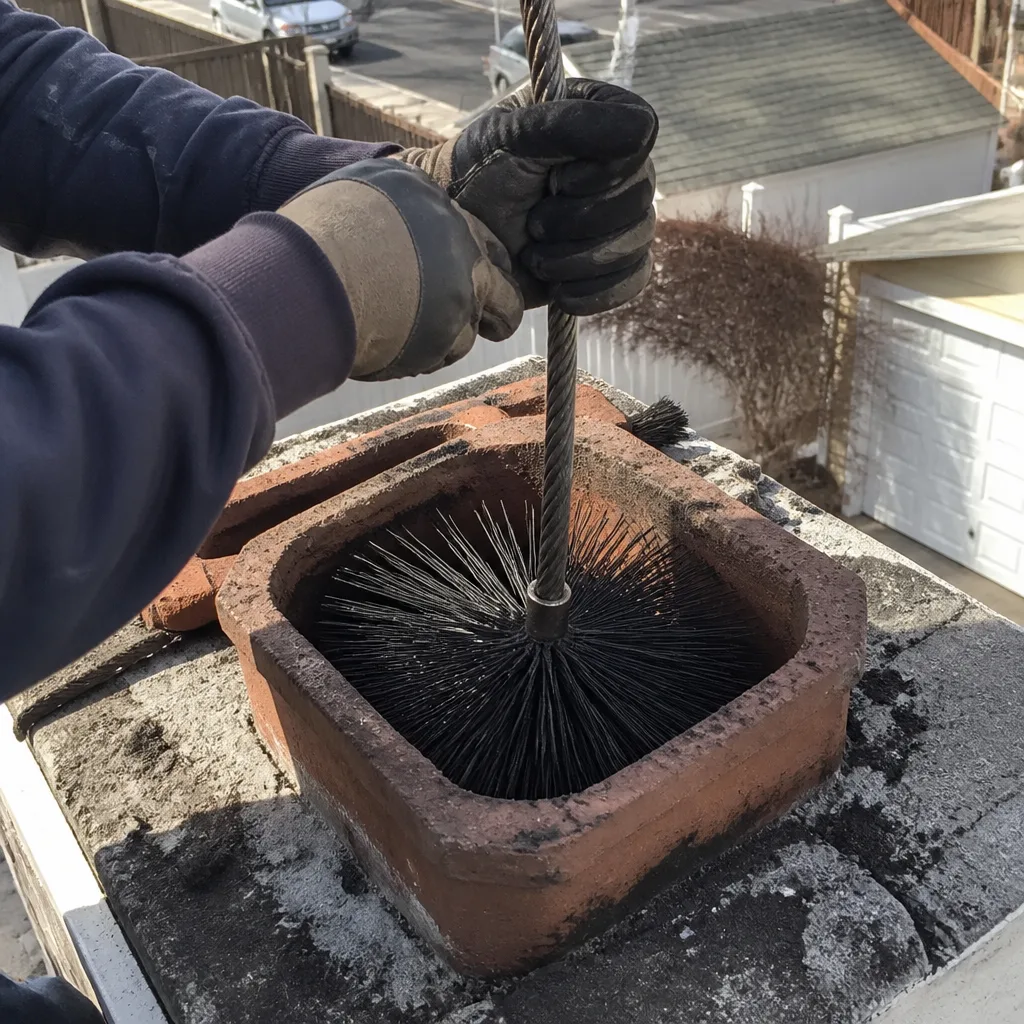
The point of a maintenance log is not nostalgia. It’s evidence. An insurer asking whether the chimney was maintained, a buyer’s inspector asking about fire history, a sweep trying to establish a baseline for future wear, all of these ask the same question: what do you know, in writing, with dates and documentation? Here’s the recording method we recommend to every Flushing homeowner we serve.
- Date of service, in full: February 14, 2026, not “Feb 2026.”
- Technician or company name: the actual person who did the work, not just the brand.
- What was done: sweep, inspection, repair, liner replacement. Be specific: “Level 2 camera inspection, creosote removal, crown sealant applied.”
- What was found: creosote class, liner condition, crown condition, moisture readings. Write down exact phrasing: “Class II creosote, minor spalling at crown, no liner cracks.”
- What was recommended and at what cost: if a repair was suggested, write the scope and the written price. If you declined, note that you declined and why.
- Photographic evidence: at least three photos: firebox before, firebox after, and any area of concern. Camera footage is even better. Clause 4 of the Haven Standard requires a documented photo record on every job, and that archive has been running continuously since 2009. If your sweep doesn’t automatically provide one, request it in writing.
- Store the record where you store important papers: a binder, a digital folder, a home maintenance app. The location doesn’t matter. Consistent storage does.
A properly logged cleaning record does three things. It proves you maintained the chimney if an insurer asks. It gives a future buyer evidence of care rather than a verbal assurance. And it saves the next sweep diagnostic time, because we don’t have to re-establish history through guesswork. In our experience in Flushing, a well-documented chimney history cuts diagnostic time by roughly half. That’s real money.
Timing a Sweep Around Actual Use, Not a Calendar
The generic advice is “have your chimney swept annually.” That’s not wrong, but it’s not precise. The right question is: how many burns did you actually run? Here’s the simple math we use in Flushing.
The Burns-Per-Season Estimate
- Zero to 10 burns per season: sweep every two years, with a visual check of the crown and cap screen annually. Most Flushing homeowners with gas inserts fall here.
- 10 to 30 burns per season: sweep annually. This is the typical wood-burning fireplace with weekend use between November and March.
- 30 to 60 burns per season: sweep annually and consider a mid-season camera check if you notice reduced draft or stronger odors. This is a fireplace used most evenings in winter.
- 60+ burns per season or a wood stove as primary heat: sweep twice per season. We see this in older Flushing homes that retained their original wood heat and also added insulation, which changes draft and accelerates creosote buildup.
Flushing Timing Reality
Most Flushing homeowners burn from late October through late March. The smartest time to sweep is September, before the burn season starts. September is dry, the crown and cap screen have been through summer heat and humidity, and you’re not competing with winter emergency calls. The second-best time is April, after the season ends, which catches freeze-thaw crown damage at its most visible. Calling in January means waiting behind everyone else who realized they should have called in September. A September sweep in Flushing also catches any storm debris from late-summer thunderstorms before you light the first fire.
Understanding Creosote Classes and What They Mean for Flushing Homes
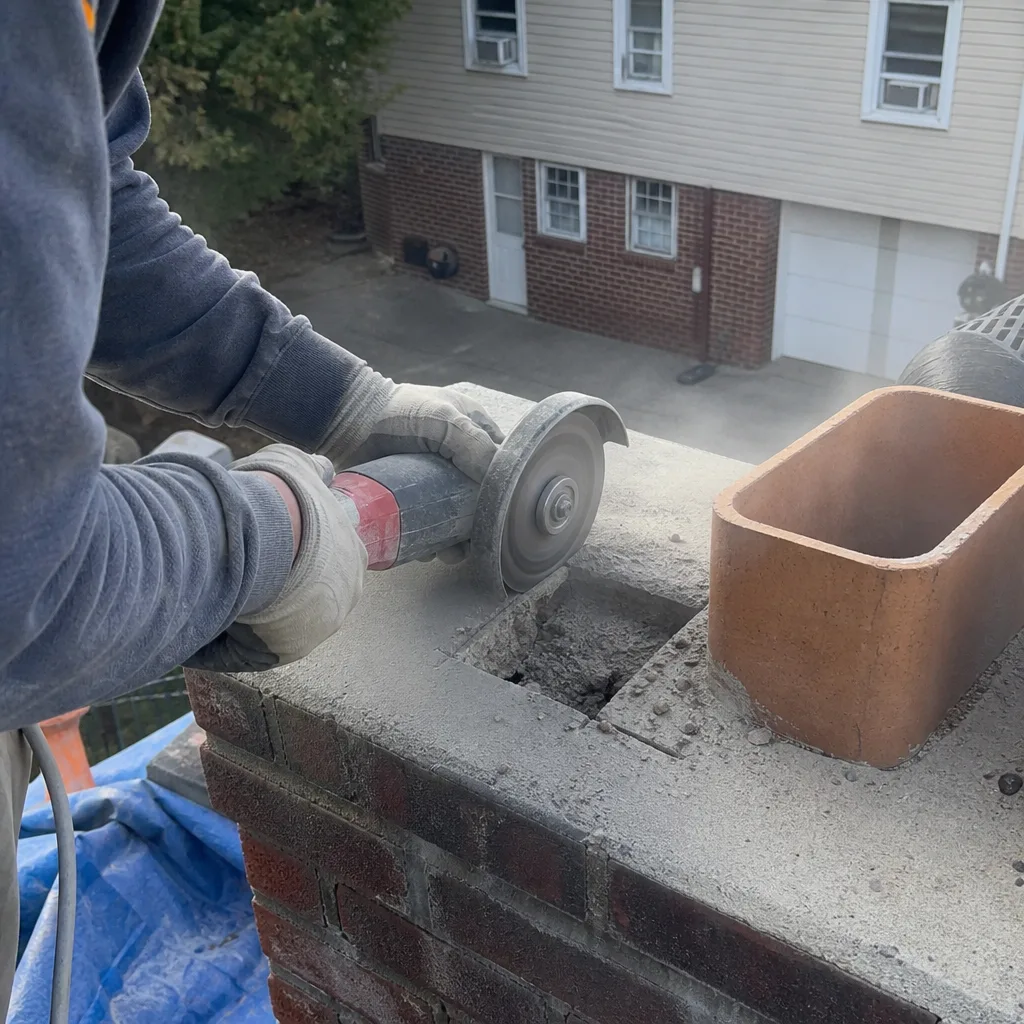
Creosote is the combustible residue left when wood smoke cools and condenses on the flue liner. The National Fire Protection Association (NFPA 211) recognizes three classes, and the class determines what needs to happen next. Here’s the plain-English version.
Class I: Dusty and Flaky
Class I creosote looks like fine black dust or thin flakes. It forms during hot, efficient burns with dry, seasoned wood. It’s the easiest to remove with standard chimney sweeping brushes. If your record shows Class I creosote in Flushing, your wood is properly seasoned and your burn habits are solid.
Class II: Crusty and Chunky
Class II creosote looks like black popcorn or chunky crust. It forms from slightly cooler, less complete burns. It requires more aggressive mechanical cleaning, often with rotary tools. Class II is common in Flushing fireplaces that burn wood from local suppliers that’s not fully seasoned, or that run with the damper partially closed to stretch burn time.
Class III: Glazed and Tar-Like
Class III creosote is a shiny, hardened, tar-like coating. It forms when wood is wet or unseasoned, when burns are smoldered at low temperature, or when the flue is oversized for the appliance, which we see in older Flushing homes converted from coal. Class III is a genuine fire hazard: it ignites at lower temperatures than Class I or Class II and burns hot and long. Removing Class III typically requires chemical treatment followed by mechanical removal, or in severe cases, a liner replacement. This is where materials like HeatShield or DuraFlex come in, because the liner itself may be too damaged to keep. A Class III finding is not a scare tactic. It’s a documented condition with a specific remediation path and a written price before work starts.
Water Intrusion: The Fix That Costs More Than the Cleaning
A chimney cleaning in Flushing typically costs $180 to $340. A water-damaged chimney repair costs $1,200 to $4,000, depending on whether the crown needs rebuilding, the liner needs replacing, or the brickwork needs repointing. The difference between the two is whether water has been getting past the crown or through the brick. Here’s what water does once it gets in.
Water dissolves mortar. Brick absorbs it and spalls, which means the face of the brick pops off. The flue liner cracks under thermal stress when moisture-soaked materials heat and cool. The smoke chamber mortar washes out. Once water intrusion starts, every burn cycles the damage deeper. In Flushing, where freeze-thaw cycles from December through March add mechanical expansion on top of chemical erosion, a crown crack left alone for two winters is a repair, not a reseal.
The check is simple: after the last snow melt, look at the crown for cracks and the brick for white staining. White staining is efflorescence, which is the salt and mineral deposit left when water evaporates from the masonry. It’s not cosmetic. It’s evidence of water movement. Record it and call before the next winter. The Level Two Chimney Flushing home page shows exactly what a crown and liner documented record looks like.
Common Mistakes to Avoid
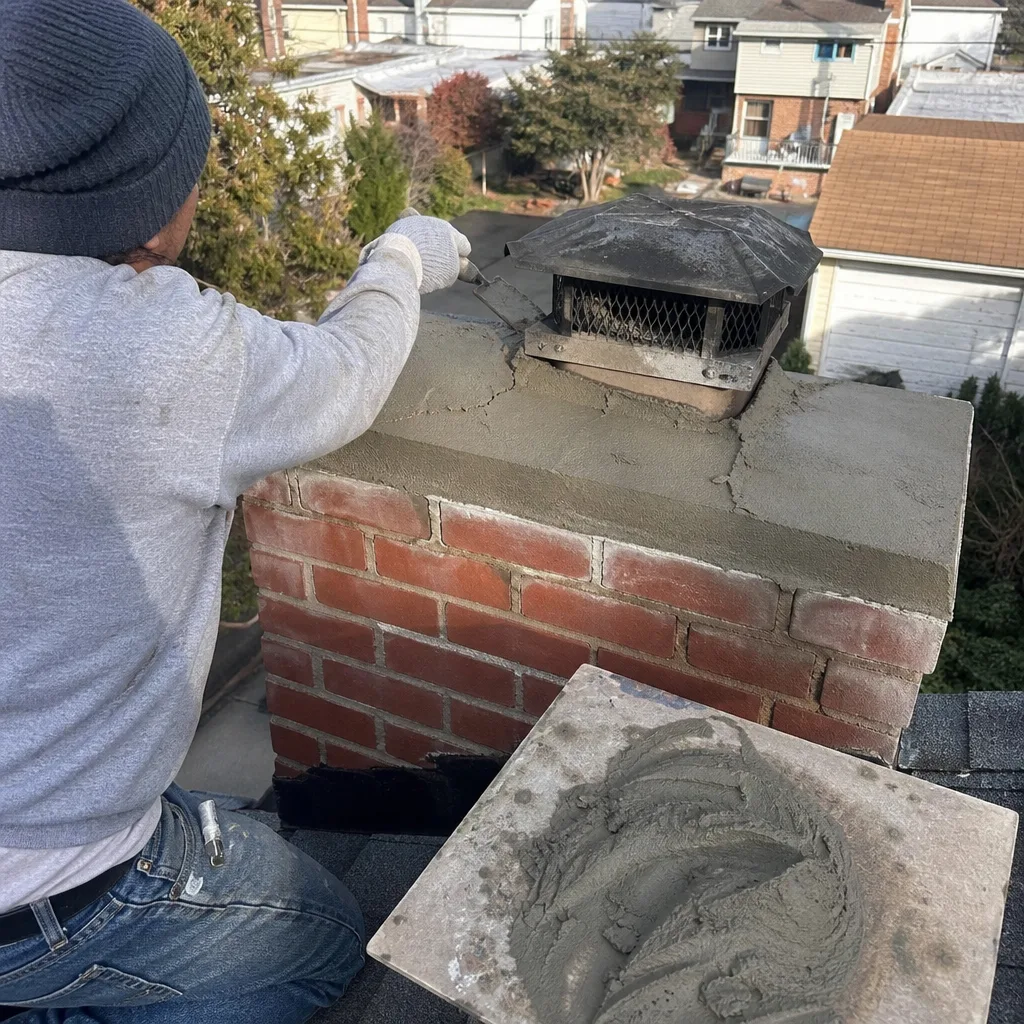
- Ignoring the cap screen “because it’s just leaves.” A partially blocked cap screen in Flushing reduces draft, increases creosote formation, and looks fine from the ground. Check it from above or have it included in your camera scan.
- Sweeping on a strict annual basis regardless of use. If you burned four fires, you don’t need a sweep. If you burned seventy, you need two. Track burns, not birthdays.
- Failing to record the last cleaning date. See the opening paragraph. The $400 diagnostic premium is real.
- Assuming gas fireplaces need less maintenance. Gas logs still produce acidic condensate that corrodes liners and caps. Flushing homes with gas inserts still need periodic inspection, just less frequent sweeps.
- Repointing one side of a shared rowhouse stack. Flushing shared stacks need both sides evaluated, or the repaired side fails again within a season or two.
- Using “chimney sweep logs” as a substitute for sweeping. Chemical logs loosen creosote but do not remove it. They’re not a cleaning.
- Waiting until the first cold snap to call. September in Flushing is the quietest, cheapest, fastest month to get on the schedule. January is not.
When to Call a Professional
Call a professional sweep if you see any of these conditions: a crack in the crown wider than a dime, white staining on the brick face, a damper that won’t close or seat properly, a strong smoke smell when the fireplace isn’t in use, visible spalling on the chimney brick, or black glazed creosote visible from the firebox. If water has been getting past the crown or the liner is Class III, do not burn again until a camera scan establishes the condition of the flue. See our Chimney Cleaning Warning Signs: A Flushing Homeowner’s Reference Guide for details. Burning with a damaged liner is a chimney fire risk, and a chimney fire in an attached Flushing rowhouse can spread through the shared stack before anyone notices. Level Two Chimney Flushing offers free estimates in Flushing. Call (516) 240-9191 to schedule a documented camera inspection with a written price before any work begins.
Frequently Asked Questions
A standard chimney cleaning and Level 2 camera inspection in Flushing typically costs between $180 and $340, depending on creosote class, roof access, and whether the home is a single-family or a rowhouse with a shared stack. Every Level Two Chimney Flushing job is quoted in writing before work begins, with a written scope and a written warranty. Call (516) 240-9191 for a free estimate.
Sweep frequency in Flushing depends on how many burns you run per season, not on a fixed calendar. A fireplace used 10 to 30 times per season should be swept annually. A wood stove used for primary heat should be swept twice per season. A gas fireplace can go two years between inspections.
You need a new liner if the camera scan shows cracks, gaps, separation, or Class III creosote that has penetrated the liner surface. We write the scope and show you the footage. If we can’t show you the damage on camera, we don’t recommend the liner. The Free Second Opinion on any written estimate is always available, including for liner work.
Creosote accumulates by class, from dusty to crusty to glazed and tar-like. Skipping several years in a frequently used fireplace means Class III creosote, which is a chimney fire hazard. It also means water intrusion has had more time to extend through cracks and erode mortar. The camera scan tells you what accumulated, and the record tells you what it costs to fix it.
You can record observable conditions from the firebox and exterior, but cleaning a chimney from the roof involves height, roof pitch, and professional rotary equipment. We don’t recommend it. A professional sweep with a camera scan also documents the after-condition, which is the record that protects you later.
Flushing falls under New York City building code and NFPA 211, which governs chimney construction, maintenance, and inspection. A Level 2 inspection is the standard for a property transfer or an insured claim. The Haven Standard’s Clause 4, which requires a documented photo record on every job, exceeds the minimum and has been standard practice at Level Two Chimney Flushing since 2009, running continuously since.
The Bottom Line
A chimney maintenance checklist only protects you if it’s built around what you can see, what you record, and what you hand to a sweep before the camera goes down. Check your firebox, damper, exterior crown, and cap screen on a seasonal rhythm that matches Flushing’s weather. Record every cleaning in writing with dates, findings, and photos, and explore more guides & resources to protect your home. Time your sweep to actual burn frequency, not a generic annual rule. And when the camera finds what you couldn’t see, which it often does, get the written price before any work starts. That’s the whole system.
Written by Corrine Halstead, Owner at Level Two Chimney Flushing, serving Flushing since 2009.