
Level 1 sweep and inspection to the NFPA 211 annual standard - flue, crown, cap, and flashing checked and photographed
Chimney sweep logs do not sweep chimneys. They loosen some creosote - which then falls where a brush and vacuum still have to collect it.
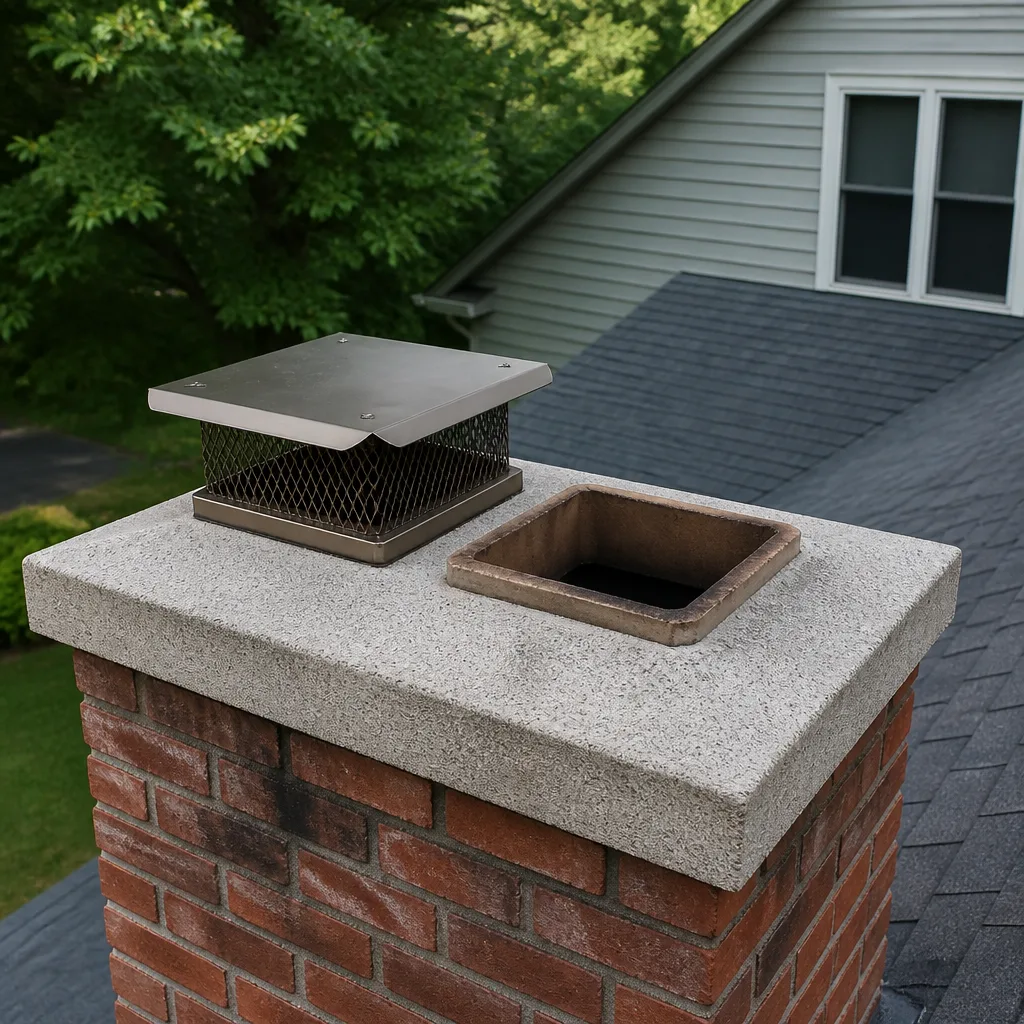
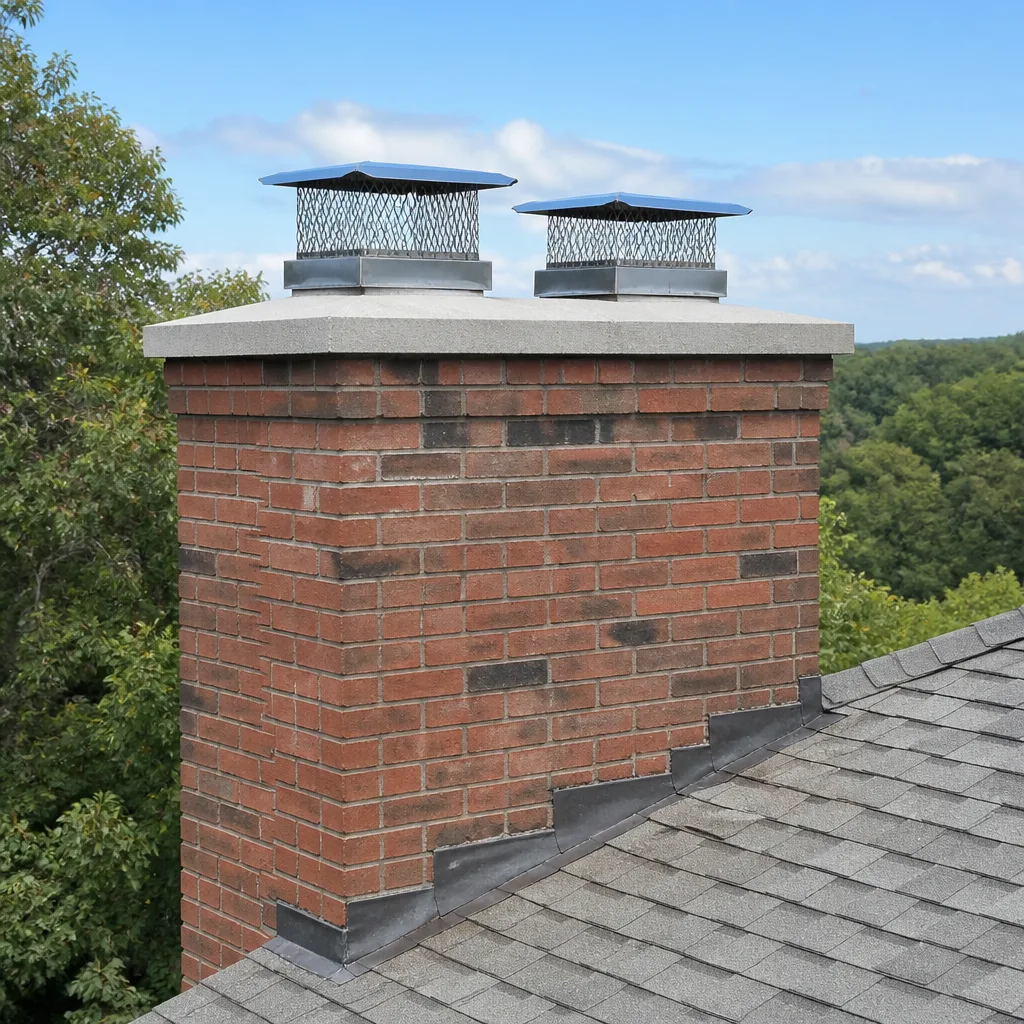
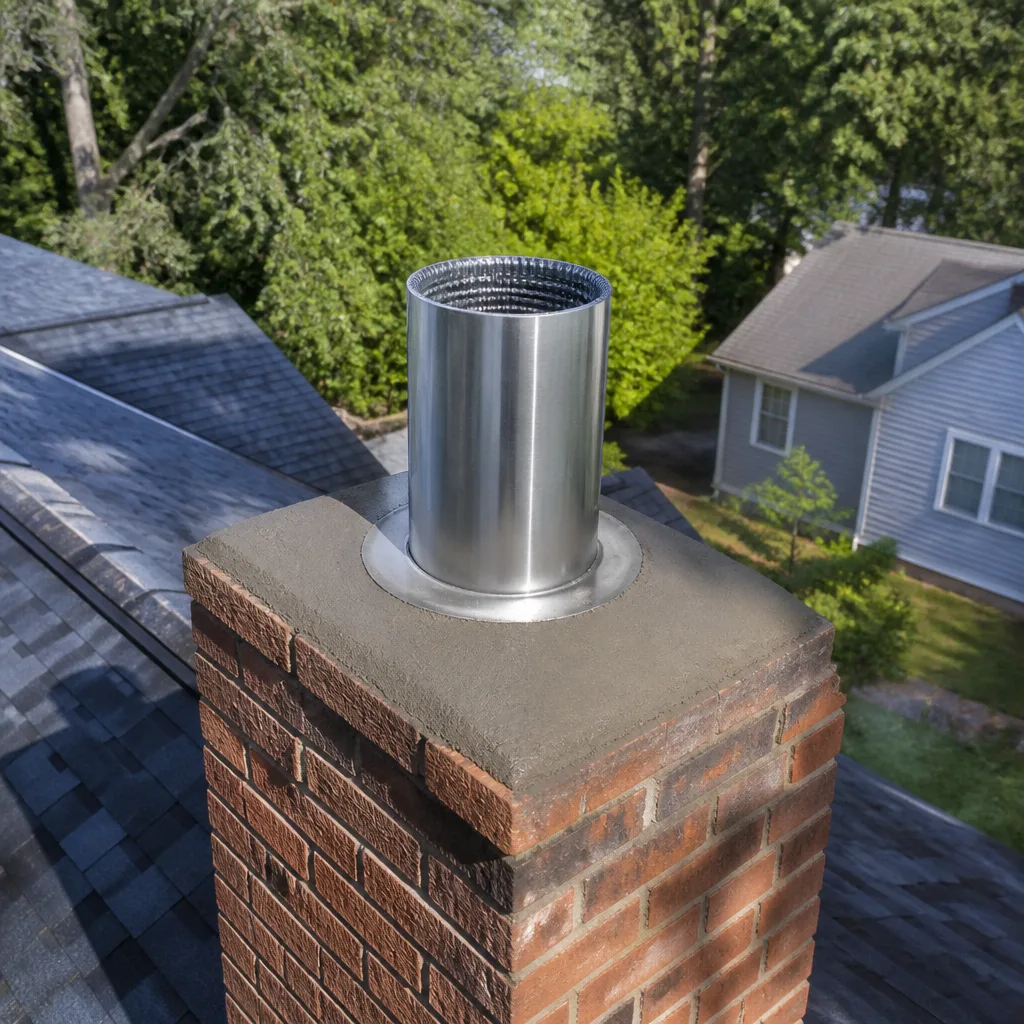
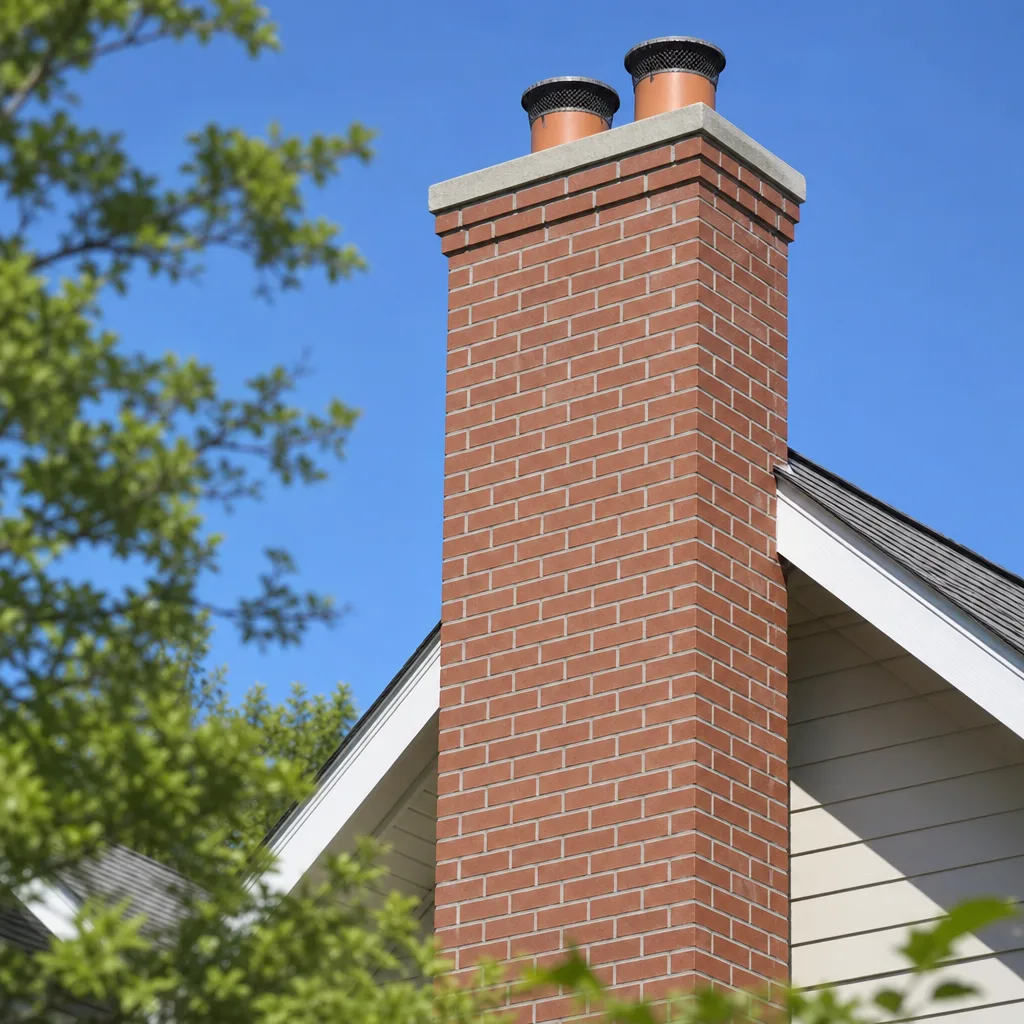
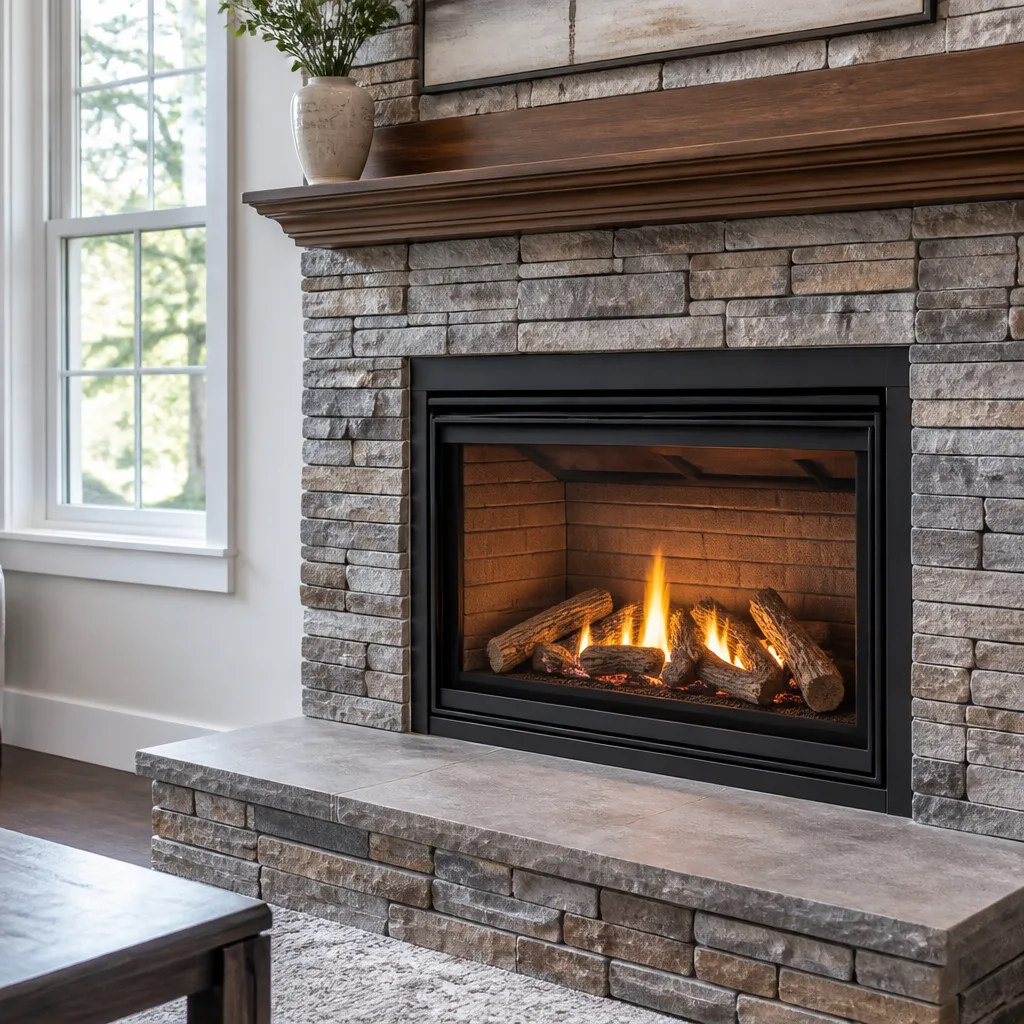
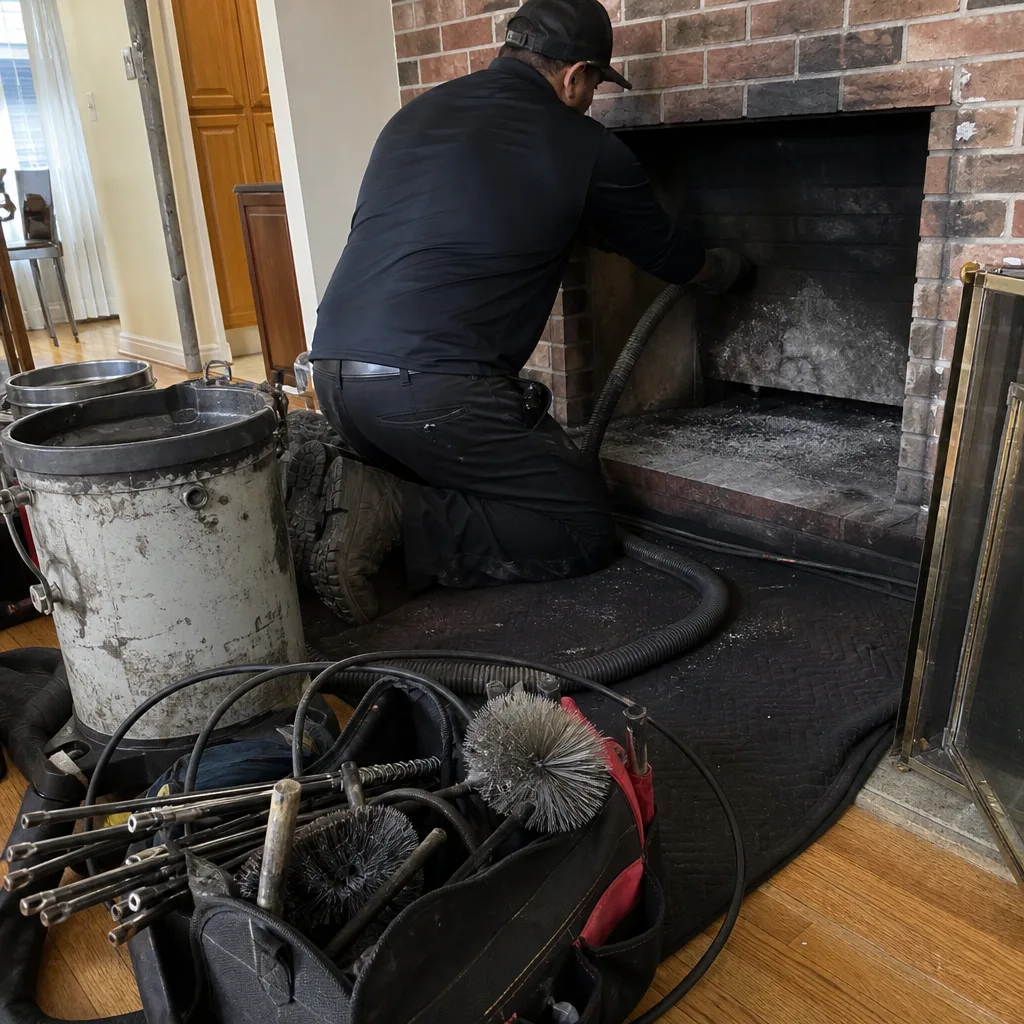 Before
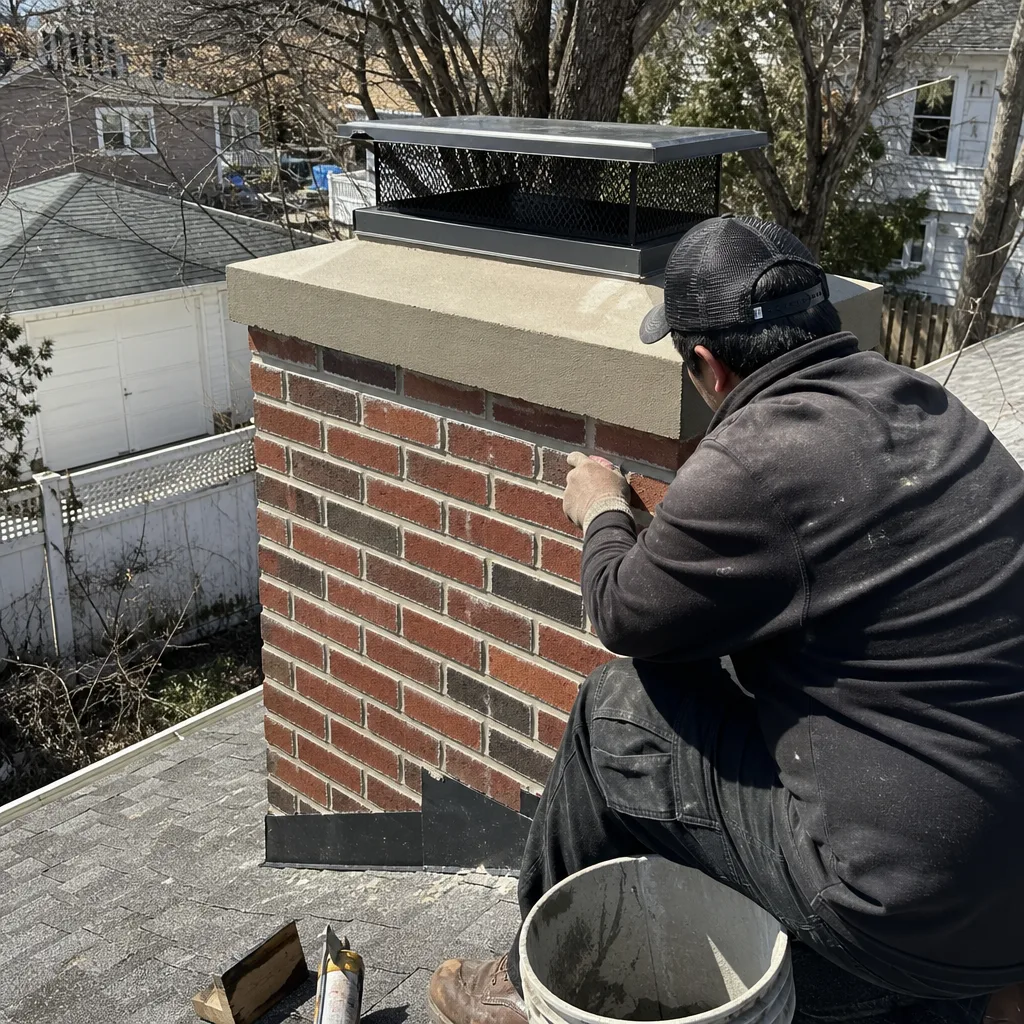 After
After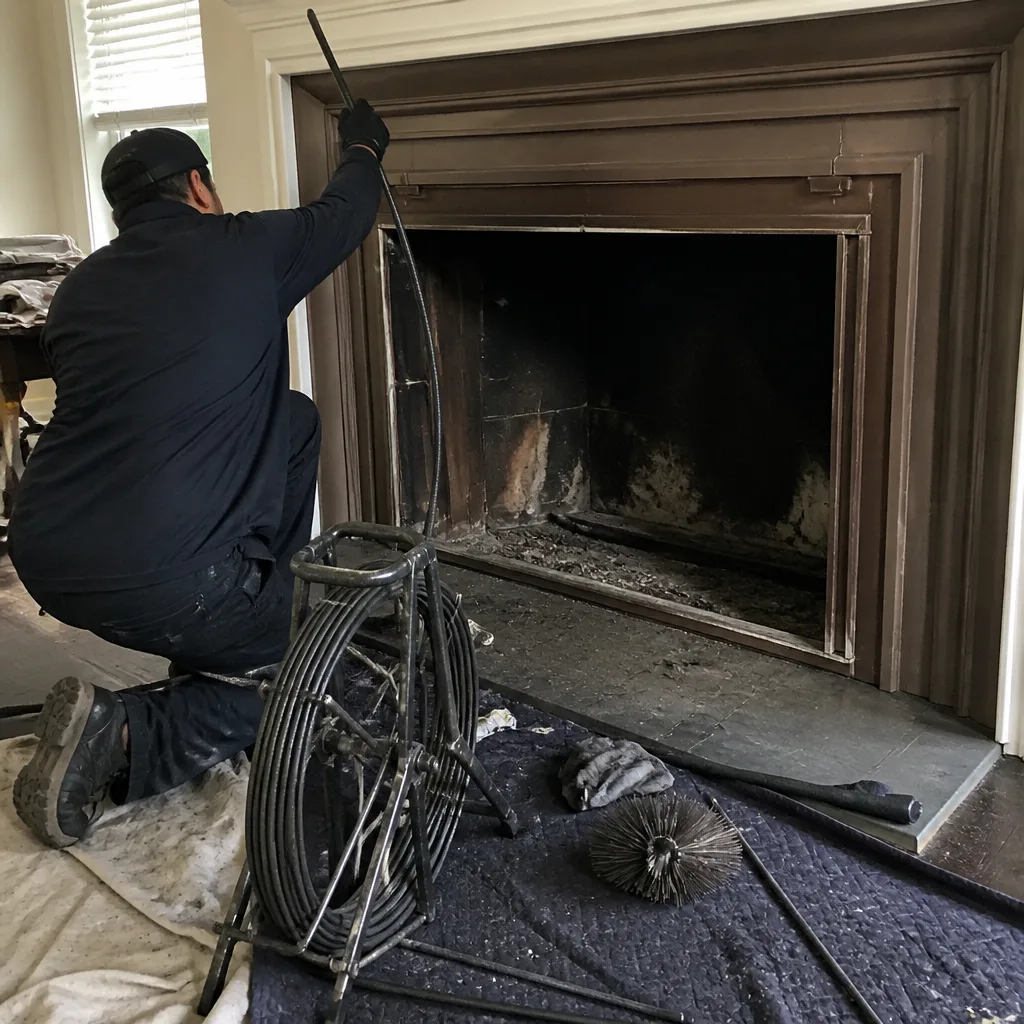 Before
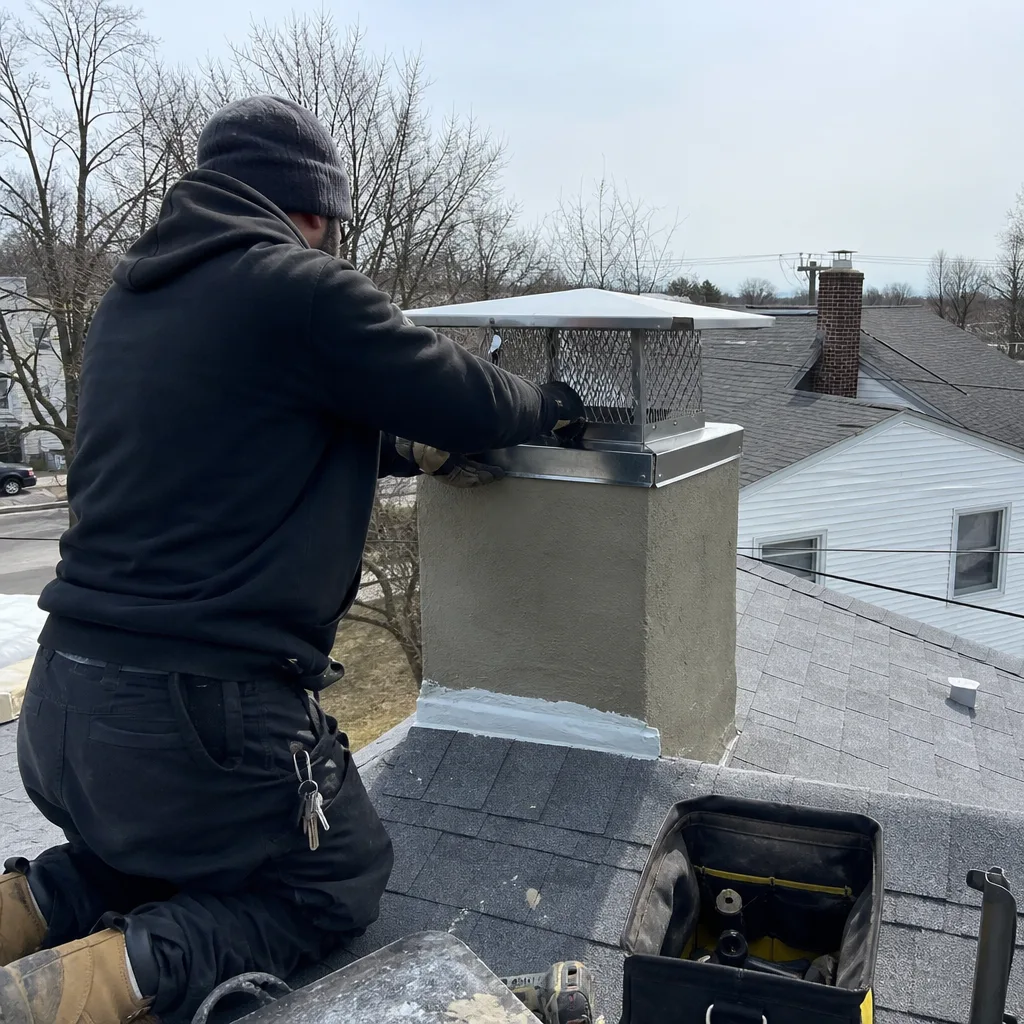 After
After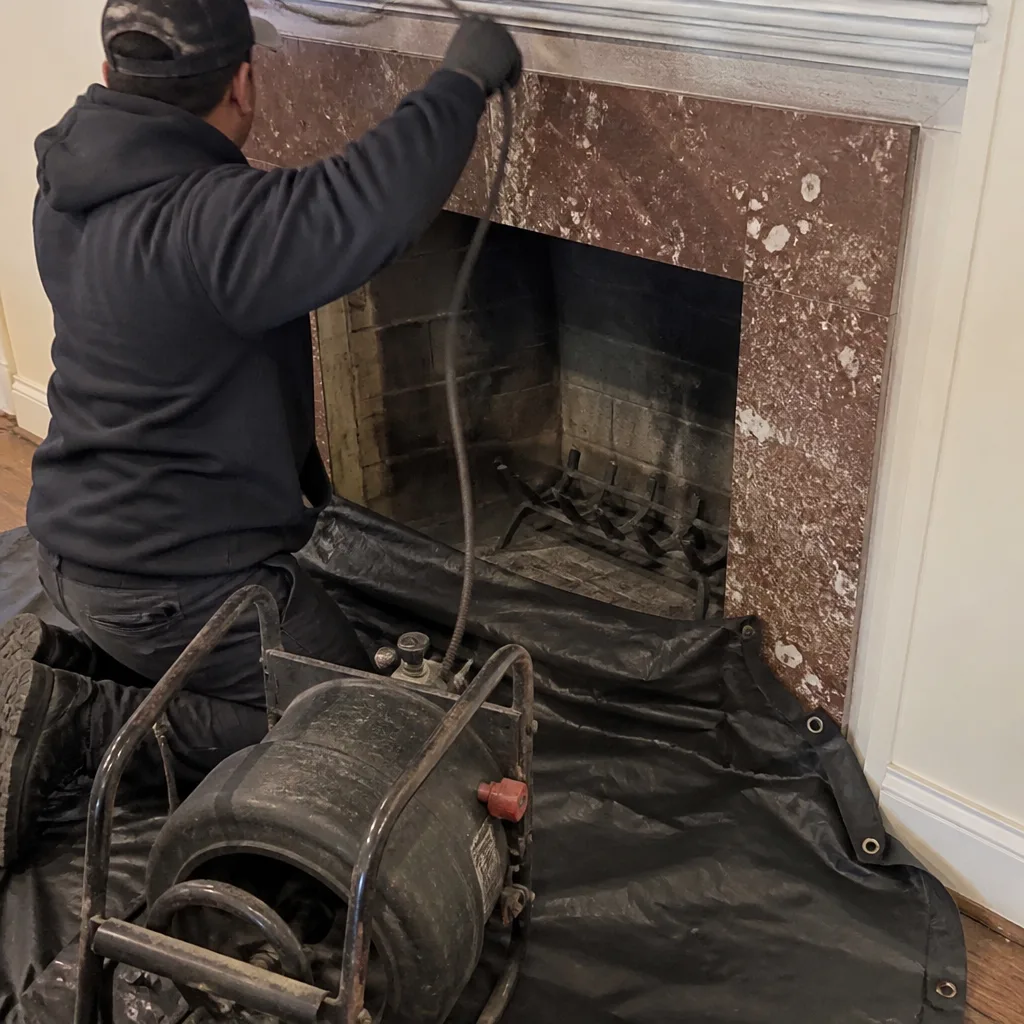 Before
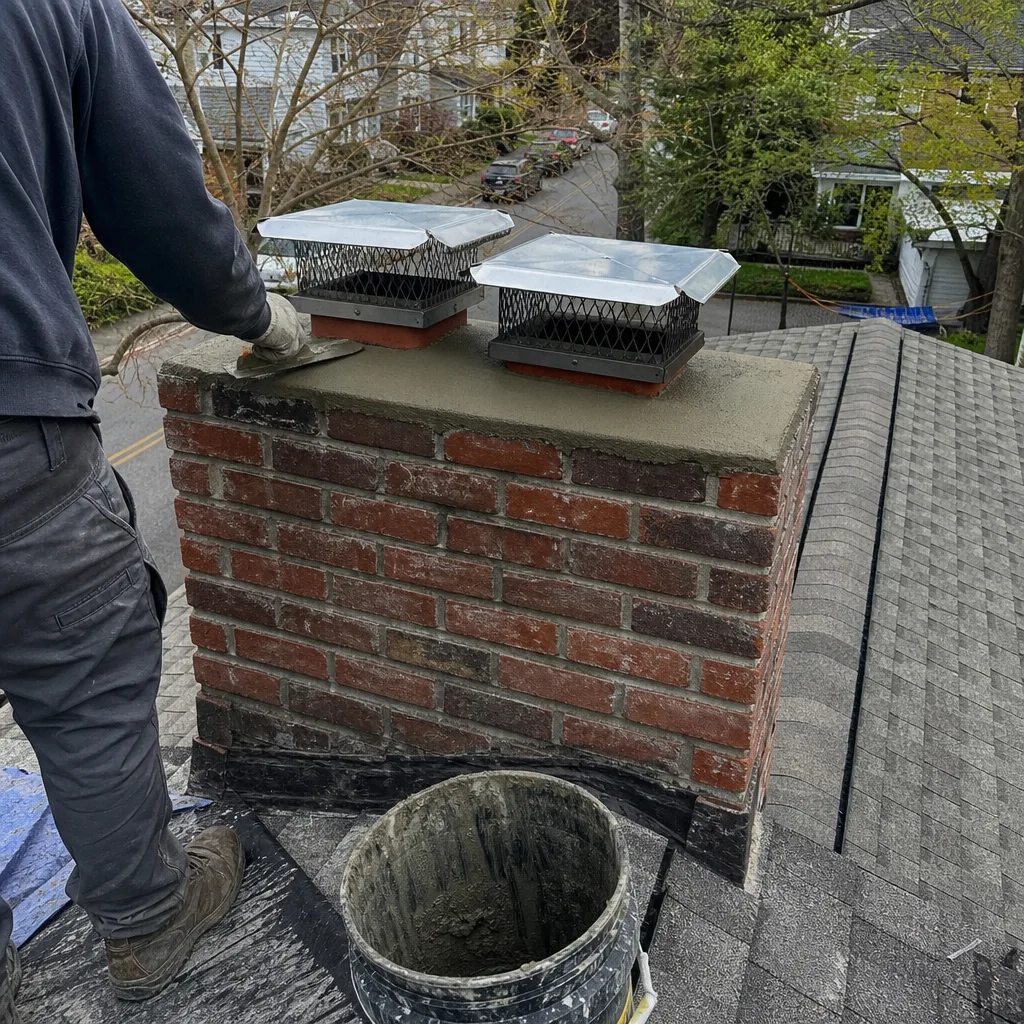 After
AfterCopperfield Flue Liner Replacement: The Flushing Owner’s Guide
We stock and install Copperfield-compatible flue liner replacement parts across Flushing, with most full replacements running $2,200 to $4,800 installed depending on flue height, liner diameter, and whether your existing crown or cap needs work at the same time. We carry Copperfield liner kits on the truck in common sizes, so if your flue measures out to a standard 6″ or 8″ run, we can often complete the swap the same week we inspect it. Most Flushing homeowners discover the problem the hard way: brown flakes in the firebox, a sulfur smell after rain, or a Level 2 camera scan that shows the liner has cracked or separated at a seam.
Which Copperfield Models This Applies To
Copperfield liners are manufactured in two main series that cover the vast majority of residential installations in Flushing: the standard 316L stainless flex liner and the heavier 316Ti alloy version intended for higher-temperature or wood-burning applications. If your liner is gas-only, the 316L is typically the correct match. If you burn wood or run a coal stove, you want the 316Ti, not the standard grade. The difference matters more in Queens than it does in drier climates – our humid summers and salt-adjacent air accelerate corrosion on the thinner 316L when it’s already working hard.
Identifying your Copperfield model starts with the label. Copperfield stamps a spec tag near the top connector on most installs, but on older liners that tag is often rusted away or hidden by insulation wrap. If the tag is gone, we measure the liner’s inner diameter and wall thickness with a micrometer. Copperfield runs true to nominal sizing, so a 6″ liner actually measures 6″ inside diameter. That sounds obvious, but several aftermarket brands run plus or minus an eighth inch, and that eighth inch decides whether your appliance connector seats properly or leaks exhaust into the chase. We also stock compatible aftermarket equivalents from DuraFlex, HeatShield, and Gelco when they’re the better fit for a given appliance, but for Copperfield-to-Copperfield replacement we always try to keep the match exact.
Signs Your Copperfield Flue Liner Replacement Is Failing
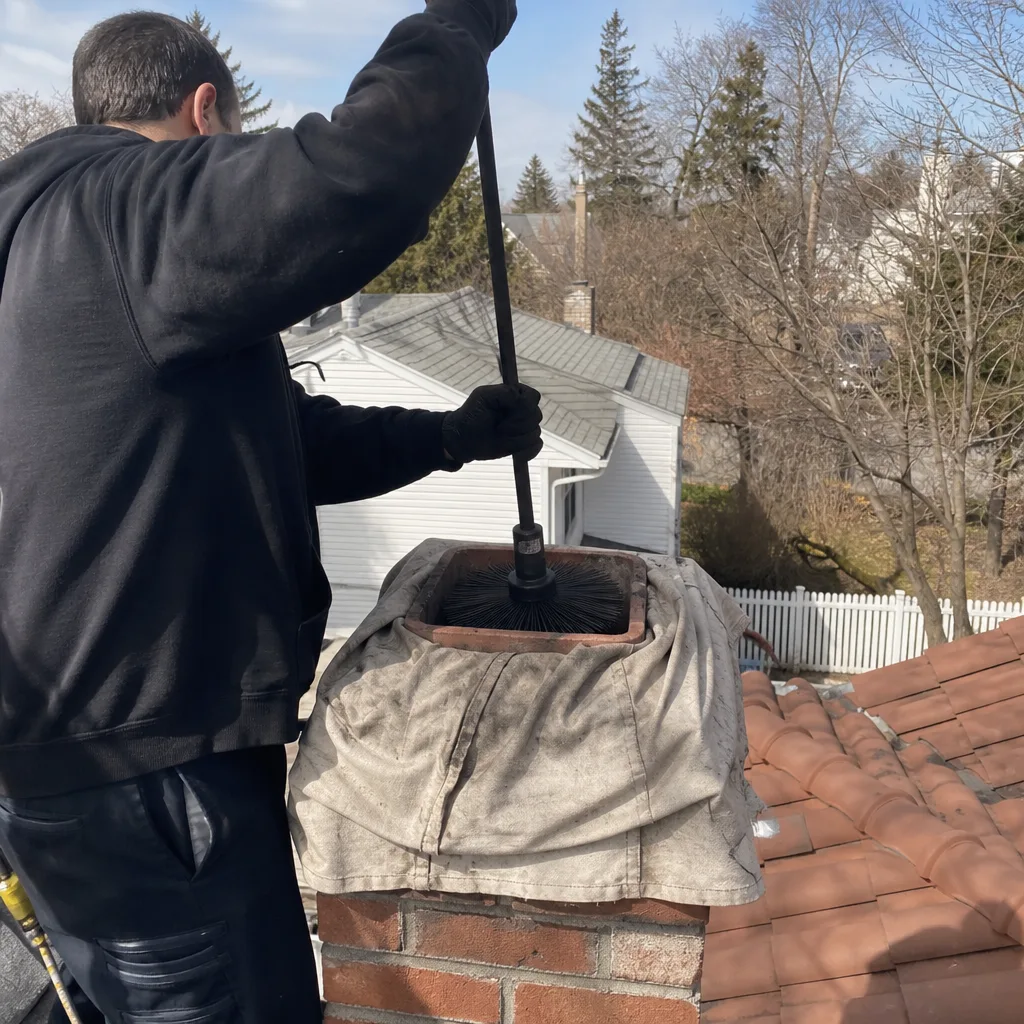
- Flaking metal or rust-colored dust in the firebox. This is liner material oxidizing from the inside out. By the time it flakes visibly, the liner wall has thinned enough that pinholes are either present or weeks away.
- Sulfur or “rotten egg” smell after rain. Water penetrates a failed liner and mixes with a thin creosote or soot film. Even a hairline crack produces this smell in Flushing’s wet spring months, when flues run cool and condensation pools at the liner base.
- Smoke backing up when you light a fire on a cold start. That’s a draft failure at the liner, usually a partial collapse or a disconnected section. The fireplace worked last season because the liner failure hadn’t progressed. It’s progressing.
- White staining or efflorescence on the chimney exterior. Moisture is escaping through the masonry because the liner no longer contains it. That’s a direct route to spalling brick, which gets expensive on Flushing’s older attached homes.
- The camera shows it. We’ll say this plainly: half the liners we replace in Flushing were working fine according to the homeowner right up until the camera showed us a separation at the tee or a completely corroded section behind the damper. The failure doesn’t announce itself until draft or moisture symptoms show up, and by then you’re already paying for collateral damage.
BeforeAfterReplacement Cost & What’s Included
Installed Copperfield-compatible liner replacement in Flushing runs:
- Single-story straight run (6″ liner, gas fireplace): $2,200 to $3,100
- Single-story straight run (6″ liner, wood-burning): $2,600 to $3,600
- Two-story with offset or existing masonry issues: $3,400 to $4,500
- Two-story with crown replacement or cap work added: $4,000 to $4,800
Your written quote includes the liner, insulation wrap if your configuration calls for it, the connector and tee, cap, labor, and removal of the old liner. What drives the range is mostly access: some Flushing rowhouses and attached homes have flues that run through shared party walls or tight chases, and that changes how long the pull takes and what equipment we need on the roof. There’s no “materials fee” line item that grows later. What we quote on paper is what you pay. The work is covered by our 365-Day Done Right Promise, and every replacement we install gets a documented photo record of the liner before it goes in, after it’s seated, and after the top plate and cap are secured. You’ll see those photos before you pay the invoice.
DIY or Call Us?
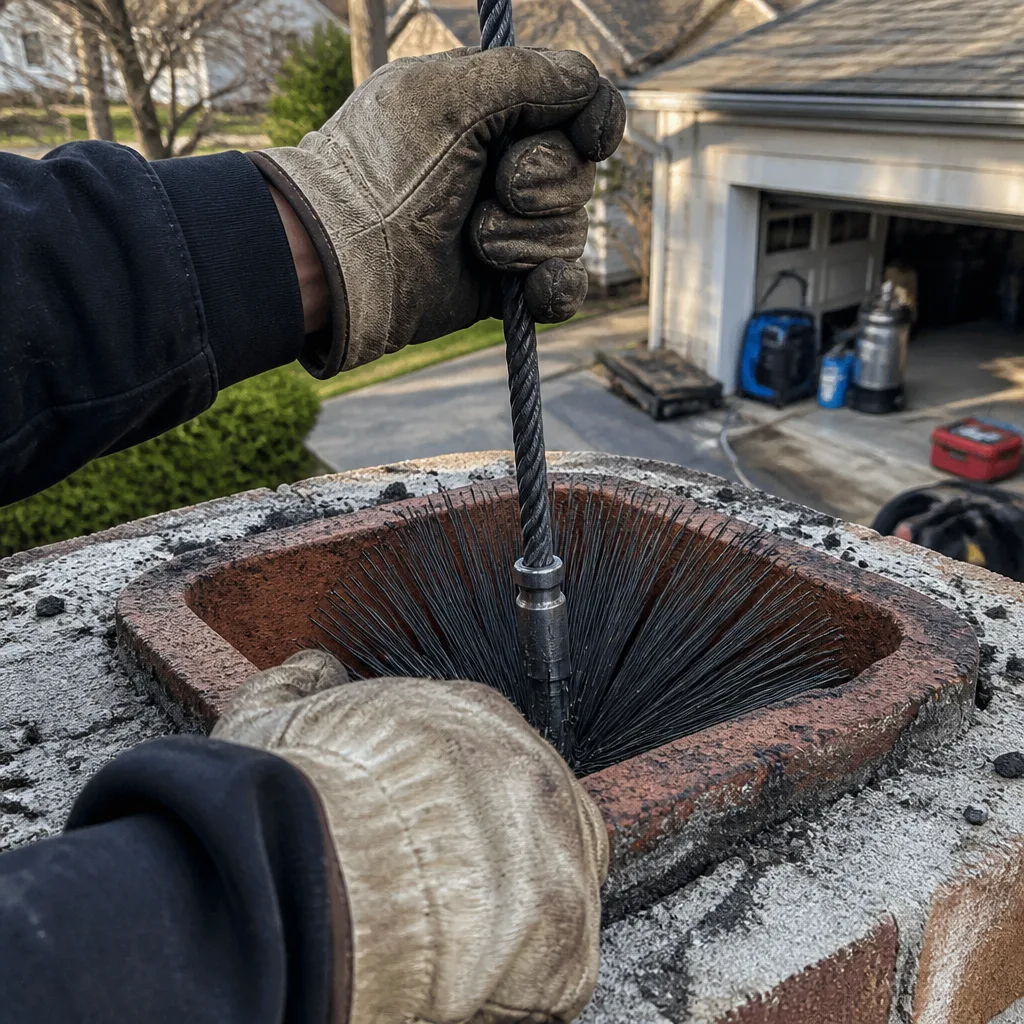
We’ll give you the honest split. You can safely check your firebox for flaking metal, look for water staining on the chimney, and shine a flashlight up the flue to see if you spot an obvious separation. Those observations help you decide whether to book an inspection, and they cost nothing. What you shouldn’t do is attempt the liner pull yourself. A flue liner replacement means working on a roof in Flushing, which means ladders on brick that’s often a century old, a liner that may be wedged against mortar, and a drop of anywhere from 20 to 35 feet depending on your roofline. One wrong pull and the old liner scraps the inside of your flue, turning a straightforward replacement into a full rebuild. If you want to know the exact condition before anyone quotes you, our camera goes down the flue first. The footage tells you what’s needed, and the written price matches what the camera shows. Call (516) 240-9191 and we’ll book a Flushing inspection that starts with the camera, not with a sales pitch.
FAQs
A properly installed Copperfield liner in a gas-only Flushing home typically lasts 15 to 20 years; wood-burning liners run closer to 10 to 15 because the thermal cycling is harder on the alloy and creosote accelerates corrosion from the inside. If you have a liner that’s over 15 years old, it has likely already passed the point where a camera inspection is optional.
Small pinholes or a single failed seam can sometimes be addressed with a patch or a section splice, but if the camera shows thinning across more than a third of the liner’s length, patching is throwing good money at a liner that will fail again within a season or two. We’ll show you the footage either way, and if a repair is genuinely viable, we’ll quote it as a repair. Call (516) 240-9191 and we’ll give you the honest recommendation for your specific flue.
A straight single-story replacement in Flushing is typically done in half a day; a two-story with offsets or a crown replacement added runs a full day, occasionally a day and a half on older attached homes where access is tight. You’ll get a written time window before we start, and a text from your assigned tech when they’re on the way.
We stock Copperfield 6″ and 8″ liner kits on the truck in both 316L and 316Ti, along with the standard connectors, tees, top plates, and caps that cover most Flushing configurations. If your flue needs a size or offset outside what we carry, we source it through the Haven buying network, which keeps the price honest and the lead time short, usually under a week.
Written by Corrine Halstead, Owner, Level Two Chimney Flushing at Level Two Chimney Flushing, serving Flushing and nearby areas.