
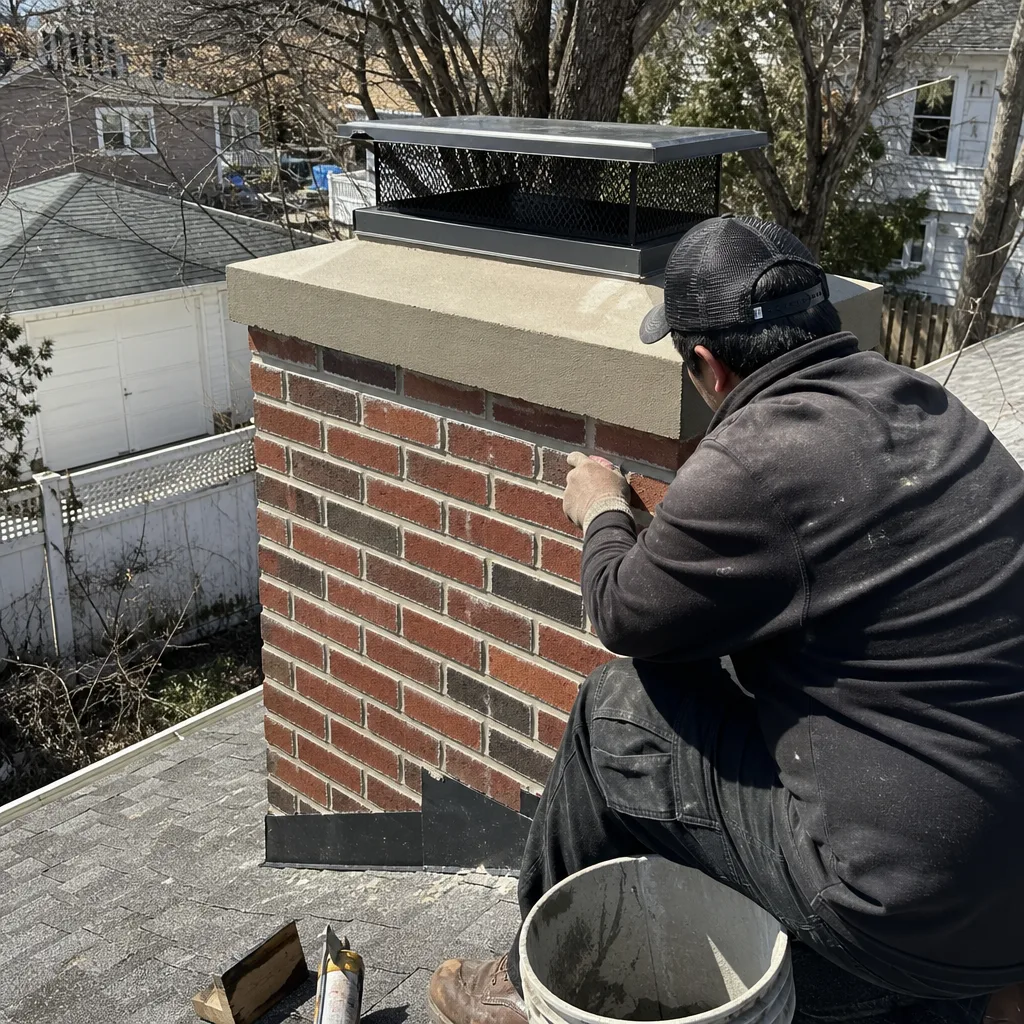
Level 1 sweep and inspection to the NFPA 211 annual standard - flue, crown, cap, and flashing checked and photographed
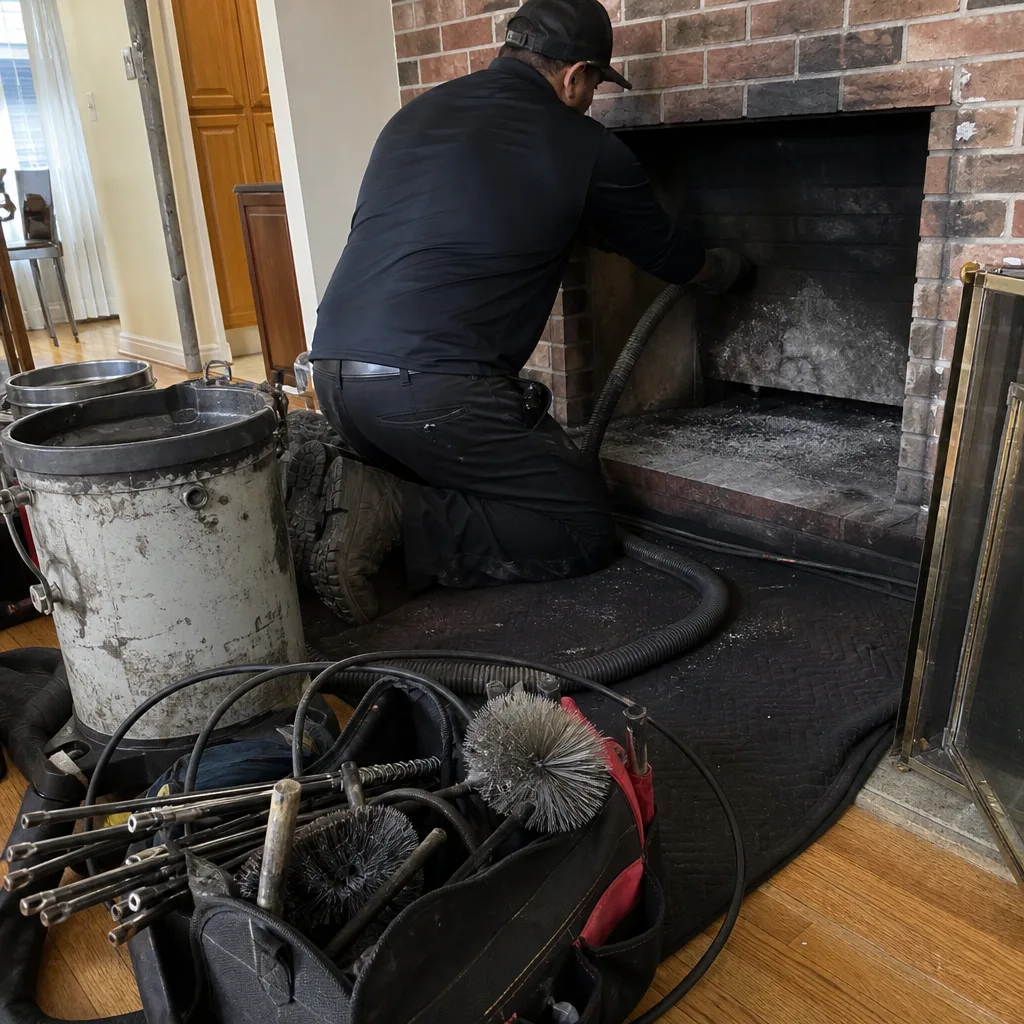
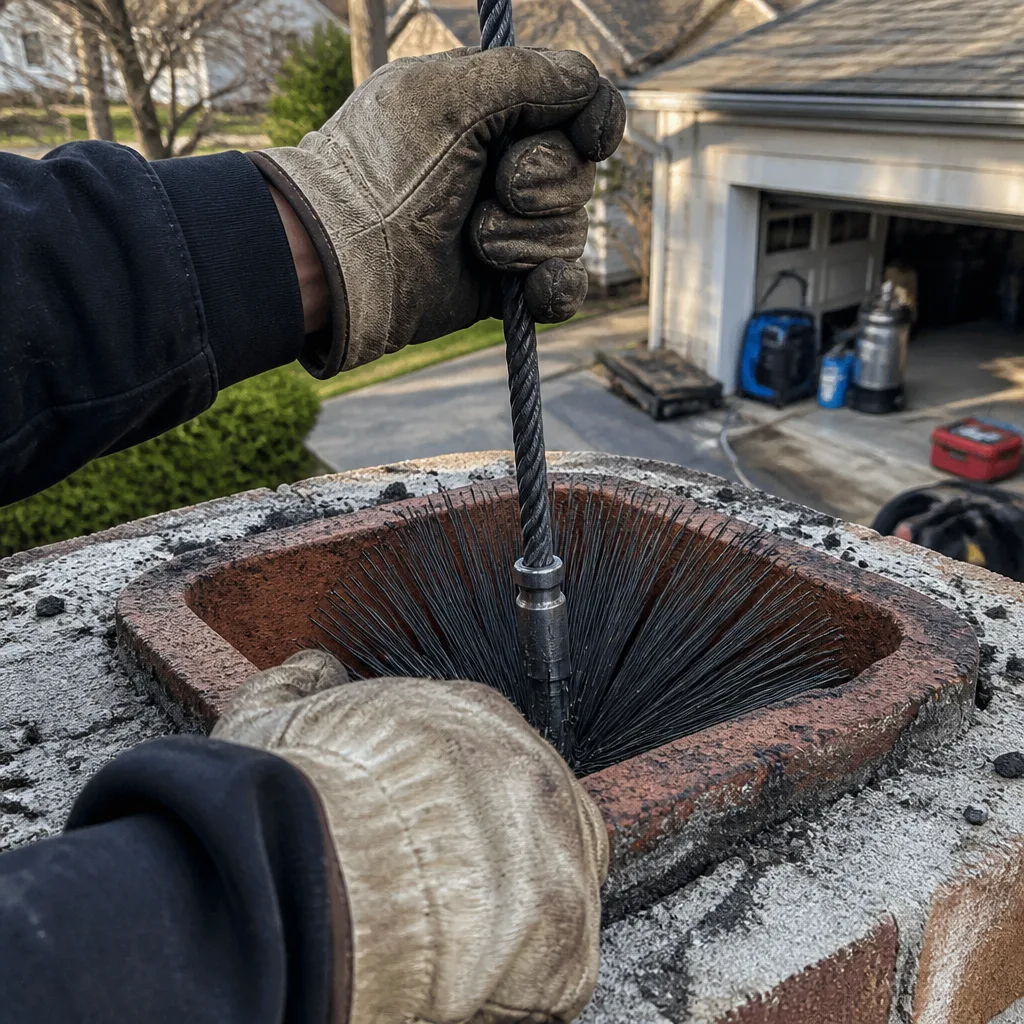
Chimney sweep logs do not sweep chimneys. They loosen some creosote - which then falls where a brush and vacuum still have to collect it.
 Before
 After
After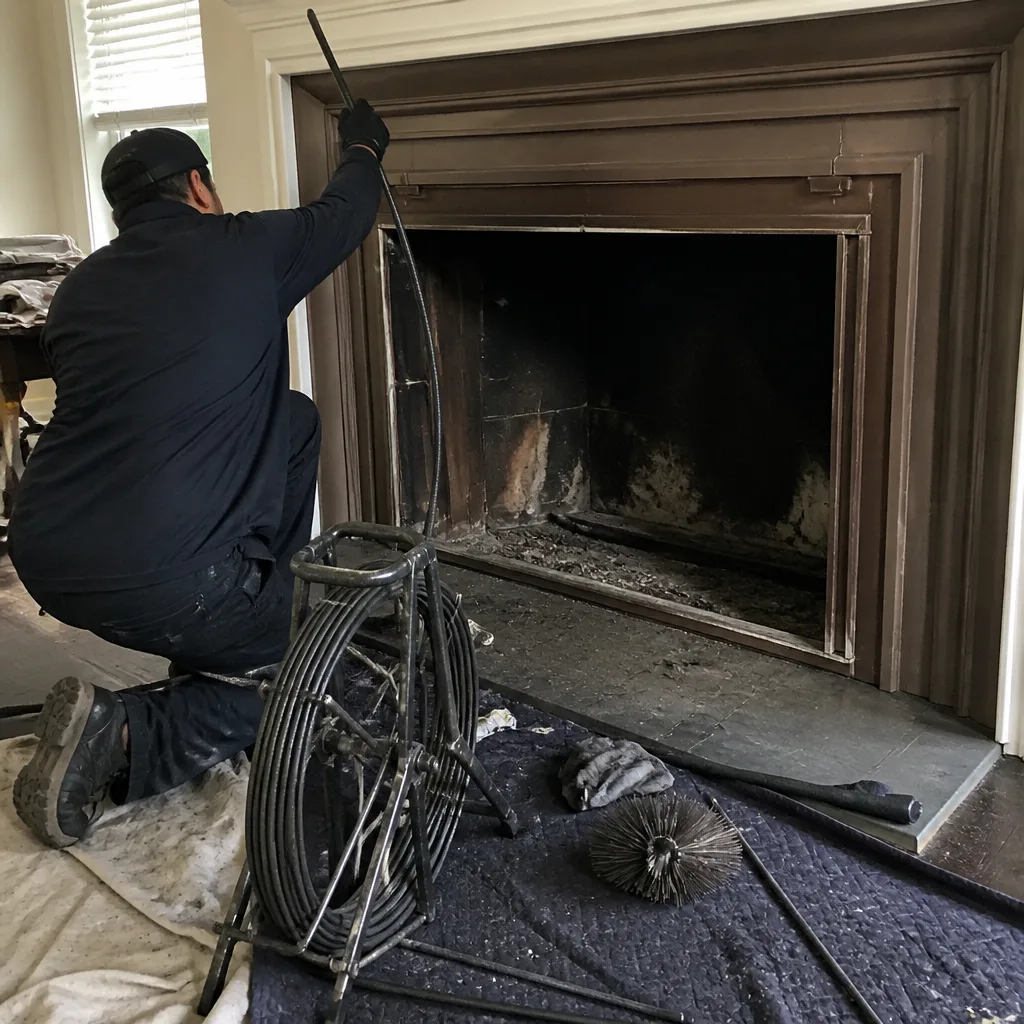 Before
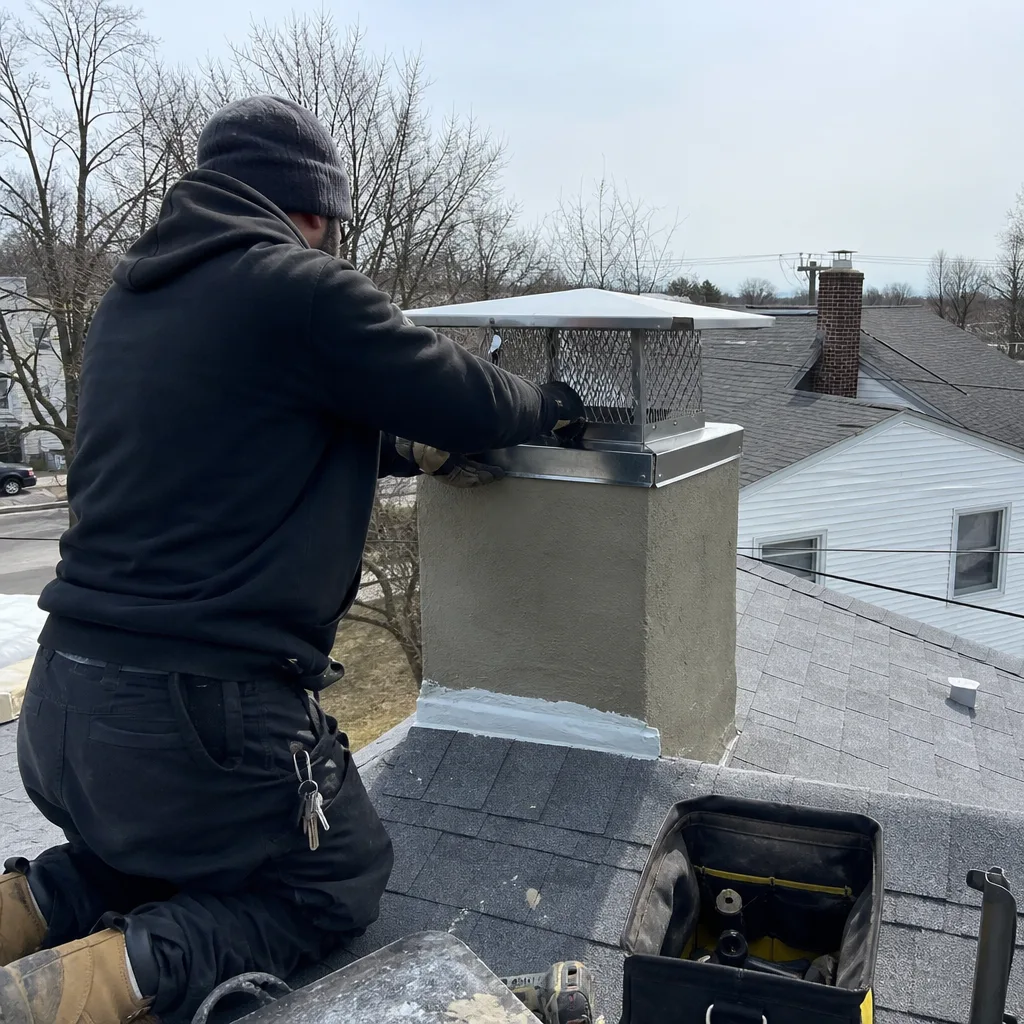 After
After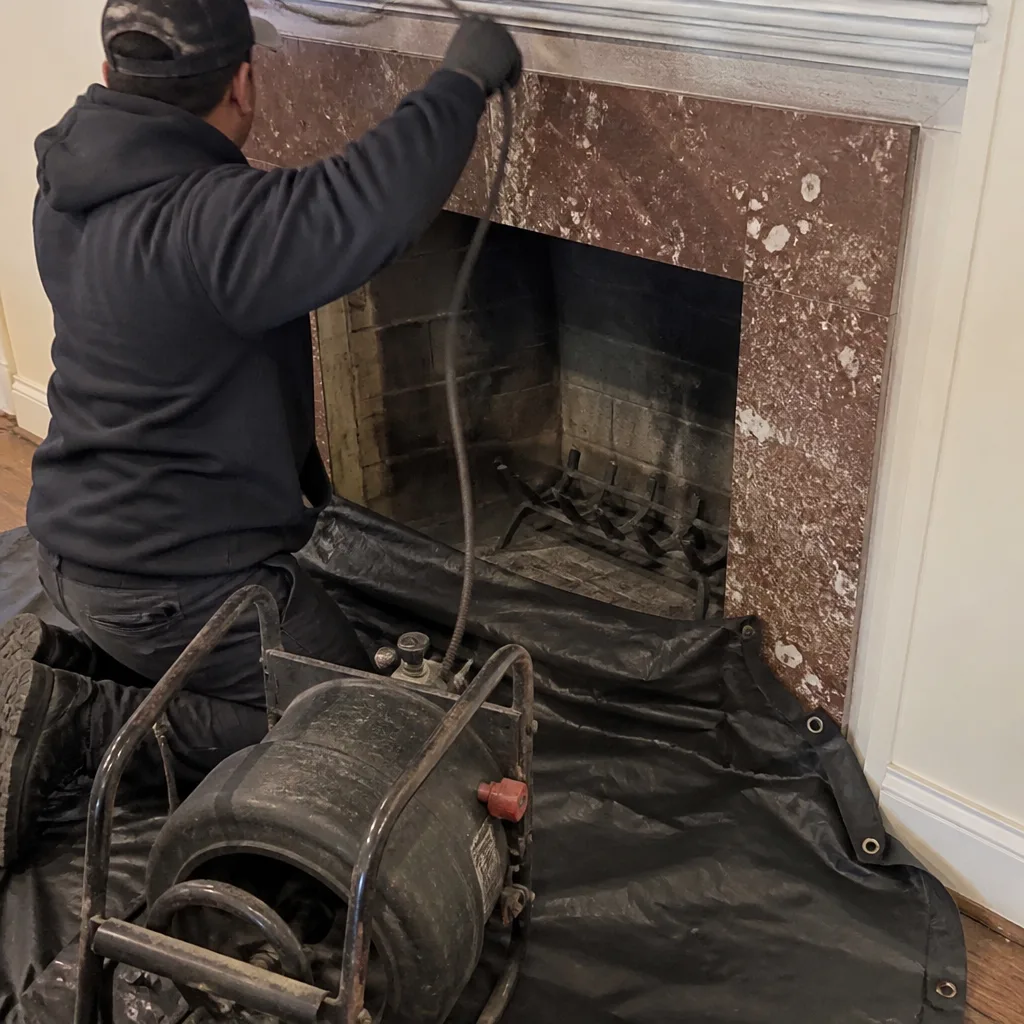 Before
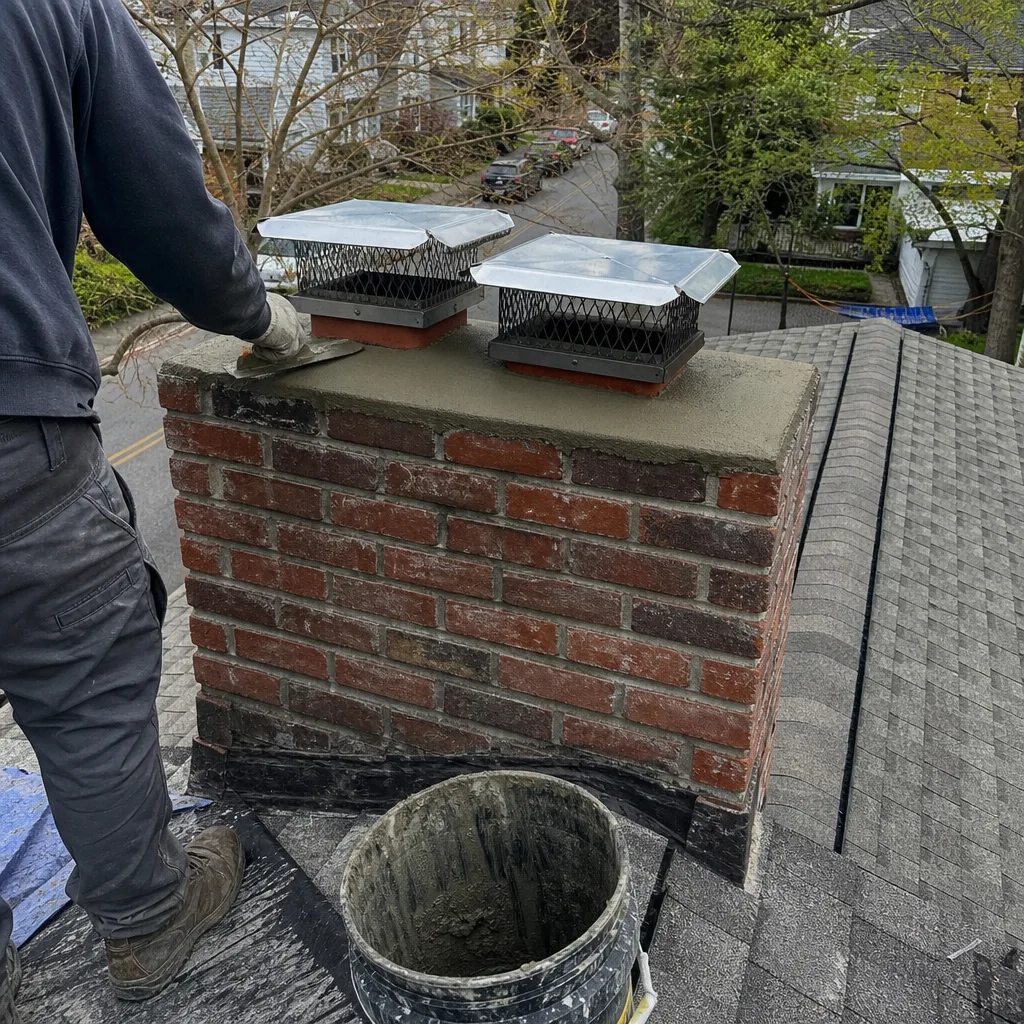 After
AfterDuraFlex Flue Liner Replacement: The Flushing Owner’s Guide
We stock and install DuraFlex-compatible flue liner replacement parts for Flushing homes, with typical installed prices running $1,100 to $2,800 depending on flue height, liner diameter, and access. Most DuraFlex liner sections and connectors are on our trucks, so a single-story Flushing rowhouse flue can usually be swapped same-day once we confirm measurements. Owners typically discover the problem two ways: a chimney inspection flags corrosion or separation, or the heating system starts drafting poorly and the boiler or furnace flue gases back up into the basement.
Which DuraFlex Models This Applies To
DuraFlex makes aluminum and stainless steel flue liners in two main lines: the AL series for gas appliances and the SS series for oil or wood. The part that fails on Flushing jobs is almost always the liner itself or the connector, not the cap or tee. Here’s the compatibility gotcha that catches people: DuraFlex AL and SS sections do not interchange. The locking profile is the same width, but the alloy is different, and a gas-rated aluminum section installed in an oil flue will corrode through in two to three heating seasons because of the acidic condensate. Match the metal with the fuel type, or the replacement won’t last.
To identify your part, look at the liner section while the appliance is off and the flue is cool. DuraFlex stamps its name and a size code on the outside of most sections, usually at the female end. Sizes run 3-inch through 8-inch inner diameter, with 5-inch and 6-inch the most common on Flushing boilers and water heaters. If the stamp is gone or painted over, measure across the opening and match to the nearest inner diameter. We install OEM DuraFlex when the tooling or warranty requires it, and we stock it because Flushing has enough older oil-to-gas conversions that the AL series demand is steady. For owners who want the same fit at a lower part price, we also carry approved aftermarket sections from HeatShield and Gelco that slide into DuraFlex runs.
Signs Your DuraFlex Flue Liner Replacement Is Failing
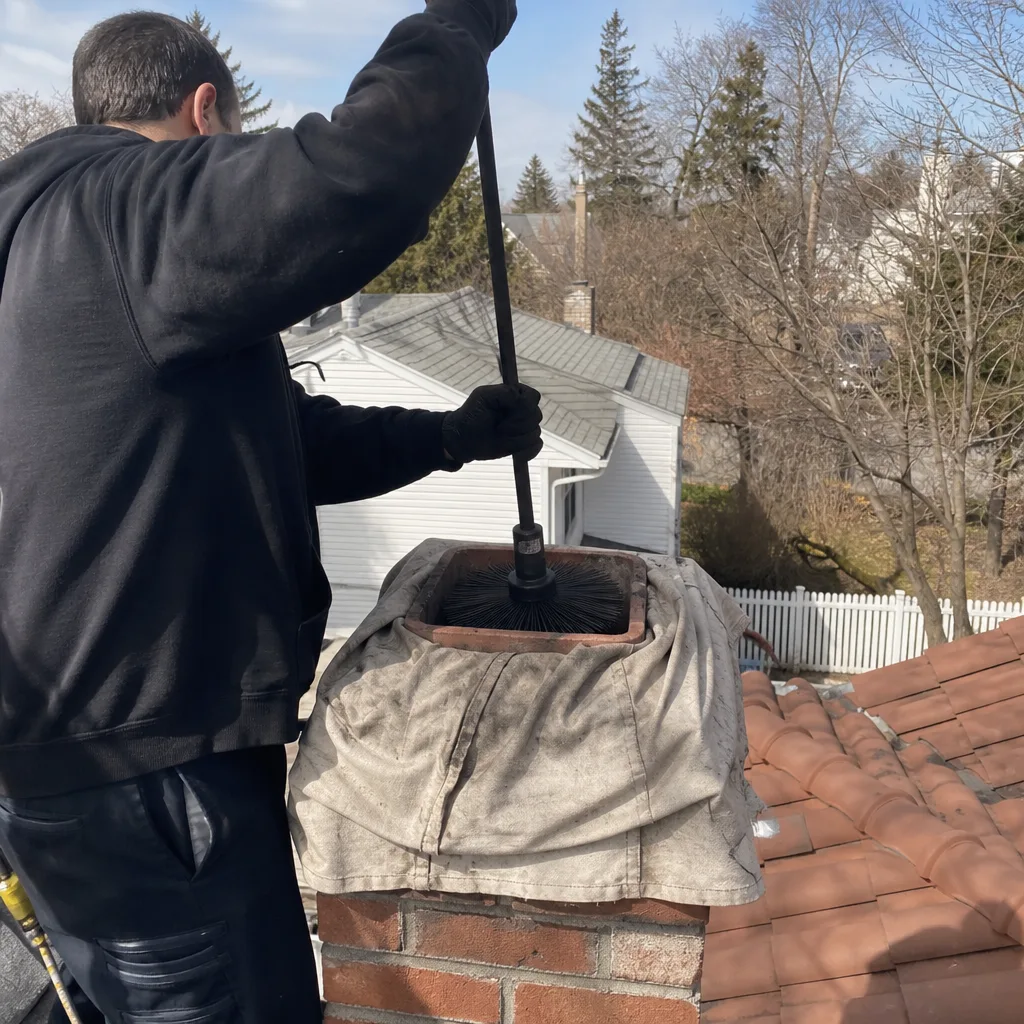
Here’s what we see on Flushing homes when a DuraFlex liner has started to go. None of these prove the liner is bad by themselves, but two together usually do.
- Condensation or rust streaks on the appliance or vent piping. This is the classic gas-liner failure signal. When the aluminum starts to separate at a seam or corrode through, flue gas cools early and moisture condenses on the metal and everything below it.
- A sulfur or exhaust smell in the utility room or basement. You’re smelling flue gas that isn’t making it up the chimney. With a draft problem this is intermittent at first, showing up on cold mornings, then becoming constant.
- The boiler or water heater shuts off repeatedly. Modern gas units have spill switches that trip when combustion gases back up. A failing liner changes the draft enough to trip these even when the appliance itself is fine.
- Visible gaps at the liner seams during a camera inspection. Corrine Halstead has pulled footage from Flushing flues where the seam has opened up a full quarter-inch, usually where the liner passes through the smoke shelf and the metal has worked loose over years of thermal cycling.
- Higher heating bills without a change in usage. When draft is poor, the appliance runs longer to satisfy the thermostat. It’s an indirect signal, but it’s one of the reasons we do a full burning-season check when a Flushing customer mentions the gas bill jumped.
BeforeAfterReplacement Cost & What’s Included
For Flushing, a straightforward DuraFlex liner replacement runs $1,100 to $2,800 installed. A 5- or 6-inch AL section single story job is typically at the lower end. A taller two-story flue, an SS oil liner, or a job that also needs the tee, cap, or top plate replaced lands higher. The biggest driver besides height is access: a Flushing rowhouse with a steep roof pitch and a shared party wall takes longer to set up safely than a detached colonial.
Every job is quoted in writing before work starts, line by line: liner sections, connector, any cap or tee, labor, and disposal. That’s not a courtesy. It’s Clause 1 of the Haven Standard, and if another company gives you a written estimate, we’ll do a free second opinion on it. The replacement itself includes a camera scan before and after, a photo record of the old liner and the new one in place, and a written warranty that spells out exactly what’s covered and for how long. The 365-Day Done Right Promise backs the whole thing.
DIY or Call Us?
You can check a few things without touching the liner. Look for rust streaks or water staining below the flue connection. Note the smell in the room when the boiler first kicks on. Those observations help us quote faster. What you should not do is unclip or pull a liner section yourself. Flue liners live inside chimneys that also carry carbon monoxide, and the metal sections are under tension at the joints. Disturbing one without checking the draft and gas-tightness of the whole run can turn a manageable liner swap into a CO leak inside the wall. The camera doesn’t negotiate, it just shows you what’s there, and the safest version of that is having us put the camera in from the top down. Call (516) 240-9191 if the boiler’s been short-cycling or the utility room smells off.
FAQs
An aluminum DuraFlex AL liner on a gas appliance averages 15 to 20 years in Flushing, and a stainless SS liner on oil can go 20 to 30 if the chimney cap keeps rain out. The variable is moisture, and Flushing’s coastal humidity plus winter freeze-thaw cycles accelerates corrosion at the seams, which is why we camera them during every sweep.
Usually not. A separated seam can sometimes be reclipped if the metal is still sound, but corrosion holes and thinned sections mean the whole run needs swapping. We won’t quote a patch on a liner that’s already failing because the next failure will be in a different spot and harder to reach. Call (516) 240-9191 and we’ll tell you which situation you’re in after the camera scan.
A standard single-story Flushing flue liner swap takes 2 to 3 hours on site, including camera time and the photo record. A two-story or steep-roof installation can run 3 to 4. We schedule the job in one visit and send a text when the tech is on the way.
We keep DuraFlex 5-inch and 6-inch AL sections, connectors, tees, and caps on the truck for standard Flushing jobs. Non-standard sizes or SS oil-run sections are usually available within two to three business days through our suppliers. We’ll confirm stock before we schedule.
If your DuraFlex liner is showing signs of failure, call (516) 240-9191. We’ll schedule a camera-scan inspection, show you exactly what the flue looks like inside, and put a written price in your hands before any work starts.
Written by Corrine Halstead, Owner, Level Two Chimney Flushing at Level Two Chimney Flushing, serving Flushing and nearby areas.