
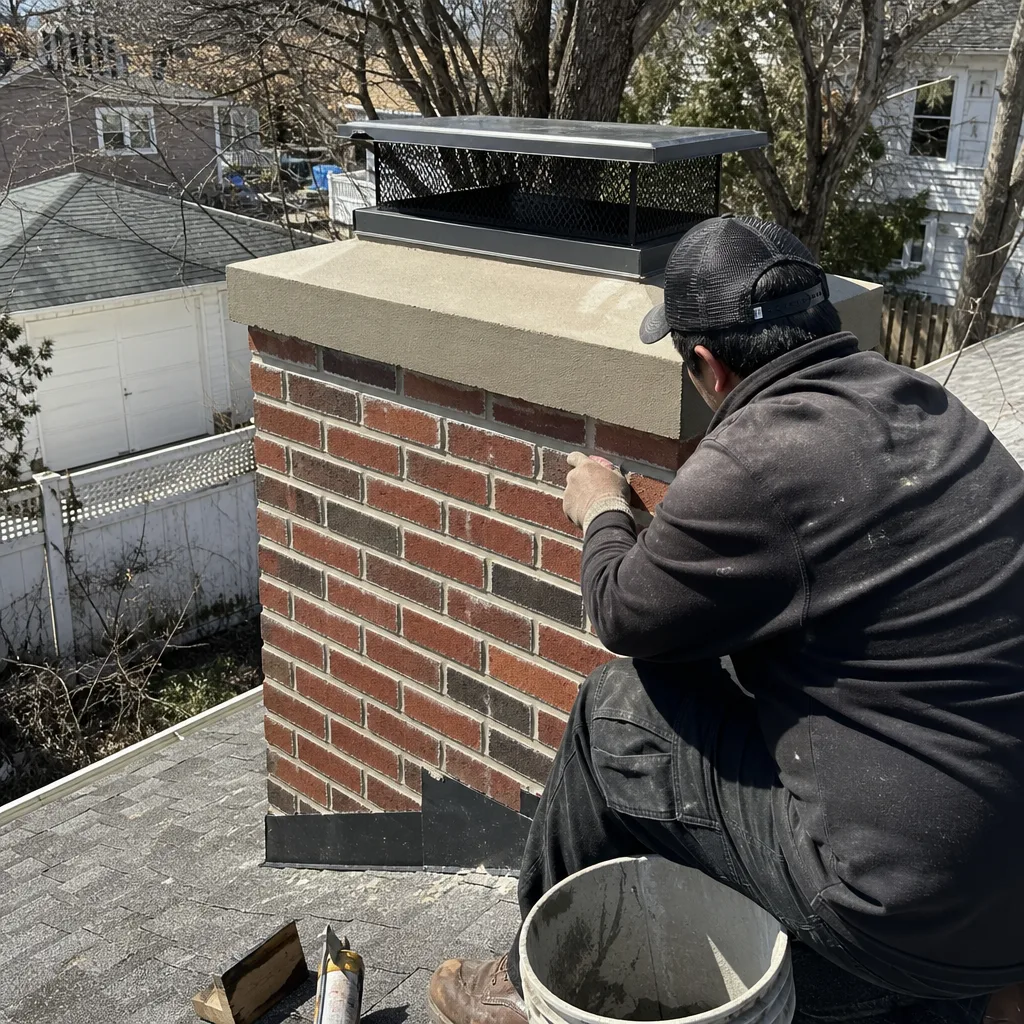
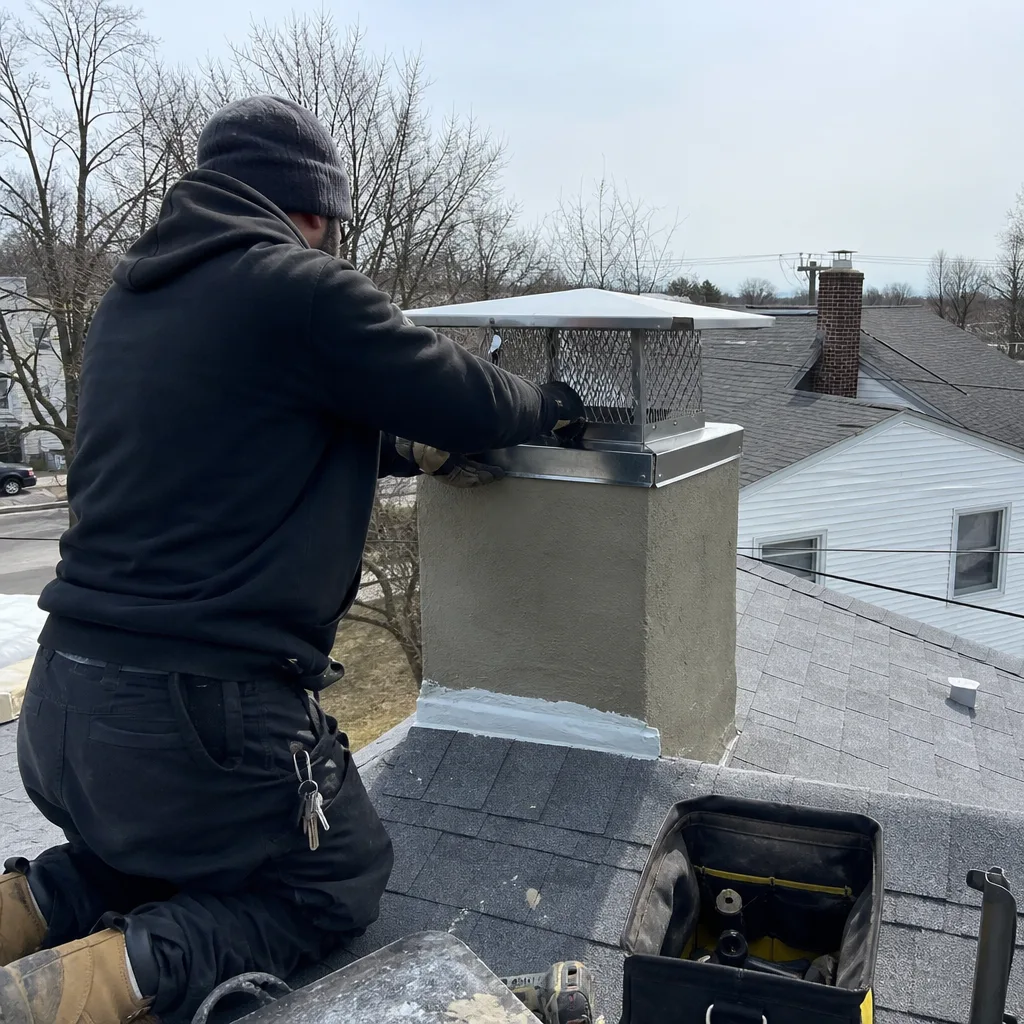
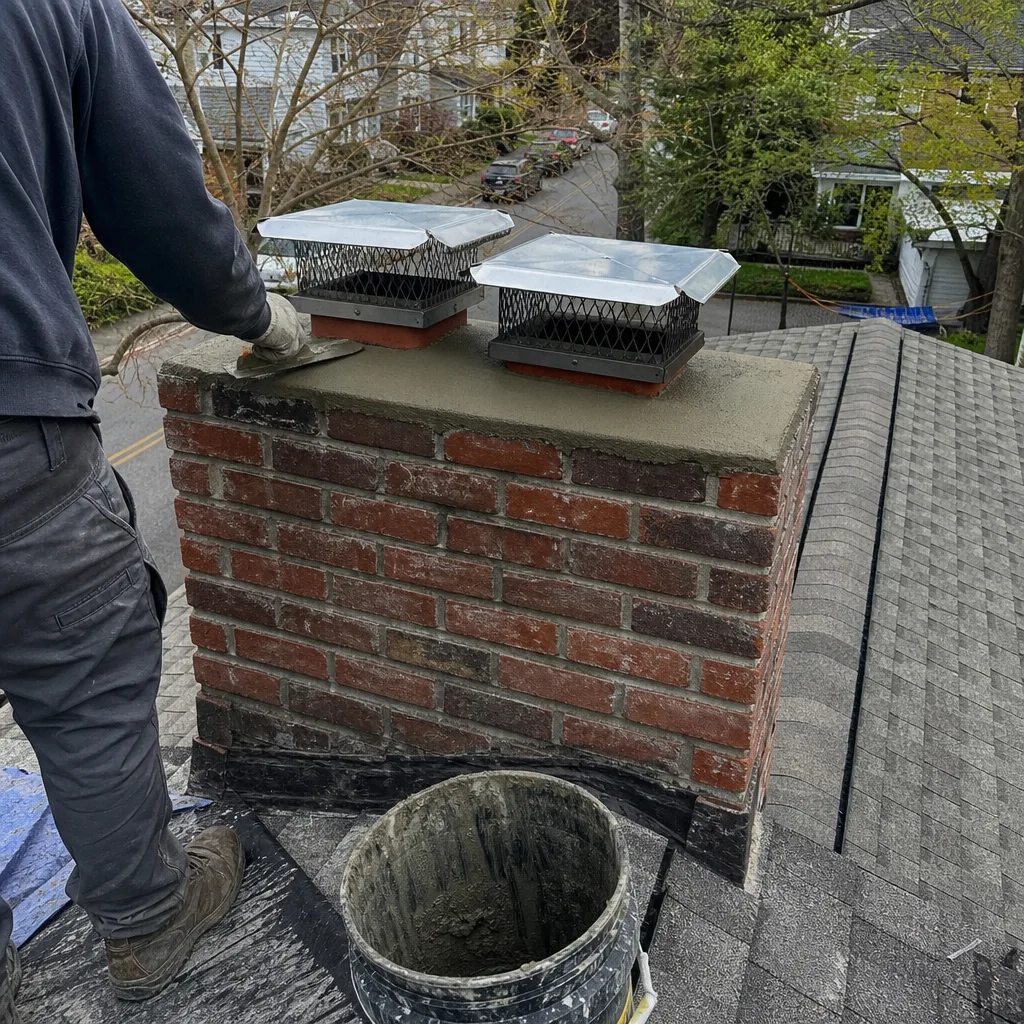
Level 1 sweep and inspection to the NFPA 211 annual standard - flue, crown, cap, and flashing checked and photographed
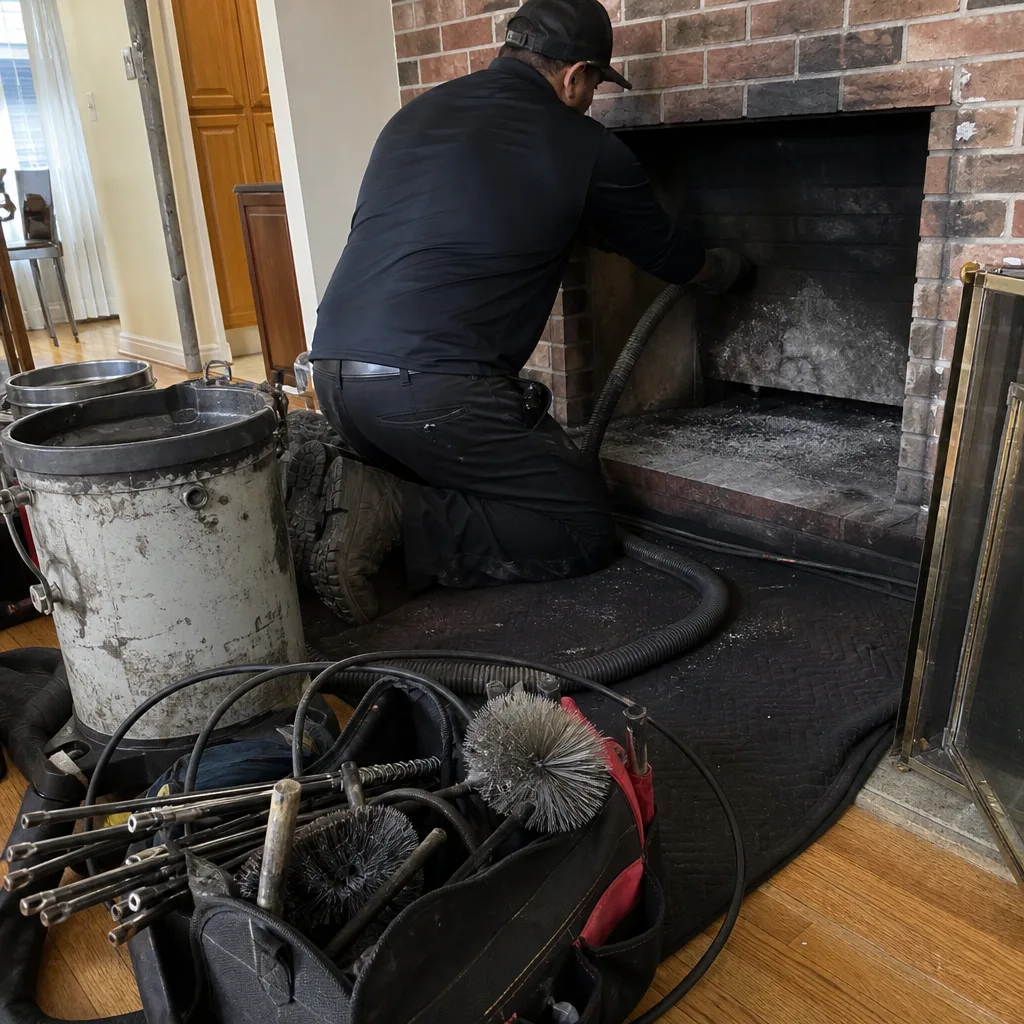
Chimney sweep logs do not sweep chimneys. They loosen some creosote - which then falls where a brush and vacuum still have to collect it.
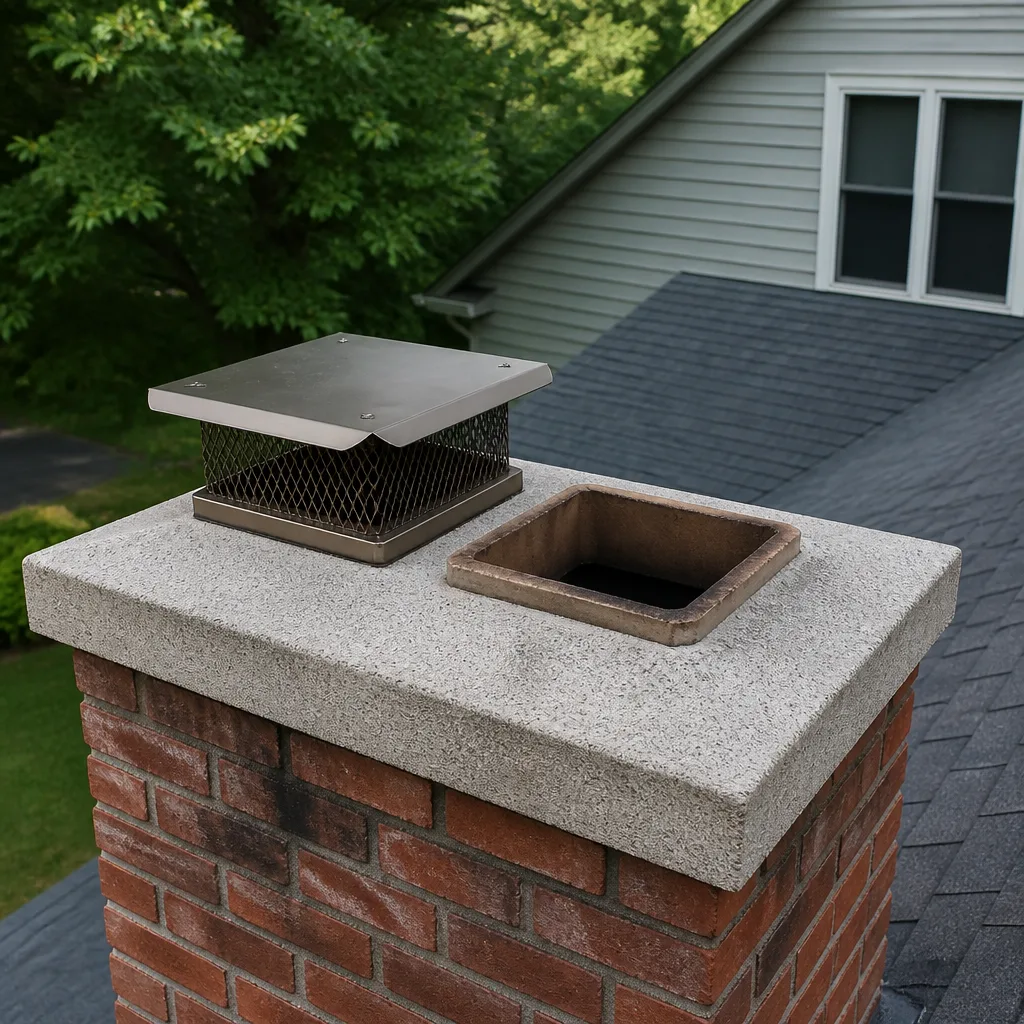
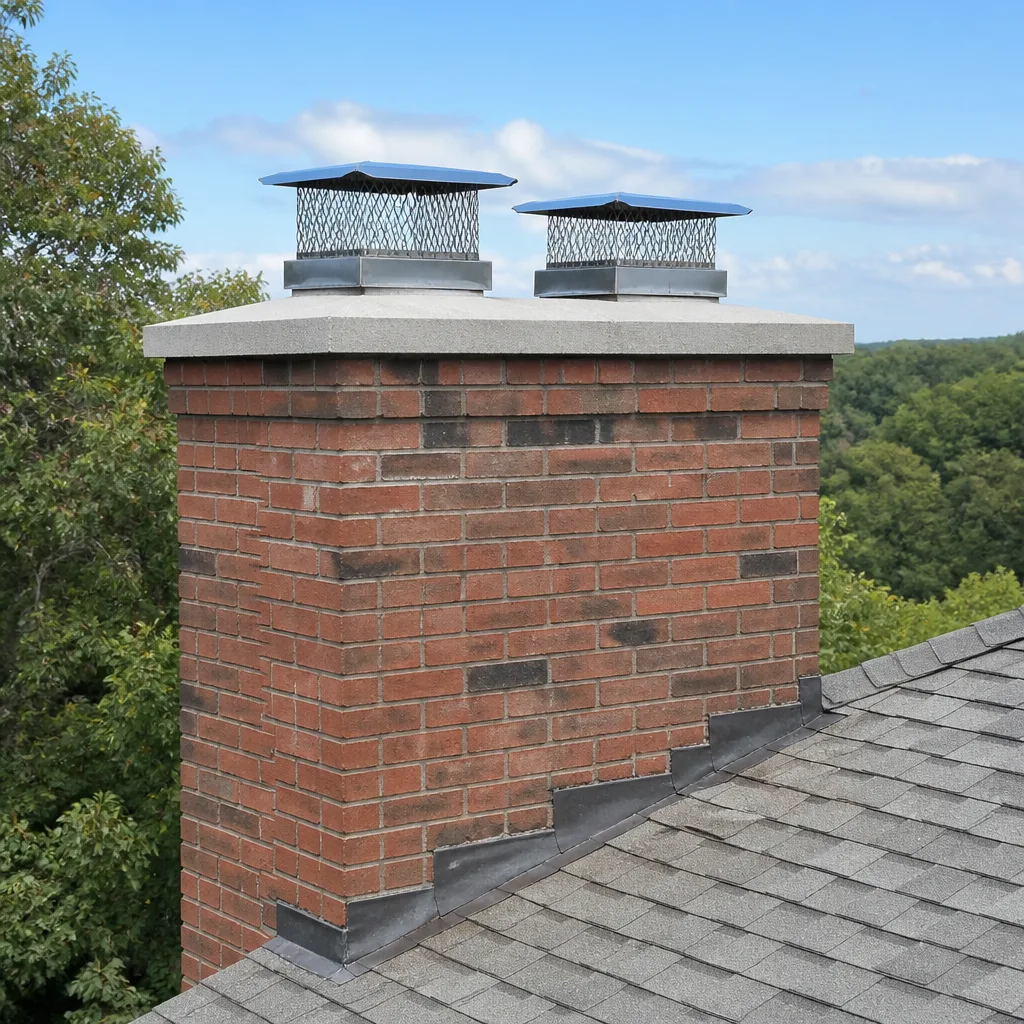
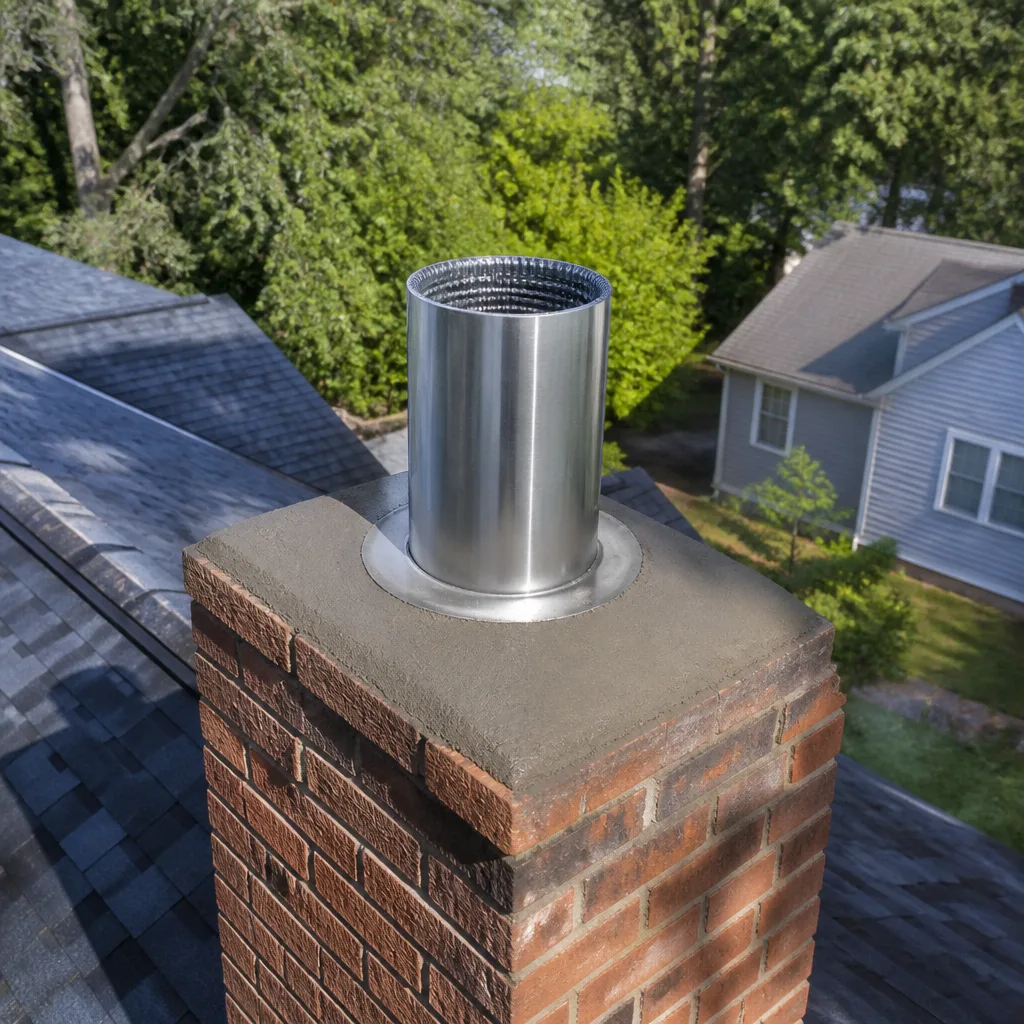
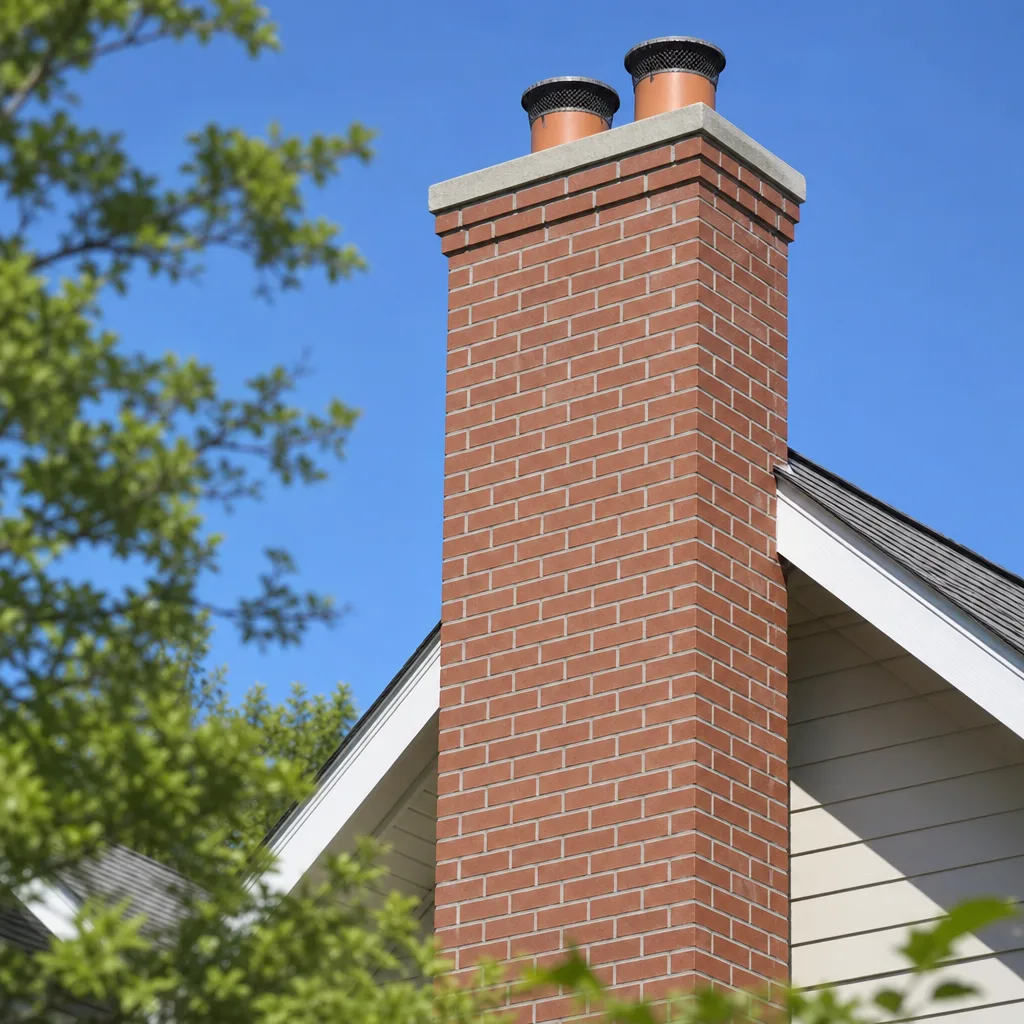
 Before
 After
After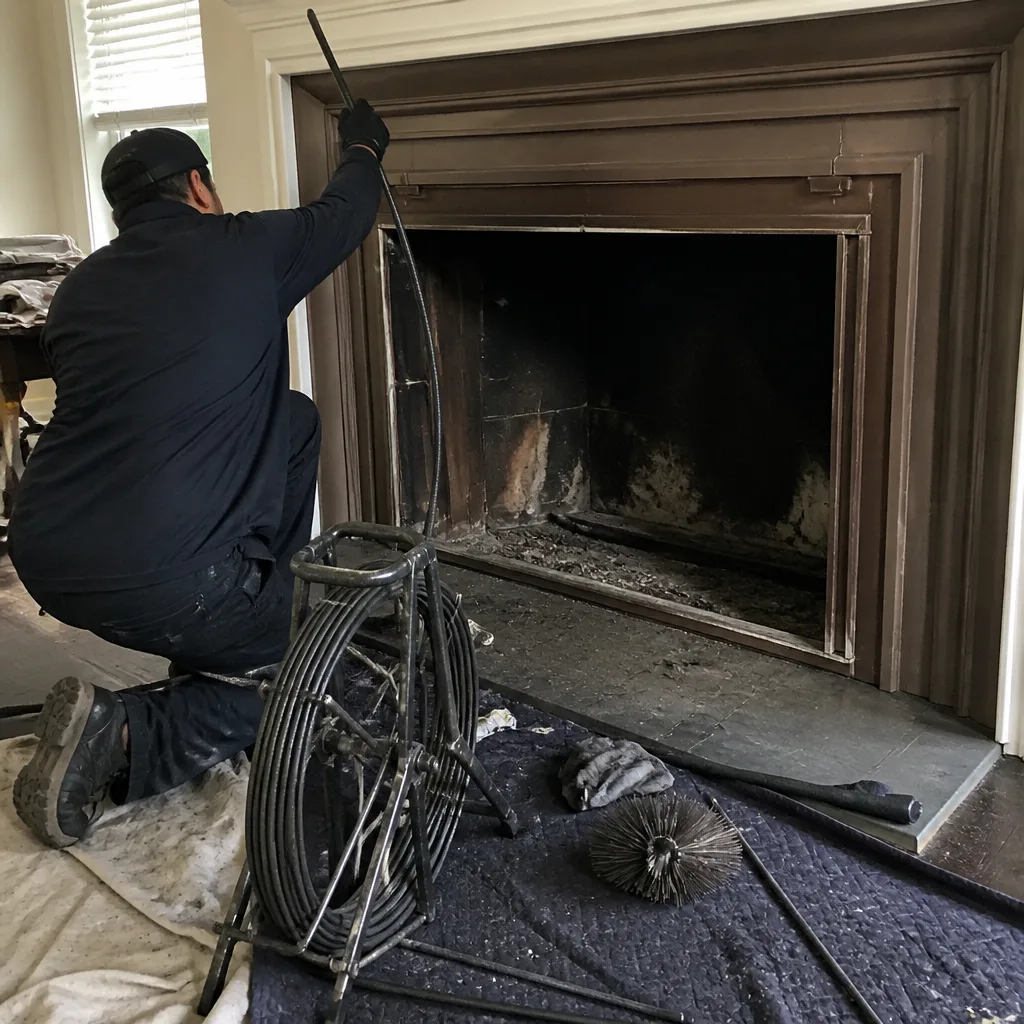 Before
 After
After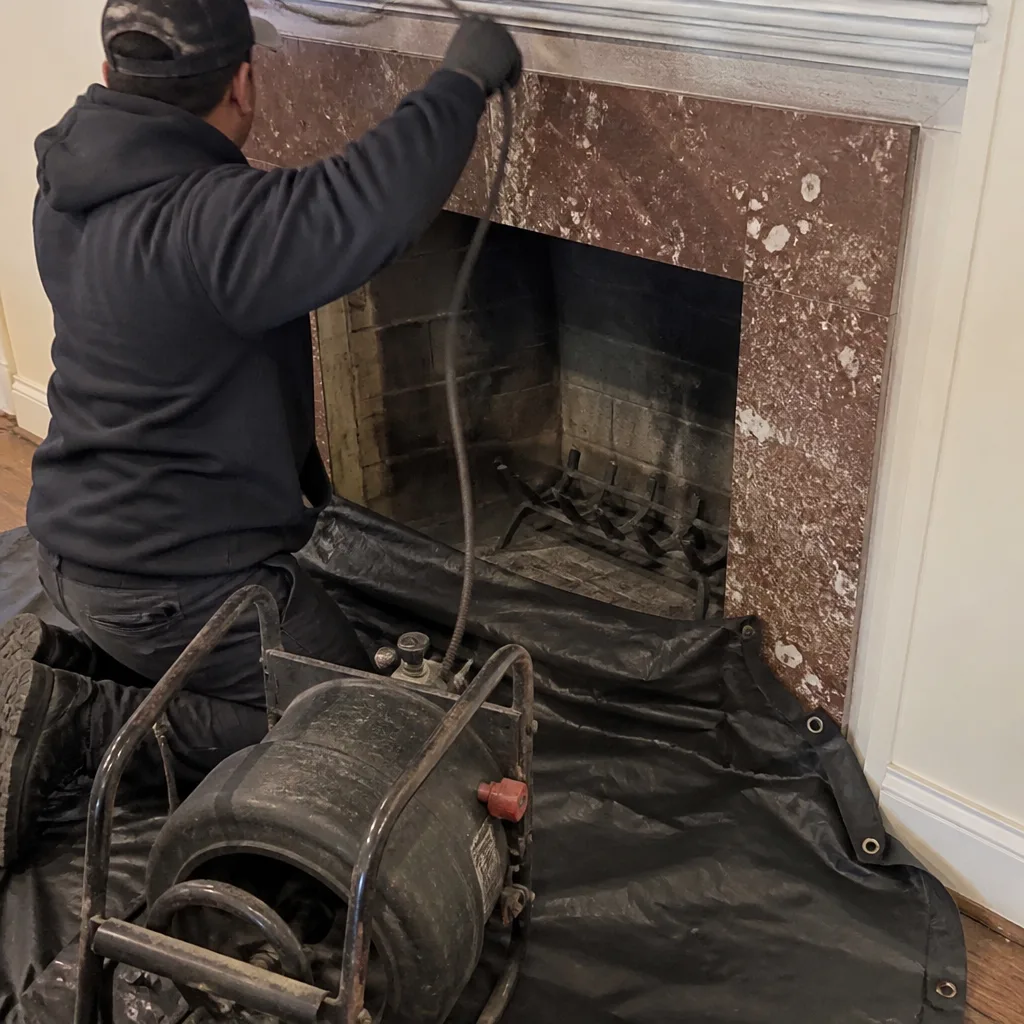 Before
 After
AfterHeatShield Flue Liner Replacement: The Flushing Owner’s Guide
HeatShield flue liner replacement in Flushing typically runs $2,200 to $3,800 installed, depending on flue height, access, and whether we’re patching a section or relining the full run. We stock HeatShield-compatible materials on the truck and can usually complete the swap in a single visit. Most Flushing homeowners discover the problem the same way: black flakes at the base of the fireplace, a sulfur smell after rain, or a sweep elsewhere telling them the liner “looks tired” without showing them a single photo.
Here’s the thing about HeatShield specifically: the brand built its reputation on a cast-in-place ceramic product that’s excellent when the original mortar bond is intact. When that bond fails, or when freeze-thaw cycles in older Flushing chimneys have cracked the underlying flue tile, the HeatShield coating delaminates in sheets. You can’t just slap another coat on. The replacement has to go back to the same substrate issue, or you’ll be doing this again in three years. We’ll show you the camera footage so you know exactly what failed before anyone quotes a dollar figure.
Key Takeaways:
- Installed replacement cost in Flushing: $2,200-$3,800, written price before work starts
- HeatShield failures are usually delamination from the underlying flue tile, not product defect
- We stock HeatShield, DuraFlex, and Gelco parts on the truck for most Flushing chimneys
- Every job includes a camera scan before and after, plus photo documentation you keep
Which HeatShield Models This Applies To
HeatShield’s product line is narrower than most homeowners expect. The original Cerfractory Flue Sealant system applies to masonry chimneys with intact flue tile, typically 6″ to 8″ round or 8″x8″ to 13″x13″ square. If your Flushing home has a pre-1960s chimney, you’re almost certainly working with terra cotta tile in that size range, and the HeatShield system was designed for exactly that profile.
The compatibility gotcha we see in Flushing all the time: HeatShield is not rated for chimneys venting oil-fired appliances. If your boiler or oil-burning furnace uses the same flue, you need a stainless liner from DuraFlex or Gelco instead. The condensate from oil exhaust is acidic and eats through ceramic coatings. We check the appliance tag as part of every inspection because getting this wrong isn’t a warranty issue, it’s a carbon monoxide risk.
For identifying what you have: look for a metal tag near the cleanout door or on the appliance collar from the original HeatShield installation. If it’s gone, measurements tell the story. Inside diameter of the flue, number of stories, and whether there are offsets all determine which replacement spec fits. And no, HeatShield doesn’t sell direct to consumers. You’re buying the material through a trained installer who can verify the underlying flue is sound enough to accept it.
We’re an independent service provider, not affiliated with HeatShield. That matters because we’re free to tell you when a different product suits your Flushing chimney better, and we do, regularly.
Signs Your HeatShield Flue Liner Replacement Is Failing
- Flakes or chunks of gray-black material at the fireplace base. This is delaminated HeatShield coating breaking free from the underlying tile. It means the bond has failed in at least one section. Left alone, the exposed tile underneath can start spalling.
- Damp, sulfurous smell in the room after rain. Water is entering the flue and mixing with creosote or soot residue. A hairline crack in the HeatShield coating lets moisture reach the masonry, and that smell is the first thing most Flushing homeowners notice before any visible damage.
- Visible smoke backing into the room when the fireplace is lit. That’s a draft reversal, often caused by flue blockage or a section of coating that has collapsed inward. It means the flue is no longer the right effective diameter, and combustion gases are finding the path of least resistance.
- Efflorescence, white staining, on the exterior chimney face. Moisture is migrating through the masonry because the interior liner barrier has failed. In Flushing’s freeze-thaw winters, trapped moisture expands and accelerates brick degradation fast.
- Your sweep flags “Class III creosote” but you see none yourself. Class III means baked-on, tar-like creosote that’s hard to remove. If a liner is failing, creosote accumulates faster in the rough, cracked areas even if the visible fireplace looks clean. This is exactly why the camera matters.
BeforeAfterReplacement Cost & What’s Included
Here’s the pricing honesty Level Two Chimney Flushing is built on: most HeatShield replacement work in Flushing lands between $2,200 and $3,800. The spread comes from three things: flue height, the condition of the underlying tile, and whether the smoke chamber needs parging. A one-story ranch flue with clean tile and a simple top-out runs at the low end. A three-story attached row house near Flushing Town Hall with offset flues and deteriorated tile runs higher.
| Scope | Typical Range in Flushing |
|---|---|
| Partial HeatShield patch (2-6 ft section) | $850-$1,400 |
| Full HeatShield reline, 1 story | $2,200-$2,800 |
| Full HeatShield reline, 2-3 story | $2,800-$3,800 |
| Add: smoke chamber parging | $450-$800 |
Every price includes the camera scan before work starts, the written scope, the material, the labor, and the post-installation camera verification. You get a photo record when we’re done, and the work is covered by our 365-Day Done Right Promise: if it’s not done right, we make it right. No caveats, no fine print dance. The price on paper is the price you pay, and you have it in writing before anyone touches a trowel.
DIY or Call Us?
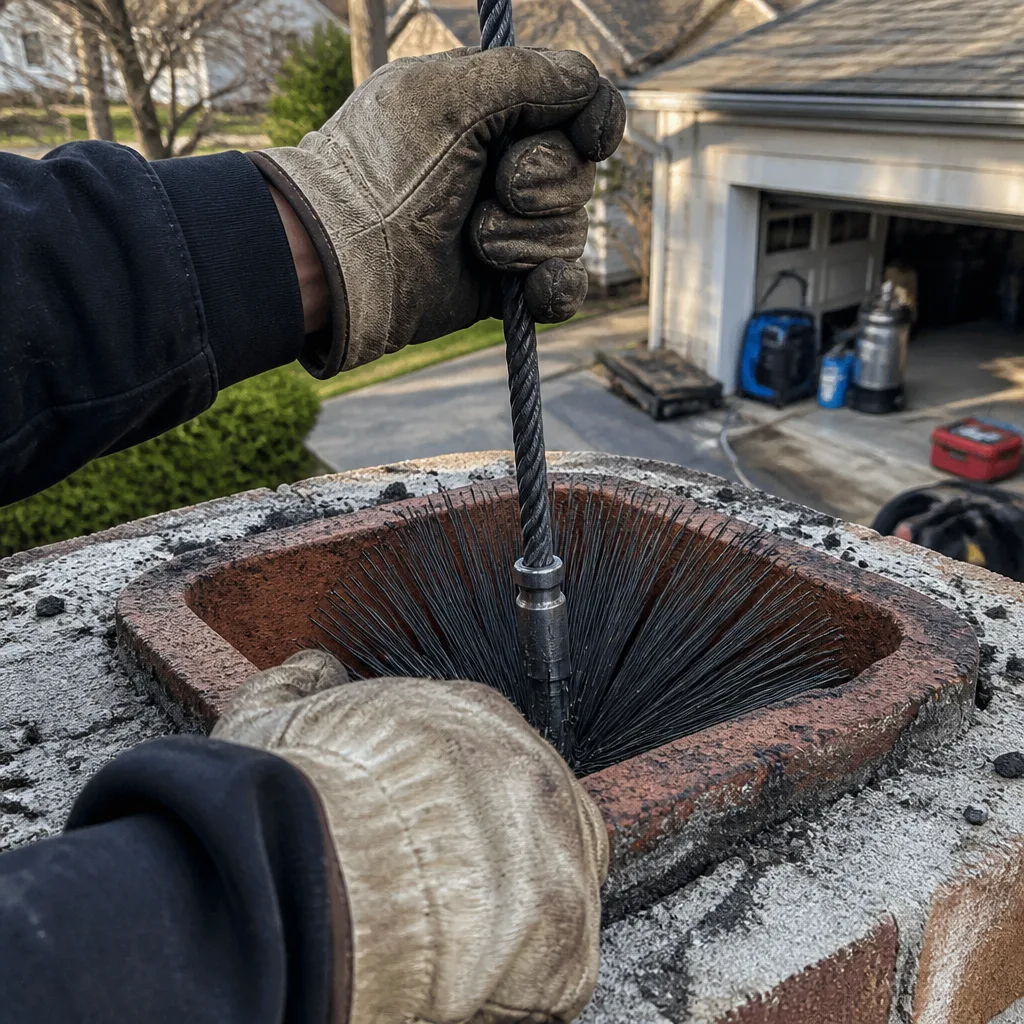
We’ll be straight with you: HeatShield replacement is not a DIY project. The material is a cast-in-place ceramic that has to be mixed to spec, applied by someone working from the top down or bottom up with specialized equipment, and cured correctly. Get the mix wrong or apply it over a damp flue, and the bond fails within months. There’s also the safety factor: you’re working at height on a Flushing roof with a chimney that may have hidden structural issues, and if the flue is shared with a gas appliance, you’re creating a carbon monoxide hazard without knowing it.
What you can do safely: shine a flashlight up the flue from the firebox and look for obvious coating loss, take photos of any debris that’s fallen down, and check the exterior brick for new cracks. That’s useful information when you call us. The repair itself, the camera diagnosis, and the decision about whether HeatShield is even the right fix for your chimney, that’s our job. Call (516) 240-9191 and Corrine Halstead or one of our techs will walk through what you’re seeing.
FAQs
In our experience across Queens, a properly installed HeatShield liner over sound flue tile lasts 15 to 20 years before showing meaningful wear. Flushing’s freeze-thaw cycles and coastal moisture cut into that if the chimney crown isn’t doing its job, which is why we always inspect the crown as part of any liner quote. A liner over tile that was already spalling or has poor crown drainage can start failing in 5 to 7 years. Call (516) 240-9191 for a camera inspection and we’ll tell you what your specific flue can expect.
Sometimes, yes. If the delamination is isolated to a 2 to 6 foot section and the surrounding coating still reads as bonded on camera, a targeted patch is a legitimate fix that runs $850 to $1,400 in Flushing. We’ll only recommend it if the underlayment in that section is intact and the rest of the flue checks out. If the bond is failing in multiple areas, a patch buys you a year or two and you’ll pay twice. The camera footage decides, and we’ll show it to you before quoting.
One full day for most single-family Flushing chimneys, including camera inspection, prep, application, and cure verification. Two-story homes with offsets sometimes run a day and a half because the application has to happen in stages. We’ll have the part on the truck when we arrive, so there’s no waiting on suppliers. Schedule the visit and the work gets done that visit.
We keep HeatShield-compatible materials on the truck along with DuraFlex and Gelco components, so we can proceed the same day for most Flushing chimneys. If your flue requires a non-standard size or configuration, materials come through our Haven buying network within two business days, and you’ll know the timing before we schedule. We don’t order anything until you’ve seen the written scope and approved it.
Written by Corrine Halstead, Owner, Level Two Chimney Flushing at Level Two Chimney Flushing, serving Flushing and nearby areas.