
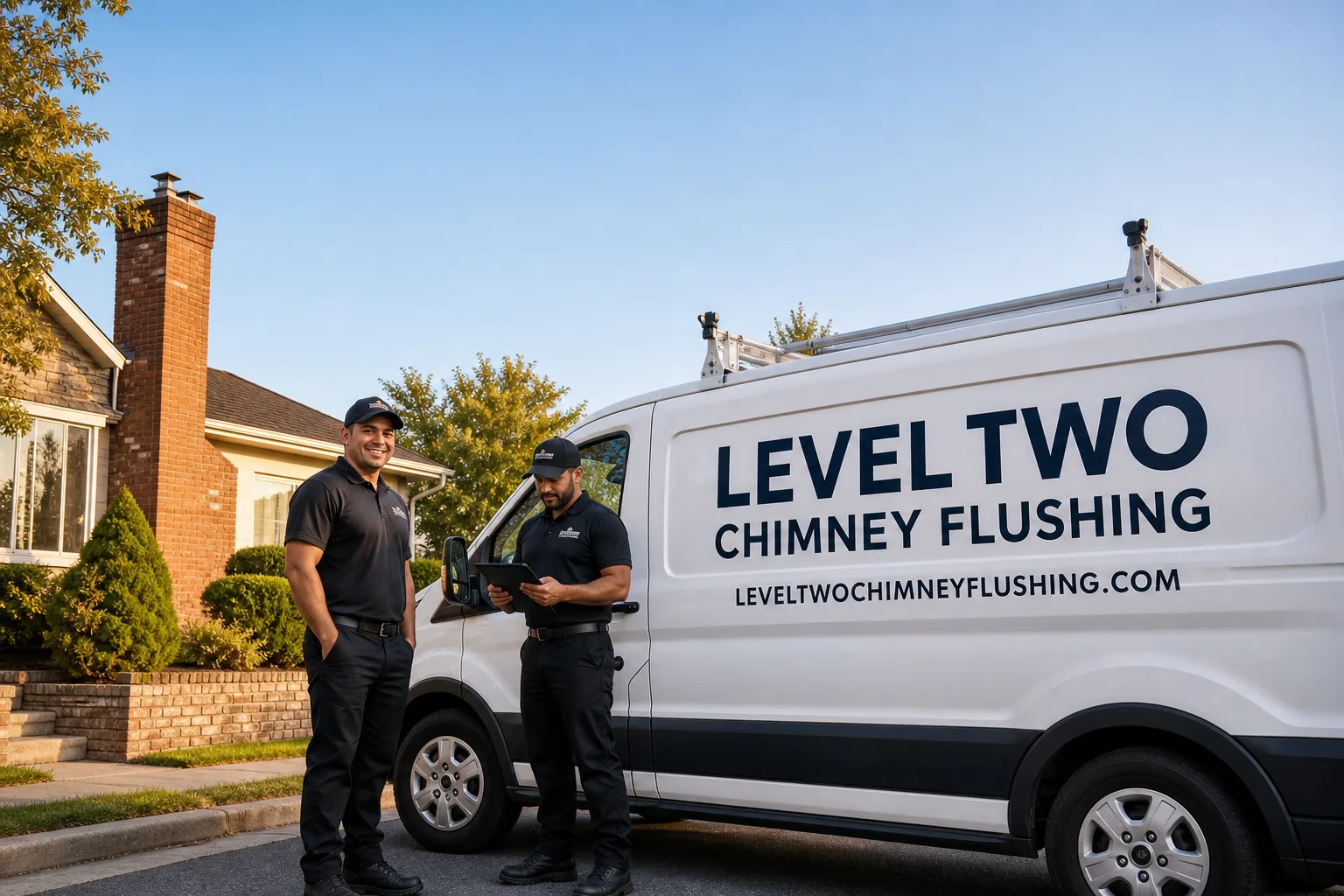
Level 1 sweep and inspection to the NFPA 211 annual standard - flue, crown, cap, and flashing checked and photographed
Chimney sweep logs do not sweep chimneys. They loosen some creosote - which then falls where a brush and vacuum still have to collect it.
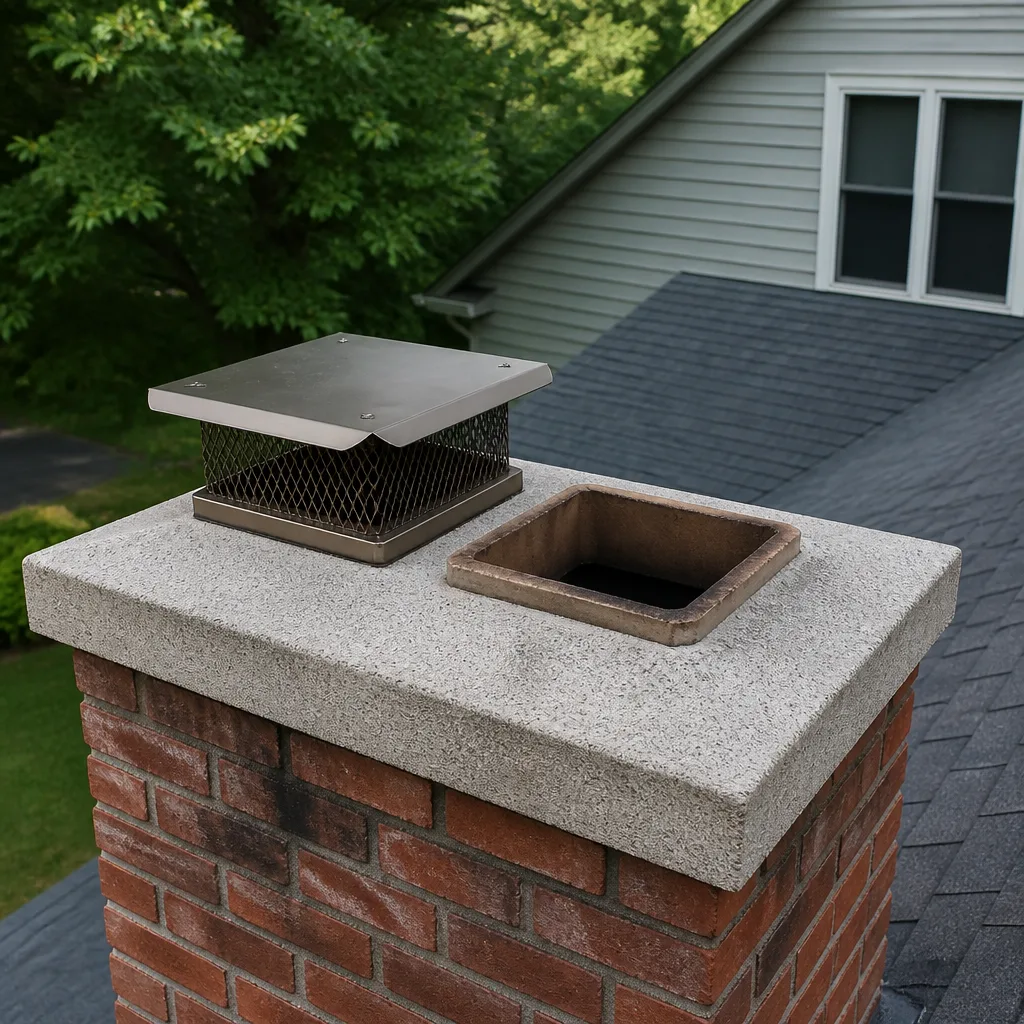
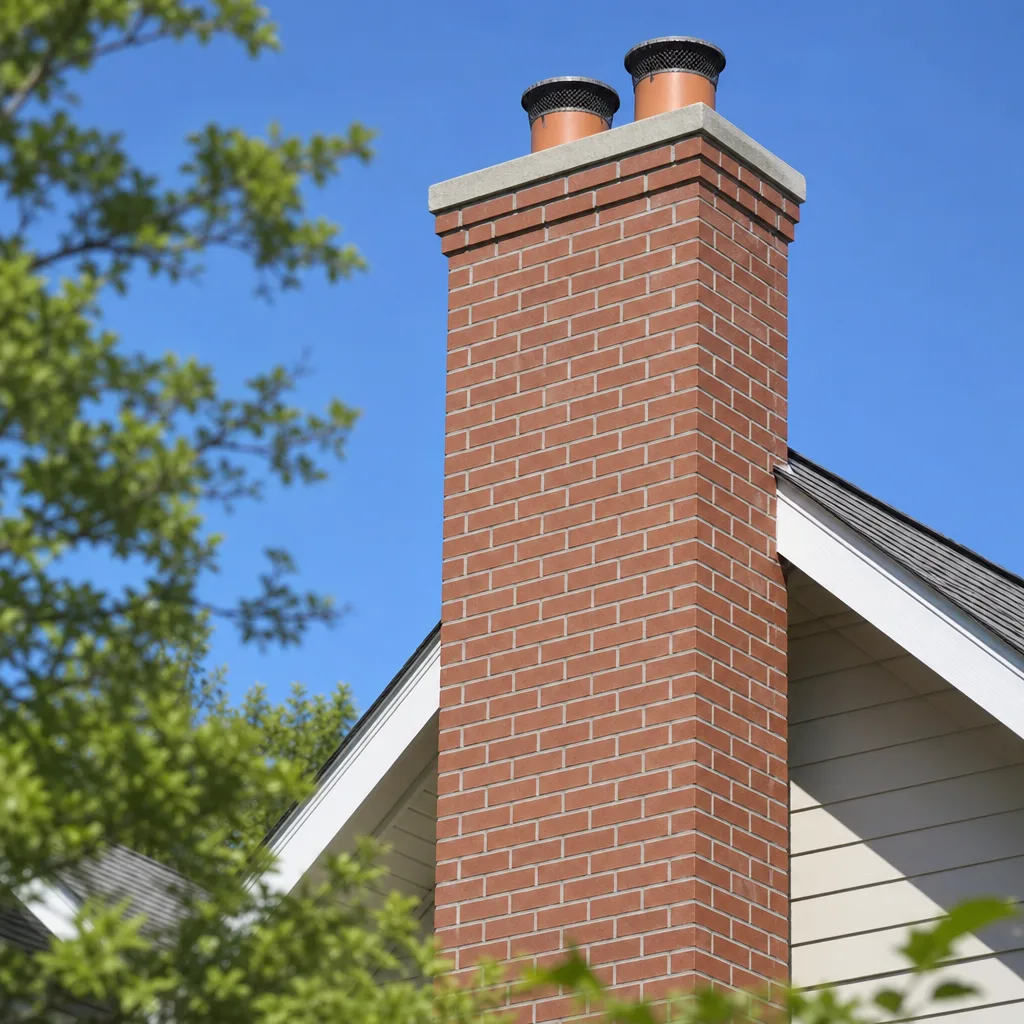
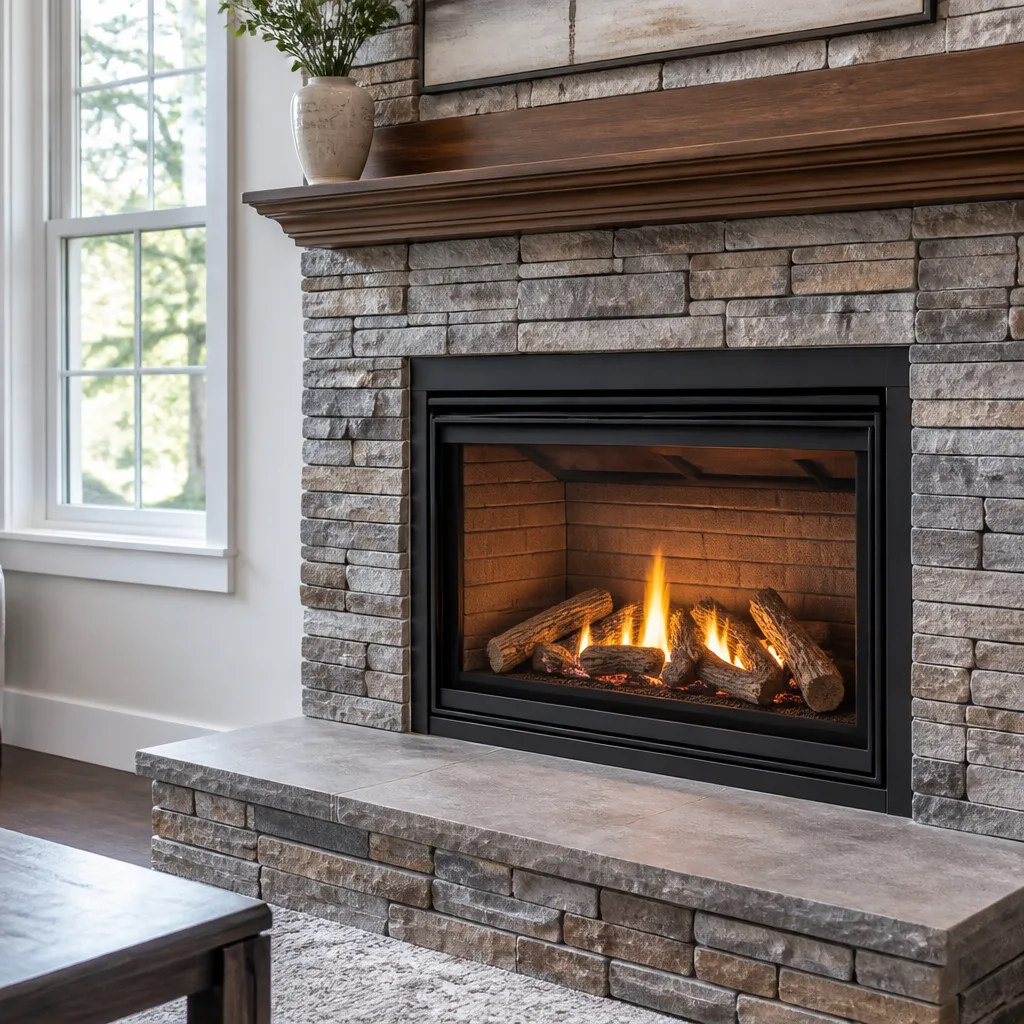
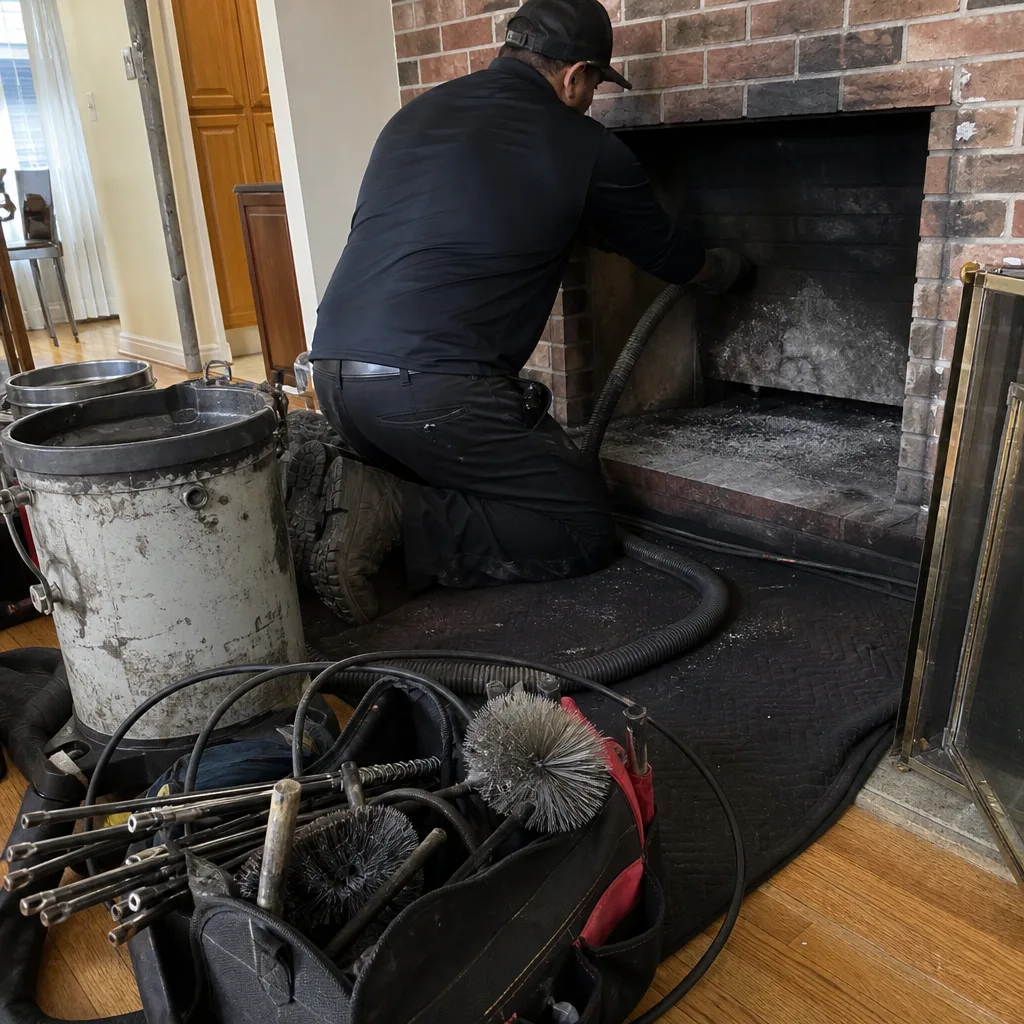 Before
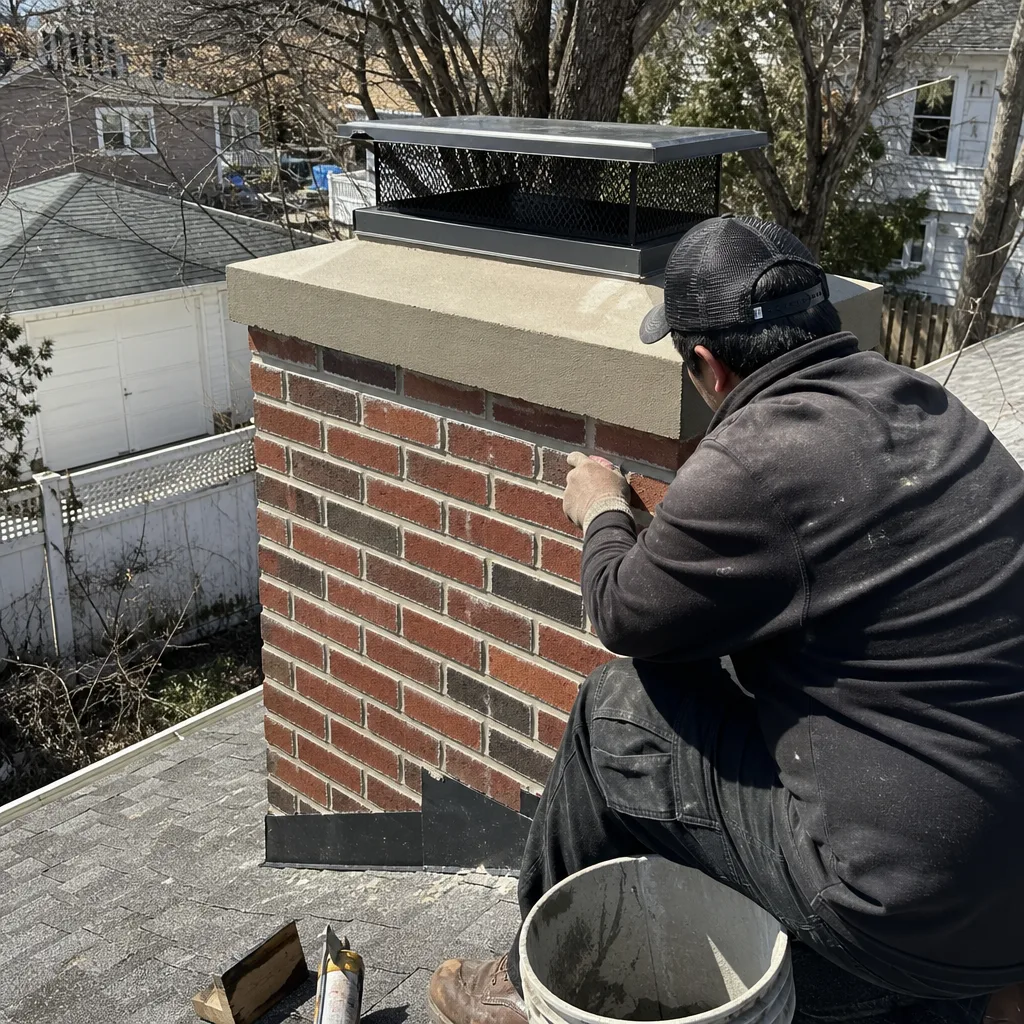 After
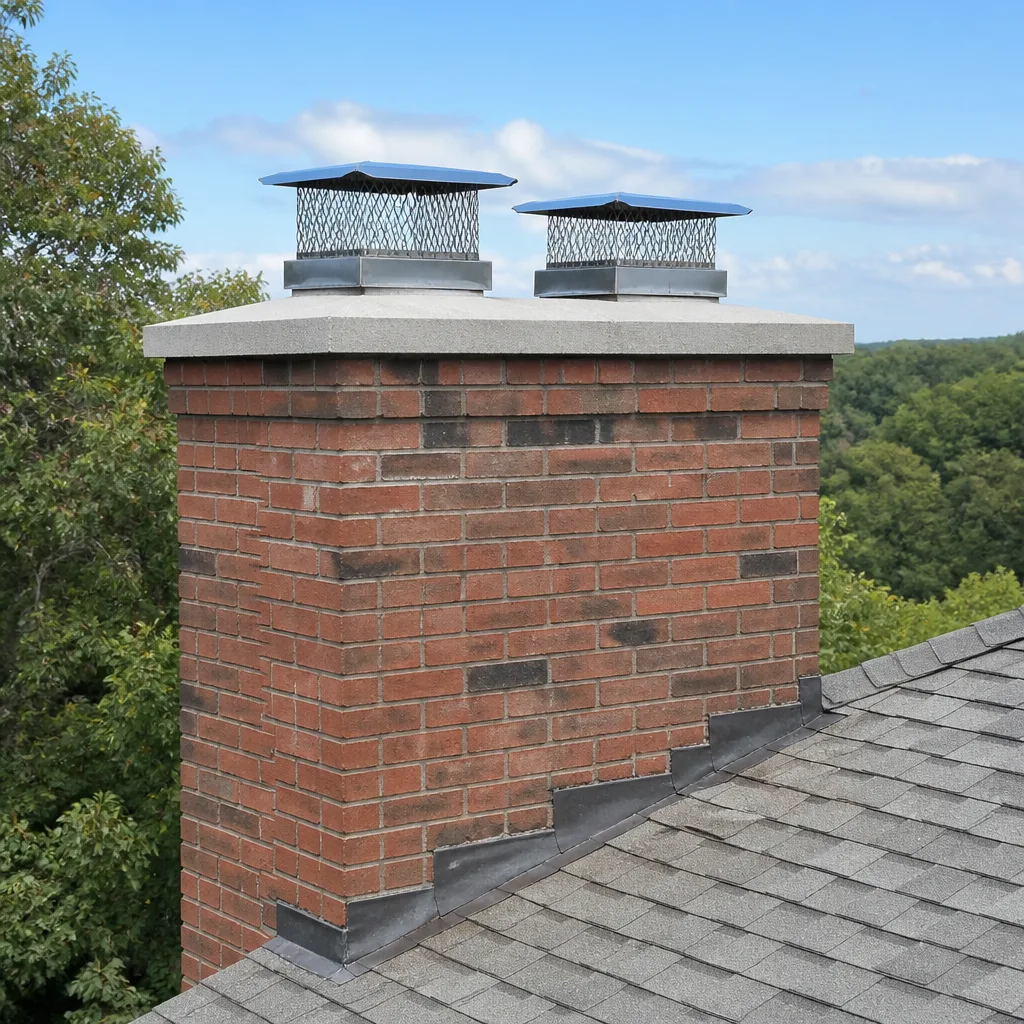
After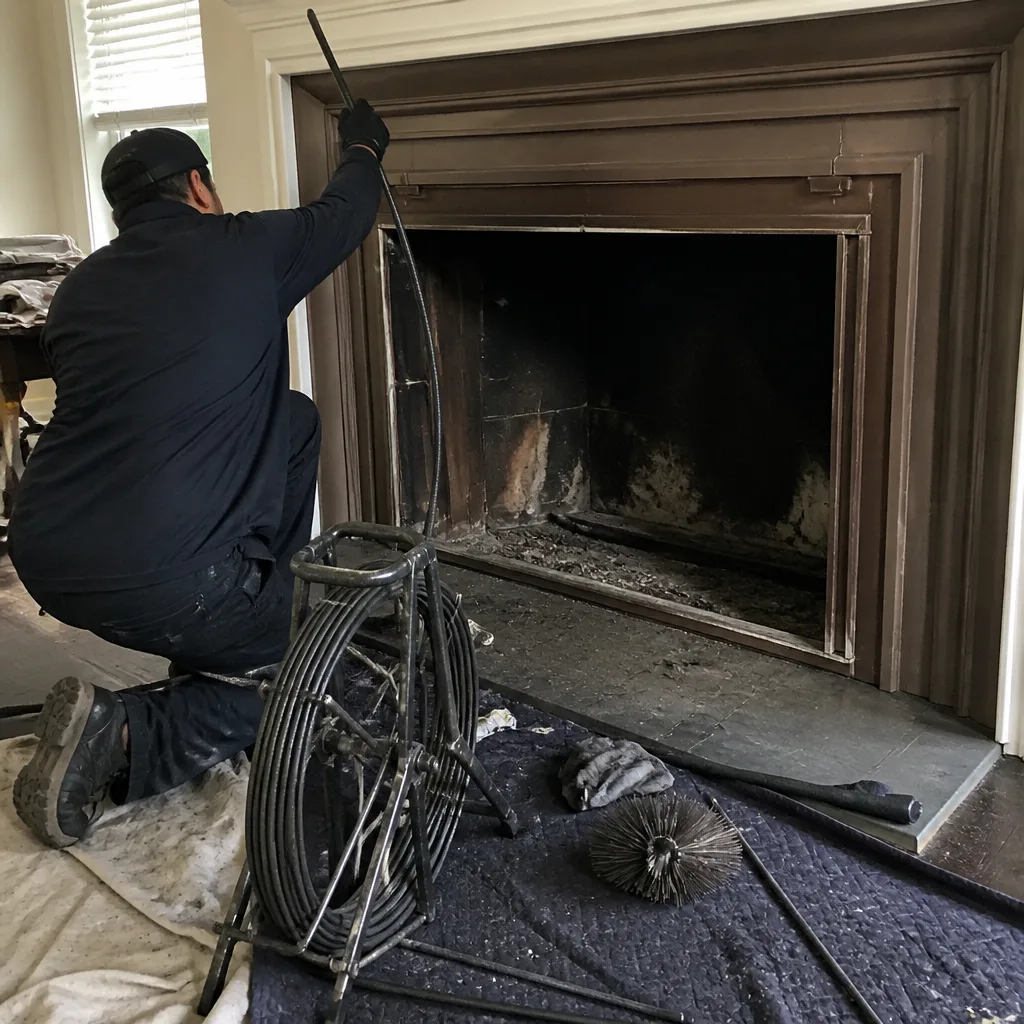 Before
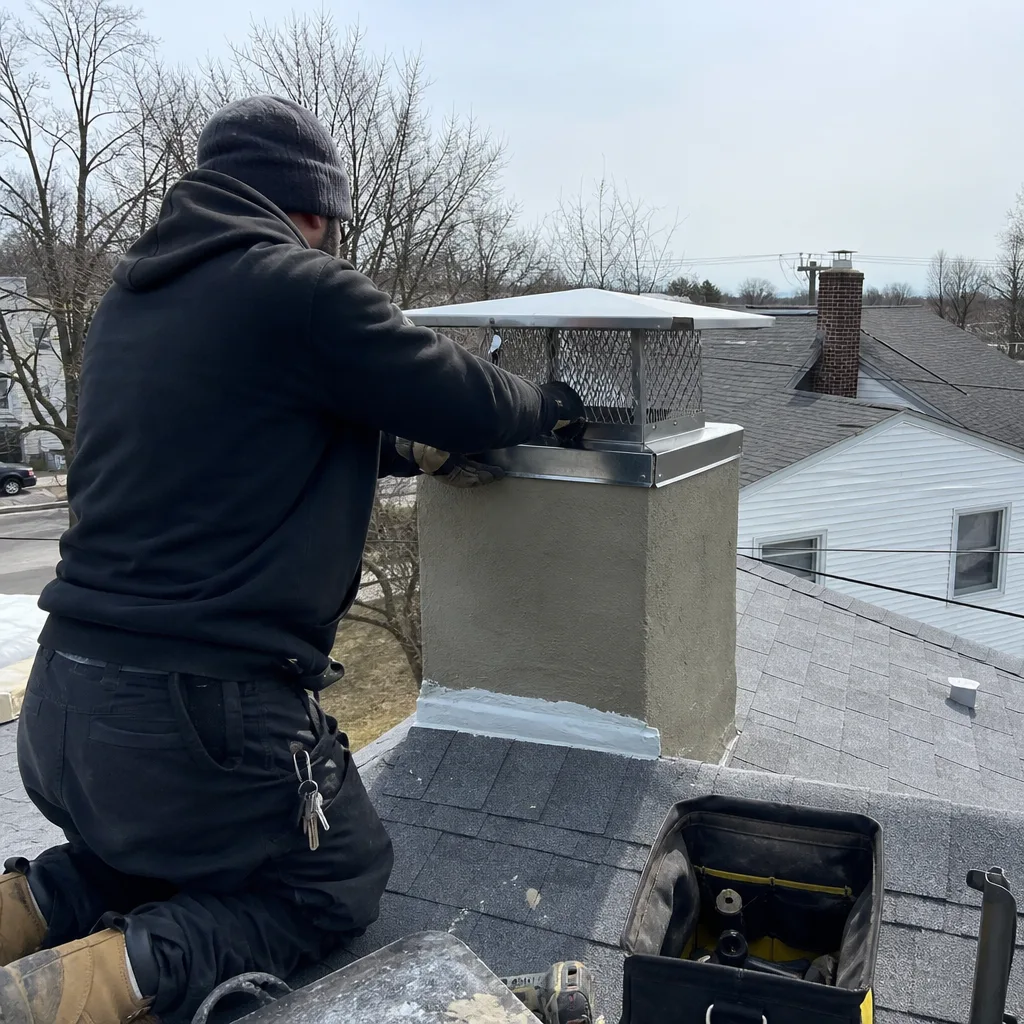 After
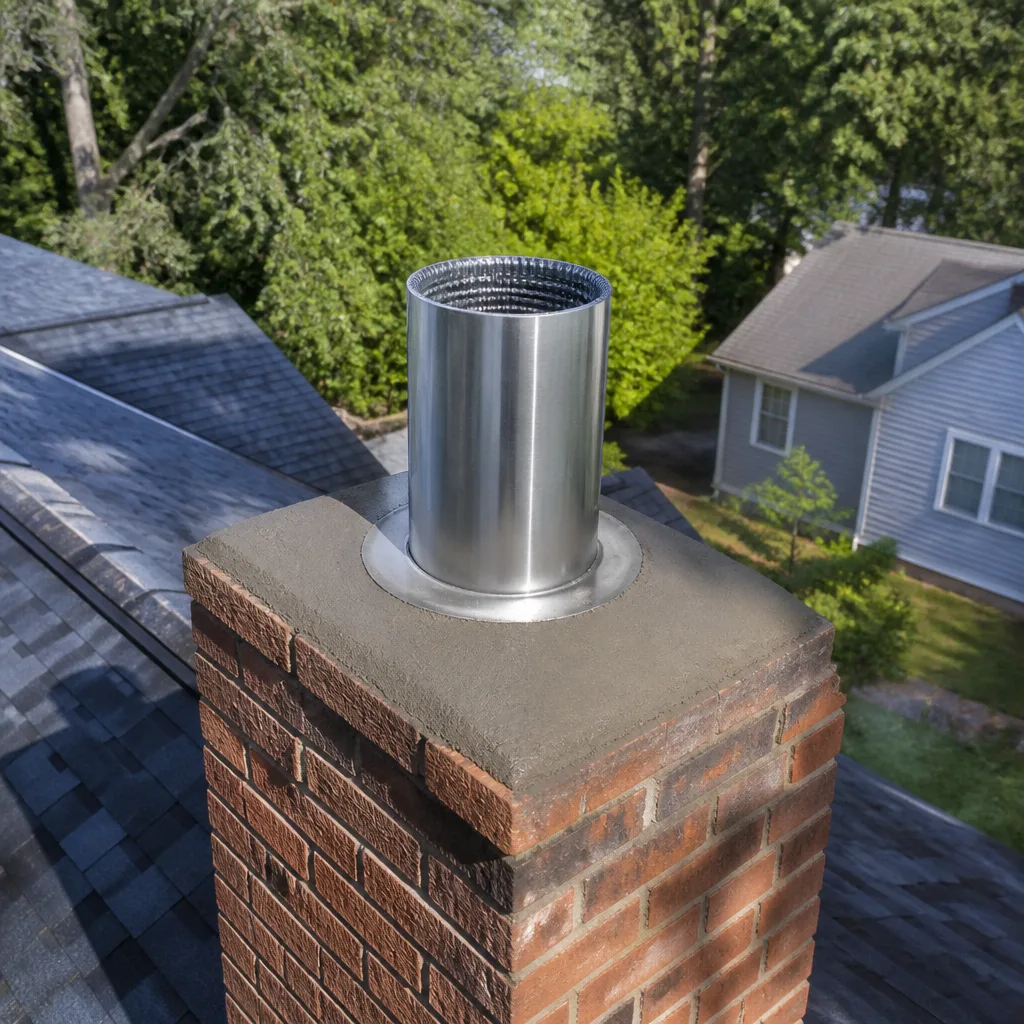
After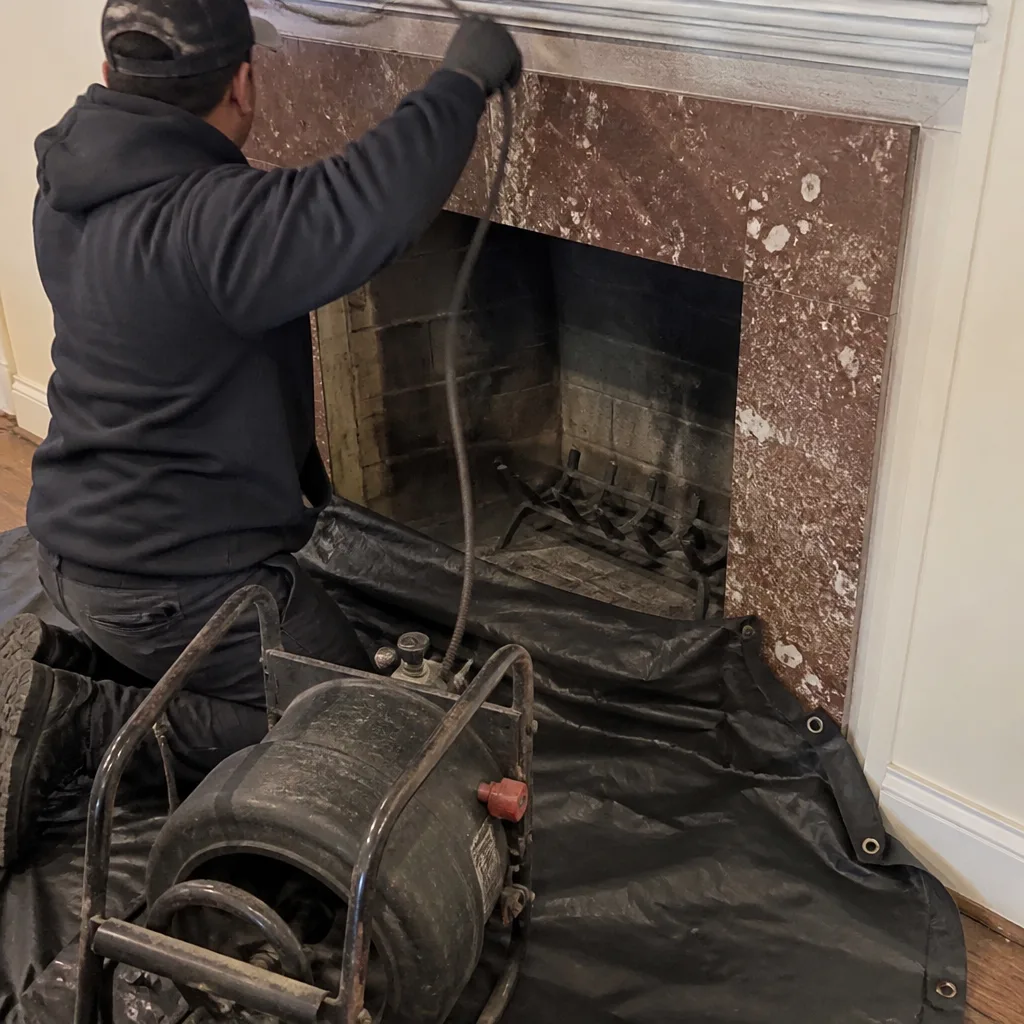 Before
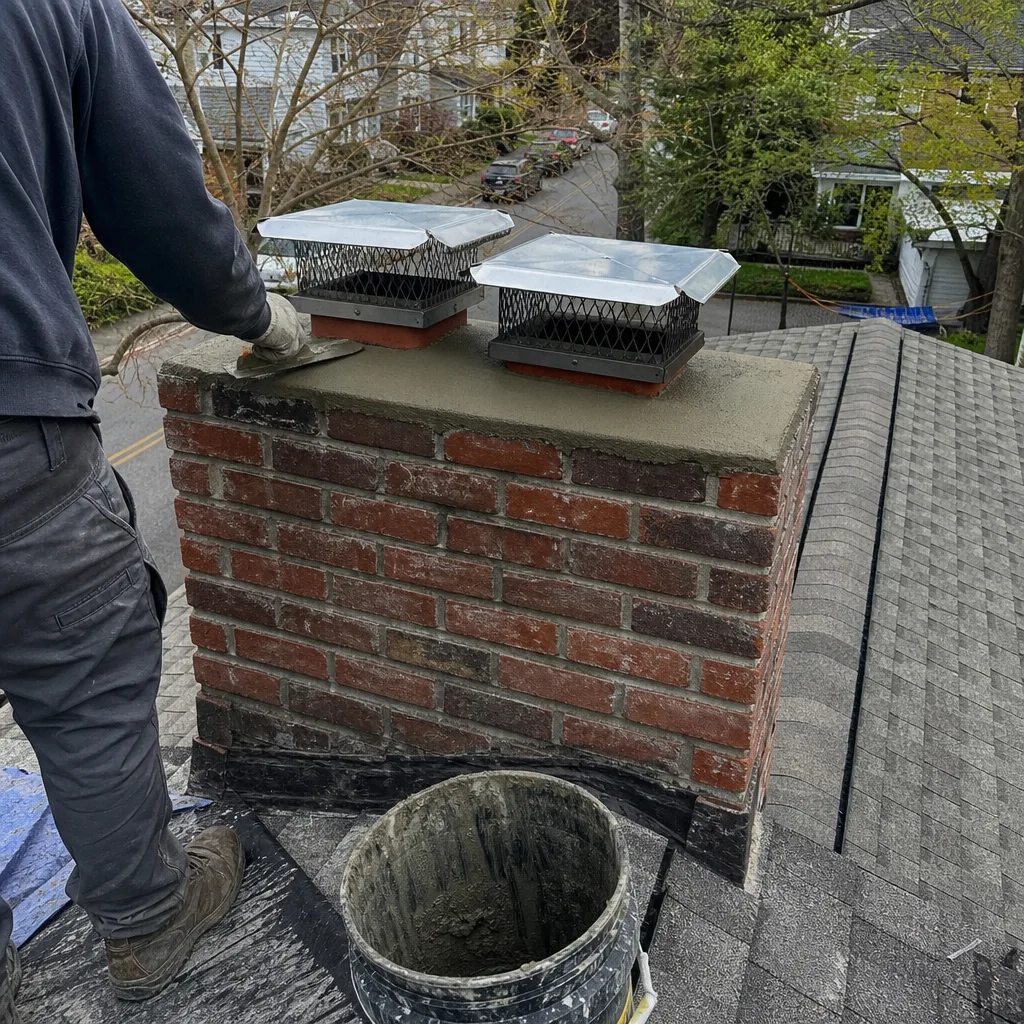 After
AfterHow Much Does Chimney Cleaning Cost in Manhattan, NY?
A standard chimney cleaning and sweep in Manhattan runs $189-$329 for a single flue with a conventional fireplace. A Level 2 camera-scan inspection, which most Manhattan co-op boards and pre-war brownstone owners need, adds $149-$229. If your flue has heavy creosote buildup or hasn’t been swept in years, expect $350-$550 for mechanical removal and a documented photo record. Call (516) 240-9191 for a written price before anyone steps into your building.
Key Takeaways
- Manhattan chimney cleaning costs $189-$329 for a standard sweep; Level 2 inspection runs $149-$229 more.
- Co-op boards often require a written inspection letter before a sale closes. We issue them same-week.
- Pre-war brownstones and tenements have multi-flue chases that must be probed and cleaned per flue, not as one stack.
- Every visit includes a camera scan and photo record under Clause 4 of the Haven Standard, our operating standard since 2009.
- Call (516) 240-9191 for a written quote. Estimates are free. We never ask you to commit before you see a number.
Fast, Reliable Chimney Cleaning & Sweep Across Manhattan
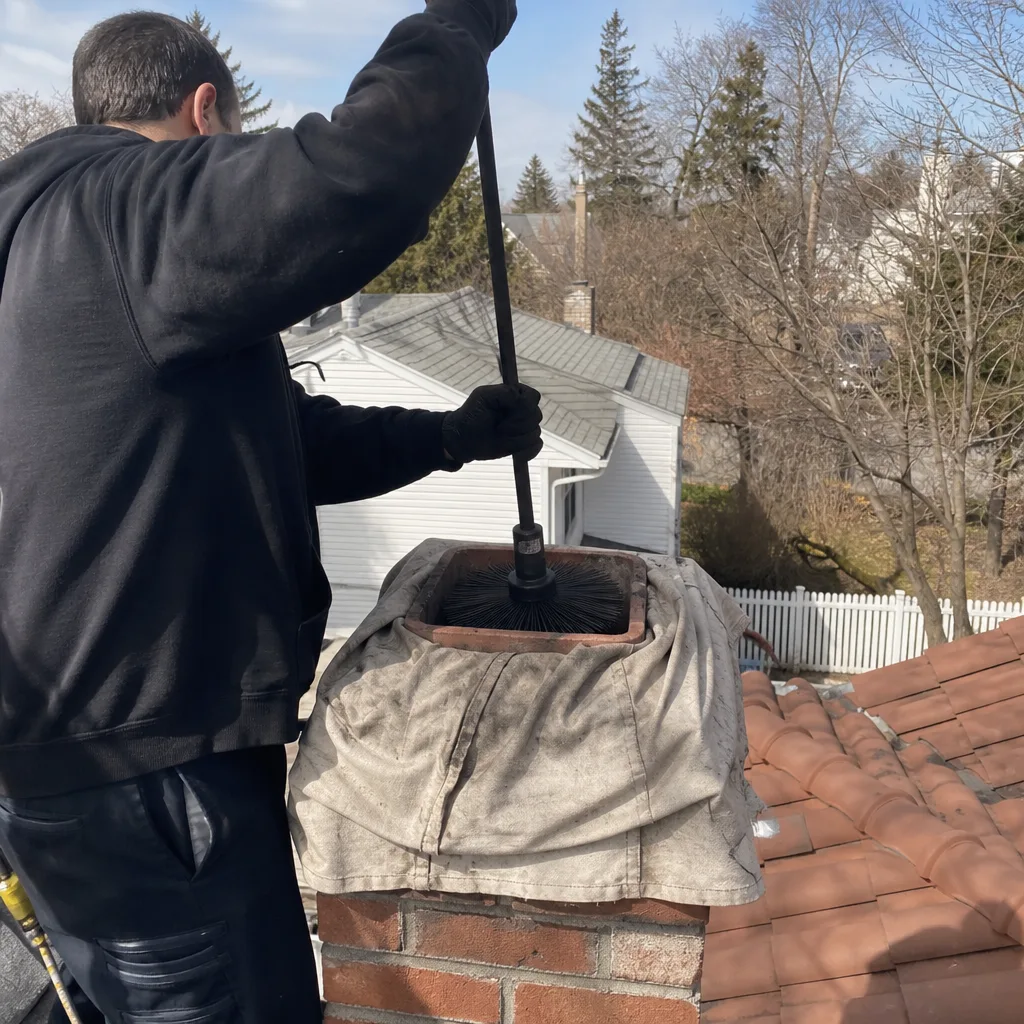
If you own a co-op unit, a brownstone, or a pre-war apartment building in Manhattan, your chimney isn’t like a suburban fireplace flue. It’s likely one flue inside a shared masonry chase serving three, four, even six separate units. That changes how it’s cleaned, how it’s inspected, and what paperwork you need when the co-op board asks for proof. We’re Level Two Chimney Flushing, and we’ve cleaned and inspected more than 38,000 chimneys since 2009 under the Haven Standard, which requires a written price before work starts and a documented photo record when it’s done. We serve every neighborhood in Manhattan, Harlem to the Financial District, with uniformed, background-checked techs. Call (516) 240-9191 and a live person answers 24/7.
BeforeAfterWhy Level Two Chimney Flushing Is Manhattan’s Preferred Chimney Cleaning & Sweep Company
Manhattan homeowners and co-op boards deal with something most sweep companies don’t understand: a chimney chase with multiple flues, each venting a different apartment’s gas boiler or a decorative fireplace that was never relined. We treat every flue as its own system. We probe each one independently, camera-scan each one, and document what we find. That’s not an upsell. It’s Clause 4 of the Haven Standard, the inspection protocol our founder Corrine Halstead put in place in 2009, years before insurers or regulators asked for it.
Our Chimney Cleaning & Sweep team has worked in co-ops on West End Avenue, brownstones in Harlem, and townhouses in the East Village. What Manhattan customers tell us matters most: they want the price on the page, they want to see the camera footage, and they want a written warranty before we touch a flue. That’s what we deliver. No flashlight look called an inspection. No “trust us” pricing. Just a written scope, a written price, and a photo record you keep.
Our Chimney Cleaning & Sweep Services in Manhattan
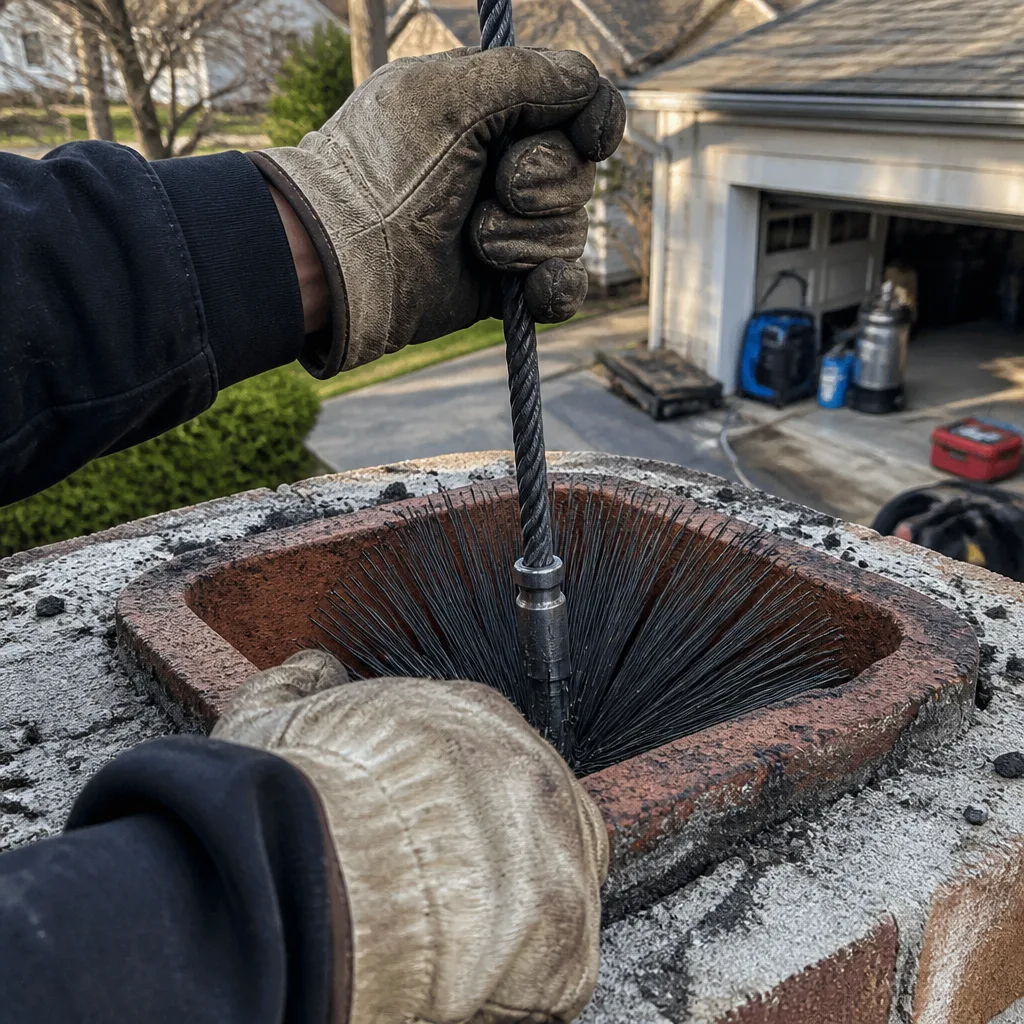
Level 2 Inspection
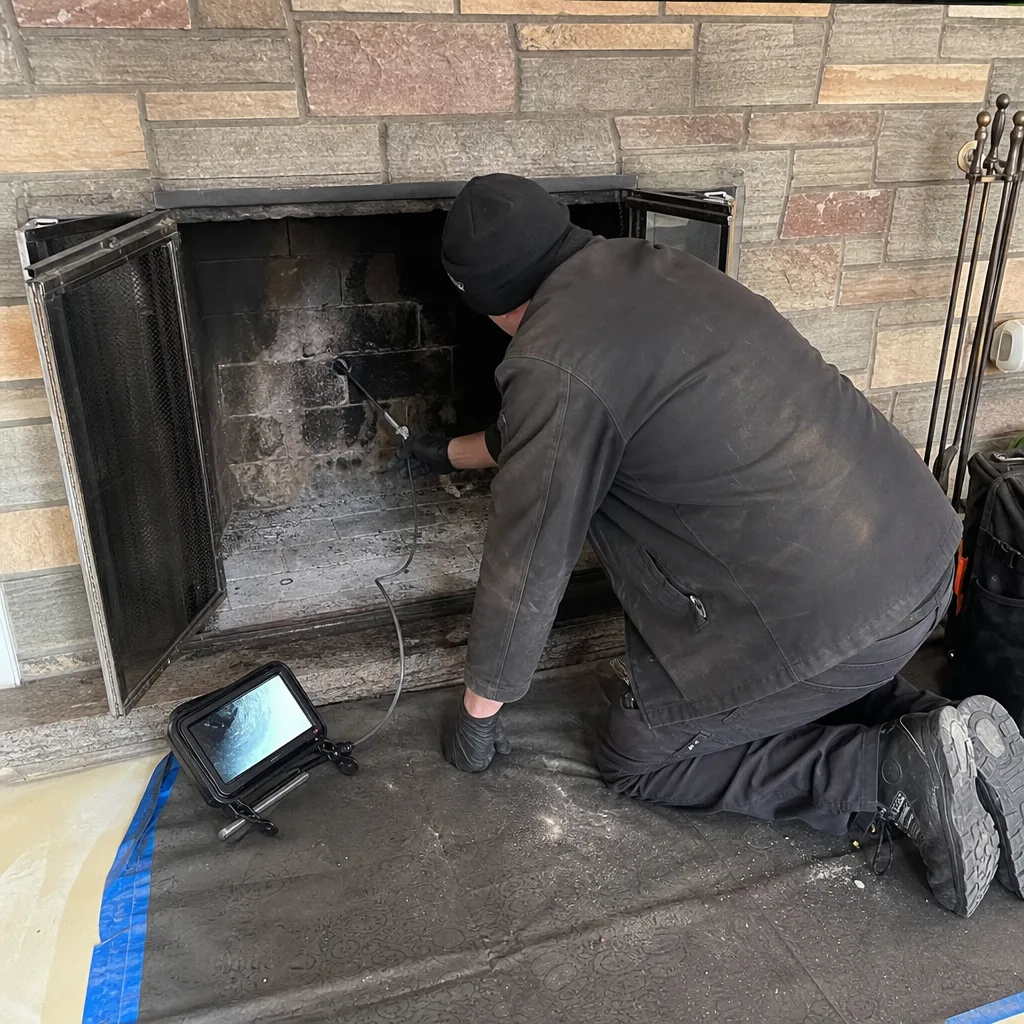
Most Manhattan co-op boards and many insurance carriers require a Level 2 inspection, which is the NFPA 211 standard for any chimney connected to a property transaction, a change in fuel type, or a suspected blockage. We run a camera down the full length of the flue, photograph every section, and write up what we find in plain terms: liner condition, crown integrity, creosote class. If your co-op needs a letter for a sale or a renovation, we issue it the same week. A Level 2 inspection in Manhattan typically costs $149-$229 per flue, and it includes the photo archive you’ll hand to the board.
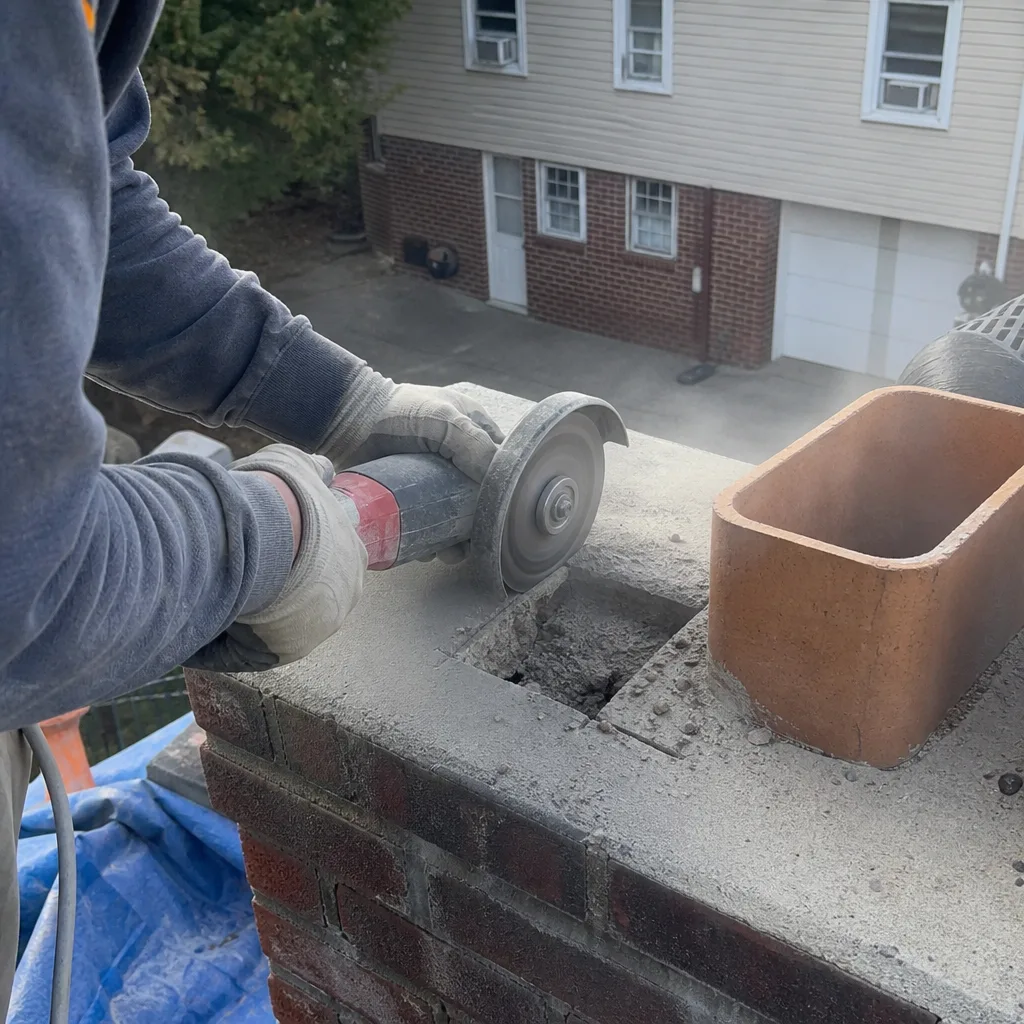
Creosote Removal
Creosote is the tar-like residue wood smoke leaves behind, and in Manhattan’s pre-war chimney flues it builds differently than it does out in the suburbs. Coal-era flues are oversized for modern gas appliances and decorative fireplaces. That oversized flue cools the smoke faster, which condenses creosote out of the exhaust stream and glazes it onto the masonry. We see third-degree creosote, the hardened, shiny form that resists brushing, in flues that have only burned wood a handful of times. Mechanical removal with rotary tools runs $250-$450 per flue, depending on severity, and we always camera-scan afterward to verify the flue is clear.
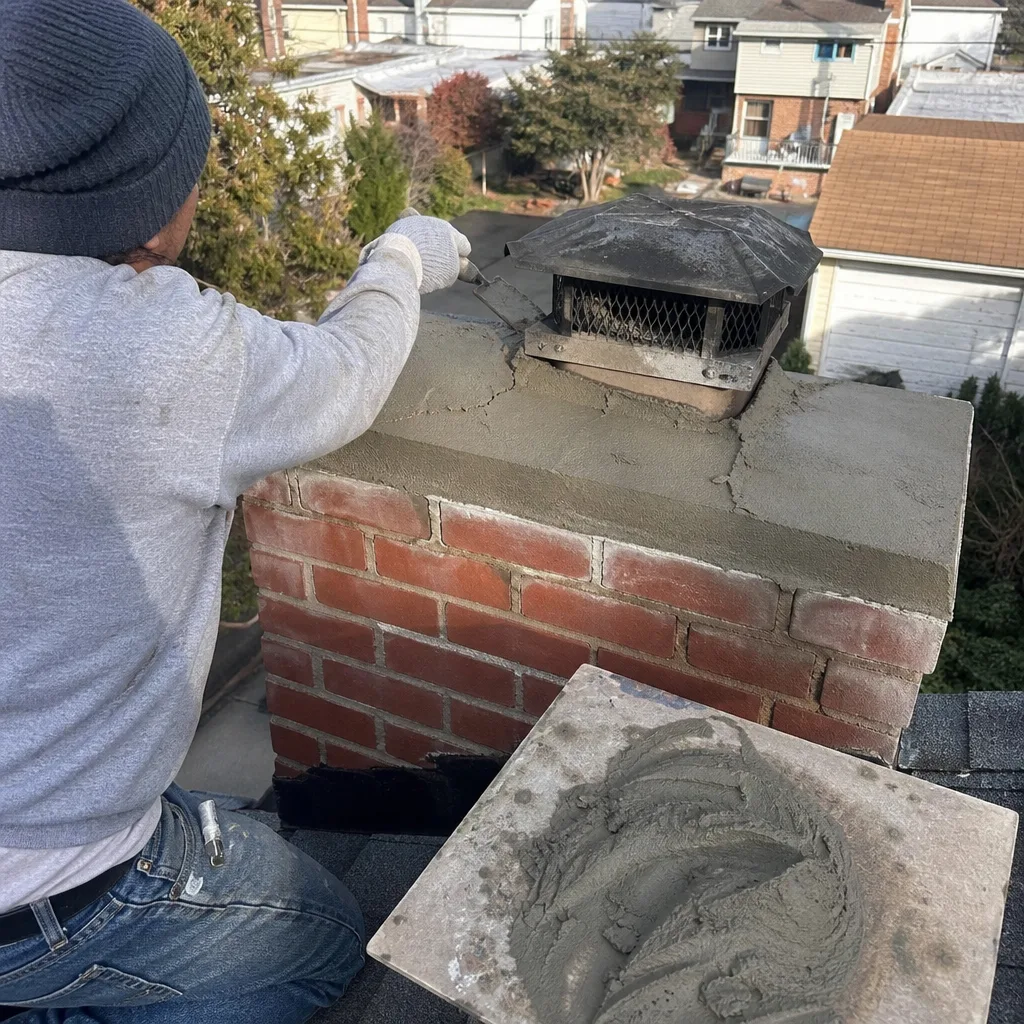
Soot Removal
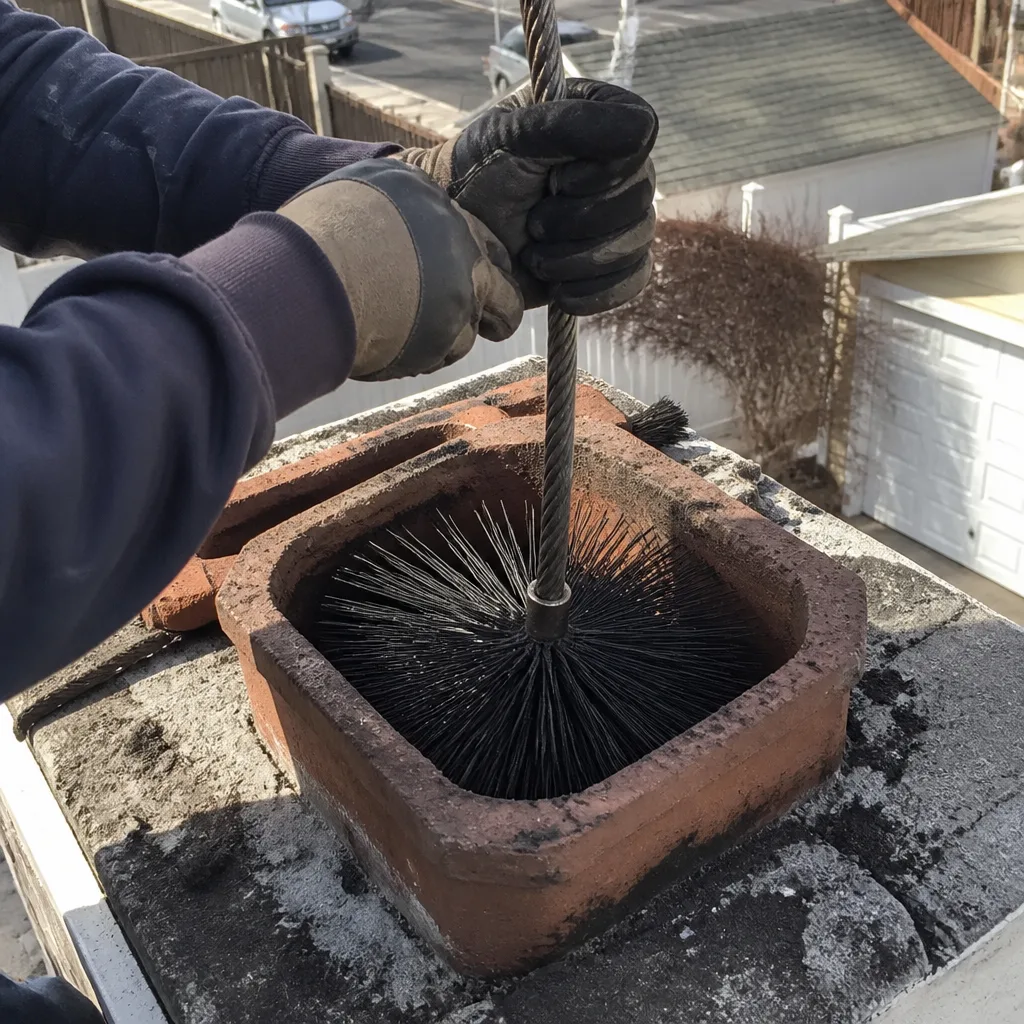
Soot is the dry, powdery carbon that settles in flues venting gas boilers and gas water heaters, the standard setup in most Manhattan apartments built before 1950. It’s less dramatic than creosote but still restricts draft and can backdraft carbon monoxide into a unit if the flue is partially blocked. A standard soot removal and sweep for a gas-appliance flue in Manhattan runs $189-$249. We brush the flue, vacuum the base, and check draft at the appliance connection. If we find a nest, a dead pigeon, or construction debris, that’s documented on camera before we touch anything.
Annual Sweep
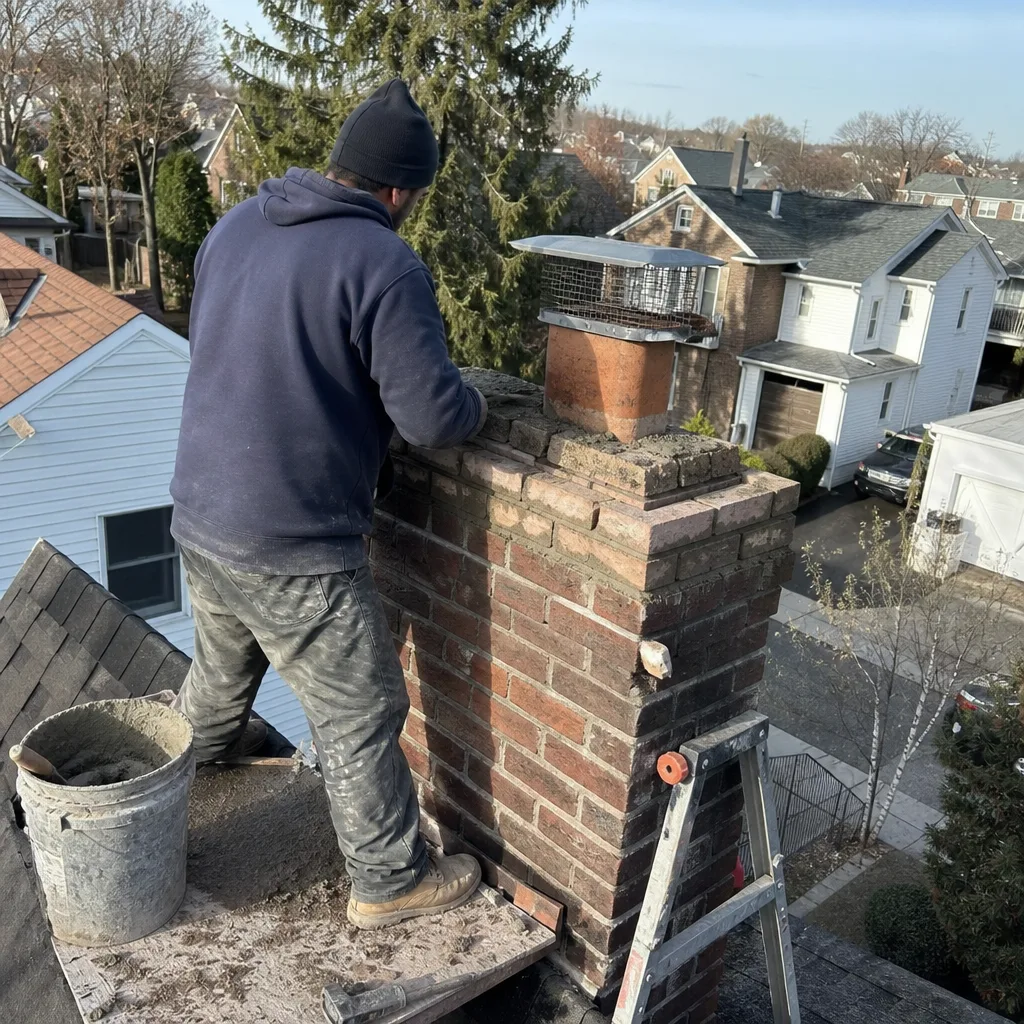
The National Fire Protection Association recommends a chimney inspection at least once a year, and a cleaning whenever creosote reaches 1/8 inch thick. In Manhattan, where wind-driven moisture off the Hudson and East River accelerates masonry wear, we recommend an annual sweep for any flue that sees regular wood burning. For decorative fireplaces used a few times a season, every two years may be enough. For gas-appliance flues in pre-war tenements, an annual sweep is often written into the building’s FDNY compliance routine. An annual sweep in Manhattan runs $189-$279 per flue, with a multi-flue discount when we do several units in the same chase during one visit.
What happens when you call
- 1
A real person answersNo phone trees - you reach a local pro.
- 2
You get an upfront price rangeHonest numbers before anyone is dispatched.
- 3
A background-checked tech heads outLicensed & insured, dispatched right away.
- 4
You approve before work beginsNothing starts until you say go.
Trusted Brands We Service in Manhattan
When a Manhattan flue needs a liner or a repair, we don’t work with generic parts. We source from DuraFlex, HeatShield, and Olympia Chimney, materials we’ve used for years and trust on pre-war masonry. That matters in Manhattan because a flue liner in a 1905 brownstone has to handle an oversized coal-era chase, and the wrong liner creates the same condensation problem the original unlined flue had. We stock the common sizes and fittings, which means a repair in Gramercy or Morningside Heights doesn’t wait on a shipment from a distributor in Pennsylvania.
Common Chimney Cleaning & Sweep Problems We See in Manhattan Homes
- Multi-flue chases cleaned as one chimney. A four-flue brownstone chimney on West 122nd Street in Harlem isn’t one chimney. It’s four separate flues, each with its own draft, its own creosote load, and its own blockage risk. A sweep that treats the stack as a single system can miss a pigeon nest in one flue while declaring the whole chase clean. That missed flue can backdraft carbon monoxide into a neighboring apartment, which triggers an FDNY shutdown and a building-wide headache.
- Coal-era flue sizing that makes creosote worse. Chimneys built between roughly 1885 and 1945 were sized for coal combustion, which produced a lot of exhaust volume. Modern gas boilers and decorative wood fires produce far less. The oversized flue cools the smoke too quickly, condensing creosote into a hard glaze within a single season. This is the single most common finding in Manhattan pre-war buildings that have never been relined.
- Rooftop crowns and flashing ignored. Manhattan rooftops face wind-driven rain off the rivers and a December-to-March freeze-thaw cycle that works on mortar joints like a wedge. A tiny crack in the crown lets water into the flue, where it freezes, expands, and fractures the liner. Most buildings that haven’t had tuckpointing in a decade have spalling mortar and some degree of crown damage. We inspect the crown and flashing on every visit, even when the job is just a sweep.
- Decorative fireplaces never relined. A wood-burning fireplace in an Upper West Side pre-war apartment is beautiful and almost certainly unsafe as-is. The flue was built for coal, not wood, and it wasn’t sized or lined for the creosote wood smoke produces. Burning wood in an unlined coal flue is a chimney fire waiting to happen. We’ll tell you plainly if your fireplace can be used as-is or if it needs a liner before you light another fire.
Pricing for Chimney Cleaning & Sweep in Manhattan, NY
Here’s what Manhattan customers can expect to pay, in writing, before anyone starts:
- Standard sweep, single flue, conventional fireplace: $189-$279
- Standard sweep, single flue, heavy creosote or glazed buildup: $250-$399
- Mechanical creosote removal (rotary tooling), per flue: $250-$450
- Level 2 camera scan and written report, per flue: $149-$229
- Multi-flue discount for 3+ flues in the same chase, same visit: 15-25% off per-flue rate
What changes the price: number of flues, creosote class, access to the roof, and whether the flue has been relined. What doesn’t change: you get a written price before we start, a photo record when we finish, and the 365-Day Done Right Promise. If it’s not done right, we make it right. That’s the Haven Standard, Clause 1. Call (516) 240-9191 for an exact quote. Free estimates, and if you have a competitor’s written estimate, bring it. We’ll second-opinion it at no charge.
Manhattan’s Co-op Board Rules Change What You Need From a Chimney Cleaning
Here’s something a generic chimney cleaning page won’t tell you: in Manhattan, a chimney sweep isn’t just about fire safety. It’s often a real estate transaction requirement. NYC co-op boards routinely require a certified chimney inspection letter before a unit sale closes. That means buyers, sellers, and shareholders need a Level 2 inspection with a written report, photos, and a signature from a qualified tech. We issue those letters the same week we do the inspection. We’ve done it for boards in Harlem, the Upper East Side, and Greenwich Village. If your board has a specific form or wording requirement, we’ll match it. This is standard work for us. For anyone who didn’t grow up in a co-op, it’s a surprise. For us, it’s Tuesday.
We Also Serve Cities Near Manhattan
Our teams handle chimney cleaning and sweep work across Manhattan and the surrounding metro, including New York, Long Island City, Astoria, and Elmhurst. If you’re just across the East River or up in Queens, the same written-price, photo-record standard applies.
Serving Manhattan, NY - Our Local Coverage Area
We’re based in the Manhattan area and know this community well. Use the map below to see our service coverage - if you’re nearby, we can almost certainly help.
FAQs - Chimney Cleaning & Sweep in Manhattan
If you’re selling a unit or the board has flagged your fireplace flue, you’ll need a Level 2 camera inspection with a written report and inspection letter, and we can usually do the sweep and the inspection in the same visit. The sweep clears the flue; the camera scan verifies the flue is sound and documents the condition in photos. The letter goes out the same week, with the wording tailored to what your board’s managing agent asked for. If the board has a deadline, tell us when you book. Call (516) 240-9191 and we’ll schedule around it.
Your flue was built for coal, not wood. Coal-era flues are oversized for the exhaust volume of a modern wood fire, which means the smoke hangs in the flue longer and cools below the condensation point before it exits. That condenses creosote out of the smoke and glazes it onto the masonry. A fireplace used twice a month can develop third-degree creosote in a single season if the flue is unlined and oversized. The fix is usually a properly sized stainless steel liner, which we can quote after a camera inspection.
Yes. We clean each flue independently, so we don’t need to shut down the whole building. We work from the roof and from the appliance connections inside each unit, one flue at a time. In a four-flue chase, that might mean we sweep the third-floor boiler flue while the first and second floors stay fully operational. The only time we need a unit offline is when we’re cleaning that specific unit’s flue, and that’s usually a 20-30 minute window. Building supers in Harlem and Washington Heights use us specifically because we don’t shut down the entire heating system for a routine cleaning.
Yes. A decorative fireplace in a Manhattan apartment gets lit maybe a few times a month in winter, and the flue still needs an annual inspection, but a sweep every two years is often enough if the creosote stays under 1/8 inch. A wood stove used as a primary heat source, which is rare in Manhattan but exists in some outer-borough-style brownstones and single-family conversions, builds creosote much faster and should be swept every cord of wood burned or at minimum twice per heating season. We’ll measure what’s actually in your flue and tell you the real interval, not a generic one.
Third-degree creosote is the hard, shiny, tar-like glaze that forms when creosote condenses, dries, and re-condenses over multiple fires. It resists brushing and usually requires mechanical rotary removal. Manhattan chimneys get it faster because the pre-war flues are oversized and unlined, which cools the smoke too quickly and condenses creosote out of the exhaust stream before it exits the flue. A suburban New Jersey flue built in the 1980s is often sized for the fireplace and lined with stainless steel, so the smoke exits faster and hotter. If you have third-degree creosote, call (516) 240-9191. We’ll remove it mechanically and camera-verify the flue is clear before we leave.
Written by Corrine Halstead, Owner at Level Two Chimney Flushing, serving Manhattan’s pre-war buildings and co-op communities since 2009.
Chimney Cleaning & Sweep in Nearby Areas