
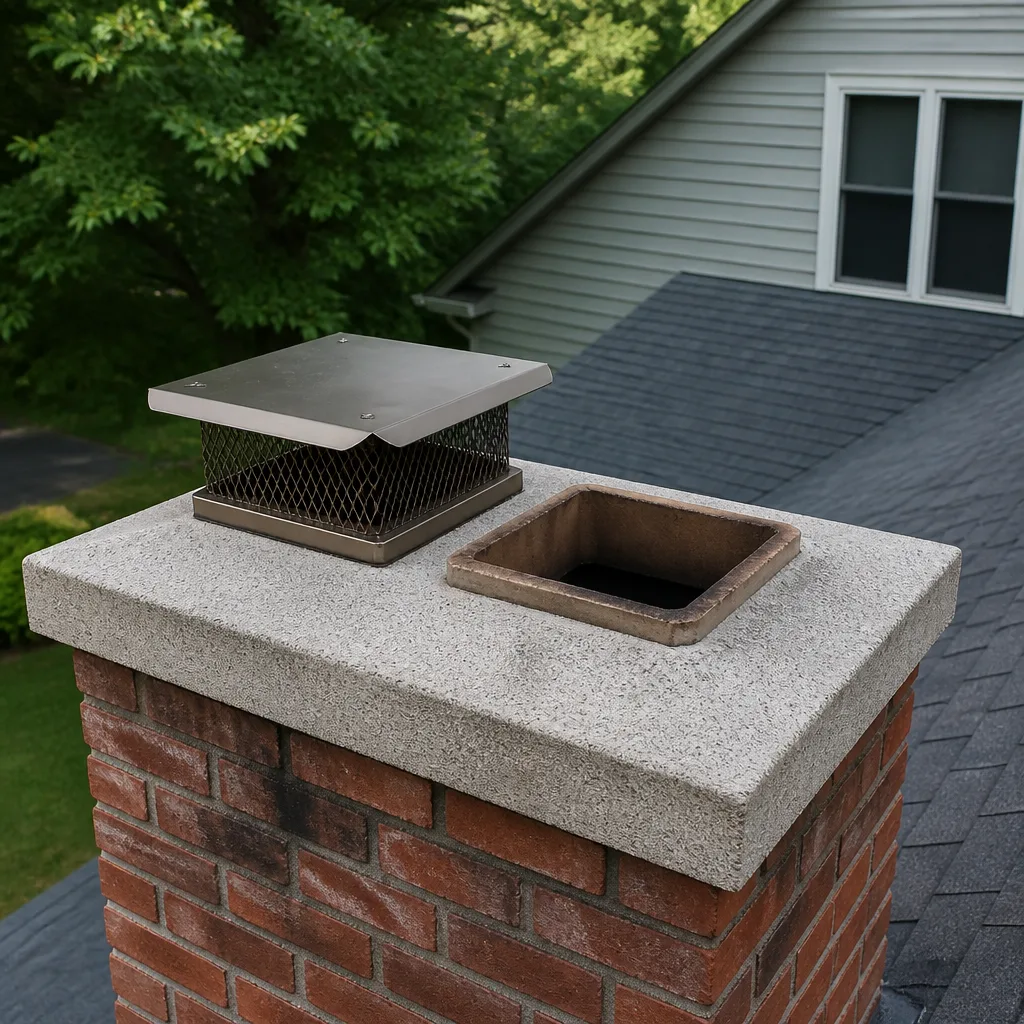
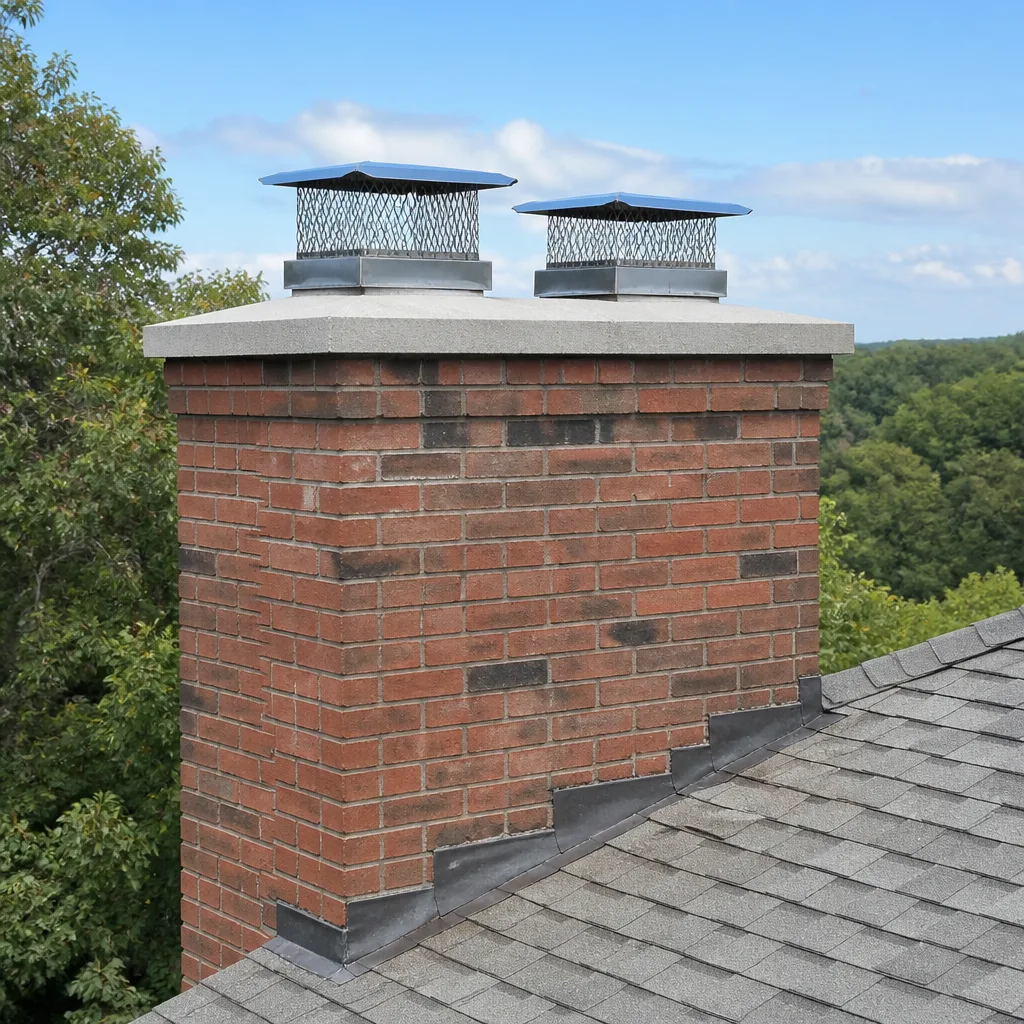
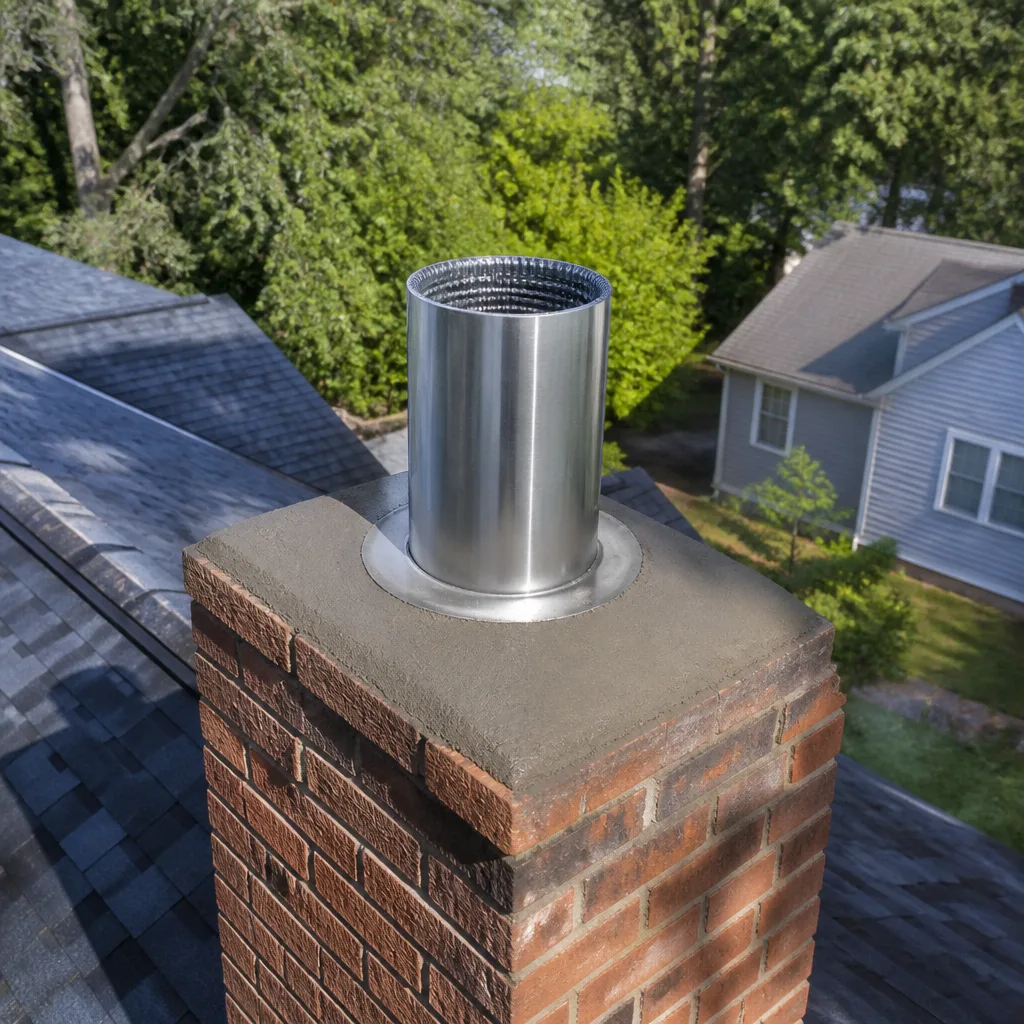
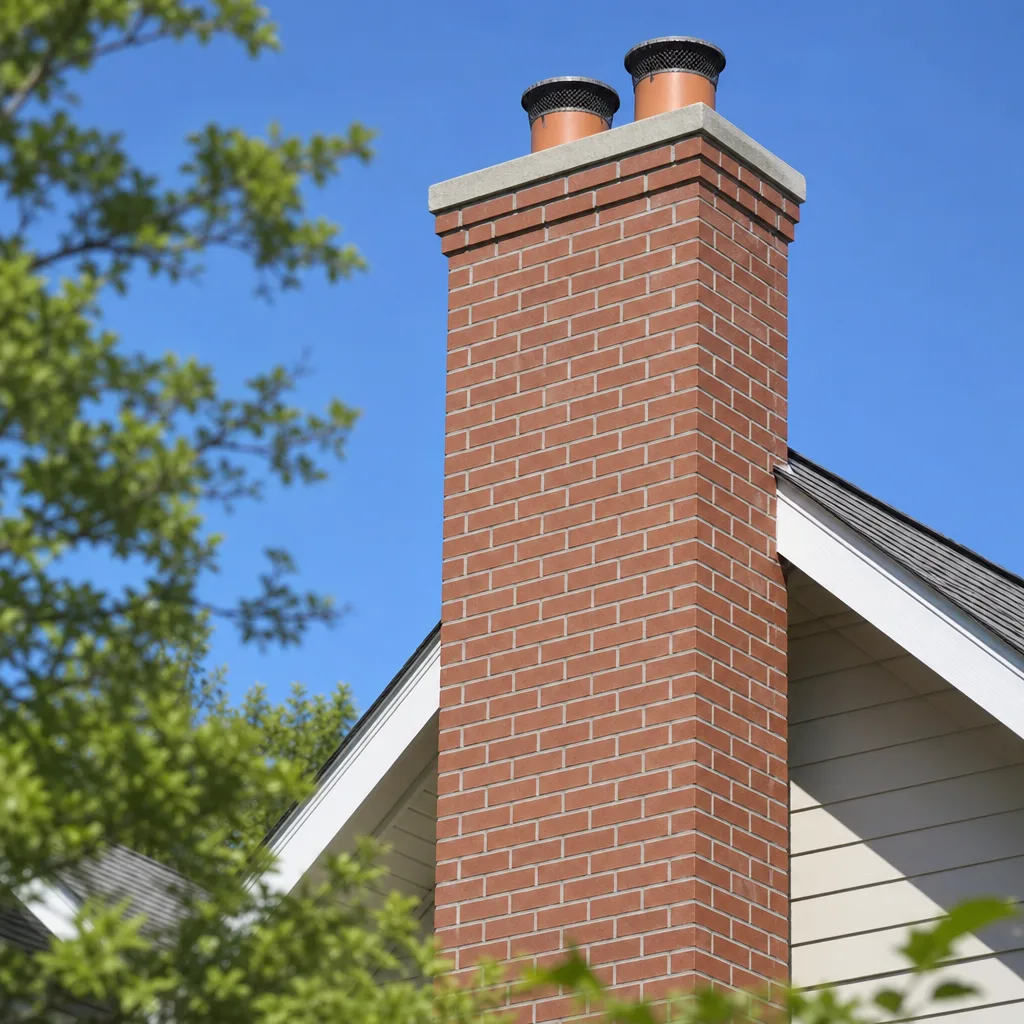
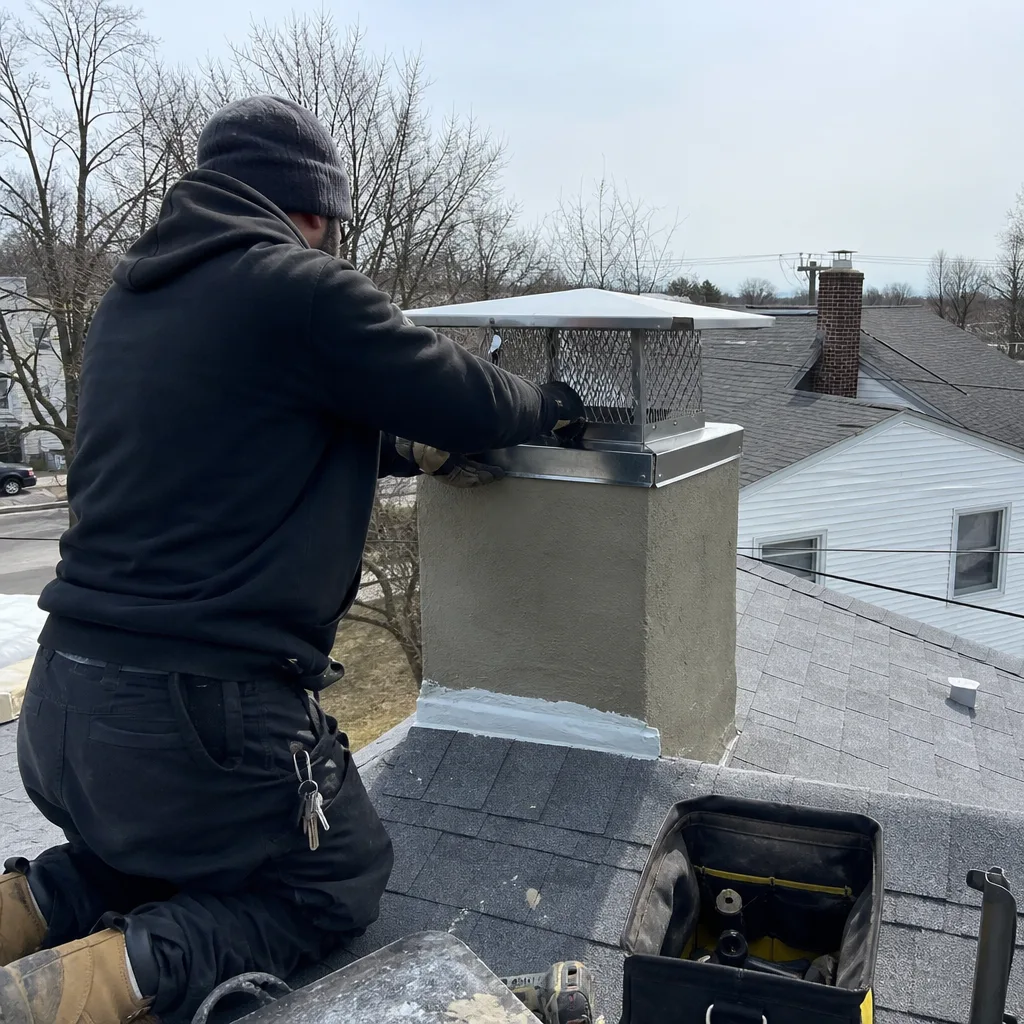
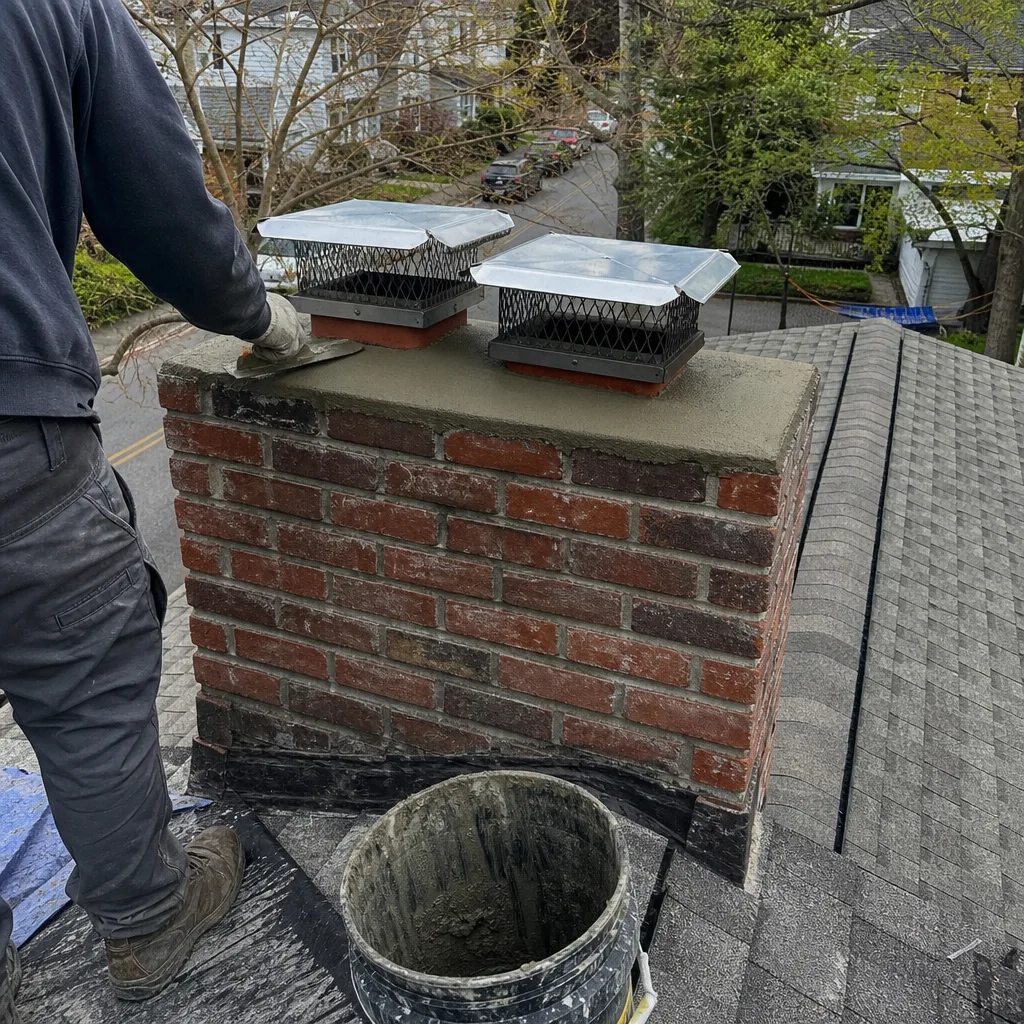
Level 1 sweep and inspection to the NFPA 211 annual standard - flue, crown, cap, and flashing checked and photographed
Chimney sweep logs do not sweep chimneys. They loosen some creosote - which then falls where a brush and vacuum still have to collect it.
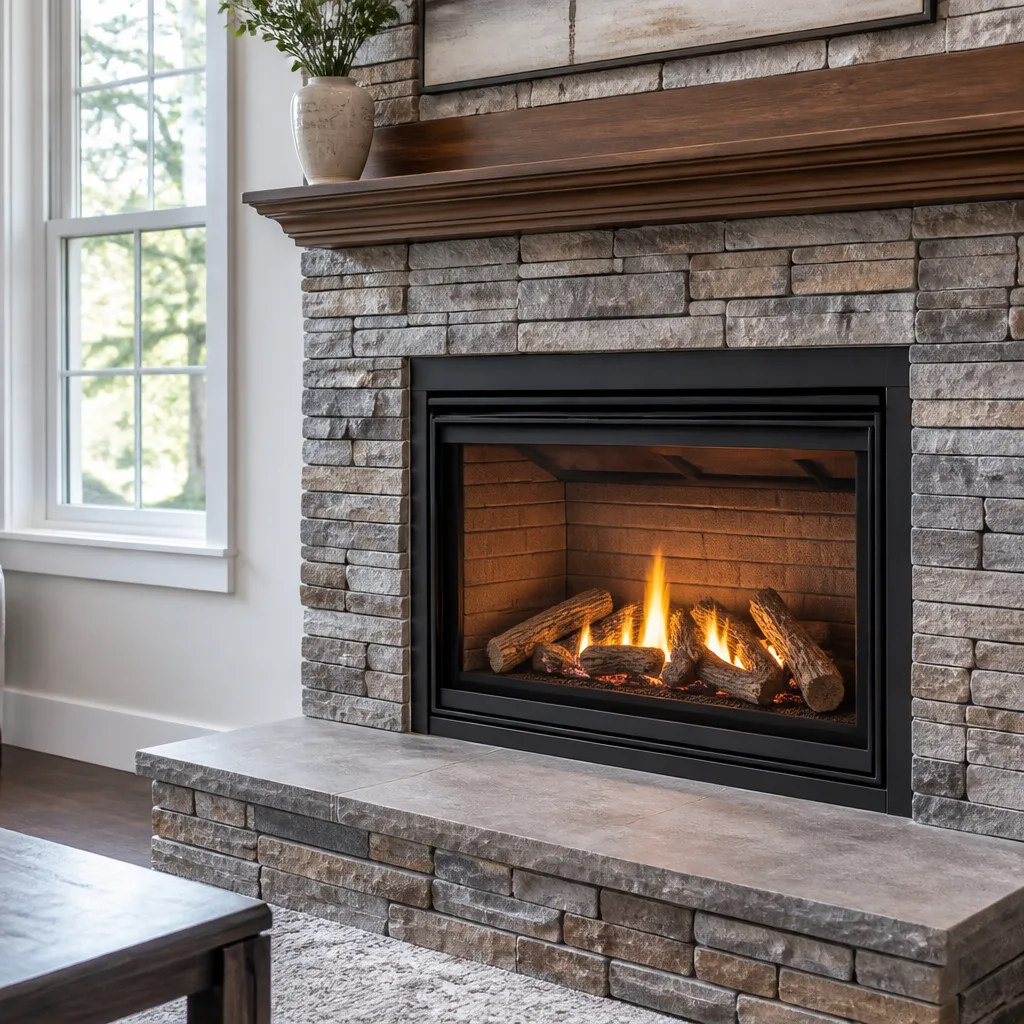
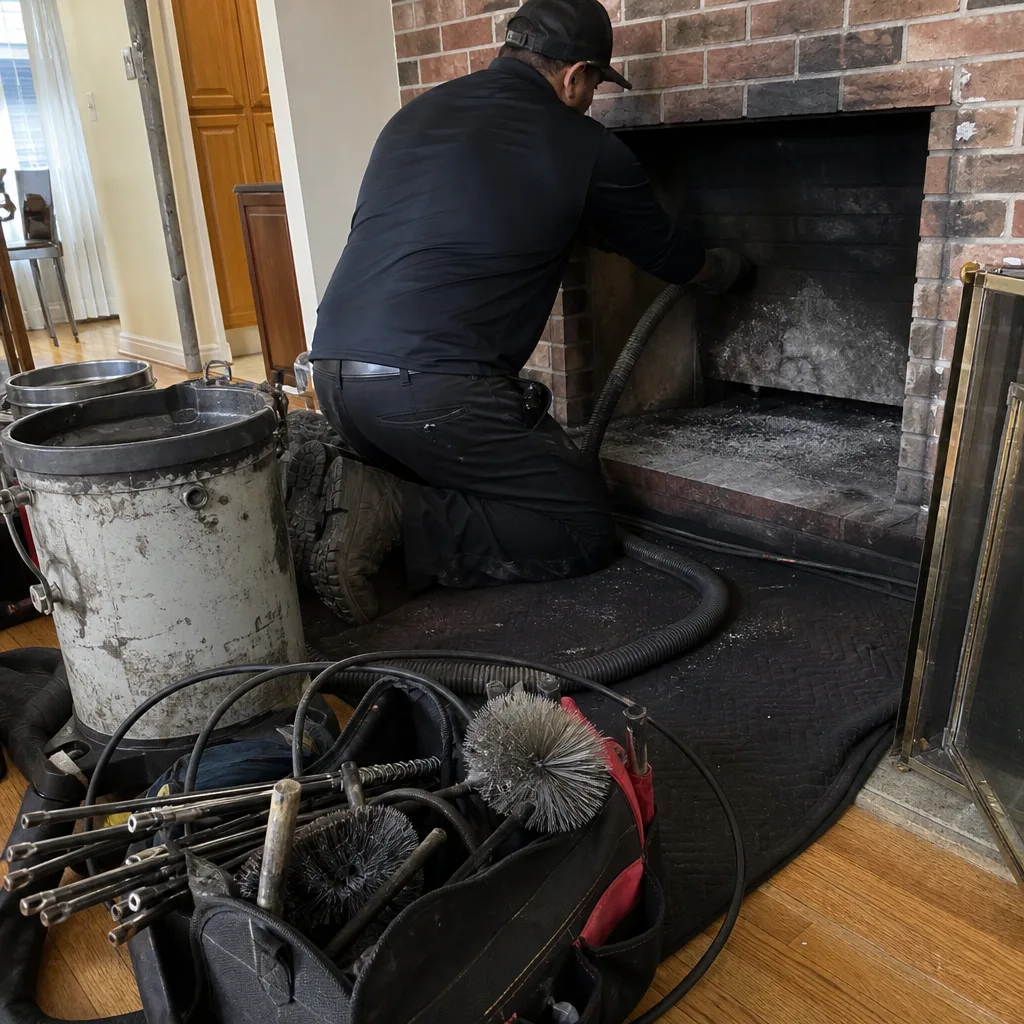 Before
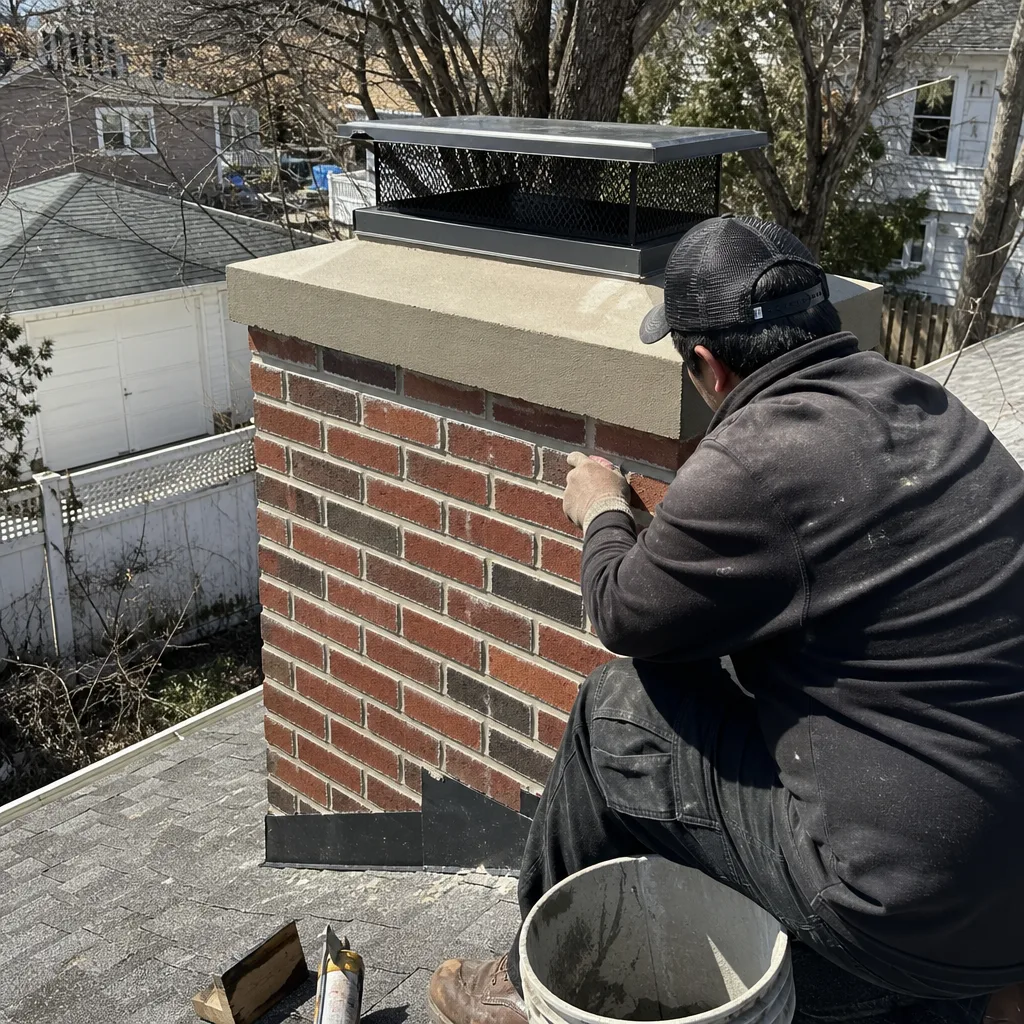 After
After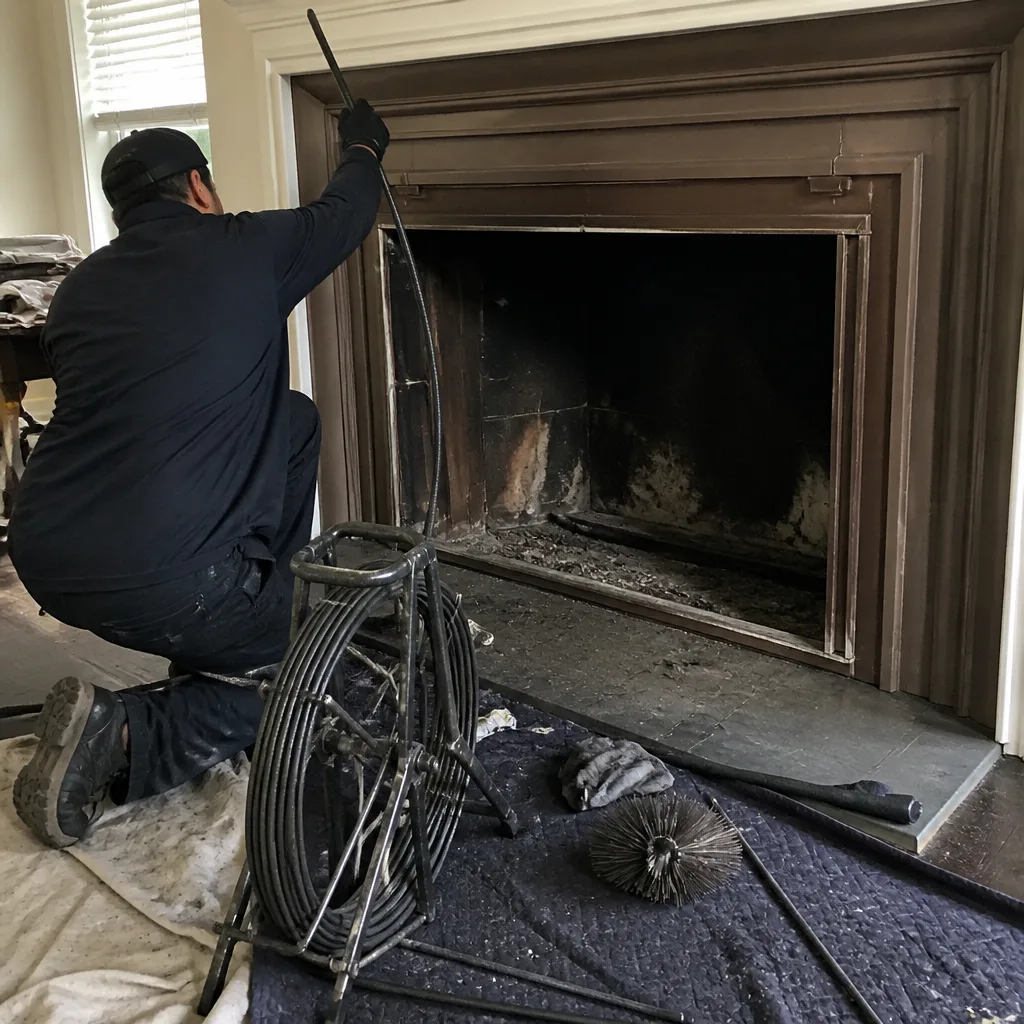 Before
 After
After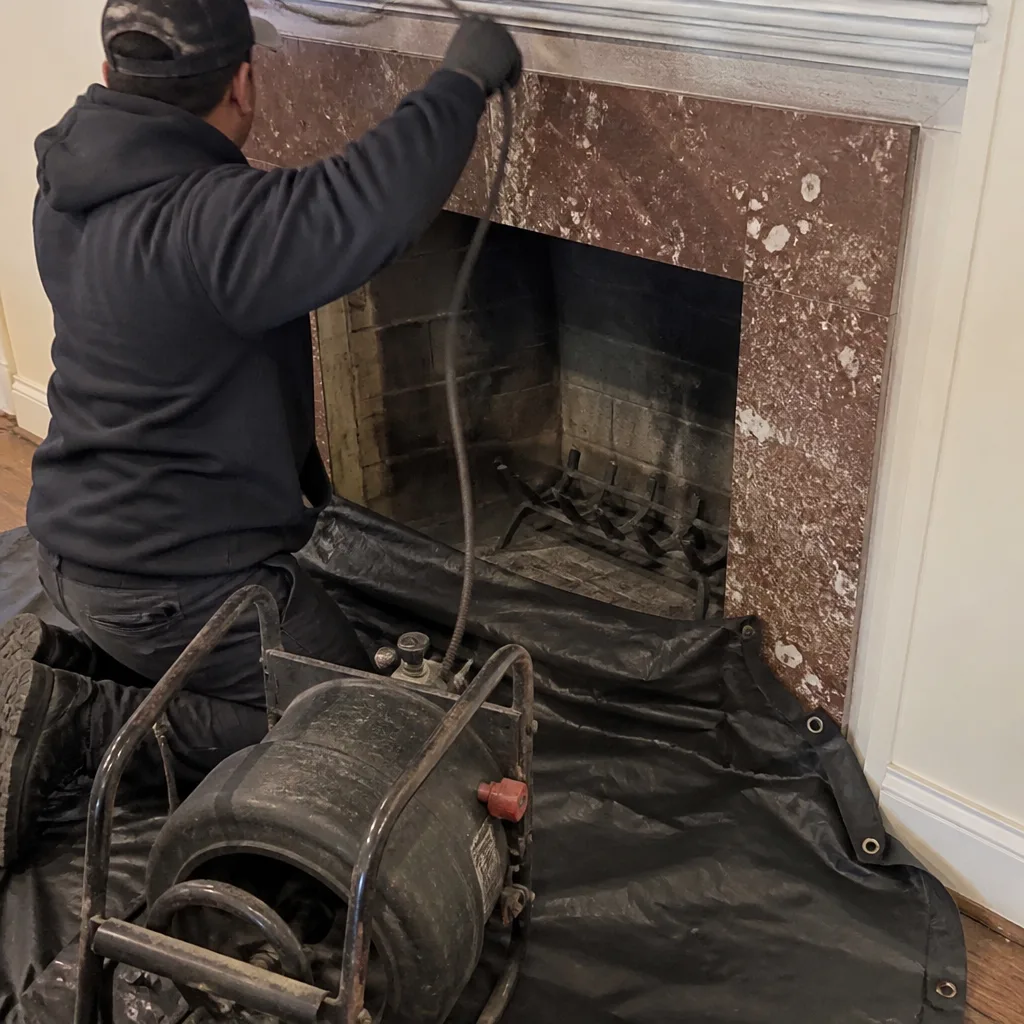 Before
 After
AfterFireplace Cleaning in Flushing, NY
Fireplace cleaning in Flushing typically runs $149 to $349, depending on how long the fireplace has been in service, the type of fuel burned, and the creosote class found inside the firebox and smoke chamber. Most appointments are completed in 90 minutes or less, and every one starts with a written price before a single tool comes out of the truck.
If you burned wood more than a handful of times last season and haven’t had a cleaning since, there’s a reasonable chance creosote has built up on the firebox walls and smoke shelf in ways that aren’t visible from a standing position. We see this constantly in Flushing’s older attached homes, particularly in Murray Hill and Kew Gardens Hills, where fireplaces were often retrofitted decades ago and haven’t had a formal cleaning in years. A camera-scan inspection tells us exactly what’s there. A flashlight look from the hearth does not.
Fireplace cleaning is a sub-service of our full Chimney Cleaning & Sweep in Flushing program. Depending on what the camera finds, a fireplace cleaning visit may expand into a full chimney sweep if creosote or debris has migrated into the flue above the smoke chamber. We’ll tell you that before we start, not after.
To book or get a written price now, call (516) 240-9191. Live staff answer every call, every day of the week.
When You Need Fireplace Cleaning
- You burned wood more than three times last season. The NFPA 211 standard recommends cleaning at least annually for any fireplace in active use. Three fires is roughly the point where measurable creosote accumulation on the smoke shelf and firebox walls begins – especially with the denser hardwoods common in Queens County.
- You notice a smoky smell when the fireplace isn’t running. A persistent odor when the damper is closed usually means a creosote deposit on the smoke shelf or inside the firebox is off-gassing into the living space. In Flushing, this is particularly common during humid summers, when moisture activates residue left from the previous heating season.
- The fire doesn’t draw the way it used to. A partially blocked smoke chamber or a smoke shelf packed with debris restricts airflow. If your fire smokes into the room or takes several attempts to establish a draft, that’s a physical obstruction problem, not a wood quality problem.
- You can see visible black buildup inside the firebox. A thin gray-brown layer of ash is normal. A glossy, tar-like coating or a dry, flaky black crust covering the firebox walls is Class II or Class III creosote – and Class III is a fire hazard that requires chemical treatment before mechanical removal can happen safely.
- You’ve just bought a home and don’t know the cleaning history. This is the single most common situation we walk into in Flushing. A lot of buyers in Auburndale and Fresh Meadows close on a home with a working fireplace and no documentation of when it was last serviced. A Level 2 inspection with camera documentation gives you a written baseline from day one.
- You burn gas logs and haven’t had a cleaning in two or more years. Gas fireplaces produce different byproducts than wood – soot, fine particulate residue, and occasionally spider webs or debris in the firebox – but they still need periodic cleaning and inspection of the burner assembly, pilot, and venting path.
Our Fireplace Cleaning Process
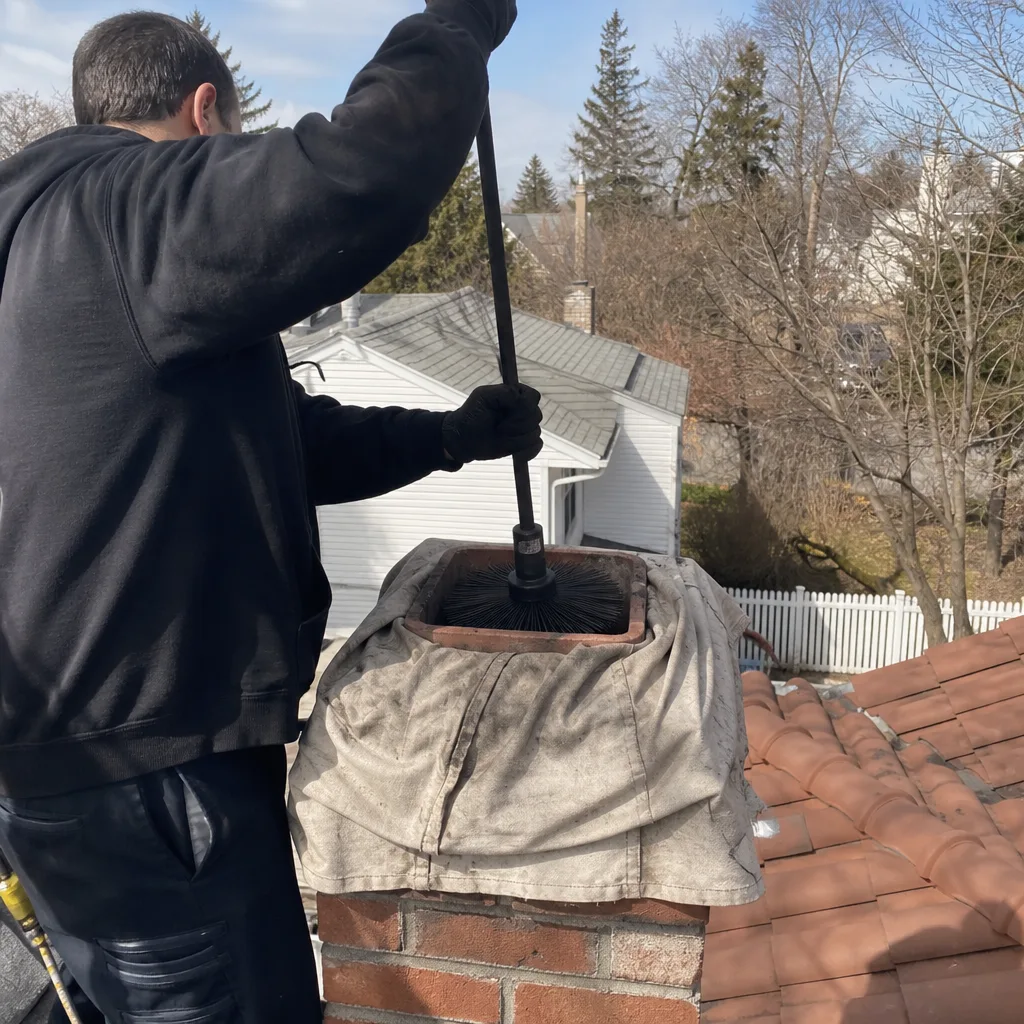
- Written price before anything starts. The technician reviews the job scope at your door and hands you a written price for the work. If anything found during inspection changes that scope, you’re told before it changes the price. This is Haven Standard Clause 1 – no surprises after the job is done.
- Camera-scan inspection of the firebox and smoke chamber. Before we clean anything, we run a documented inspection. The camera goes into the smoke chamber and up toward the flue throat. We’re looking at the smoke shelf condition, firebox brick and mortar joints, damper operation, and the initial creosote classification. The footage is saved and the findings are written down. This is what makes our cleaning more than a brushing service – we know what we’re cleaning before the drop cloths go down.
- Firebox and smoke shelf cleaning. We lay protective drop cloths from the hearth into the room and seal the firebox opening to contain dust and debris. The smoke shelf – the horizontal ledge directly above the damper that collects falling debris and creosote – is vacuumed and hand-cleaned. The firebox walls, floor, and back panel are cleaned using brushes and a HEPA-filtered vacuum system. For Class II creosote, we use a chemical modifier appropriate to the deposit type before mechanical removal.
- Damper and throat inspection. The damper plate and frame are inspected for warping, corrosion, or broken pivot hardware. A damper that doesn’t seal fully wastes heat and lets conditioned air escape year-round. If we find a problem, we document it in the written report with a photo and a separate written price for the repair – no bundling, no pressure.
- Firebox brick and mortar assessment. We check the refractory panels or masonry brick for spalling (surface flaking), cracking, or joint erosion. Open mortar joints inside the firebox are a fire risk – heat reaches the surrounding structure through gaps that look minor from a distance. If we find anything, it goes in the report.
- Documented photo record and written close-out. Before we pack up, you receive a photo record of the cleaned firebox and the pre-cleaning findings, plus a written summary of everything inspected. Under Haven Standard Clause 4, this documentation is standard on every visit – not an optional upgrade. If any follow-up work was identified, it’s written as a separate line item with its own price so you can make that decision on your timeline.
BeforeAfterFireplace Cleaning Pricing in Flushing
Fireplace cleaning in Flushing runs $149 to $349 for most residential jobs. Here’s what drives the range:
| Service | Typical Price Range |
|---|---|
| Standard wood-burning fireplace cleaning (Class I creosote) | $149 – $199 |
| Fireplace cleaning with Class II creosote treatment | $199 – $269 |
| Fireplace cleaning with Class III creosote (chemical modifier + removal) | $269 – $349 |
| Gas fireplace cleaning and inspection | $149 – $229 |
| Fireplace cleaning combined with full chimney sweep | $249 – $399 |
A few things that affect where your job lands in that range:
- Creosote class. Class I is dry and flaky – standard brushing removes it. Class II is tar-like and sticks to surfaces – it takes longer and may require a chemical agent. Class III is a hardened, glazed deposit that requires a chemical modifier application, a wait period, and then mechanical removal. We’ve found Class III deposits in fireplaces in Flushing’s older attached housing stock where the fireplace was used heavily for several seasons without cleaning.
- Last cleaning date. A fireplace cleaned last season takes less time than one that hasn’t been touched in seven years. More buildup means more time on site.
- Fireplace type and size. A standard 36-inch opening is priced differently than an oversized masonry fireplace or a zero-clearance insert. Inserts require partial removal for proper cleaning access.
- Condition of the smoke shelf. The smoke shelf collects debris every season. A badly packed shelf adds significant time to a cleaning visit.
Every price is given in writing before work starts. If the camera finds something during the inspection that changes the scope, you get a revised written price before we proceed. Call (516) 240-9191 for a free estimate – our staff can give you a preliminary range over the phone based on your fireplace type and usage history, and the technician confirms the exact number on arrival.
Why Flushing Homeowners Call Level Two Chimney Flushing
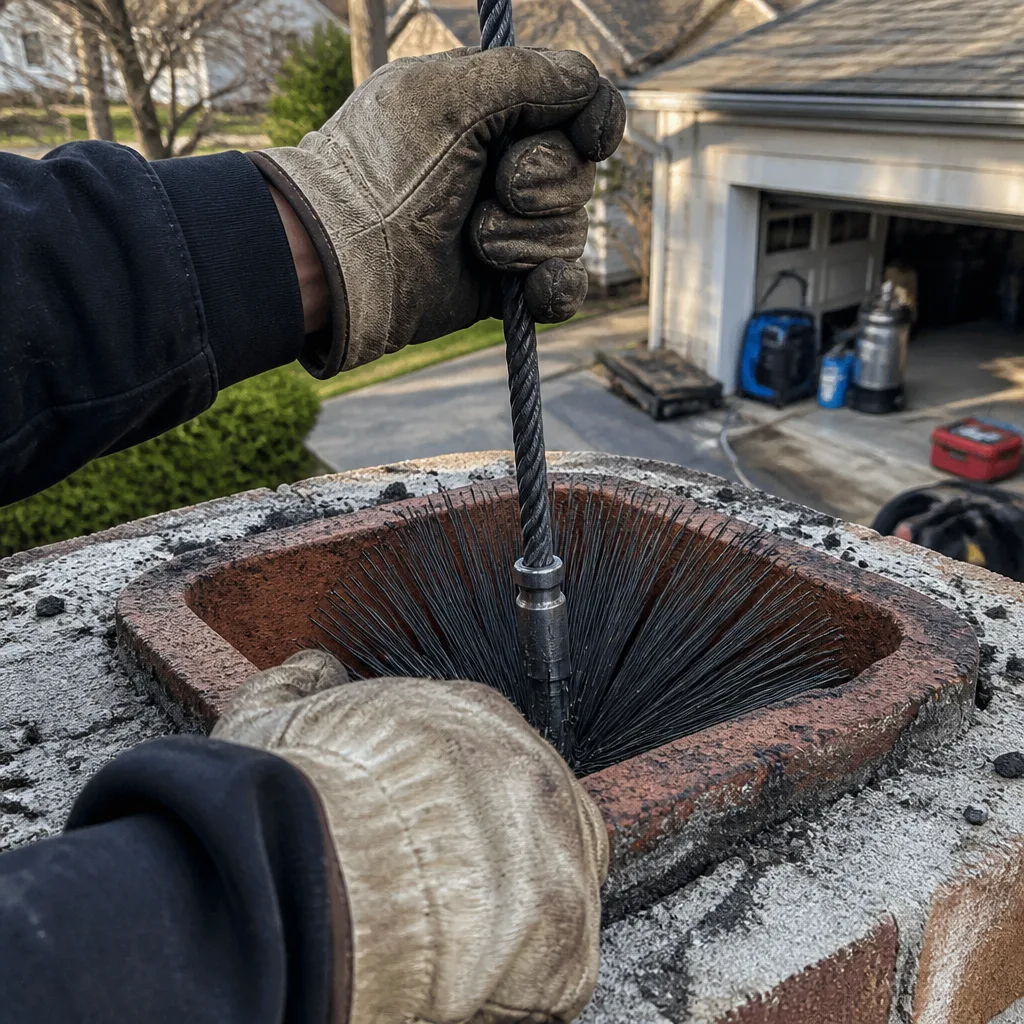
We’ve completed more than 38,000 our Chimney Cleaning & Sweep services and inspections since 2009, every one with a written price before work started and a documented photo record on file when it was done. That practice started because camera documentation is genuinely useful to homeowners – it shows you what was found, what was cleaned, and what the firebox looks like when we’re done. It also became Clause 4 of the Haven Standard because it creates an archive that matters to insurers and buyers when a home changes hands.
In Flushing specifically, we see a few things repeatedly. Older masonry fireplaces in the attached homes north of Northern Boulevard tend to have deteriorating smoke chamber parging – the mortar-coated interior of the smoke chamber that smooths airflow and protects the masonry. When that parge coat cracks, heat and combustion gases reach the brick directly. HeatShield ceramic resurfacer is the material we use to restore that surface when the damage is moderate; full smoke chamber rebuilds require a separate scope and separate price. We’ll tell you which applies.
We also bring a Free Second Opinion on any written estimate. If another company has quoted you for fireplace cleaning or a related repair, bring us the written estimate and we’ll tell you what we think of the scope and the price – no charge, no obligation. That offer exists because we’ve built the business on showing work, not selling it.
Corrine Halstead leads this operation. Every technician who comes to your door is background-checked, uniformed, and assigned by name before the appointment. You get a text when they’re on the way.
The 365-Day Done Right Promise applies to every job. If something we cleaned or repaired isn’t performing the way it should within a year of the visit, we make it right. That promise is stamped on every job under the Haven Standard.
FAQs – Fireplace Cleaning in Flushing, NY
How often should a fireplace be cleaned in Flushing?
Once per year is the NFPA 211 baseline for any fireplace in active use. For a Flushing home where the fireplace runs regularly from October through March, that means a cleaning each fall before heating season or each spring when the season ends. Spring cleaning has one practical advantage in this climate: Flushing summers are humid, and leaving a creosote deposit in the firebox through a humid season causes the residue to absorb moisture, which accelerates odor and can soften certain deposit types into a harder-to-remove form by fall. If your fireplace gets only occasional use – fewer than five fires a year – an inspection every two years with cleaning when the camera shows measurable buildup is reasonable. Call (516) 240-9191 and describe your usage pattern; we can tell you what we’d recommend before scheduling anything.
Is fireplace cleaning dangerous to do myself?
Standard ash removal from the firebox floor is safe to do at home with a metal ash bucket and a dust mask. What isn’t safe is attempting to clean the smoke shelf or smoke chamber yourself. The smoke shelf sits directly above the damper and is not visible or reachable from a standing position at the hearth. Creosote on the smoke shelf and inside the smoke chamber is the most common site of chimney fires, and dislodging a heavy deposit without proper containment sends material directly into the firebox and the room. If the deposit is Class II or Class III, the material is sticky or hardened and requires Soot Removal with specific chemical treatment before mechanical removal. This is work where the wrong technique makes the hazard worse, not better. We strongly recommend leaving anything above the damper to a trained technician with the right containment equipment and camera documentation.
What is the difference between fireplace cleaning and a chimney sweep?
Fireplace cleaning focuses on the firebox, smoke shelf, damper, and smoke chamber – the components from the hearth up to where the flue begins. A chimney sweep covers the full flue liner from the smoke chamber to the cap at the roofline. The two services are related and often done together, but they address different sections of the system. A fireplace can be cleaned without a full sweep if the flue itself is clear and a Level 1 Inspection with the camera confirms no significant buildup above the smoke chamber. In many Flushing homes we visit, the fireplace and smoke shelf need cleaning while the flue above is in decent shape – and the camera is the only honest way to make that call. You get one written price that covers exactly what’s needed, not a packaged rate for services you may not require.
What is creosote, and why does it matter?
Creosote is a byproduct of incomplete wood combustion that condenses on cooler surfaces inside the firebox, smoke shelf, and flue. It comes in three classes: Class I is dry and flaky, Class II is tar-like and sticky, and Class III is a hardened glaze that bonds to masonry surfaces. All three are flammable; Class III is the most hazardous because it burns at extremely high temperatures and is difficult to remove mechanically without chemical pre-treatment. A Level 2 Inspection with camera lets us classify the deposit accurately before cleaning starts, which determines the right method and gives you an honest price. If a company quotes you for fireplace cleaning without a camera inspection and without classifying the creosote, they’re pricing blind – and you’re the one who pays if the method doesn’t match what’s actually in there.
Get a Written Price Before Any Work Starts
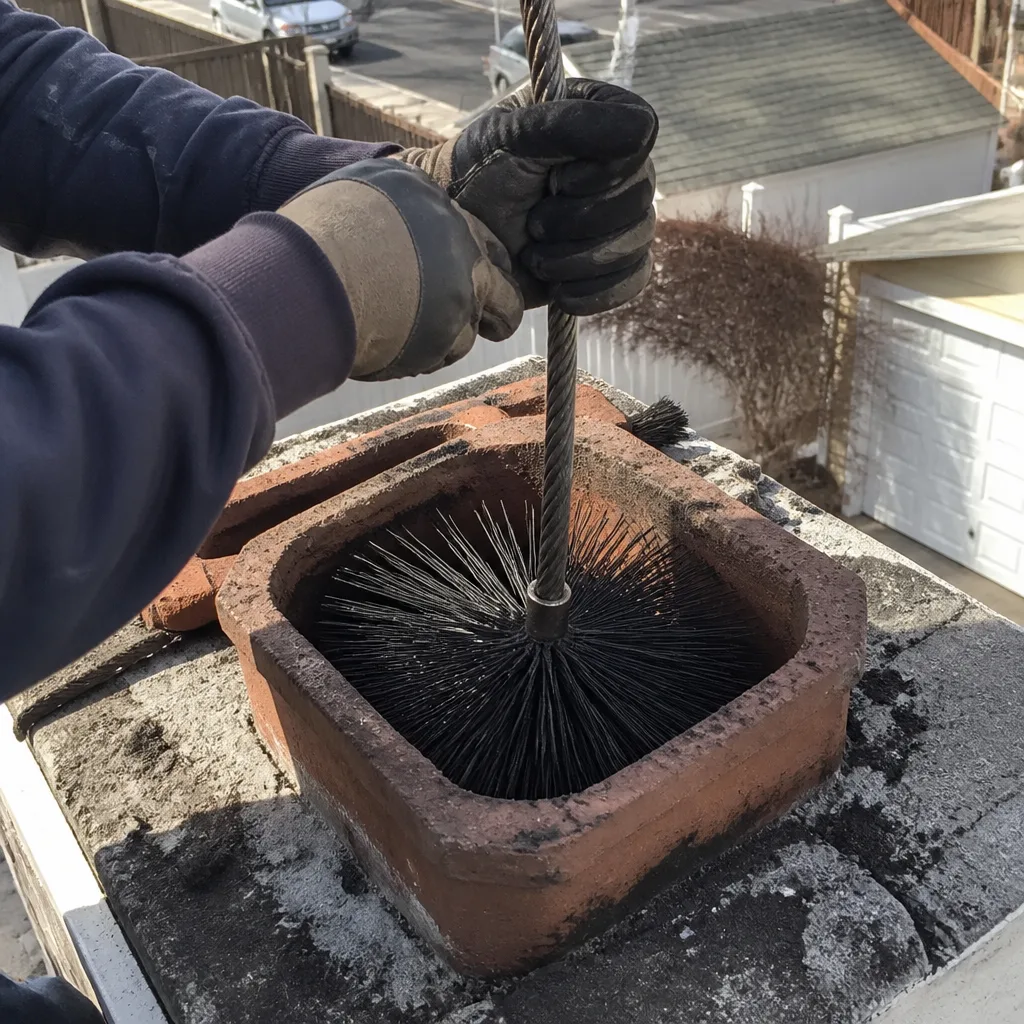
If your Flushing fireplace is due for cleaning, or if you’ve moved into a home and have no documentation on when it was last serviced, the right next step is a camera inspection and a written scope. You’ll know what’s there, what it costs to clean, and what the firebox looks like when we’re done – all before any work begins and all in writing.
Level Two Chimney Flushing serves Flushing and the surrounding neighborhoods, including Murray Hill, Auburndale, Fresh Meadows, Kew Gardens Hills, and College Point. To schedule a cleaning or request a written estimate, call (516) 240-9191. Live staff answer around the clock. If you’d prefer to start online, our home page has the booking form.
Bring us any written estimate from another company and we’ll give you a free second opinion on the scope and the price. No appointment needed for that, and no obligation to book with us afterward.
Written by Corrine Halstead, Owner at Level Two Chimney Flushing, serving Flushing since 2009.