
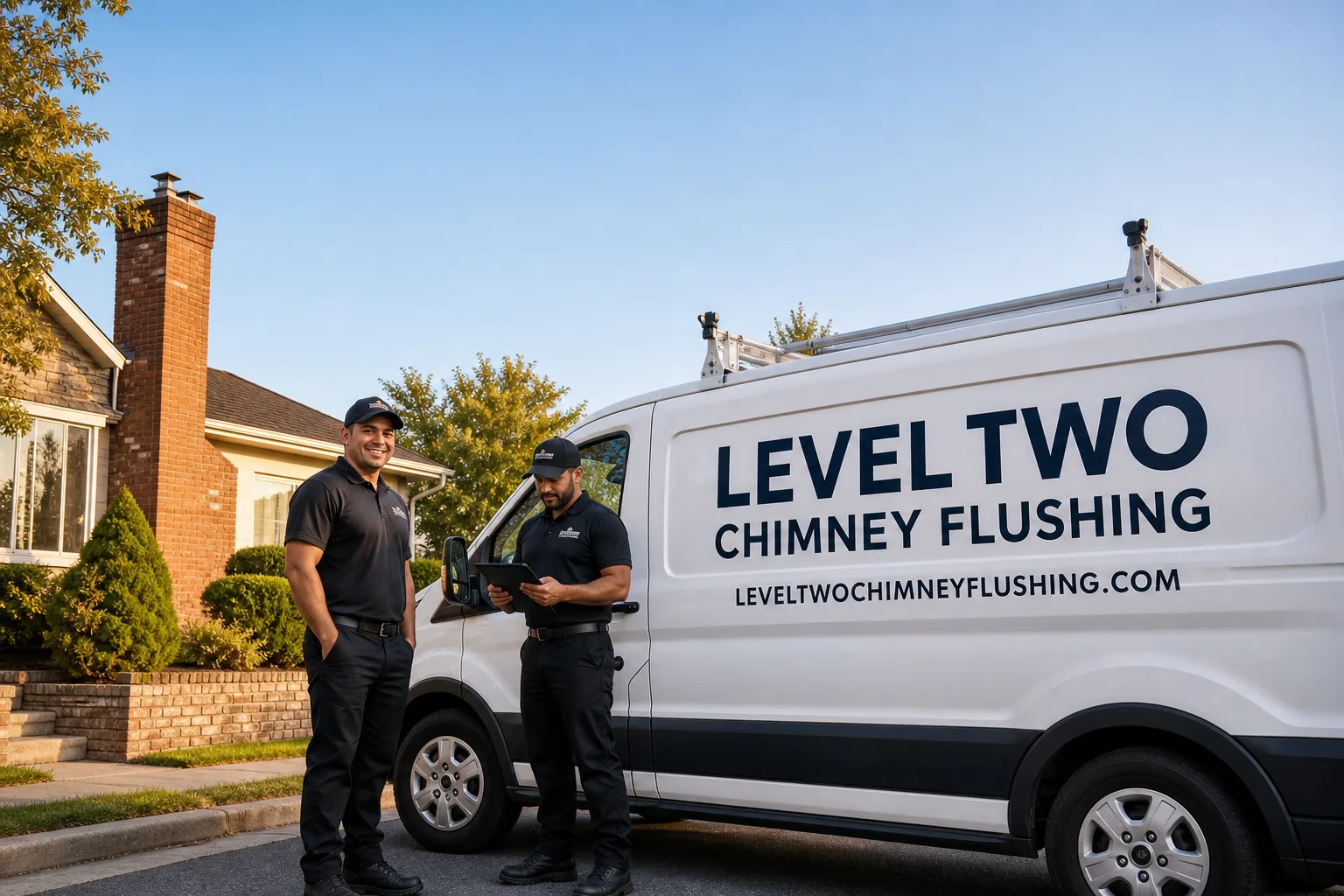
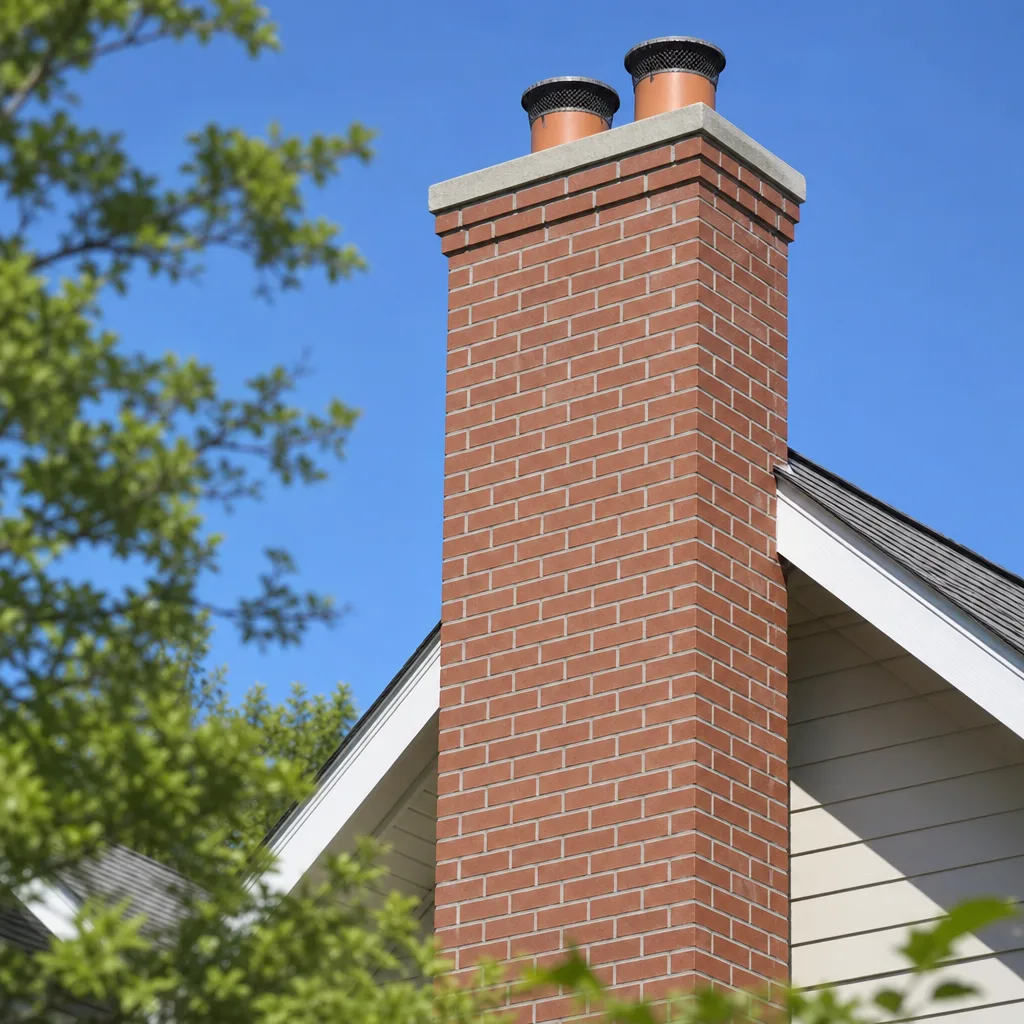
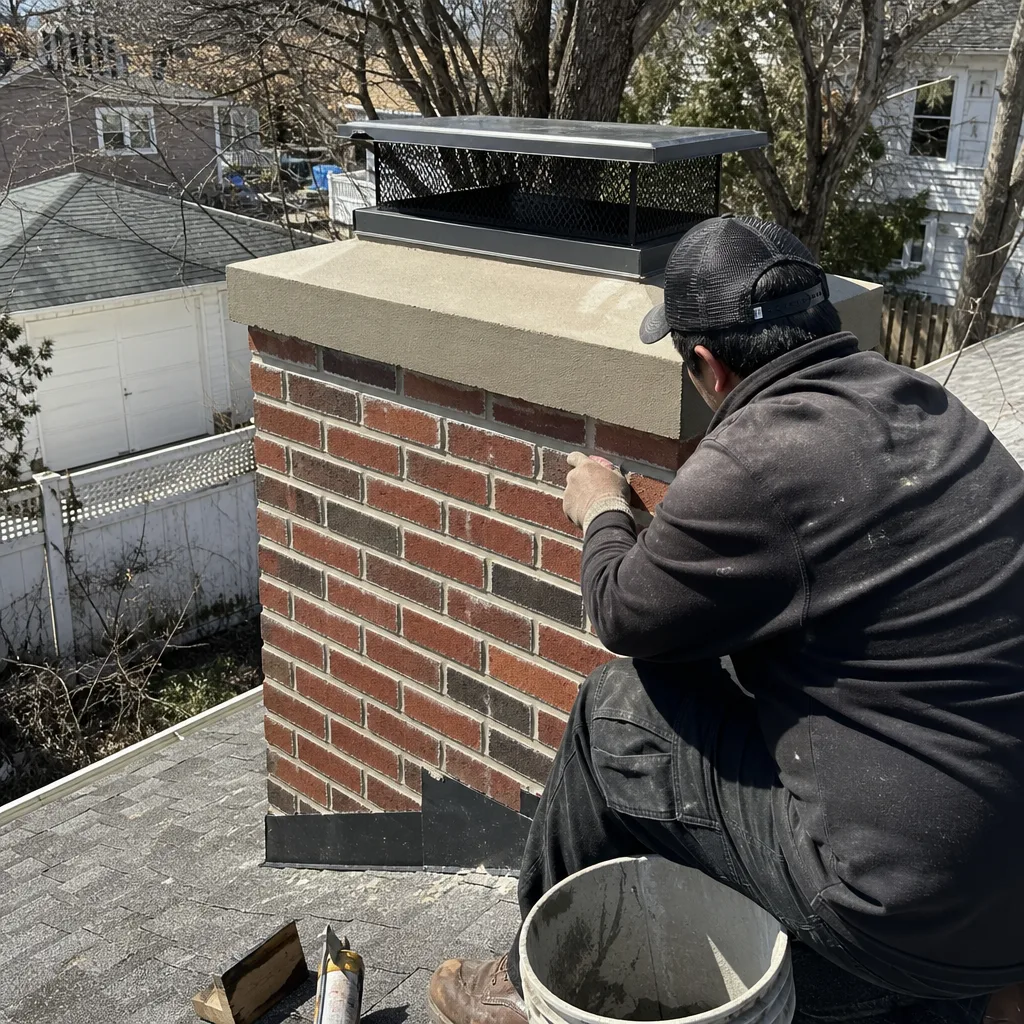
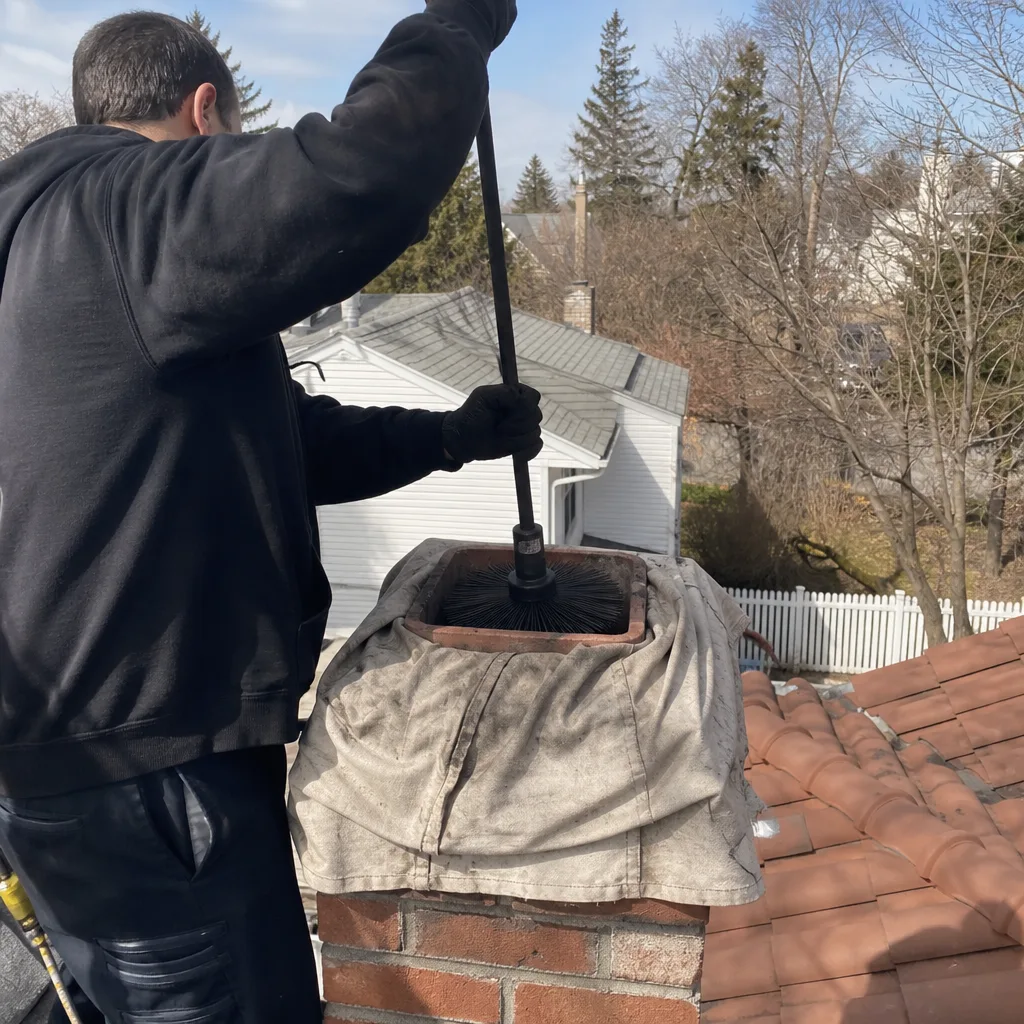
Level 1 sweep and inspection to the NFPA 211 annual standard - flue, crown, cap, and flashing checked and photographed
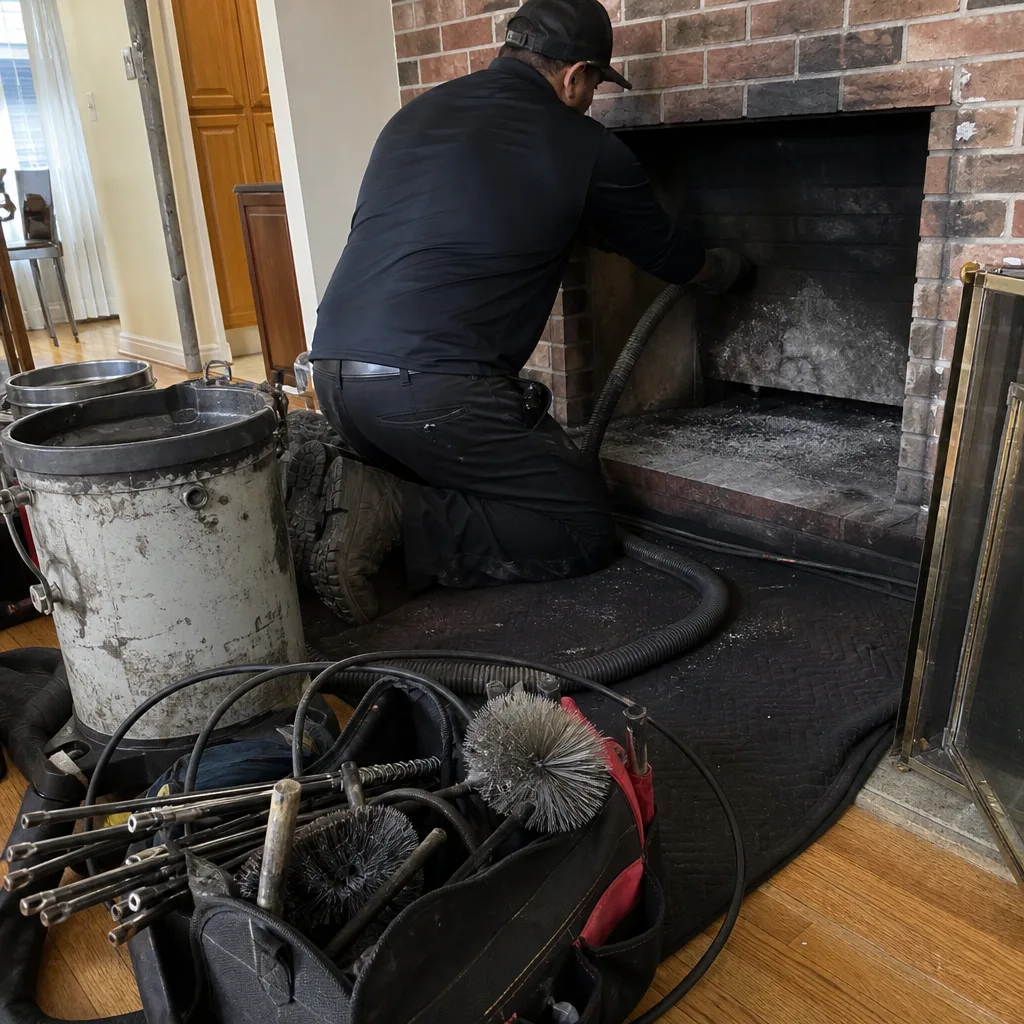
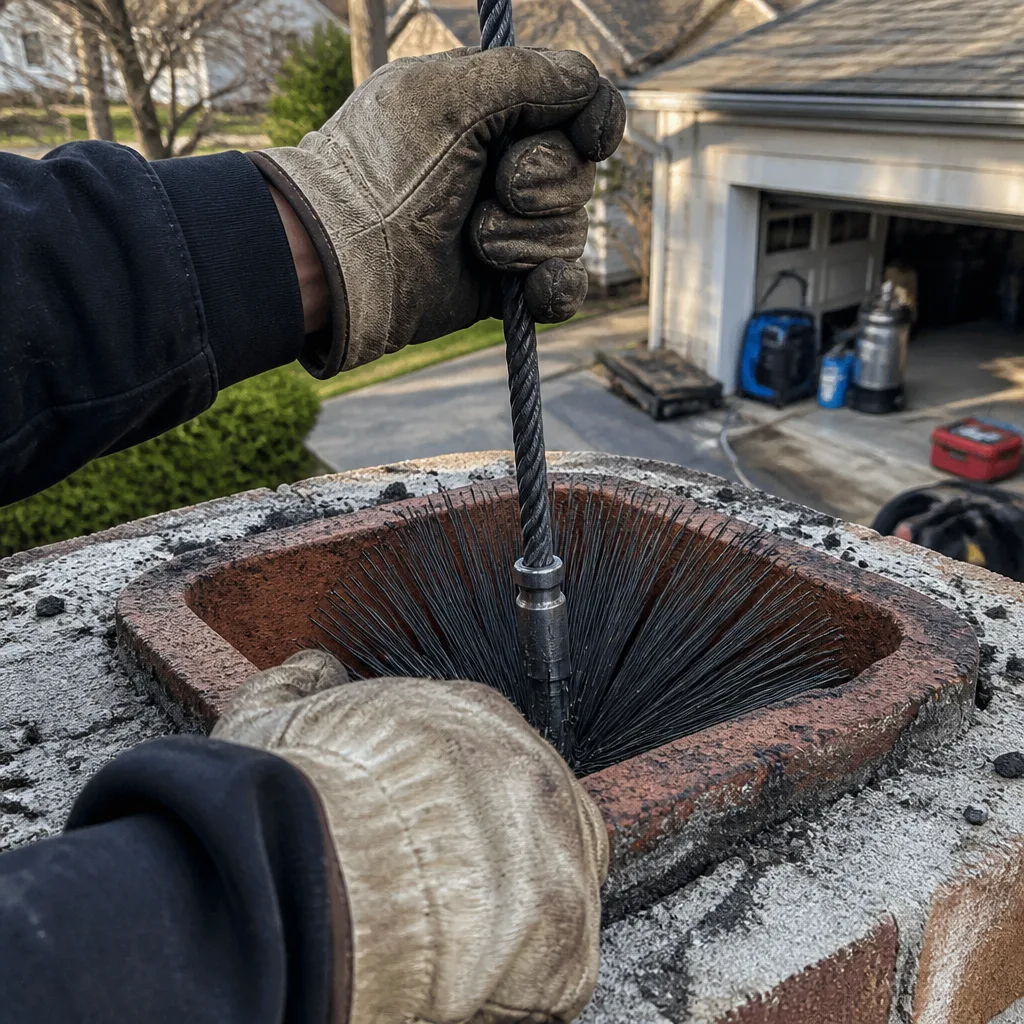
Chimney sweep logs do not sweep chimneys. They loosen some creosote - which then falls where a brush and vacuum still have to collect it.
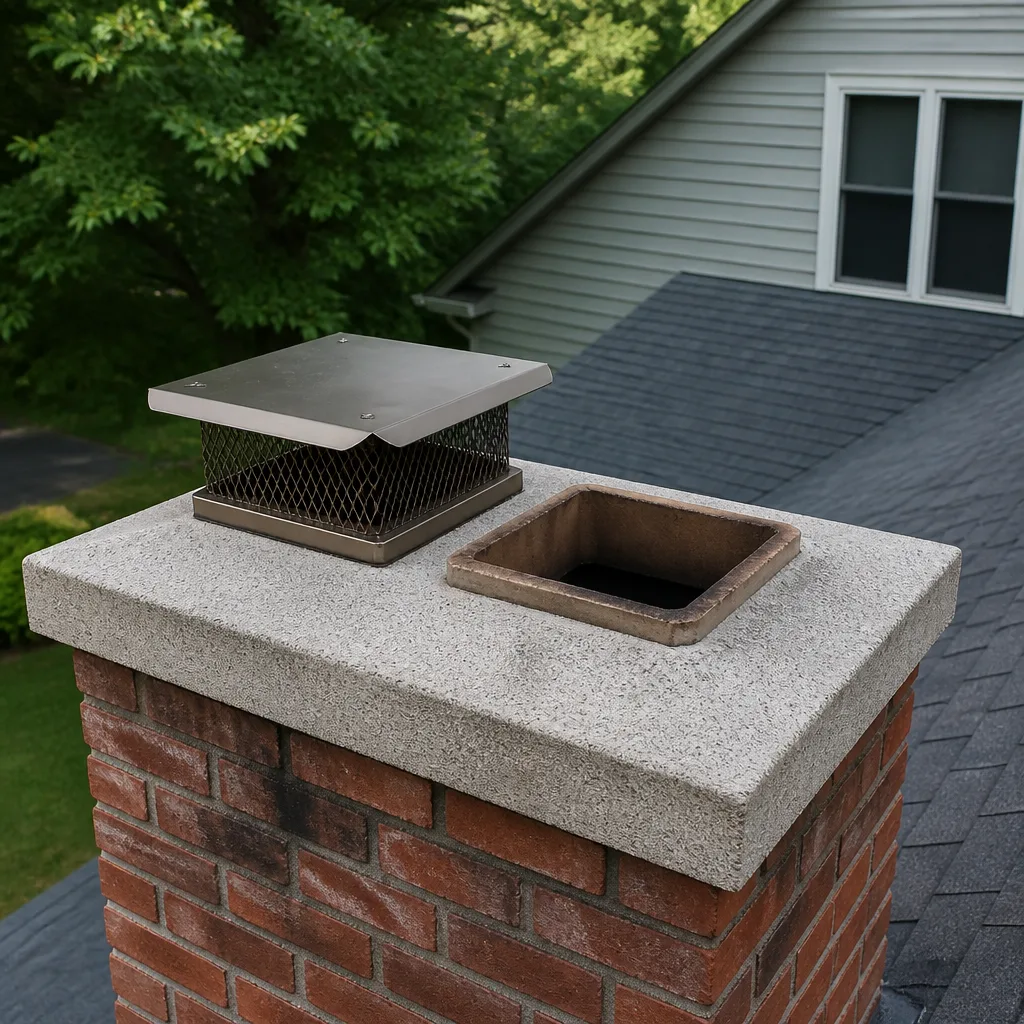
 Before
 After
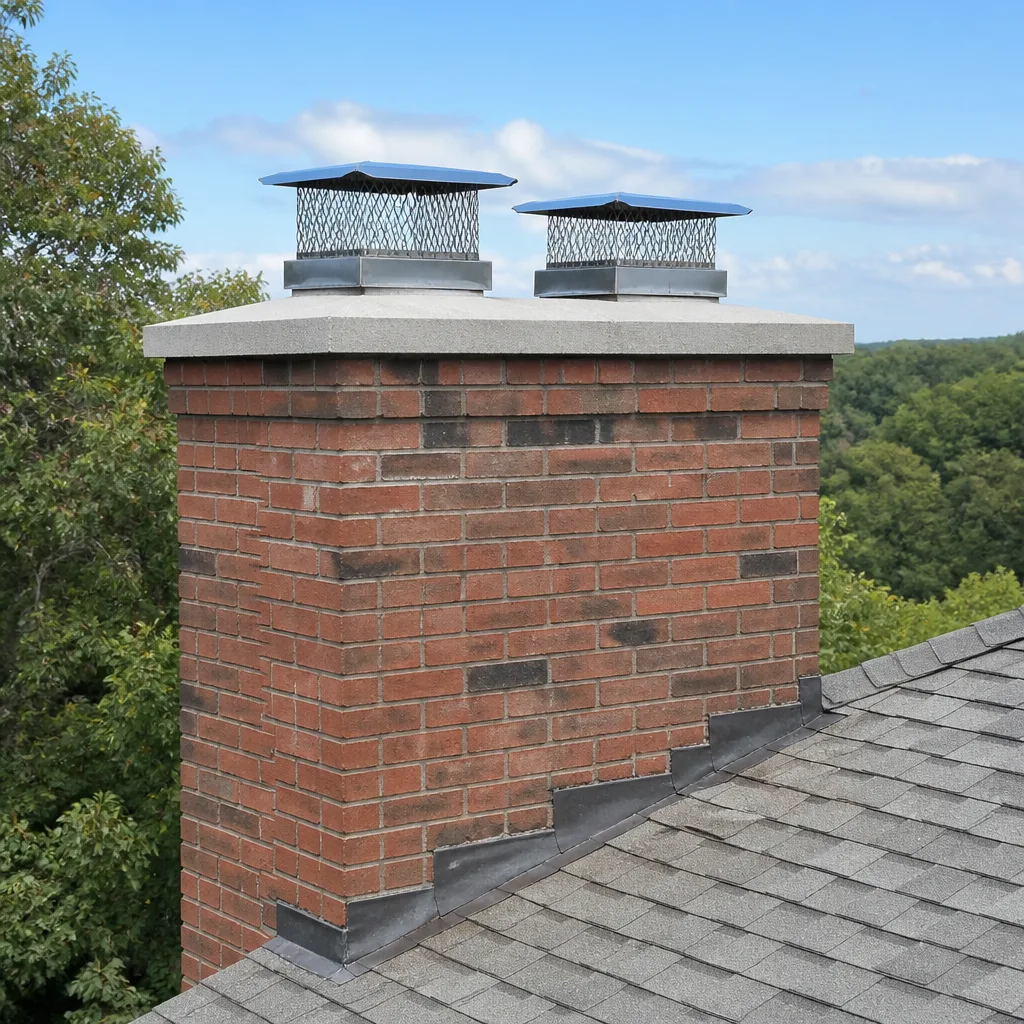
After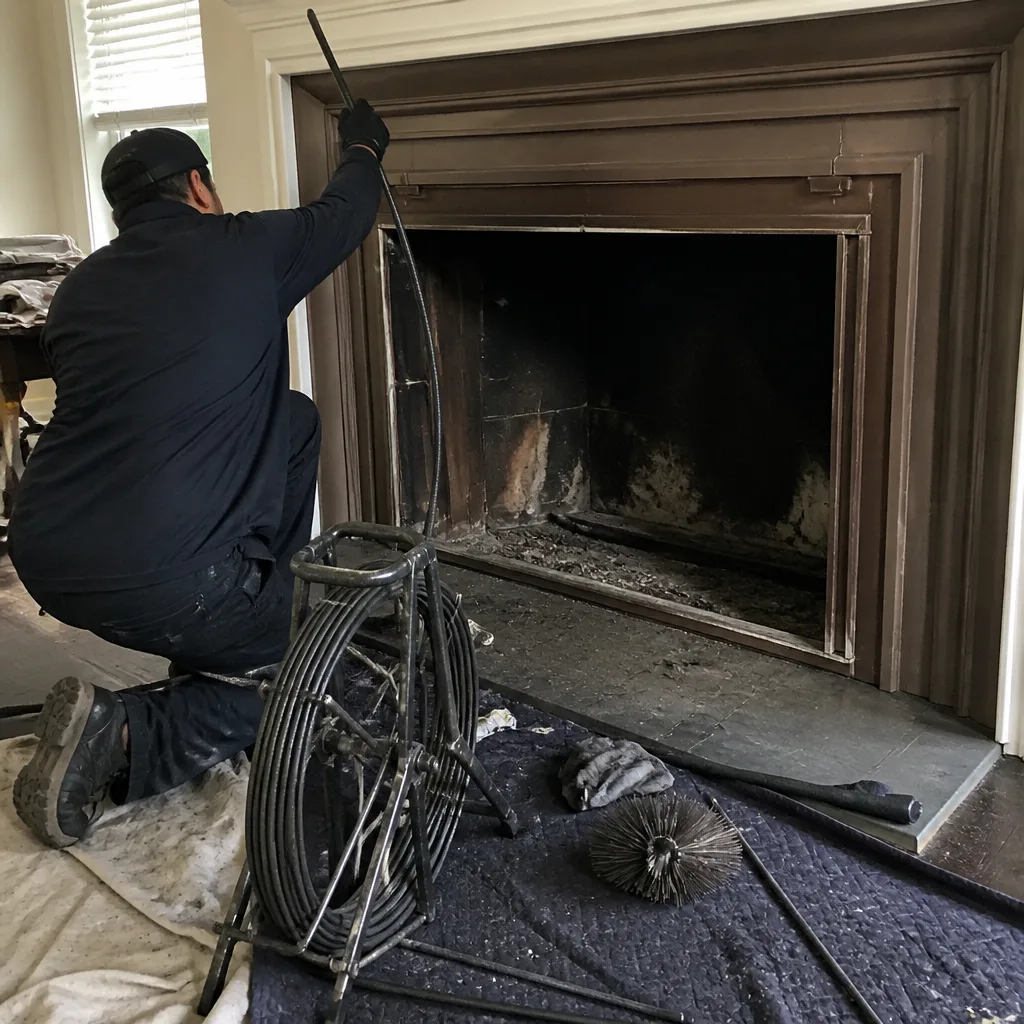 Before
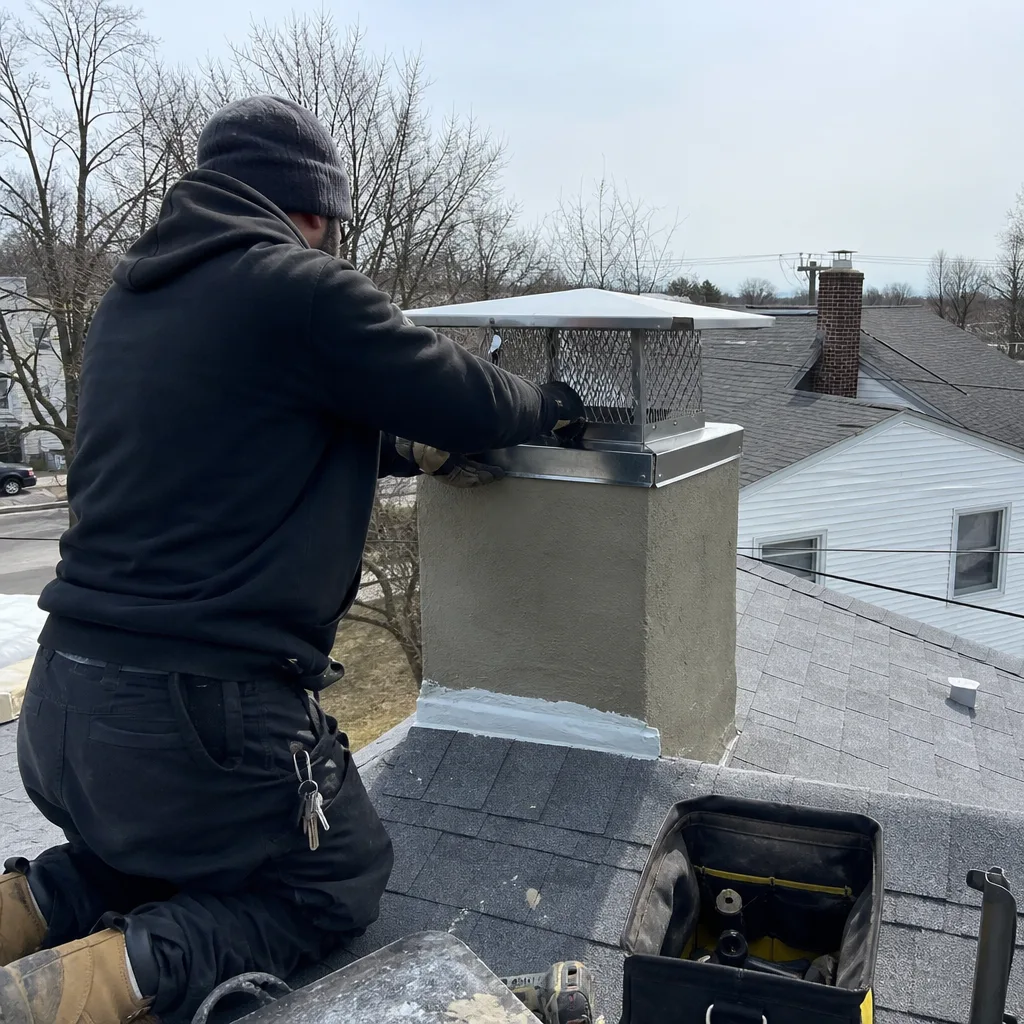 After
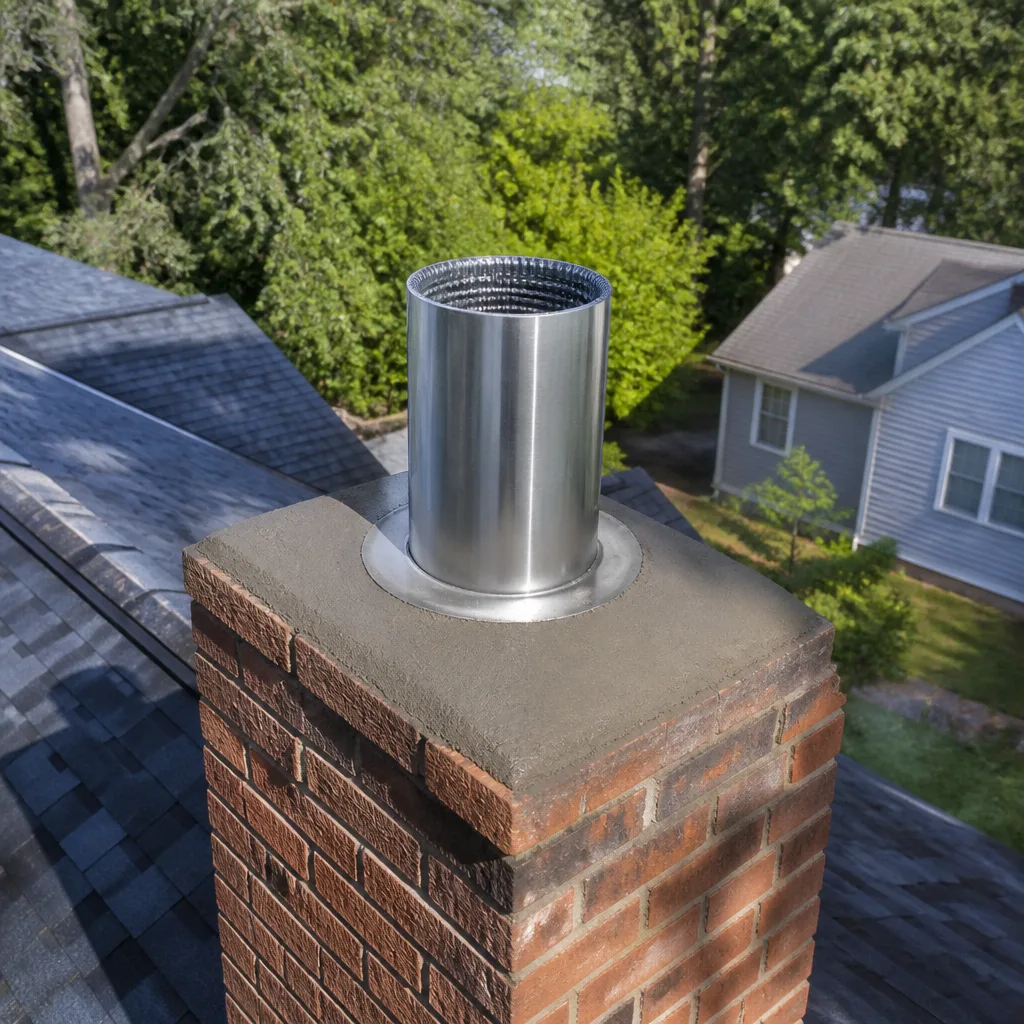
After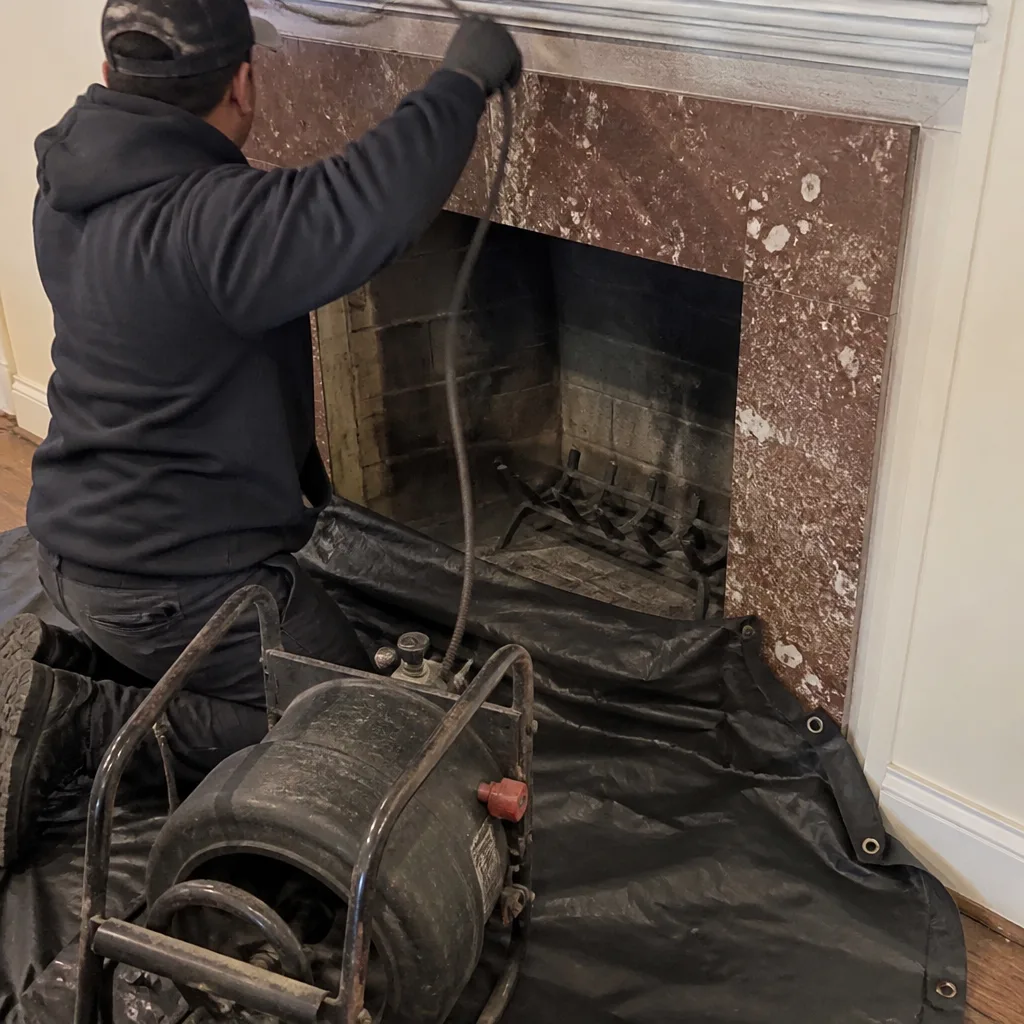 Before
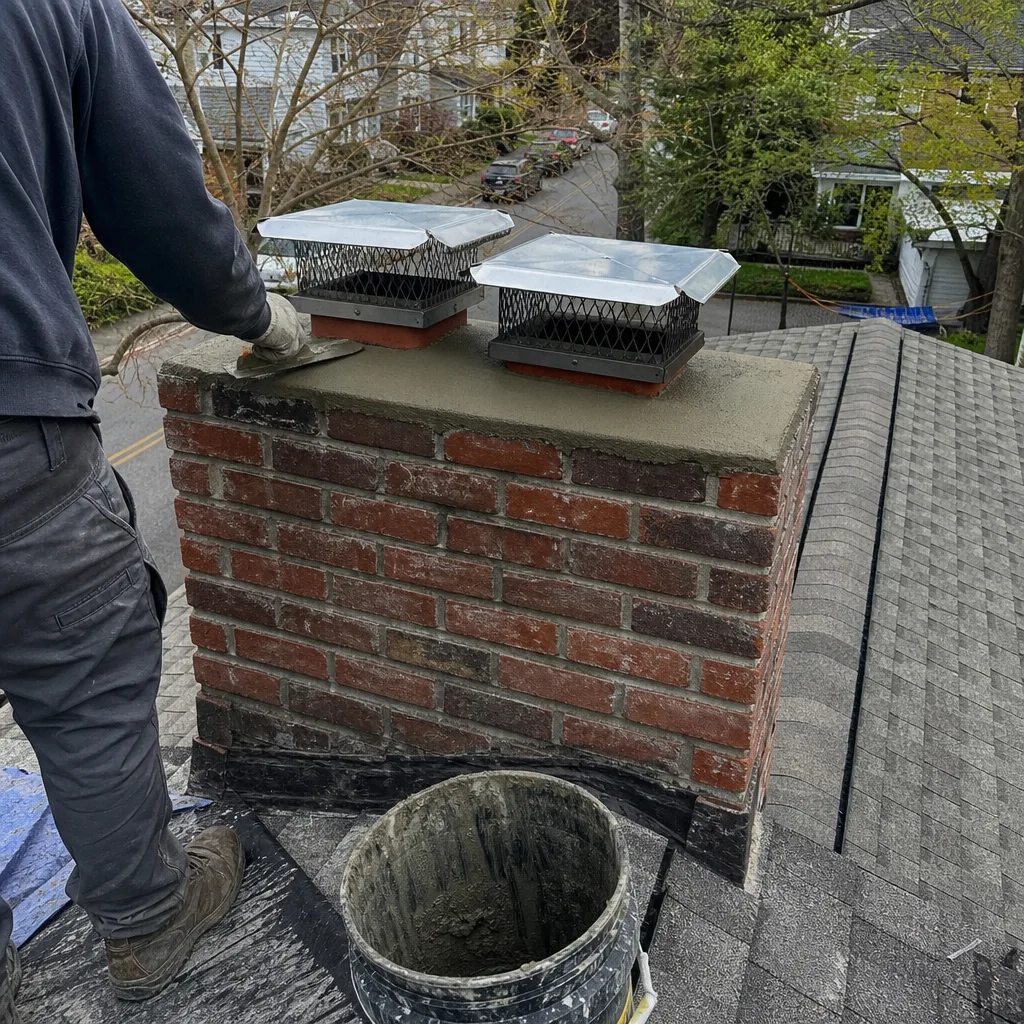 After
AfterFast, Reliable Fireplace Services Across Flushing
Fireplace service in Flushing means working on chimneys that were built for coal, converted for oil, and now vent modern gas appliances, often through a single stack shared by two or three units. We know these stacks because we work inside them every week, from the attached brick rowhouses off Northern Boulevard to the semi-detached homes along Kissena Boulevard and the older blocks near Flushing High School. A typical fireplace inspection in Flushing takes 60 to 90 minutes, includes a camera scan of every flue in the stack, and ends with a written report showing exactly what we found. Call (516) 240-9191 to book a fireplace inspection or repair in Flushing, and we’ll send a background-checked, uniformed technician to your block.
What happens when you call
- 1
A real person answersNo phone trees - you reach a local pro.
- 2
You get an upfront price rangeHonest numbers before anyone is dispatched.
- 3
A background-checked tech heads outLicensed & insured, dispatched right away.
- 4
You approve before work beginsNothing starts until you say go.
Why Level Two Chimney Flushing Is Flushing’s Preferred Fireplace Services Company
Flushing’s housing stock is unlike anywhere else in Queens. The 1920s to 1940s attached brick rowhouses that line so many blocks were built when a chimney stack carried one coal flue per fireplace, and maybe one for a boiler. Today, those same 16-inch masonry chases hold two, three, sometimes four clay tile flues, and decades of fuel conversions have left a mess inside: abandoned oil flues capped with sheet metal, bricked-up fireplace openings, and active gas flues running alongside deteriorating liners. A technician who only works detached single-family homes misses what we see routinely in Flushing: a neighbor’s boiler exhaust finding its way into your fireplace because the shared stack was never properly isolated after conversion.
Our crews have completed more than 38,000 chimney inspections and cleanings since 2009, and the Flushing jobs stand out for their complexity. We arrive with a camera, a written scope, and a named technician assigned to your job. You get a text when we’re on the way. When we leave, you get a documented photo record of every flue we inspected, Clause 4 of the Haven Standard, not an optional add-on. Flushing homeowners have seen enough patchwork repairs over the decades to know the difference between a flashlight look and a real inspection.
Our Fireplace Services in Flushing
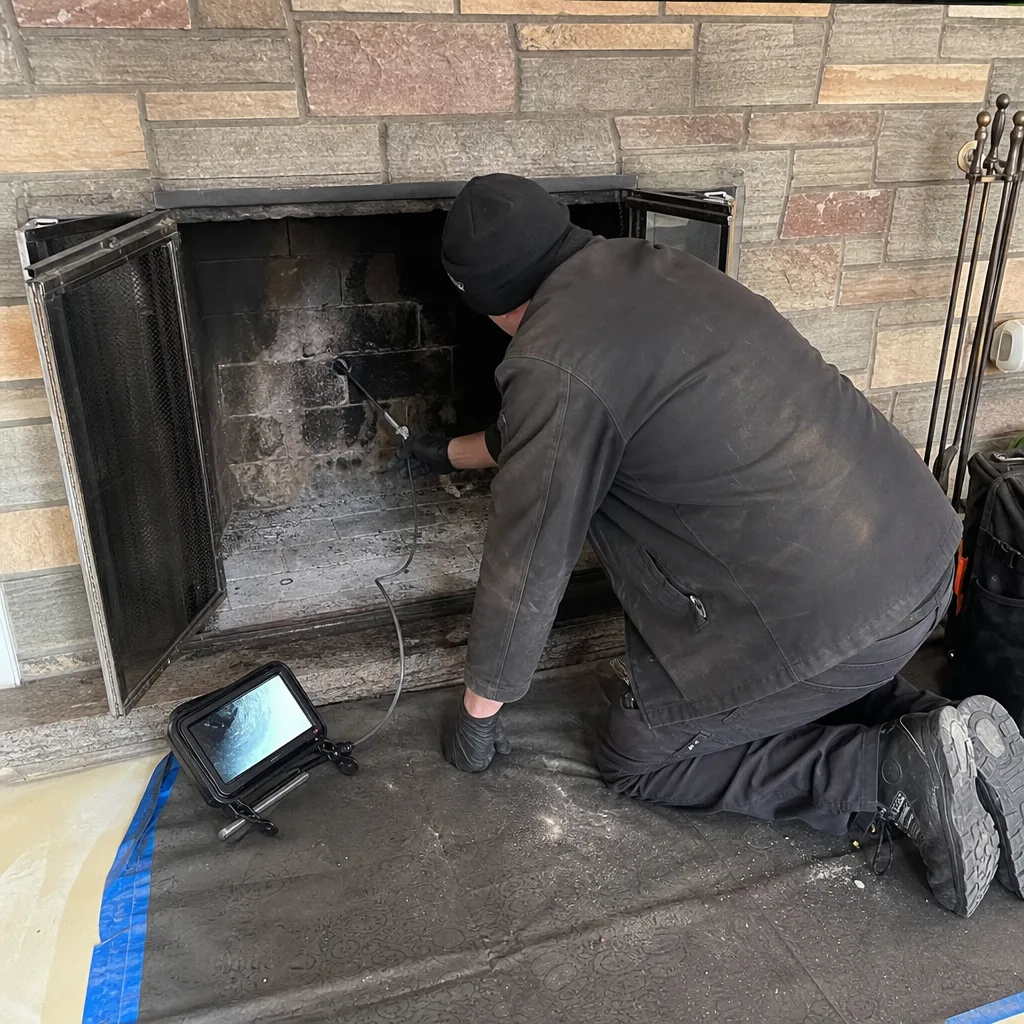
The fireplace in a Flushing rowhouse is rarely a decorative afterthought. It’s an original masonry feature in a 90-year-old home, and it shares a chimney stack with heating appliances that have changed fuels at least twice. That changes how we approach Fireplace Services here, and it’s why we treat every fireplace visit as a whole-stack inspection, not a single-appliance job.
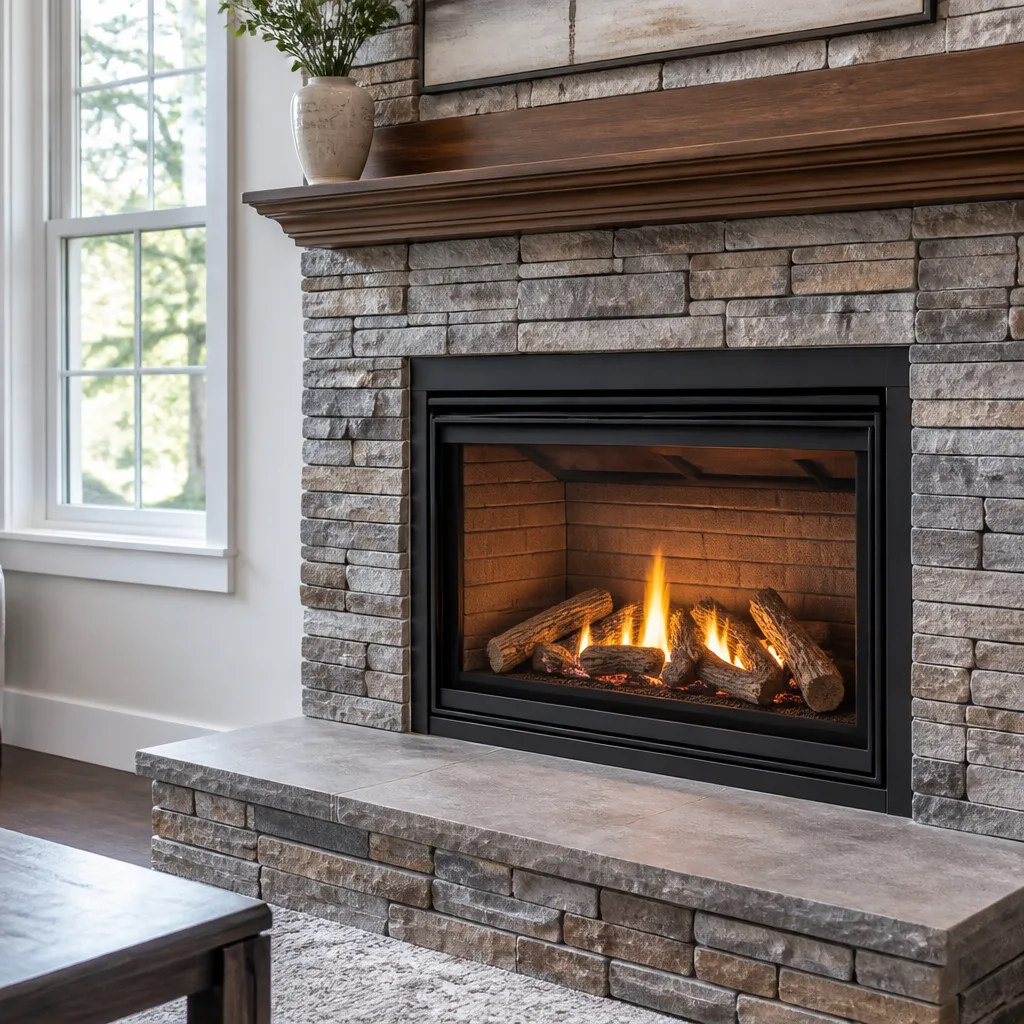
Gas Fireplace Service
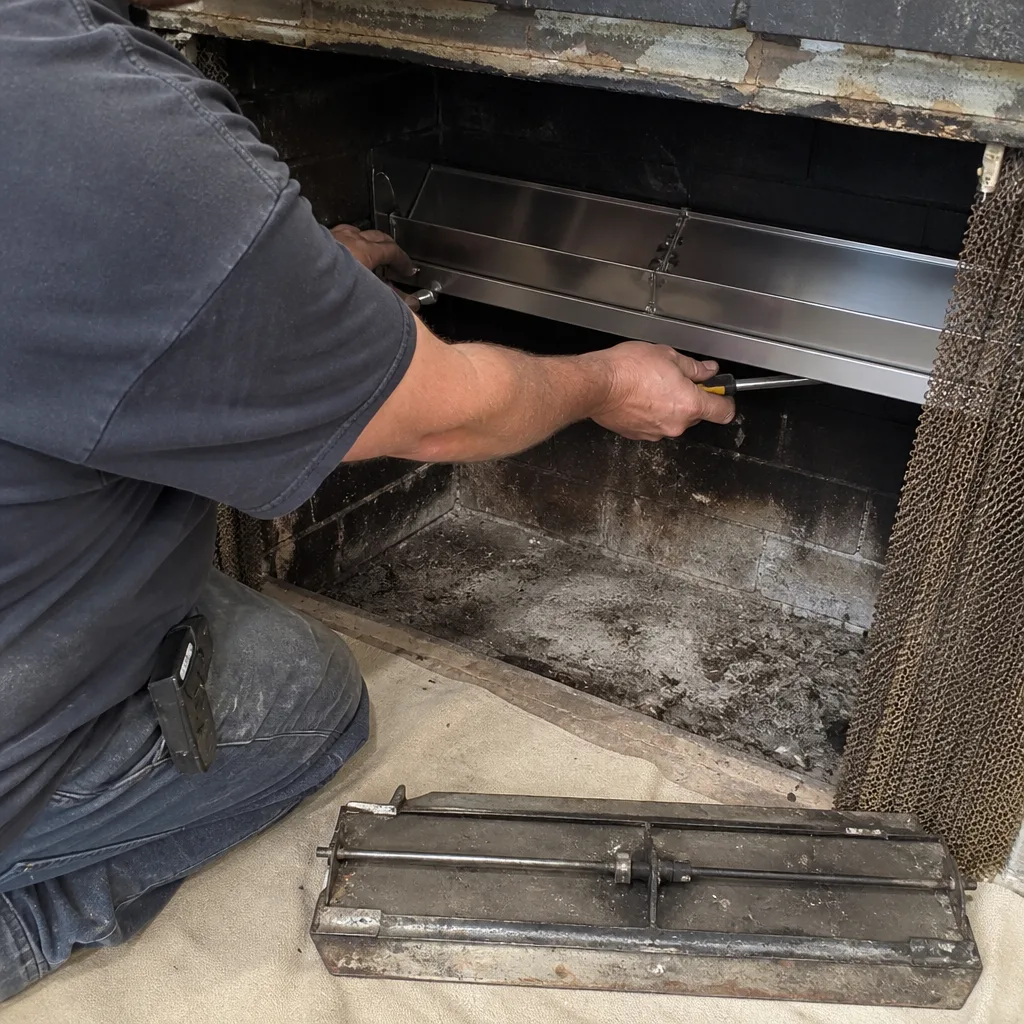
Many Flushing rowhouses converted from oil to gas decades ago, and the gas fireplace or gas log set now venting through a clay tile flue was often installed without relining. We service gas fireplaces throughout Flushing, checking burner operation, gas pressure at the valve, log placement, and the condition of the flue serving that fireplace. If the flue was originally sized for a wood fire and now vents gas, we’ll tell you what that means for draft, condensation, and safety.
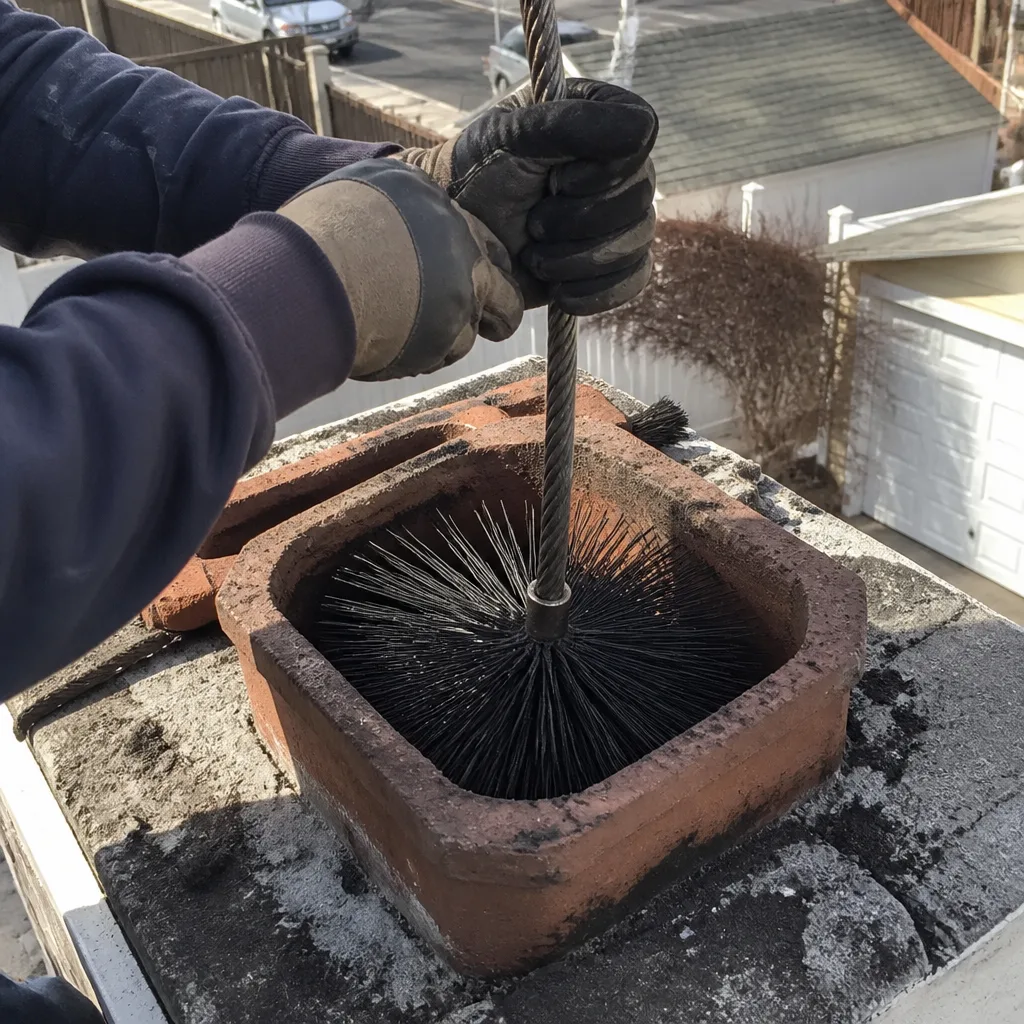
Wood Burning Fireplace
A wood-burning fireplace in a Flushing attached home needs more than a sweep. We check the firebox brick for spalling, the damper for a proper seal, and the flue for the creosote buildup that poses a real fire risk in older masonry. Because Flushing’s attached rowhouses often share a stack with a neighbor’s flue, we confirm that your wood fire draws properly and doesn’t pull exhaust from an adjacent flue through interior cracks. The humidity off Flushing Bay accelerates mortar deterioration, and we look for that specifically on north- and east-facing stacks.
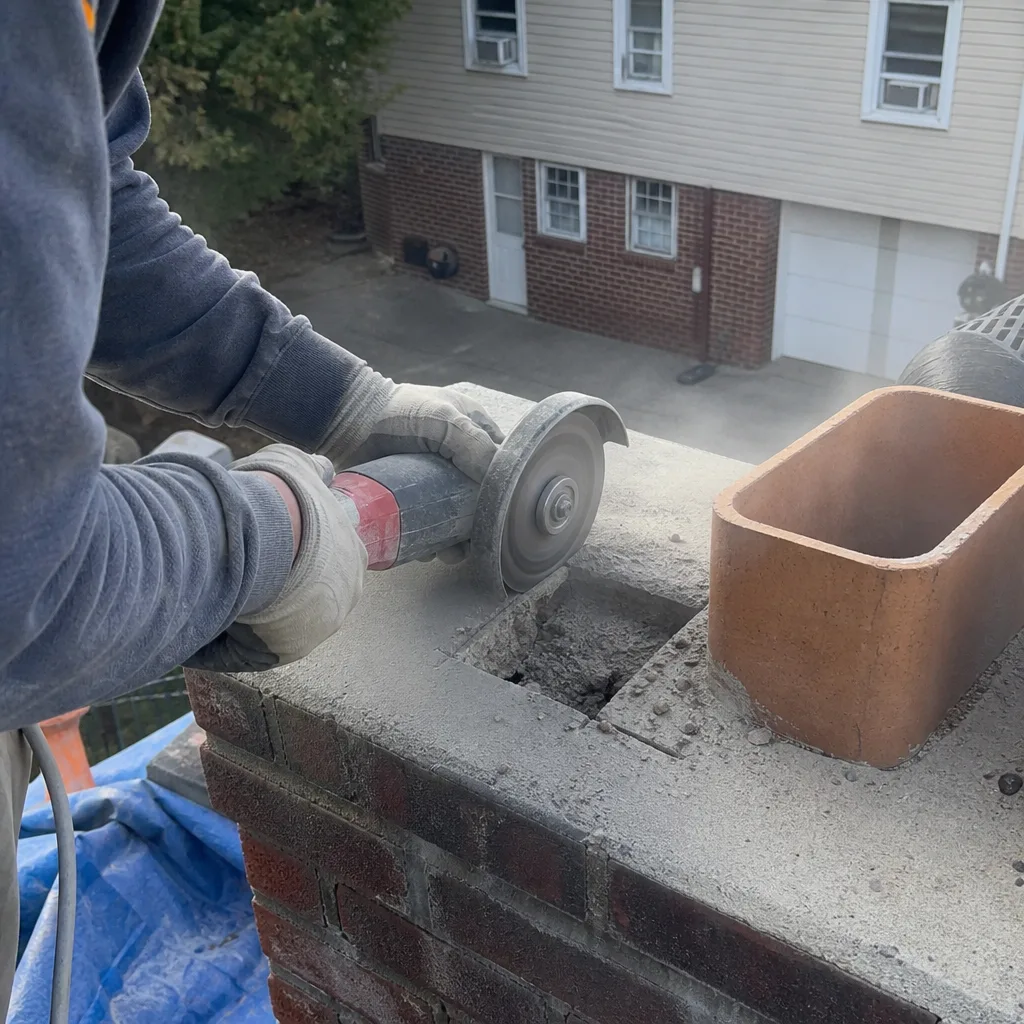
Fireplace Insert
A fireplace insert can turn a drafty original fireplace into an efficient heat source, but in a Flushing rowhouse, the insert must be matched to the existing flue size and condition. We install and service inserts, sizing the liner to the insert’s exhaust requirements and sealing the connection at the smoke chamber. When the shared stack has abandoned flues running alongside yours, we’ll document them and recommend capping or relining as needed before your insert goes in.
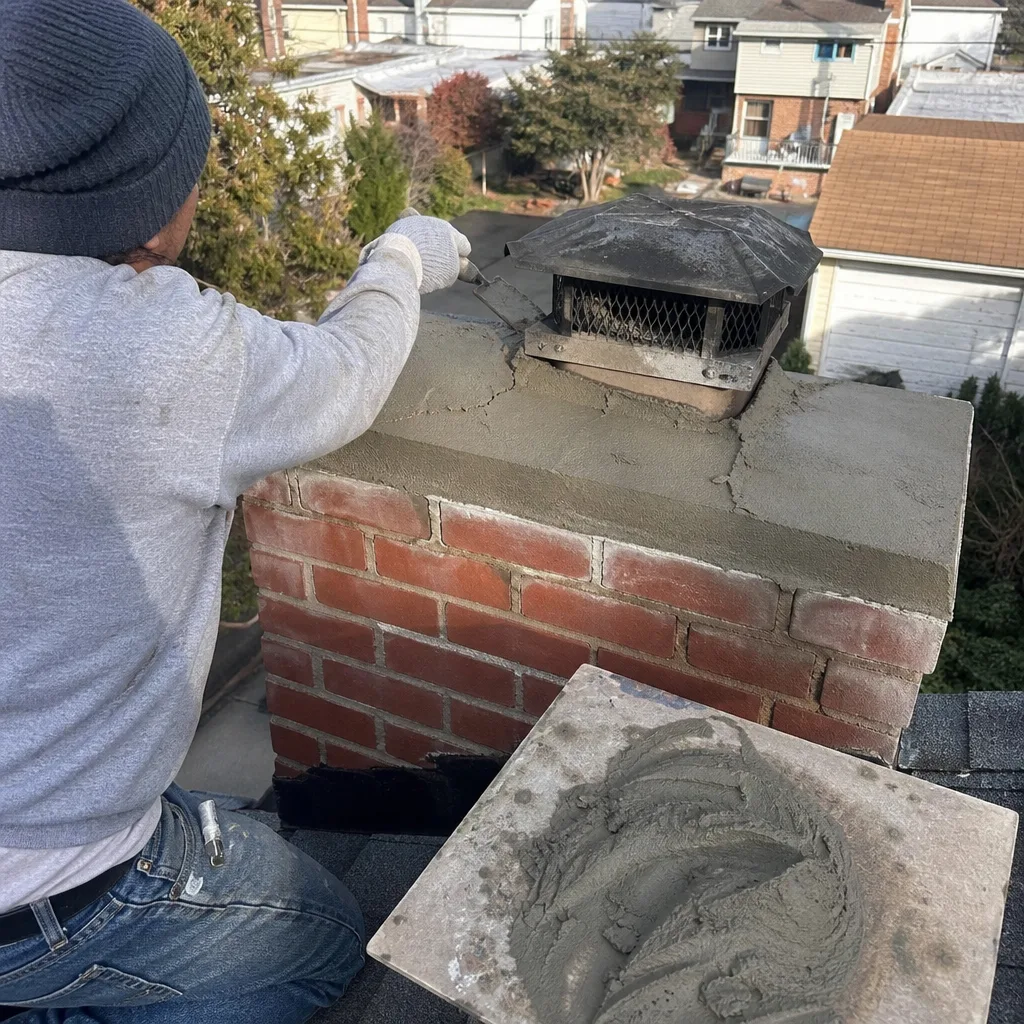
Damper Repair
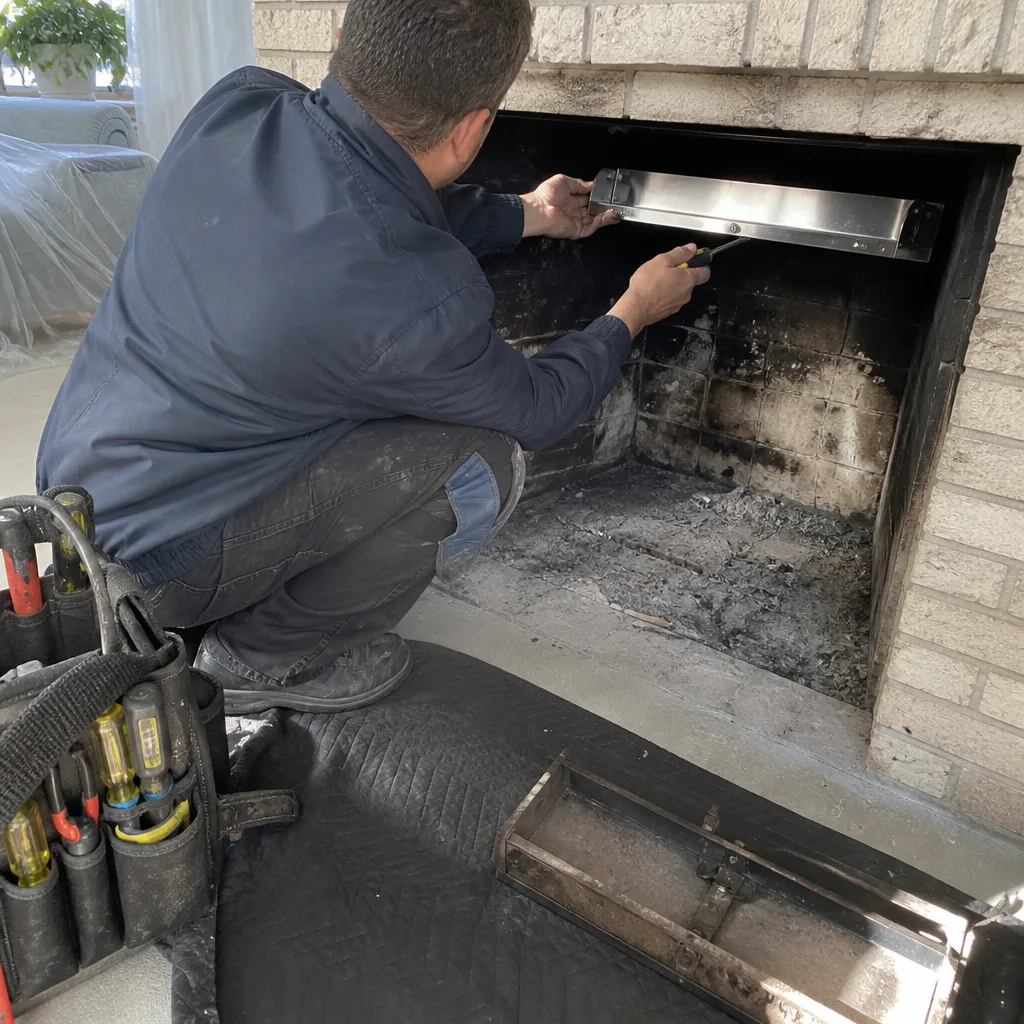
A Flushing fireplace with a warped or missing damper lets heated air escape in winter and, more critically, can pull exhaust back into your living space when a neighboring flue in the shared stack draws. We replace and repair fireplace dampers, installing top-sealing dampers where the original throat damper has rusted or warped beyond adjustment. If we find a damper left open as a habit, we’ll explain what that does to stack pressure in an attached home and what a proper top-seal costs.
Firebox Repair
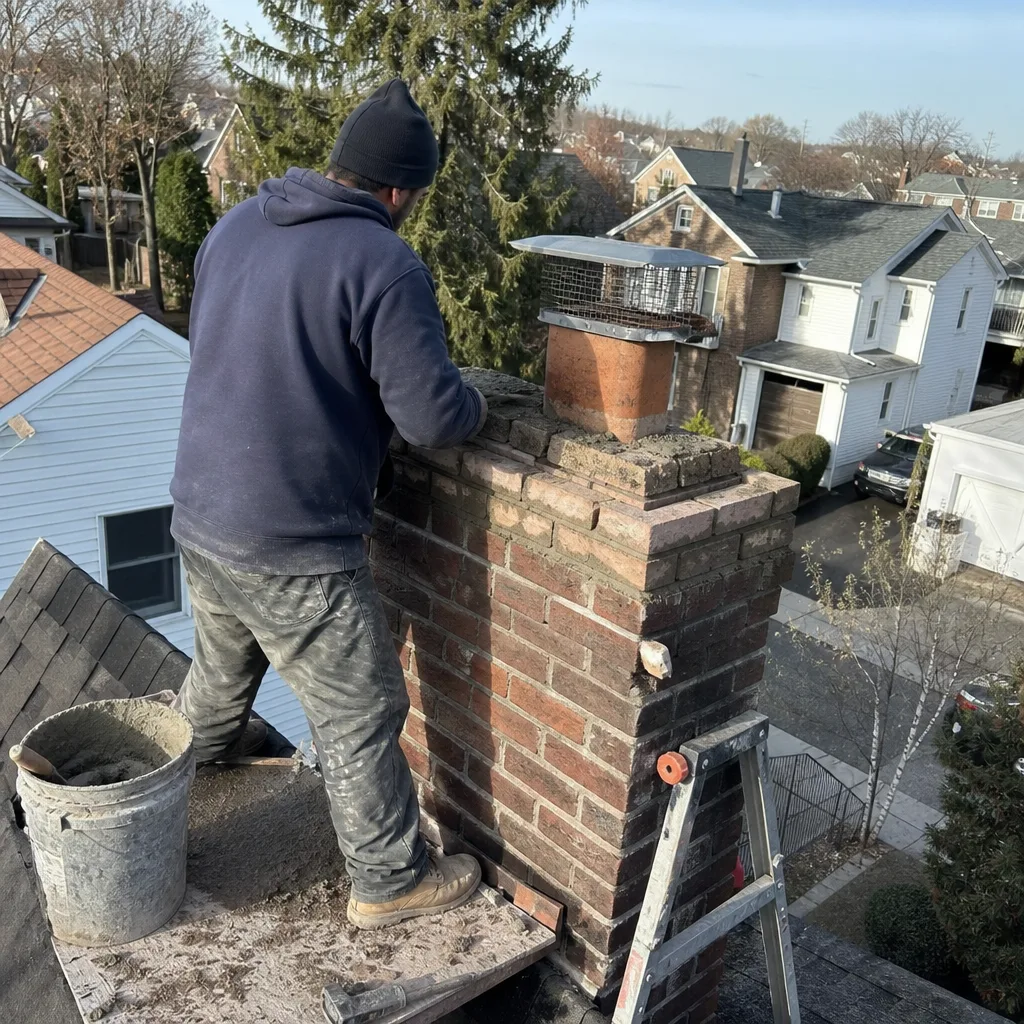
Spalled brick, cracked mortar joints, and rusted lintels are common in Flushing fireboxes. The salt-air exposure from Flushing Bay, combined with a century of heating cycles, breaks down firebrick faster here than in interior Queens neighborhoods. We rebuild fireboxes using refractory mortar and firebrick sized to the original opening, and we document the repair with photos so you can see the difference, not take our word for it.
BeforeAfterTrusted Brands We Service in Flushing
We stock and install materials from DuraFlex, HeatShield, and Olympia Chimney, and we keep common Flushing parts in local inventory: top-sealing dampers, chimney caps sized to 8-by-13 and 8-by-8 clay tile flues, and stainless liner kits for the gas conversions we see so often here. If your fireplace insert or gas log set carries a brand-specific warranty, we’ll service it without voiding the manufacturer’s terms. When a Flushing rowhouse needs a liner replaced, we quote the specific material and gauge in writing before any work starts, so you know exactly what’s going into your stack.
Common Fireplace Services Problems We See in Flushing Homes
- Shared-stack cross-contamination. The single biggest fireplace risk in Flushing’s attached rowhouses is a neighbor’s flue interacting with yours. When an abandoned oil flue in the same 16-inch chase is capped with loose sheet metal or left open, an active gas flue can pull exhaust through interior cracks and into your fireplace opening.
- Abandoned oil flues from past conversions. Flushing homes converted from oil to gas in the 1980s and 1990s often left the old oil flue in place, unlined and improperly sealed. We find these on nearly every multi-family rowhouse inspection, and they act as negative-pressure channels that defeat proper draft.
- Salt-air spalling on bay-facing exposures. Homes closer to Flushing Bay or the tidal Flushing Creek see accelerated efflorescence and brick spalling, especially on north- and east-facing chimney stacks that stay damp after winter storms. Crumbling crown mortar lets water into the flue chase and destroys clay tile liners from the inside.
- Patchwork masonry from decades of subdivision. When a Flushing rowhouse was divided into two or three units, interior walls shifted, and chimney openings were bricked up without proper sealing. We regularly find bricked-up fireplace openings that were never sealed at the flue, leaving a direct path for exhaust to migrate between units.
Pricing for Fireplace Services in Flushing, NY
We publish pricing because Flushing homeowners told us they want to know before they book. A fireplace inspection with a full camera scan of every flue in your stack runs $199 to $299 depending on the number of flues and the access to the roof. A standard fireplace sweep in Flushing runs $169 to $249. Damper repair or replacement typically runs $225 to $550, depending on whether we’re installing a top-sealing damper or repairing the original throat damper. Firebox repair with refractory mortar and replacement firebrick runs $450 to $1,200 based on the extent of spalling. A fireplace conversion, whether gas-to-wood or wood-to-gas, starts at $900 and is priced in writing after a camera inspection. Every quote in Flushing is delivered before work starts, in writing, with the scope and warranty spelled out, Haven Standard Clause 1. Call (516) 240-9191 for a free estimate on any fireplace service in Flushing.
We Also Serve Cities Near Flushing
Our crews work throughout Queens, serving Bayside, Jackson Heights, Fresh Meadows, and Elmhurst. If you’re in one of those neighborhoods and need Fireplace Services in Flushing quality work, we’ll route a technician to you with the same written pricing and camera-scan documentation. Dispatch and scheduling are coordinated from our New York City office, but the crew that arrives at your door knows the local blocks and the local stacks.
Serving Flushing, NY - Our Local Coverage Area
We’re based in the Flushing area and know this community well. Use the map below to see our service coverage - if you’re nearby, we can almost certainly help.
FAQs - Fireplace Services in Flushing
You’ll notice a fuel odor in your fireplace when your neighbor’s boiler fires, or you’ll see soot staining around the fireplace opening that wasn’t there before. The definitive test is a camera scan of your flue and the adjacent flues in the shared stack, which shows whether interior cracks or an unsealed abandoned flue are allowing cross-infiltration. Call (516) 240-9191 to book a camera inspection if you suspect it.
Yes. The old oil flue is still connected to the same masonry chase, and if it was capped with sheet metal or left open, it can act as a makeup-air channel that pulls exhaust from the active gas flue back into your unit. We see this in Flushing attached homes constantly. The fix is usually a proper chimney cap and a sealed top plate, which we quote in writing before starting.
The white staining is efflorescence, and it’s accelerated by the salt-air and humidity exposure from Flushing Bay and Flushing Creek. North- and east-facing stacks stay damp longest after winter storms, and water soaks into the crown mortar, freezes, and spalls the surface. Repointing the crown and sealing it with a breathable water repellent slows the cycle, but it won’t stop it entirely, which is why we recommend an annual visual check.
Third-degree creosote, the hard, tar-like glaze that builds up from low-temperature fires, is more common in Flushing because the fireplaces are larger, the flues are often unlined or deteriorating, and the transition from coal to wood to gas has left flue interiors rough and creosote-prone. It’s a chimney fire hazard, and the only safe removal is a chemical treatment combined with mechanical cleaning. We’ll tell you what class creosote we find and show you the camera footage.
You shouldn’t. An unlined or deteriorating clay tile flue in a Flushing shared stack puts exhaust in contact with the masonry and, through interior cracks, with the living spaces next door. A stainless liner, sized to your fireplace and the height of the stack, solves the problem. We install DuraFlex stainless liners in Flushing rowhouses regularly and quote them in writing after a camera inspection.
Written by Corrine Halstead, Owner at Level Two Chimney Flushing, serving Flushing since 2009.