
Last updated September 20, 2026
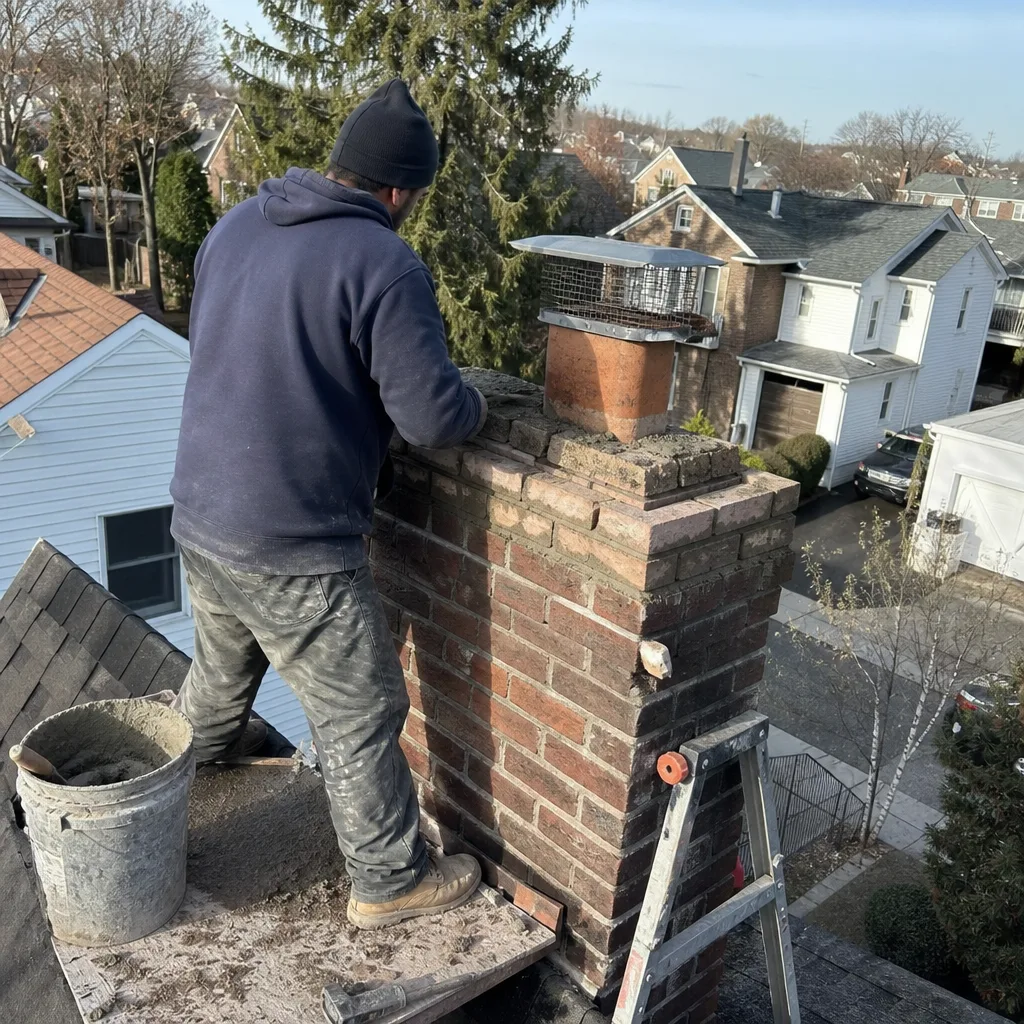
Level 1 sweep and inspection to the NFPA 211 annual standard - flue, crown, cap, and flashing checked and photographed
Chimney sweep logs do not sweep chimneys. They loosen some creosote - which then falls where a brush and vacuum still have to collect it.
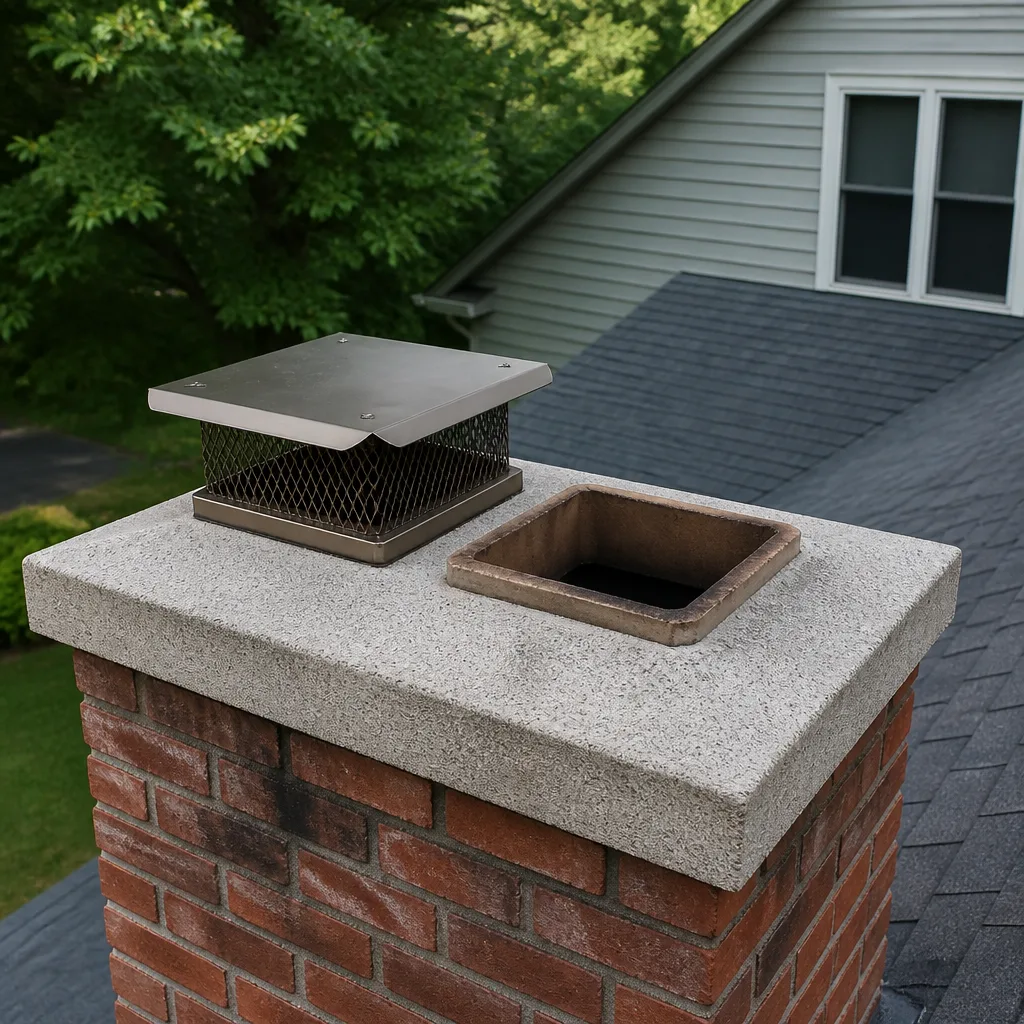
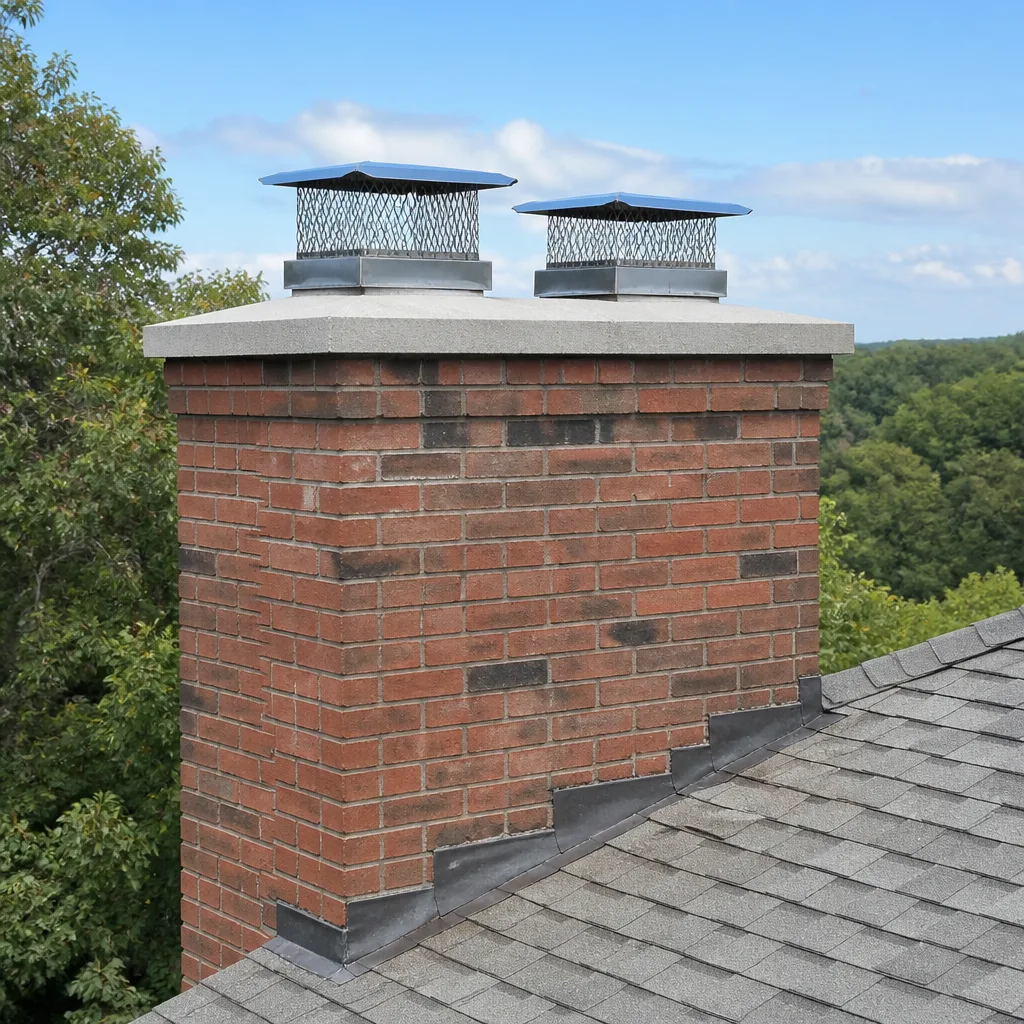
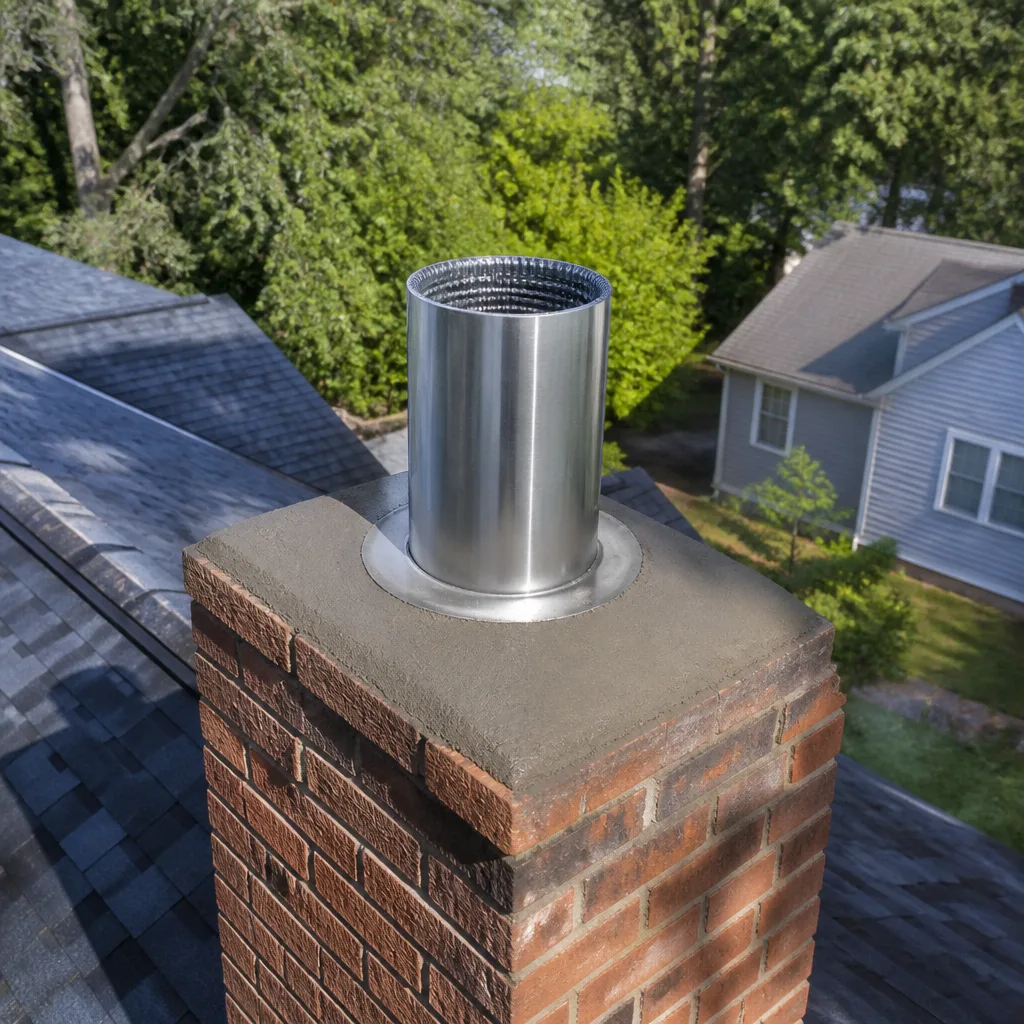
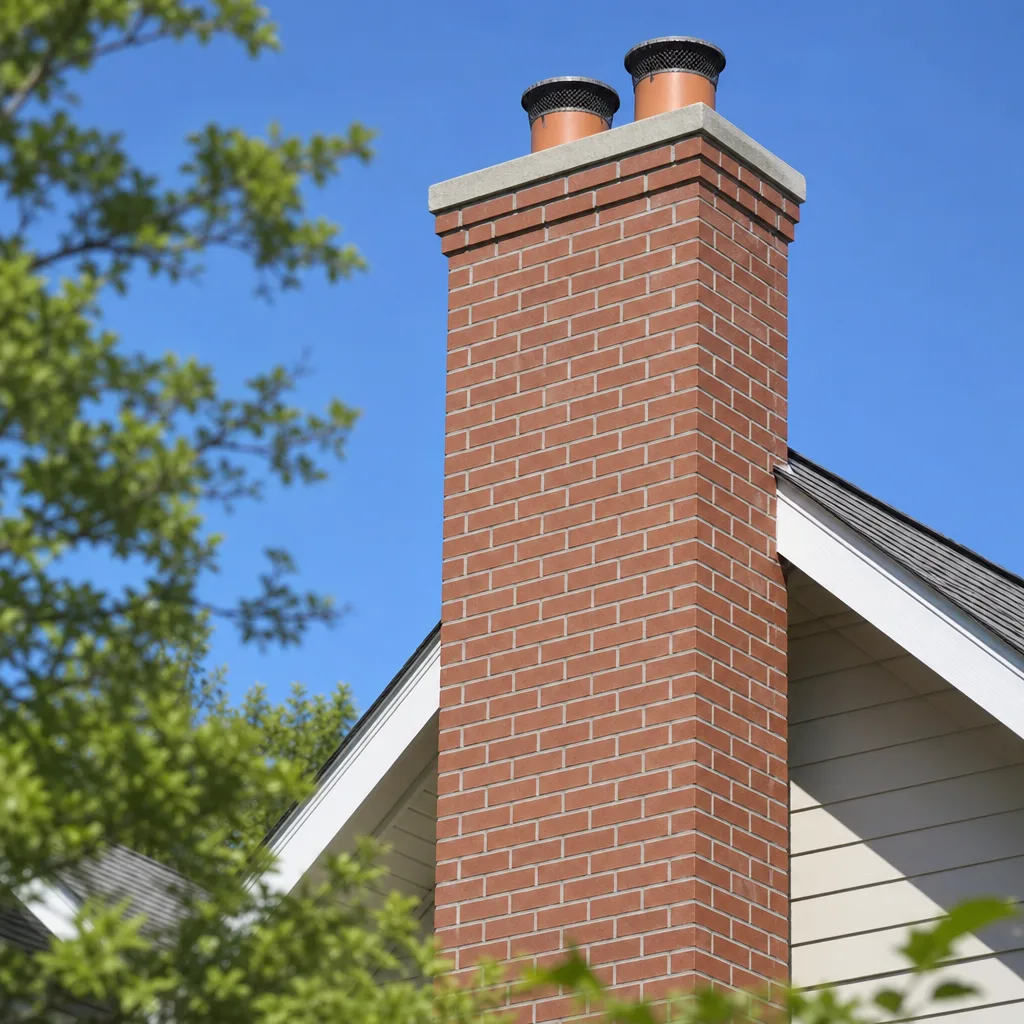
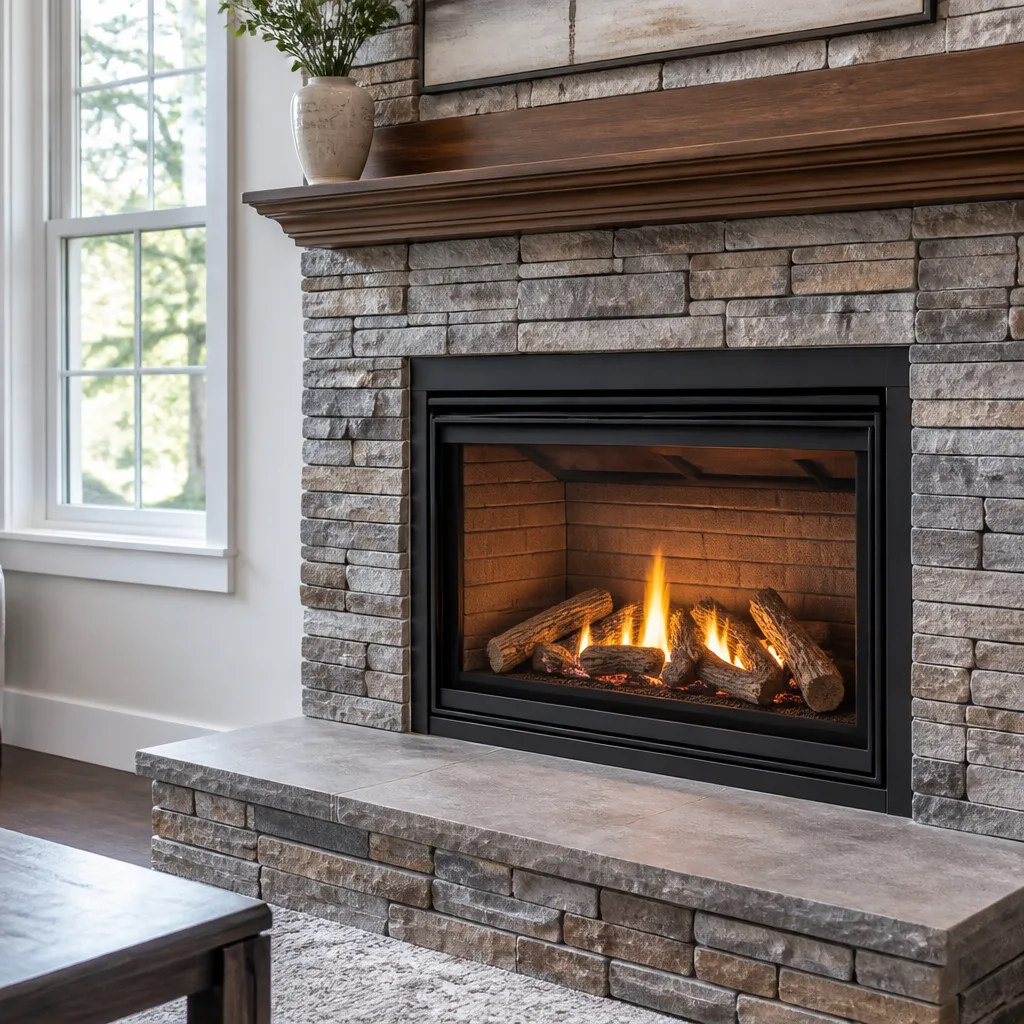
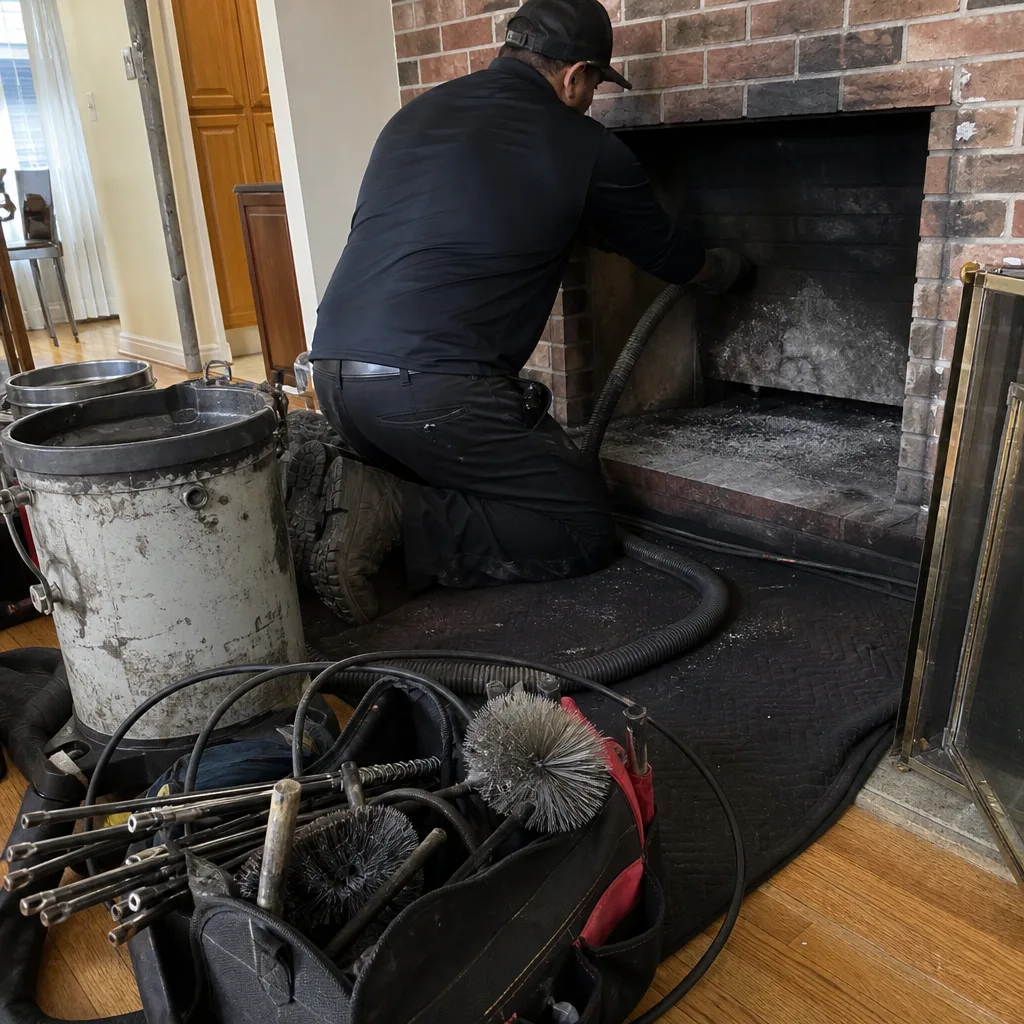 Before
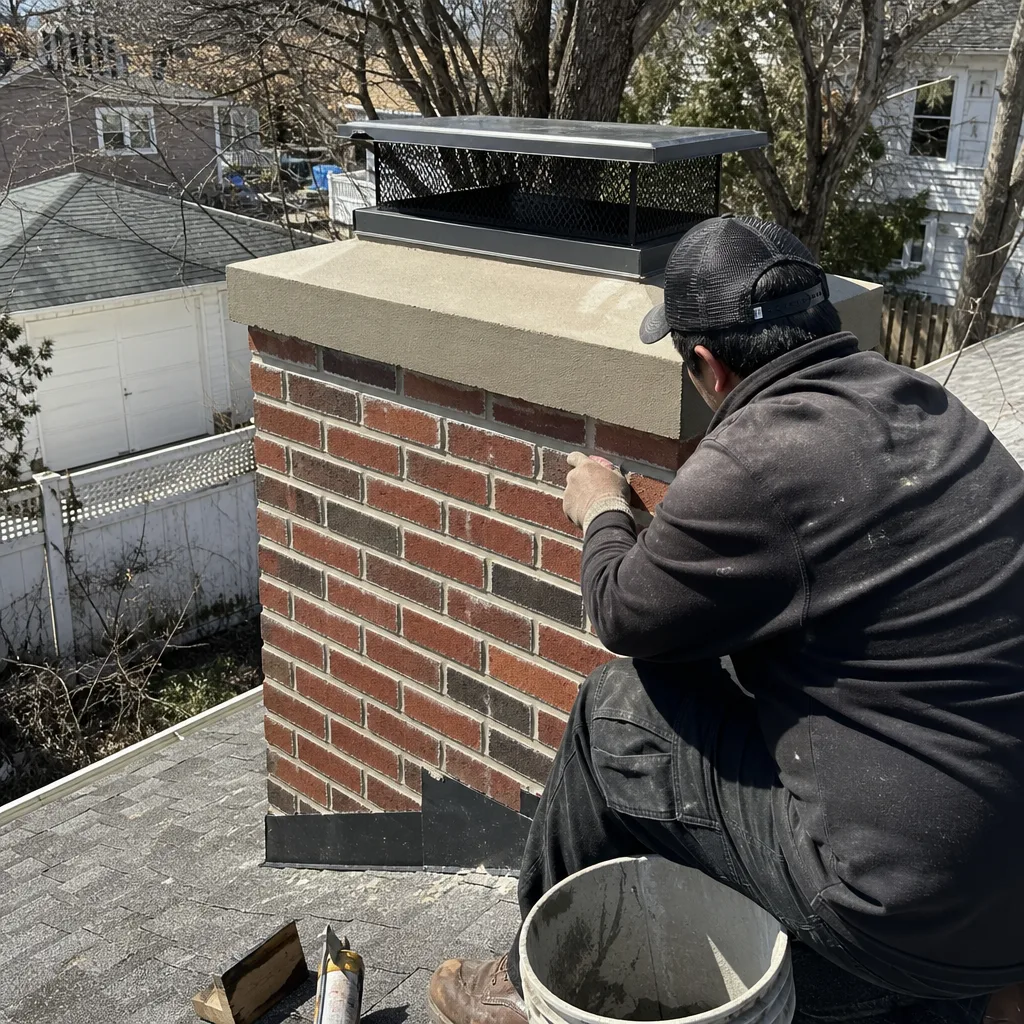 After
After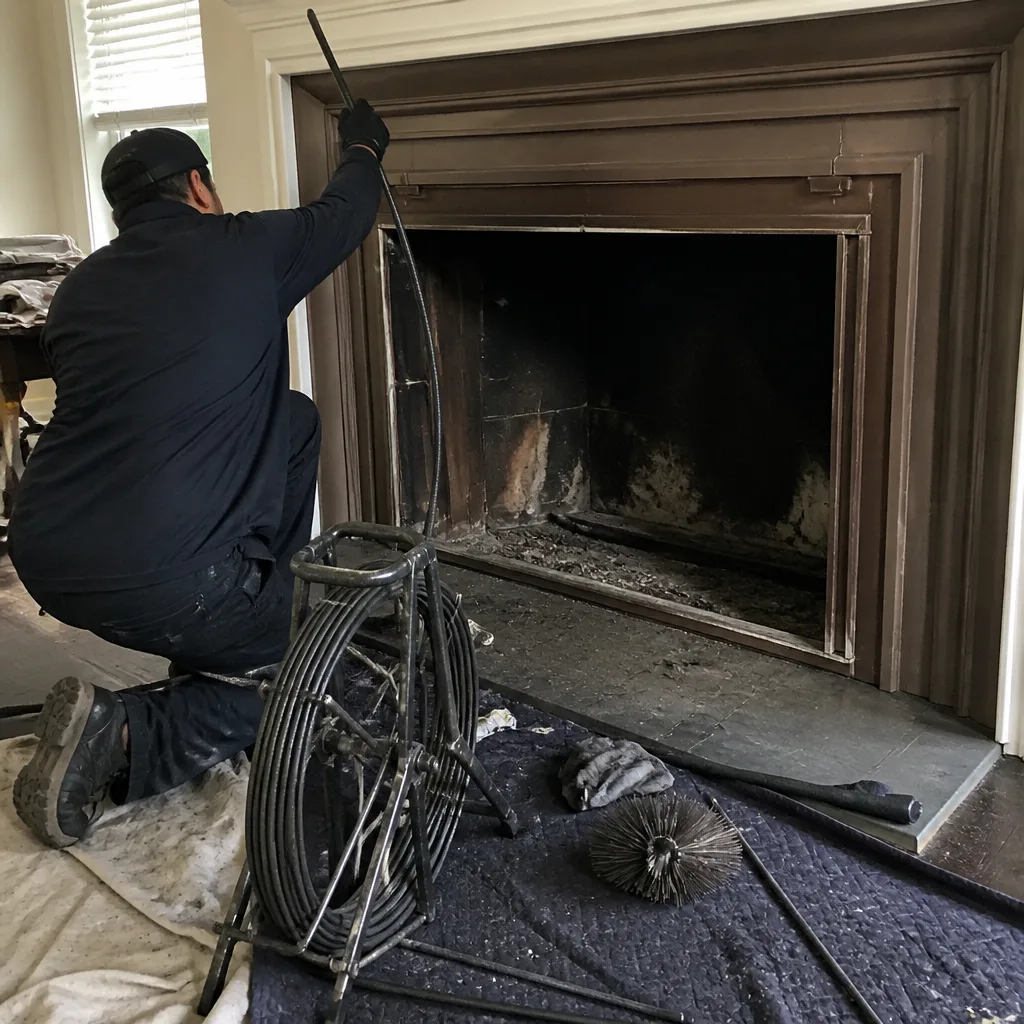 Before
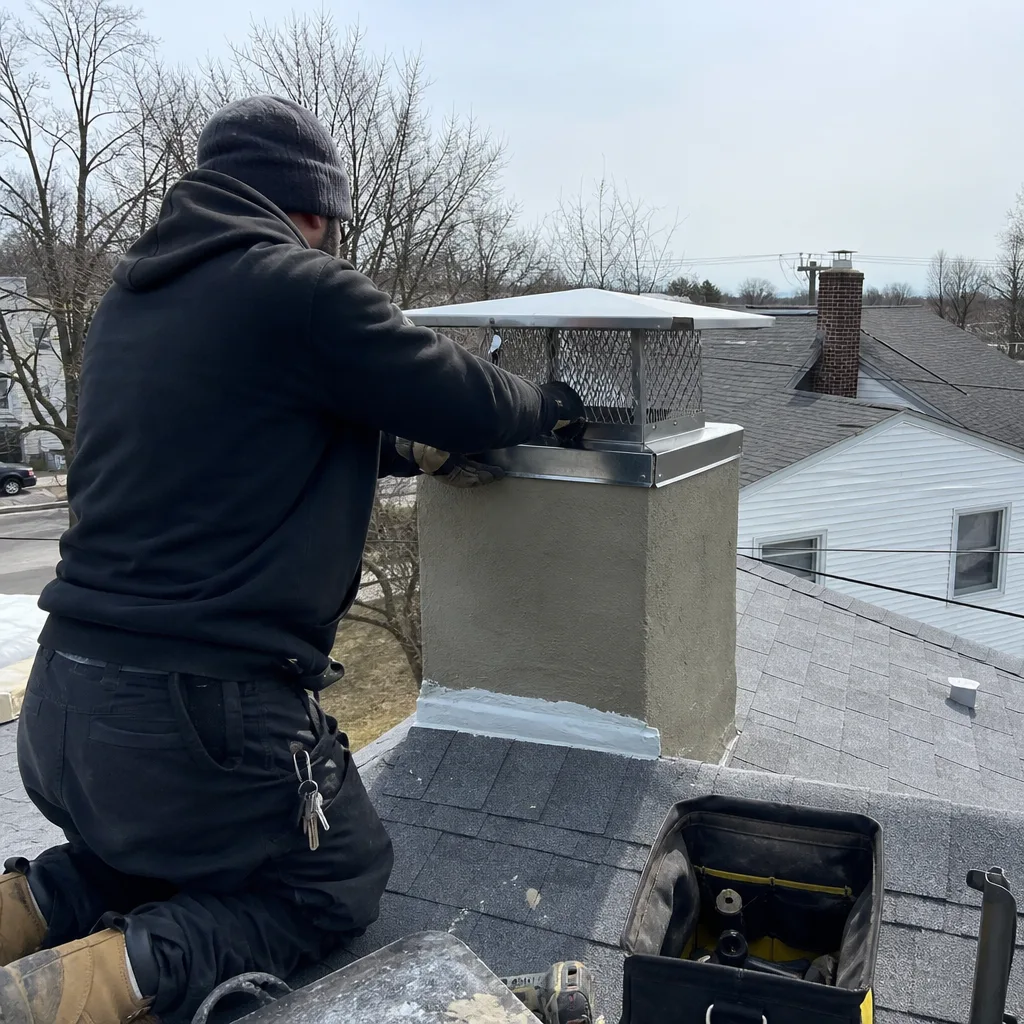 After
After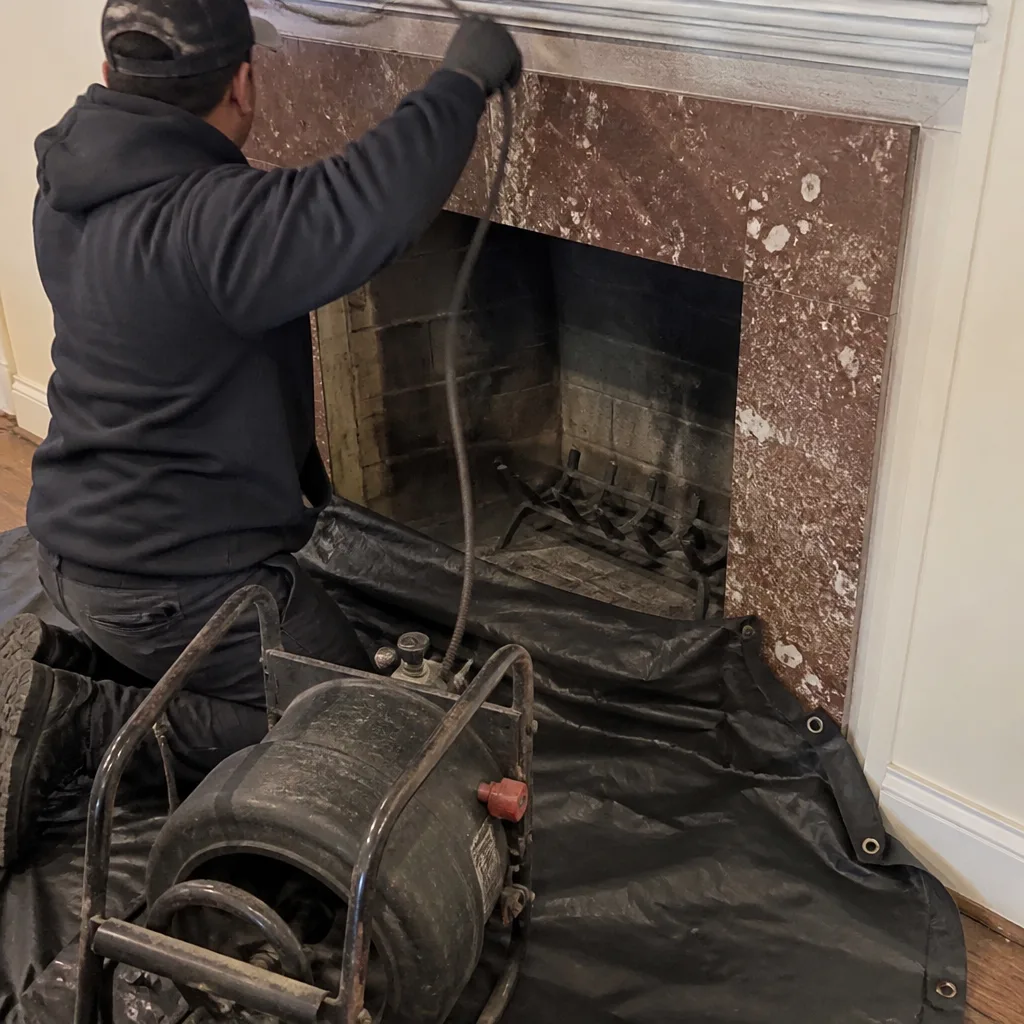 Before
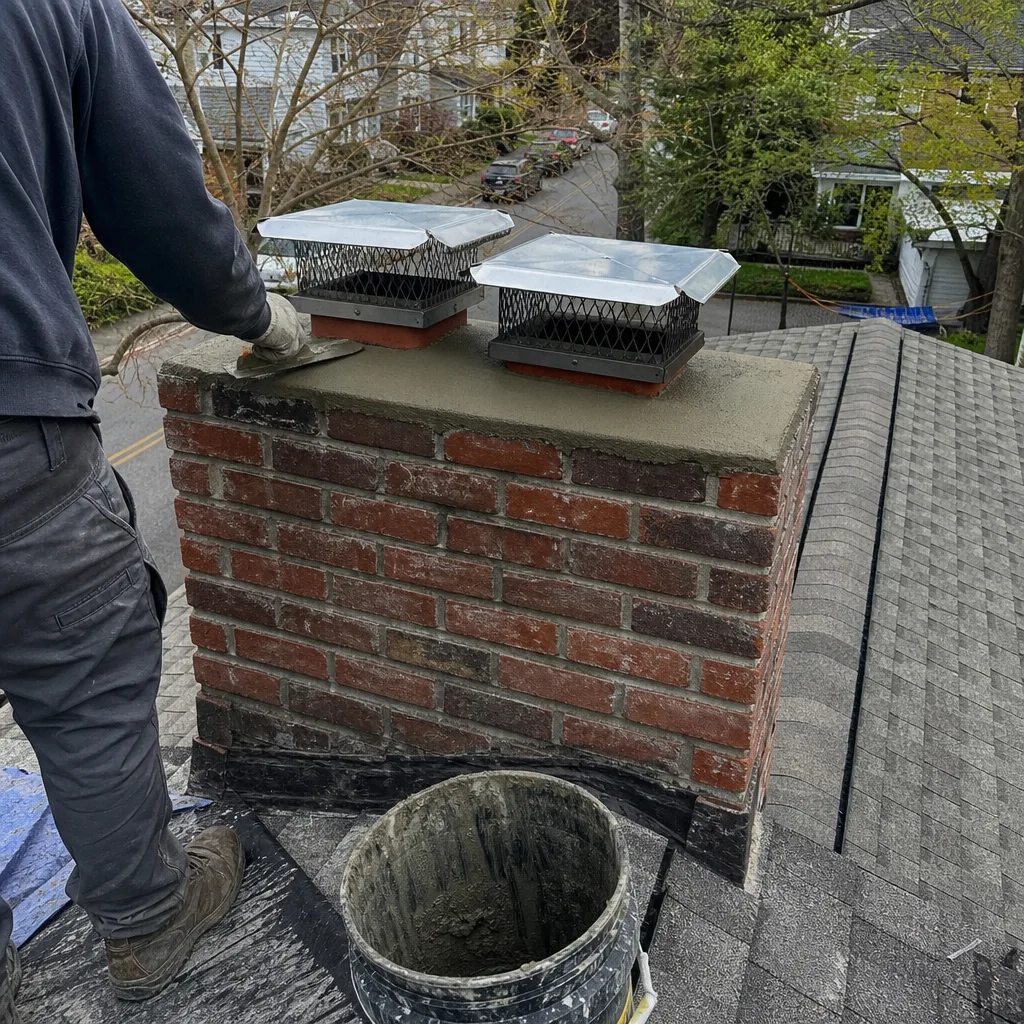 After
AfterChimney Cleaning Warning Signs: A Flushing Homeowner’s Reference Guide
Smoke backing into a room gets homeowners on the phone immediately. The sign that precedes it by an average of two burning seasons, a white efflorescence stain on the exterior brick, gets painted over. Quiet signs get ignored because they don’t announce themselves. This guide walks through the warning signs we’ve documented in more than 38,000 chimney inspections across Flushing since 2009, organized by where you’ll see them. For more guides & resources, visit our blog. Each sign is paired with what it actually indicates and what it costs to address now versus eighteen months from now.
Quick Answer
The chimney warning signs that matter most in Flushing are not dramatic smoke blowback or falling brick. They are subtle and persistent: a white chalky stain on exterior brick, a damper that sticks slightly when you open it, a smell that only appears on humid days, and a cap screen that has started to sag under leaf debris. Any one of these signals water entry, creosote buildup, or airflow blockage, and each one is verifiable with a camera scan rather than a flashlight. When you see any sign in this guide, stop using the fireplace and schedule a camera-scan inspection. A Level 2 inspection in Flushing costs between $149 and $349; repairs caught early average $300 to $800, while the same issue found eighteen months later typically runs over $2,000.
Table of Contents
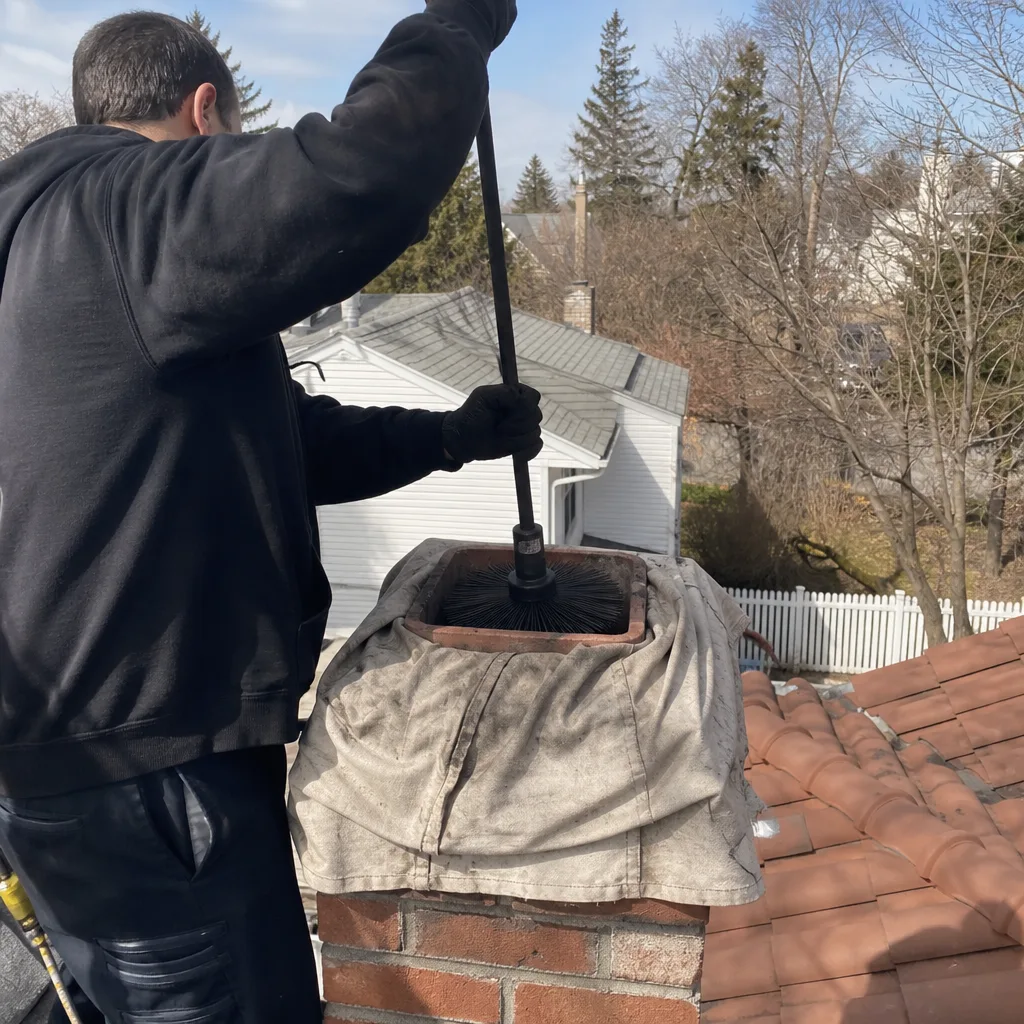
- Interior Warning Signs: What You’ll Notice Inside the House
- Firebox and Hearth Signs: Reading the Burn Area
- Exterior and Roof Signs: What the Brick and Cap Are Telling You
- Flushing-Specific Signs: Shared Flues, Road Salt, and Urban Debris
- What Each Sign Looks Like on Camera Versus a Flashlight Look
- Triage Table: Sign, Cause, Repair Cost Now Versus 18 Months Later
- Safe to Monitor Versus Stop Using the Fireplace Today
- Common Mistakes to Avoid
- When to Call a Professional
- Frequently Asked Questions
BeforeAfterInterior Warning Signs: What You’ll Notice Inside the House
Most Flushing homeowners first notice a problem inside the house, often in a room they don’t associate with the fireplace. The smell is the classic one: a campfire odor that appears on humid days in August, months after the last fire. That smell means creosote inside the flue is absorbing moisture from the air and releasing odor. It doesn’t mean the house is on fire and it doesn’t mean you need a liner replacement tomorrow. But it does mean the creosote layer is thick enough to hold moisture, which is usually Class II creosote, and a cleaning is overdue. See our Complete Guide to Chimney Cleaning in Flushing for what that process involves.
A second interior sign is a damper that sticks when you open or close it. This one gets dismissed constantly. People assume an old damper is just stiff. In our experience, a damper that sticks is often covered in creosote glaze on its upper surface, or the damper frame has begun to rust from water entering through a cracked crown. Neither condition improves with use.
Water stains on the ceiling or wall adjacent to the chimney chase are a third sign. In Flushing’s attached homes, that wall is often shared with a neighbor’s flue. A water stain doesn’t always mean your chimney is leaking; it can mean the shared chase cap or flashing has failed. But you won’t know which flue is responsible until a camera goes up.
Here are the interior signs and what they indicate:
- Campfire smell on humid days: creosote holding moisture in the flue. Indicates cleaning is overdue.
- Damper that sticks or won’t fully open: creosote glaze on the damper plate or rust from water entry above.
- Water stain on ceiling or wall near the chimney: possible crown, flashing, or chase cap failure. Camera scan locates the entry point.
- Hissing or whistling sound during windy weather: air moving through a gap in the flue liner or damper not seating. Indicates a draft problem that worsens creosote formation.
- Cold draft from the fireplace when it’s closed: damper not sealing or top-sealing damper missing. A common issue in Flushing homes built before top-sealing dampers were standard.
If you’ve noticed any of these inside your Flushing home, call (516) 240-9191 to book a camera-scan inspection. A written price and photo record are included before any work is recommended. Our Chimney Cleaning & Sweep in Flushing page has more detail on what a cleaning includes.
Firebox and Hearth Signs: Reading the Burn Area
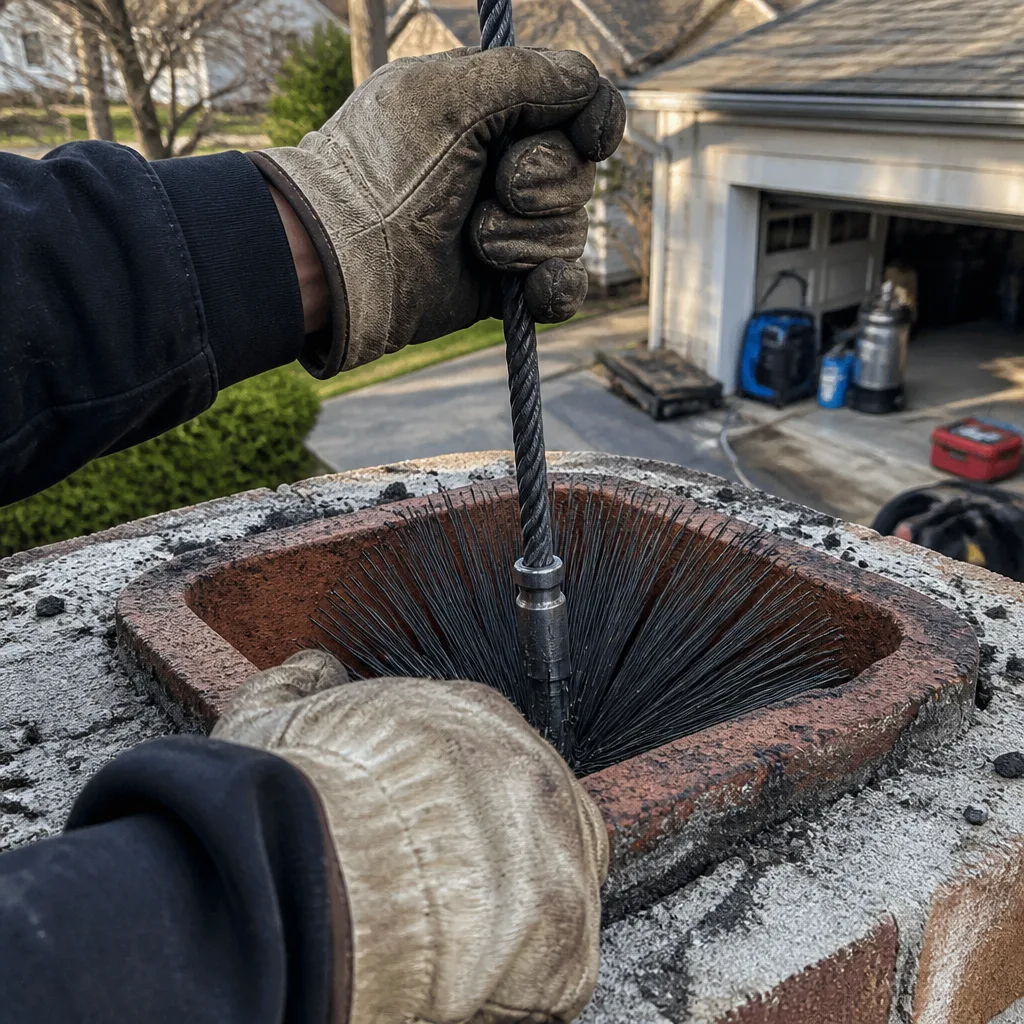
The firebox is the area you see every time you light a fire, and it holds more information than any other part of the system. White staining on the firebrick is one sign homeowners ask us about constantly. That white residue is efflorescence, a mineral deposit left behind when water moves through the brick and evaporates. It means water is entering the firebox from somewhere above, typically through a cracked crown or missing cap. It is not a cleaning issue. It is a water entry issue.
Crumbling mortar joints between firebricks are another sign. When mortar turns to sand and falls out when you run a finger along the joint, the firebox has been absorbing heat and moisture for years, and the refractory mortar has failed. In Flushing, the freeze-thaw cycle accelerates this. A firebox with failed mortar joints allows heat to reach materials behind the firebox that were never designed to handle it.
A third firebox sign is black, tar-like glaze on the back wall of the firebox or on the smoke shelf just above it. That is Class III creosote, the most concentrated and dangerous form. Class III creosote is a hardened, shiny glaze that looks like black glass. It burns at a lower temperature than you’d expect and it is the primary fuel source for chimney fires. You cannot brush Class III creosote out with standard tools; it requires chemical treatment or mechanical removal.
To check your firebox safely, follow these steps:
- Let the fireplace sit cold for at least 24 hours after the last fire.
- Shine a bright flashlight into the firebox and look at the back wall and side walls.
- Note any white staining, crumbling mortar, or black glassy glaze.
- Look up past the damper with the flashlight. If you see a rough, bumpy black surface rather than smooth flue tile, that’s creosote accumulation.
- Do not attempt to scrape or remove anything yourself. Creosote dust is a respiratory irritant and Class III removal requires specific chemical and mechanical tools.
If you see Class III creosote, stop using the fireplace and call us at (516) 240-9191. We’ll document what the camera shows before recommending anything. Materials from our fireplace services include refractory mortar and firebrick rated for the heat loads common in Flushing’s older masonry fireplaces.
Exterior and Roof Signs: What the Brick and Cap Are Telling You
The exterior of a Flushing chimney is exposed to rain, snow, road salt spray, and freeze-thaw cycles from late October through early April. The signs it shows are the most direct evidence of what’s happening inside the structure.
White efflorescence on the exterior brick is the sign we mentioned in the opening. It’s a mineral deposit left when water moves through brick and evaporates on the surface. It means the brick is saturated at some point in the cycle. Left unaddressed, saturated brick freezes and spalls, which means the brick face pops off in thin sheets. Spalling is not cosmetic. It is structural, and once a Flushing chimney begins spalling, the repair is a partial or full rebuild, not a patch.
A sagging or dented chimney cap is another sign. In Flushing, caps accumulate leaf debris, twigs, and plastic bags that blow off nearby streets. When the cap screen sags under the weight, it no longer keeps animals out and it begins to restrict airflow. A restricted cap is a common cause of the smell and smoke backup that homeowners notice indoors. The cap is also the first line of defense against rain entry. A cap with a collapsed screen or rusted base lets water run directly down the flue.
Mortar joint erosion visible from the ground is the third exterior sign. Run a finger along the mortar joints you can reach. If the mortar crumbles to sand, the joints are failing. In Flushing, road salt thrown up by cars and carried by wind accelerates joint failure on chimneys within 50 feet of a road. Failed joints let water into the chimney structure, and that water dissolves more mortar, which widens the joints, which lets in more water. The cycle accelerates every winter.
Here’s what to look for from outside:
- White chalky stain on brick: water moving through masonry. Check crown and cap.
- Brick faces popping off in thin sheets: spalling from freeze-thaw damage. Requires rebuild, not patch.
- Sagging cap screen or rusted cap base: debris accumulation or age. Allows rain and animals in.
- Crumbling mortar joints: water entry worsening each winter. Repointing is the fix when joints are intact enough to hold mortar.
- Missing or cracked chimney crown: the concrete top slab is the primary water barrier. Cracks here send water into the entire chimney system.
Most of these exterior signs are visible from the ground with a pair of binoculars. A visual check from the roof itself is part of our inspection when we’re already on site, but we never recommend a homeowner climb onto a Flushing roof to inspect a chimney. Roof pitches, slate tiles, and ice make it a fall hazard. We bring the camera up instead, and the footage becomes part of your documented record, which is Clause 4 of the Haven Standard: a photo record on every job, running continuously since 2009.
Flushing-Specific Signs: Shared Flues, Road Salt, and Urban Debris
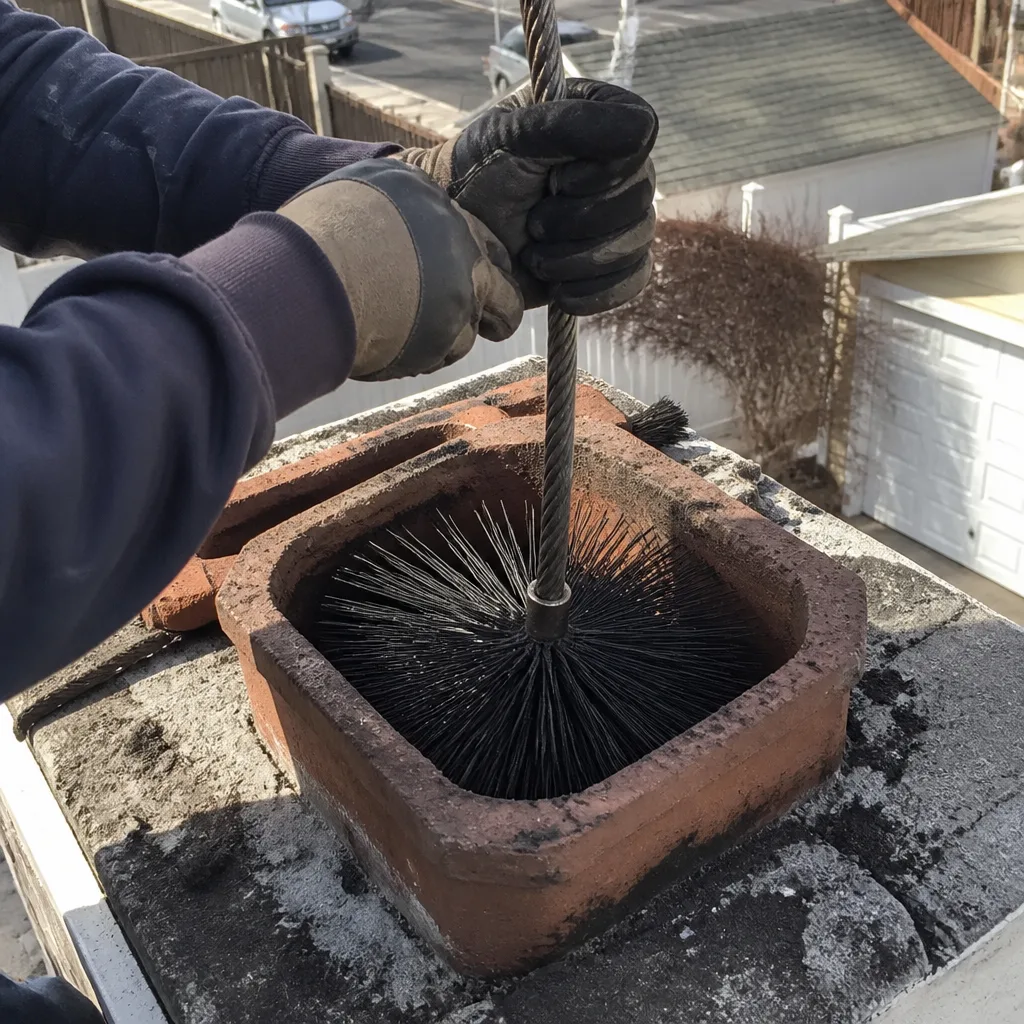
Flushing’s housing stock creates signs you won’t find in a suburban chimney guide. The first is odor crossover in attached homes. Many Flushing rowhouses and semi-detached homes were built with separate flues running through a shared masonry chase. When one flue develops a crack or the chase cap fails, smoke and odor from your neighbor’s fire can enter your living space, not through your fireplace, but through the wall cavity. The sign is a smoke smell in a room with no fireplace, or a smell that appears when you haven’t burned anything in weeks. A camera scan of your flue will show the condition of your liner, but diagnosing a shared-chase crossover sometimes requires a smoke test or a second camera inspection of the adjacent flue, which means coordinating with the neighbor.
The second Flushing-specific sign is accelerated mortar joint failure from road salt. Homes on Northern Boulevard, Kissena Boulevard, Union Street, and other high-traffic corridors show joint erosion five to eight years earlier than homes on quieter side streets. The mechanism is simple: winter road salt becomes airborne as a fine mist when cars pass, and that salt lands on masonry. Salt holds moisture against the brick, and that moisture freezes and expands. If you live within 50 feet of a road that gets salted, check your mortar joints every spring. Early repointing costs $15 to $30 per square foot. Full rebuild after years of neglect starts at $4,000 and rises quickly depending on height and access.
The third sign is cap screen collapse from urban debris. Flushing’s street trees, especially the mature London planes and maples on many blocks, drop leaves, seed pods, and twigs onto roofs. Wind carries plastic bags and paper up onto roofs and into cap screens. Over one or two seasons, the screen fills and sags. The sign you’ll notice is a visible dip in the cap screen from the street, or increased smoke backup when you light a fire. Replacement cap screens run $150 to $300 installed with a stainless steel screen from Copperfield or Famco. The damage from a collapsed screen that lets rain into the flue for a season runs far higher.
What Each Sign Looks Like on Camera Versus a Flashlight Look
This section exists because of a pattern we see in Flushing every year. A homeowner calls a sweep company that offers a $49 chimney cleaning. The tech arrives with a flashlight and a brush. The tech shines the flashlight up the flue, says “looks fine,” and leaves with the $49. The creosote that was beyond the reach of the flashlight’s beam remains, and the homeowner has a receipt that says “cleaned.”
A flashlight illuminates maybe three feet up a flue, and flues are typically 20 to 30 feet tall. A camera with a proper light source records the entire flue in continuous footage. Here’s the difference for each major sign:
- Class II creosote: flashlight shows a dark surface; it may be shadow. Camera shows the color, texture, and thickness across the entire flue, and you can see it with your own eyes.
- Cracked flue tile: flashlight will miss a hairline crack if the beam doesn’t hit it at the right angle. Camera passes over every inch, and cracks show as dark lines against the tile.
- Partial blockage from a collapsed cap screen: flashlight shows nothing unusual because the blockage is above the beam’s range. Camera shows the sagging screen and the restricted opening.
- Water entry through a crown crack: flashlight shows stains but not the source. Camera sees the crack, the water track down the flue wall, and the corresponding damage.
When a sweep says “looks fine,” ask what they saw and how. If the answer is a flashlight and a glance, you haven’t had an inspection. You’ve had a drive-by. Our Level Two Chimney Flushing home page has the full list of what a camera-scan inspection includes, and the documentation you’ll have afterward.
Triage Table: Sign, Cause, Repair Cost Now Versus 18 Months Later
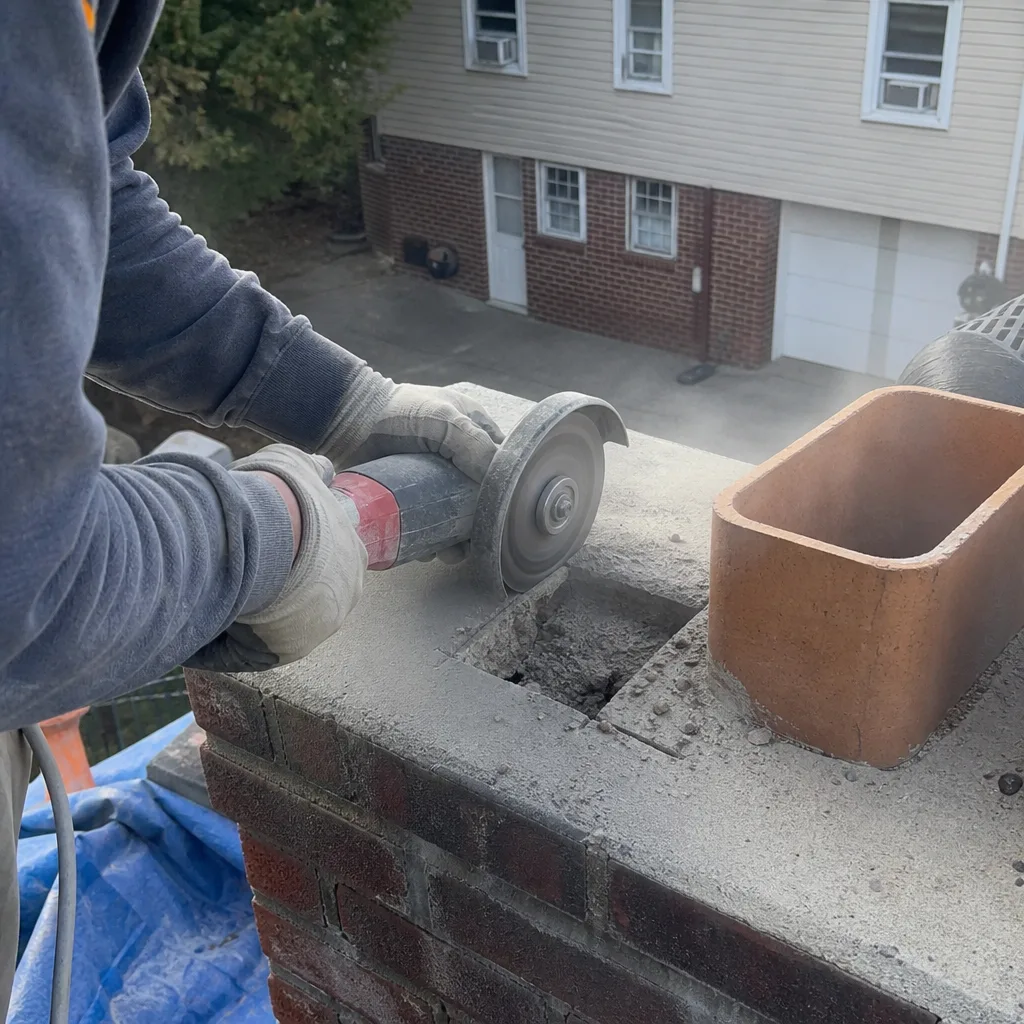
This table is a working reference. It pairs each warning sign with the typical cause, the average repair cost when caught early, and the average cost after 18 months of water or creosote exposure. All costs are approximate for the Flushing market and reflect what we’ve quoted and completed over the past five years.
| Warning Sign | Likely Cause | Cost If Caught Early | Cost 18 Months Later |
|---|---|---|---|
| White efflorescence on exterior brick | Water moving through masonry from crown or cap failure | $400-$900 (crown seal or cap replacement) | $4,000-$9,000 (spalling rebuild) |
| Campfire smell on humid days | Class II creosote absorbing moisture | $149-$349 (sweep and camera scan) | $2,500-$6,000 (glaze removal plus liner repair) |
| Sticking damper | Creosote glaze or rust from water above | $150-$400 (damper cleaning or replacement) | $800-$2,000 (damper frame repair, smoke chamber work) |
| Black glassy glaze in firebox | Class III creosote, fire risk | $350-$700 (chemical treatment plus sweep) | $5,000-$15,000 (chimney fire damage repair) |
| Sagging cap screen | Debris accumulation, urban tree cover | $150-$300 (stainless replacement) | $1,500-$4,000 (rain entry, liner damage) |
| Crumbling mortar joints | Salt exposure, freeze-thaw cycling | $15-$30 per square foot (repointing) | $60-$120 per square foot (rebuild) |
| Water stain on wall near chimney | Crown, flashing, or chase cap failure | $500-$2,000 (flashing repair or chase cap) | $3,500-$8,000 (water damage repair plus chimney repair) |
| Smoke smell in room with no fireplace | Shared-flue odor crossover in attached home | $300-$800 (liner coating with HeatShield or similar) | $6,000-$12,000 (full liner replacement) |
These numbers are our quoted ranges, not estimates from a national database. The cost spread within each range depends on chimney height, access, and the specific condition of your masonry. We write a fixed price before starting any work, and that price doesn’t change after we begin. That’s Clause 1 of the Haven Standard: a written price, written scope, and written warranty before anyone starts. Call (516) 240-9191 for a free estimate in Flushing and we’ll give you a number you can compare against this table.
Safe to Monitor Versus Stop Using the Fireplace Today
Not every sign means you need to stop using the fireplace immediately. Knowing the difference prevents both panic and complacency.
Signs you can monitor and schedule at your convenience:
- Light white staining on exterior brick that hasn’t changed over the past season. Schedule an inspection when convenient, but don’t burn through the winter with active spalling.
- A faint smoke smell on one humid day, with no other signs. Note it and mention it at your next cleaning.
- Minor mortar cracking in a few isolated spots. These joints can wait for repointing, though not for years.
- A cap screen that’s starting to fill with leaves but hasn’t sagged. Plan to have it cleaned and inspected.
Signs that mean stop using the fireplace today:
- Black glassy glaze in the firebox or on the damper plate. This is Class III creosote and it is the ignition source for chimney fires. Every fire you light brings it closer to combustion temperature.
- Visible smoke backing into the room. This means the flue is blocked, the chimney is too cold to draft, or the liner has failed. Carbon monoxide is the silent risk here.
- Brick faces popping off and falling onto the roof or ground. Spalling brick is structural failure in progress.
- Water running visibly down the interior flue walls during rain. This is active water entry and it is dissolving mortar with every storm.
- Any crack you can see in the flue liner from the top or through the cleanout door. A cracked liner in an active fireplace lets heat and combustion gases reach the masonry structure.
The threshold is simple. If the sign involves fire, smoke, or carbon monoxide, stop using the fireplace and call us. If the sign involves water or mortar, you have time to schedule, but not an unlimited amount of it. Flushing winters accelerate water damage faster than most homeowners expect.
Common Mistakes to Avoid
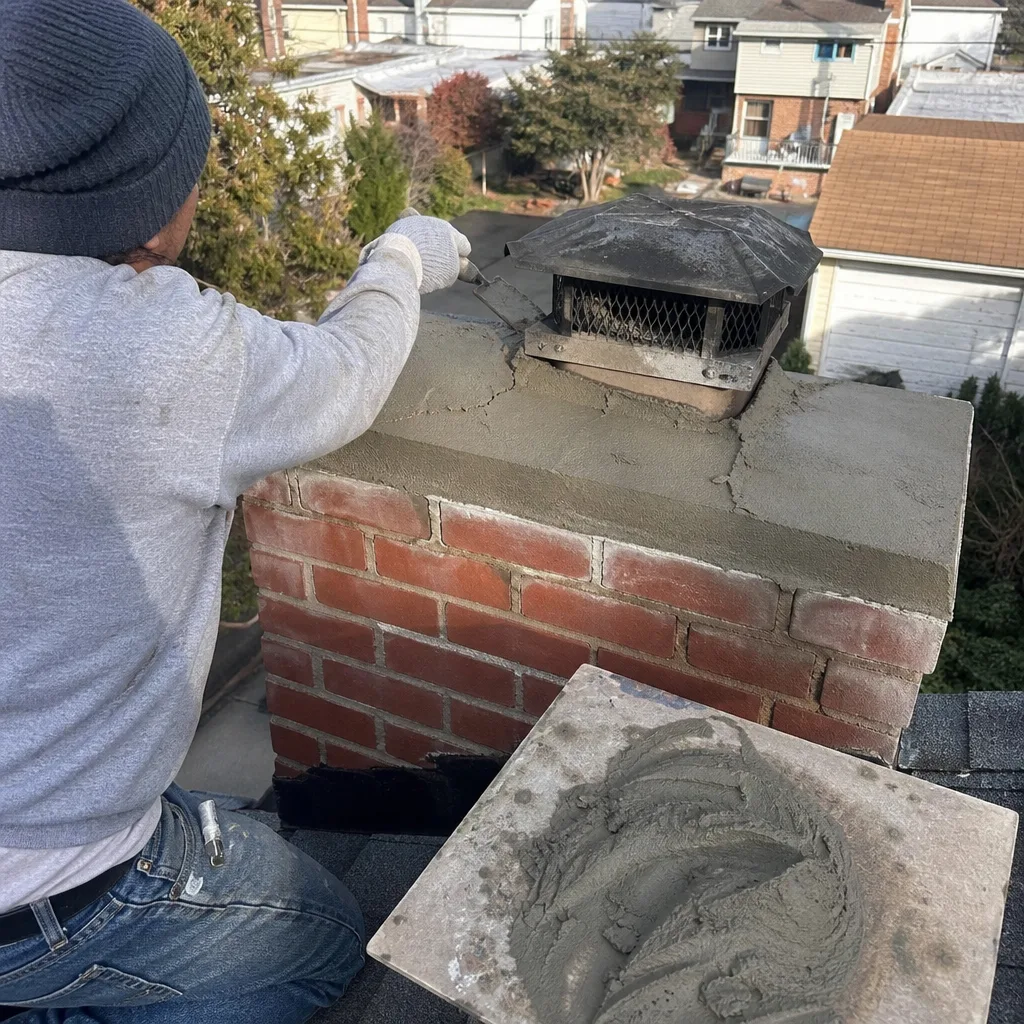
- Painting over efflorescence. The stain comes back because the water entry is still happening. Paint traps moisture and accelerates spalling. Fix the water entry first, then repaint if you want to.
- Trusting a flashlight inspection from a $49 sweep company. You got a brush through the flue, not an inspection. A camera scan is the only way to see the entire flue, and any company that won’t show you the footage is hiding something.
- Ignoring a sticking damper. A damper that doesn’t open fully doesn’t let the chimney draft properly, which means more creosote, which means a worse problem next season. Fixing it now is cheaper than fixing it later.
- Burning pine or green wood because it was free. Soft woods create creosote faster than hardwoods. In Flushing, scrap lumber and construction wood sometimes finds its way into fireplaces. Don’t burn it. The creosote it creates is the type that glazes.
- Skipping an inspection because “we never use the fireplace.” An unused Flushing chimney still takes on water, still hosts nesting animals, and still has a structure that degrades. The fireplace you don’t use still needs an annual or biennial look.
- Assuming the neighbor’s smoke smell is their problem. In attached Flushing homes, a smoke smell in your house can be your neighbor’s flue leaking into a shared chase. It’s your problem too, and you need a camera to prove it.
- Waiting for spring to address a winter problem. The freeze-thaw cycle is doing its worst damage right now. A crack that’s repairable in December costs triple by April.
When to Call a Professional
Call a professional when you see any sign in the “stop using the fireplace today” list, when you haven’t had a camera-scan inspection in two years, or when you’re buying or selling a Flushing home and the chimney has never been documented. Not sure who to trust? Read How to Hire a Chimney Cleaning Contractor in Flushing: A Step-by-Step Guide. Call when you notice a smell you can’t source, a stain that won’t go away, or a damper that won’t move. Call when a previous sweep said “looks fine” and you never saw proof. Level Two Chimney Flushing offers free estimates in Flushing, with a written price, written scope, and written warranty before any work begins. Call (516) 240-9191 to schedule a camera-scan inspection.
Frequently Asked Questions
A chimney cleaning and camera-scan inspection in Flushing costs between $149 and $349, depending on chimney height, creosote volume, and whether the chimney has been cleaned in the past two years. The price is written before work starts and doesn’t change. Call (516) 240-9191 for a free estimate on your specific chimney.
Not always. A camera scan will show whether the liner has cracks, gaps, or spalling. If it does, a liner replacement or a resurfacing with HeatShield may be necessary. But you should never accept a liner recommendation without seeing the camera footage yourself. We show you the footage before we quote anything, because evidence is the only legitimate basis for a liner recommendation.
Once per year if you burn more than 20 fires per season, or every two years if you burn fewer. Flushing’s humid summers increase creosote moisture absorption, which increases odor and accelerates flue deterioration. A camera scan should accompany every cleaning, not just when a problem is suspected.
Creosote accumulates. Class I creosote is a flaky soot that brushes out easily. Class II is a thicker, tar-like layer that requires more work. Class III is a hardened glaze that burns at lower temperatures and is the primary fuel for chimney fires. A skipped cleaning moves you up the creosote scale. The difference between a $200 cleaning and a $4,000 repair is often one or two skipped seasons.
Creosote in the flue absorbs moisture from humid summer air and releases the odor back into the house. This is common in Flushing because the summer humidity is high enough to trigger it. The fix is a thorough cleaning that removes the creosote rather than masking the smell.
You can get a basic look at the firebox and the first few feet of flue, but a phone camera can’t reach a 25-foot flue and can’t illuminate the entire surface. Professional camera-scan equipment records continuous footage that shows the full flue condition. If you want to understand what’s happening in your chimney, get the real footage. Call (516) 240-9191 to schedule an inspection and we’ll show you everything the camera sees.
The Bottom Line
Chimney problems announce themselves quietly in Flushing. A faint smell on a humid day, a damper that’s slightly stiffer than it used to be, a white stain on the brick that you’ve stopped noticing. Each of these signs has a specific cause, and each cause has a cost curve that gets steeper the longer you wait. The camera scan is the tool that turns a guess into a document. Since 2009, we’ve inspected more than 38,000 chimneys in Flushing, every one with a written price before work started and a photo record when it was done. If you’re seeing any sign in this guide, call (516) 240-9191. We’ll show you the footage, write you a price, and let you decide.
Written by Corrine Halstead, Owner at Level Two Chimney Flushing, serving Flushing since 2009.