
Last updated September 20, 2026
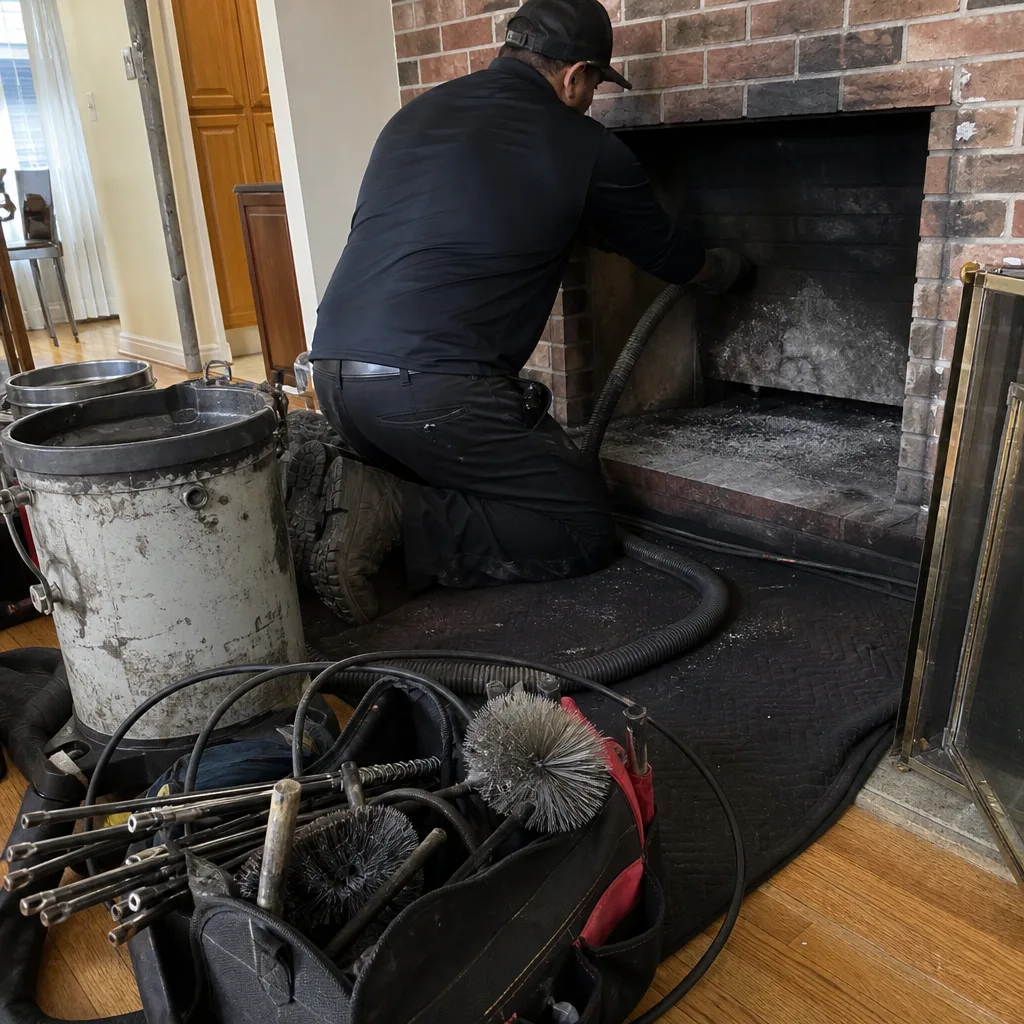
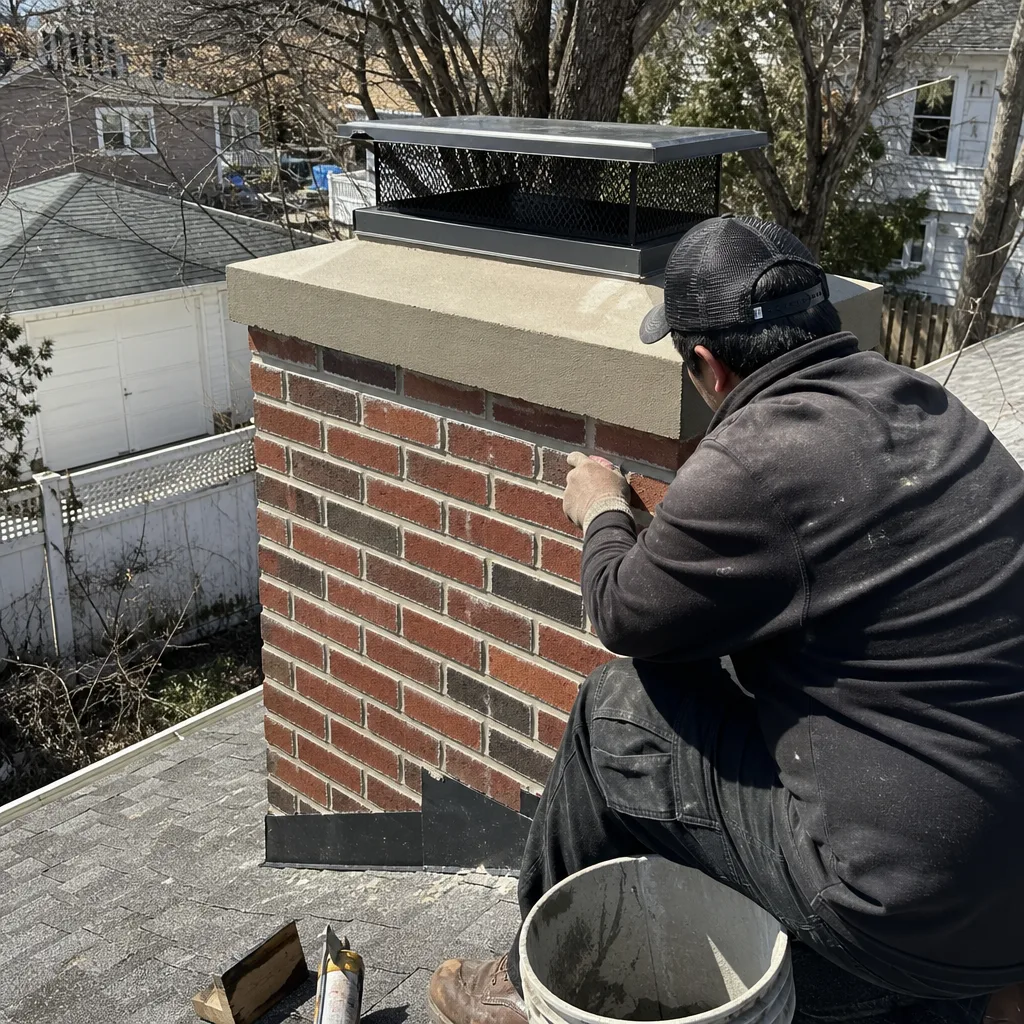
Level 1 sweep and inspection to the NFPA 211 annual standard - flue, crown, cap, and flashing checked and photographed
Chimney sweep logs do not sweep chimneys. They loosen some creosote - which then falls where a brush and vacuum still have to collect it.
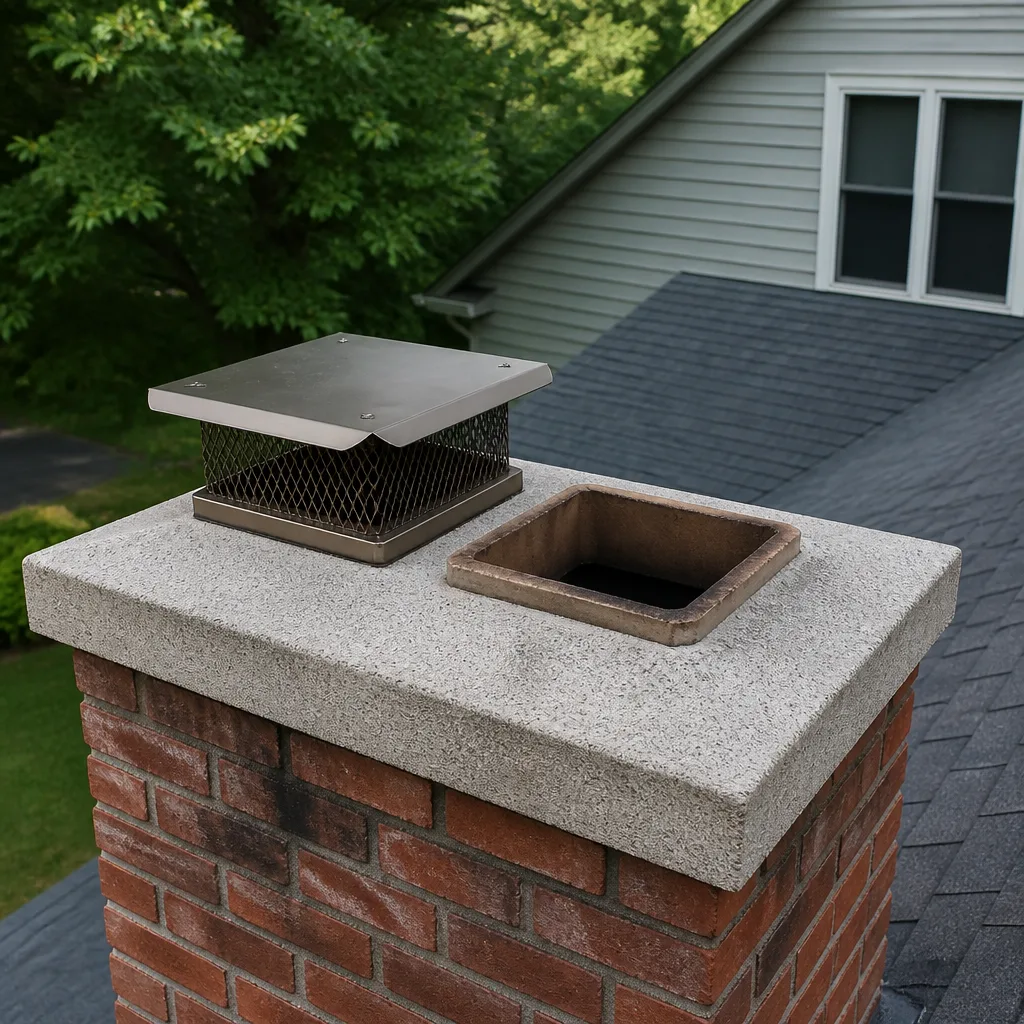
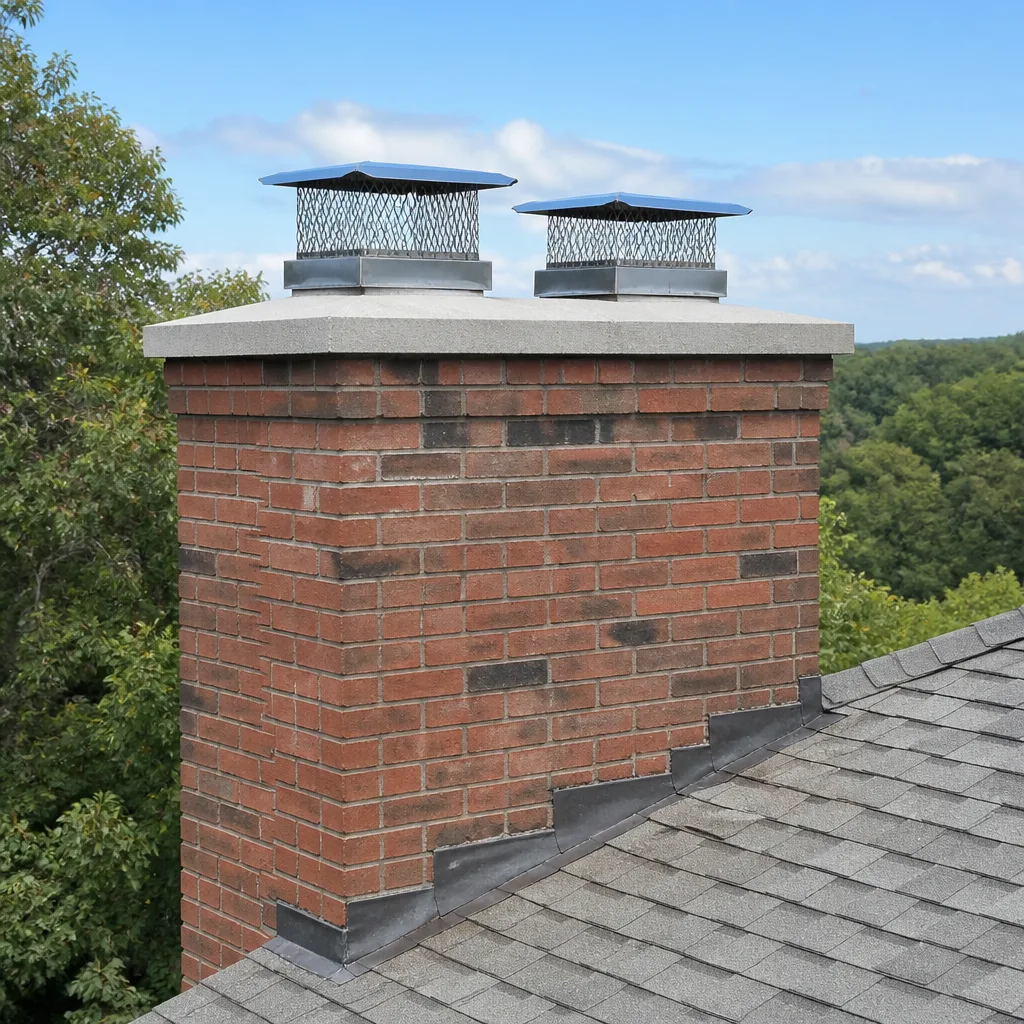
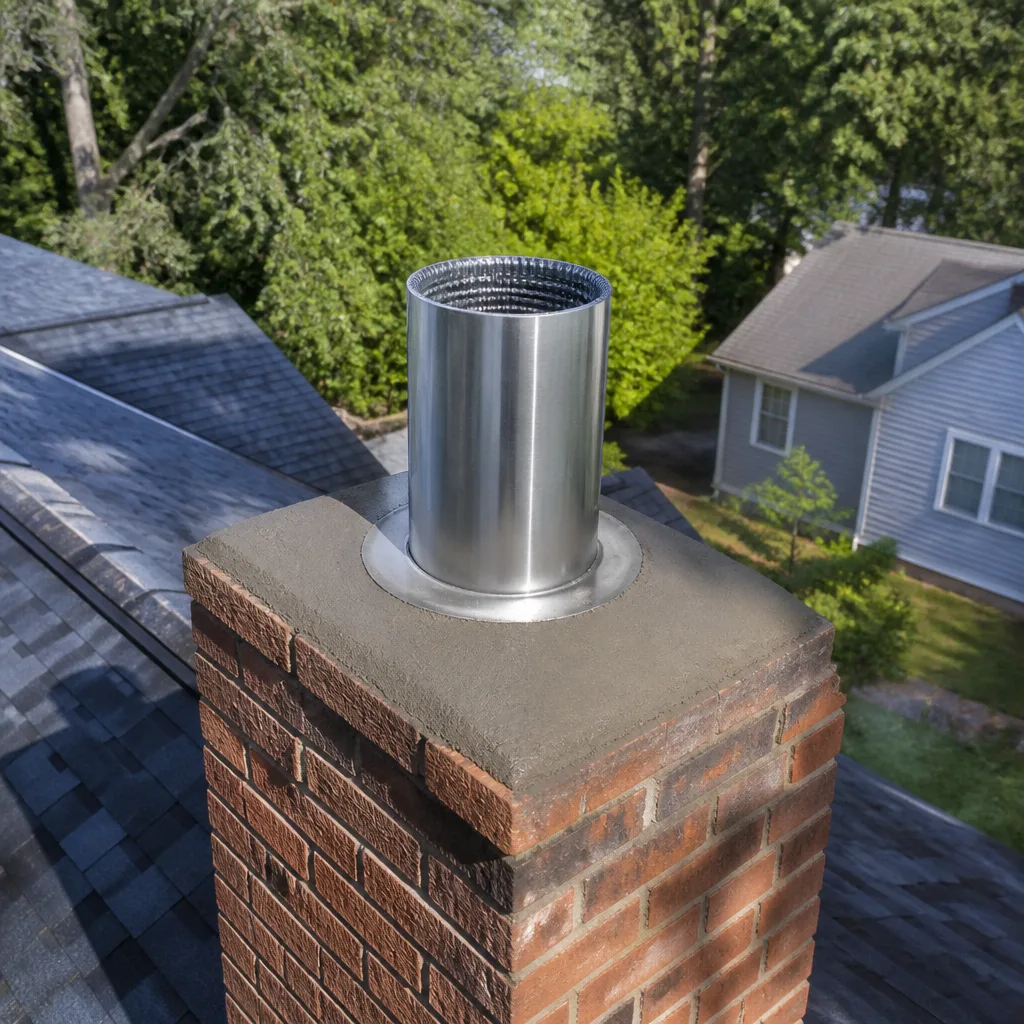
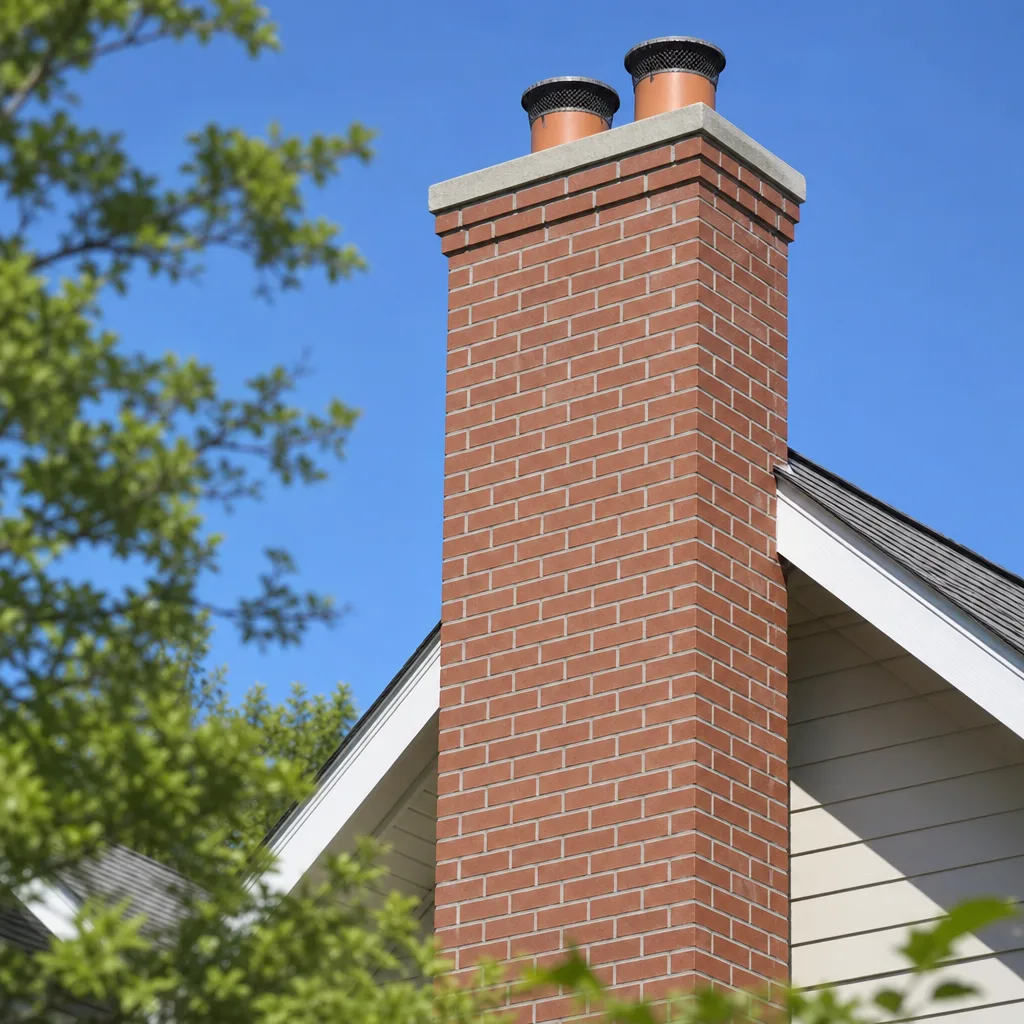
 Before
 After
After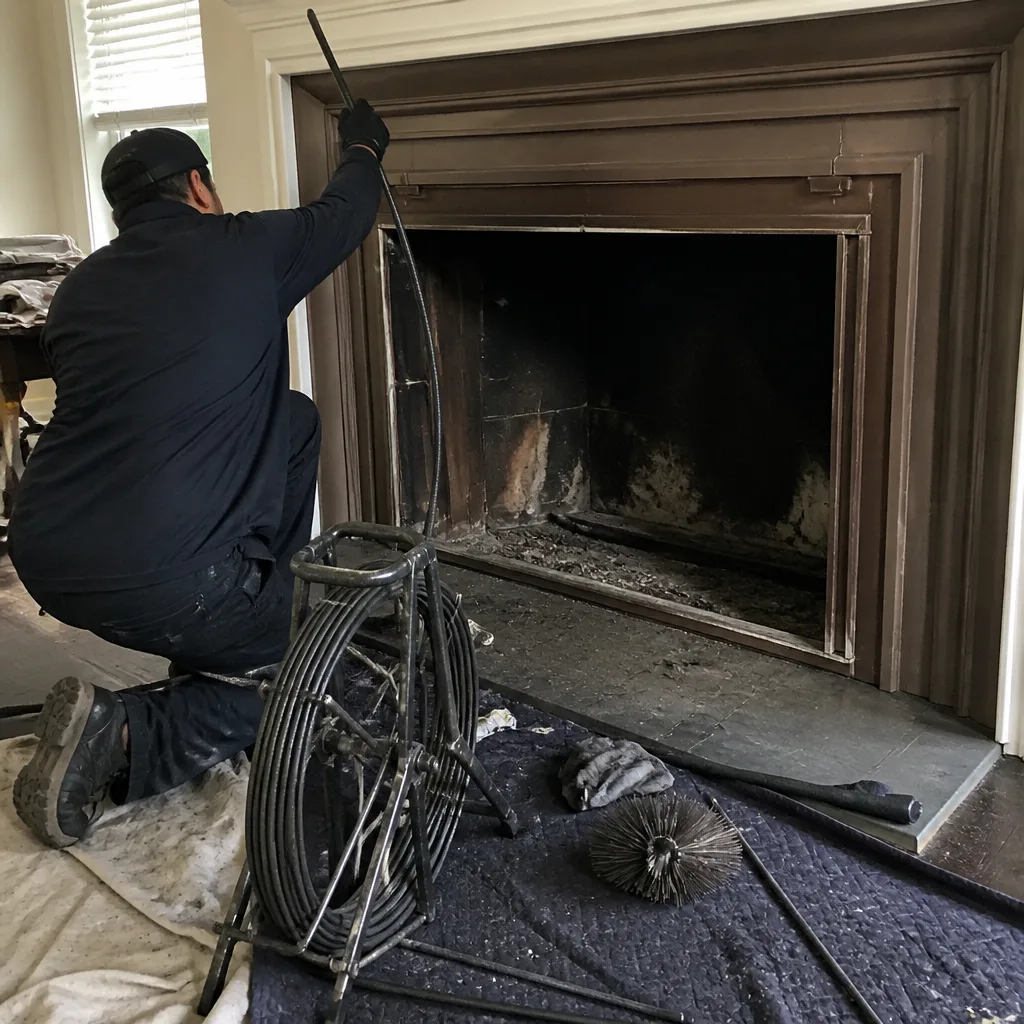 Before
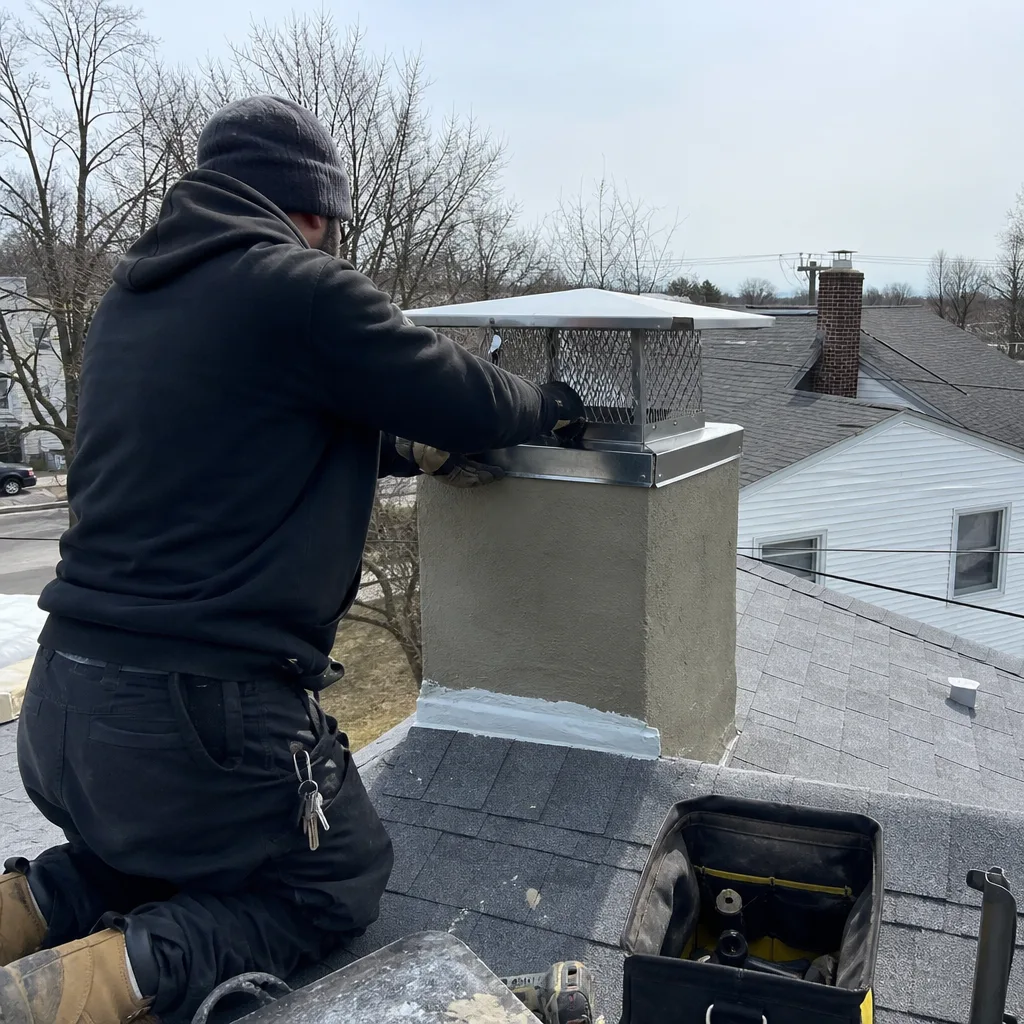 After
After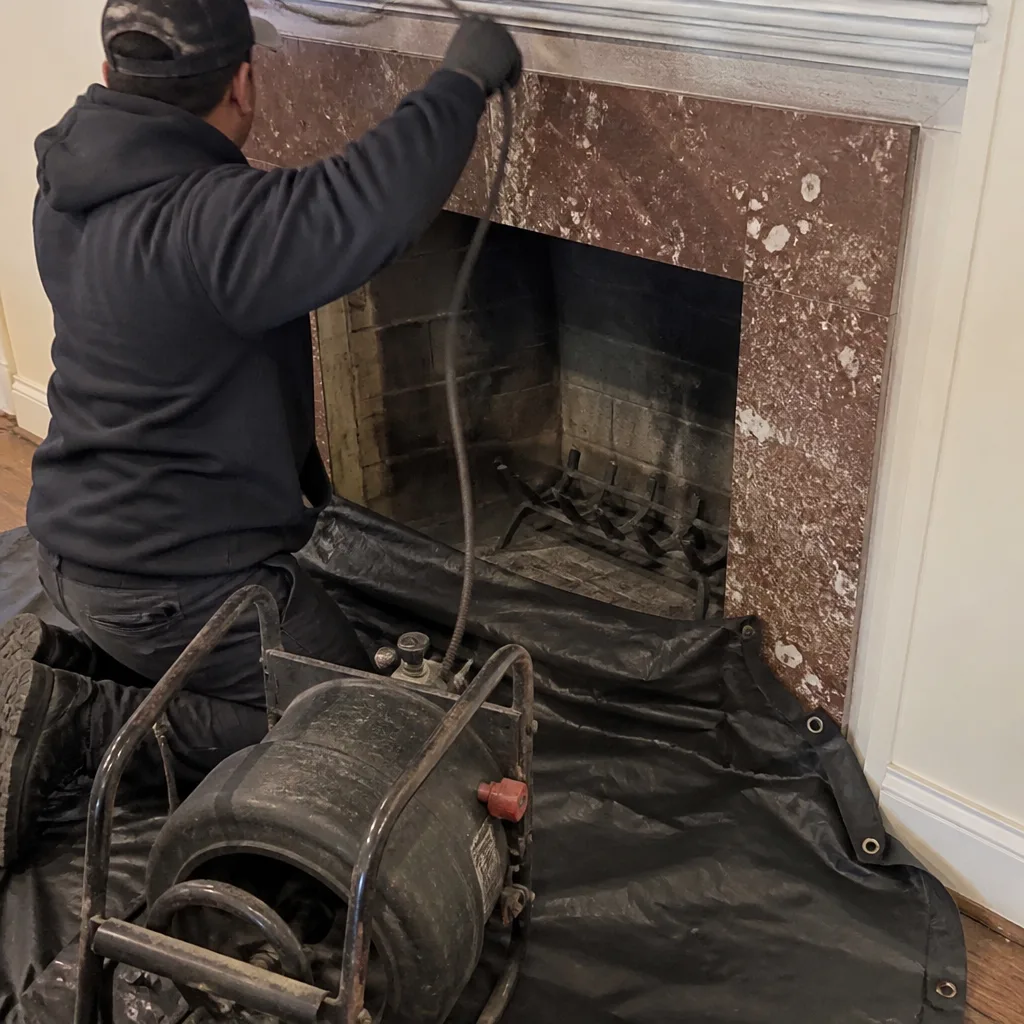 Before
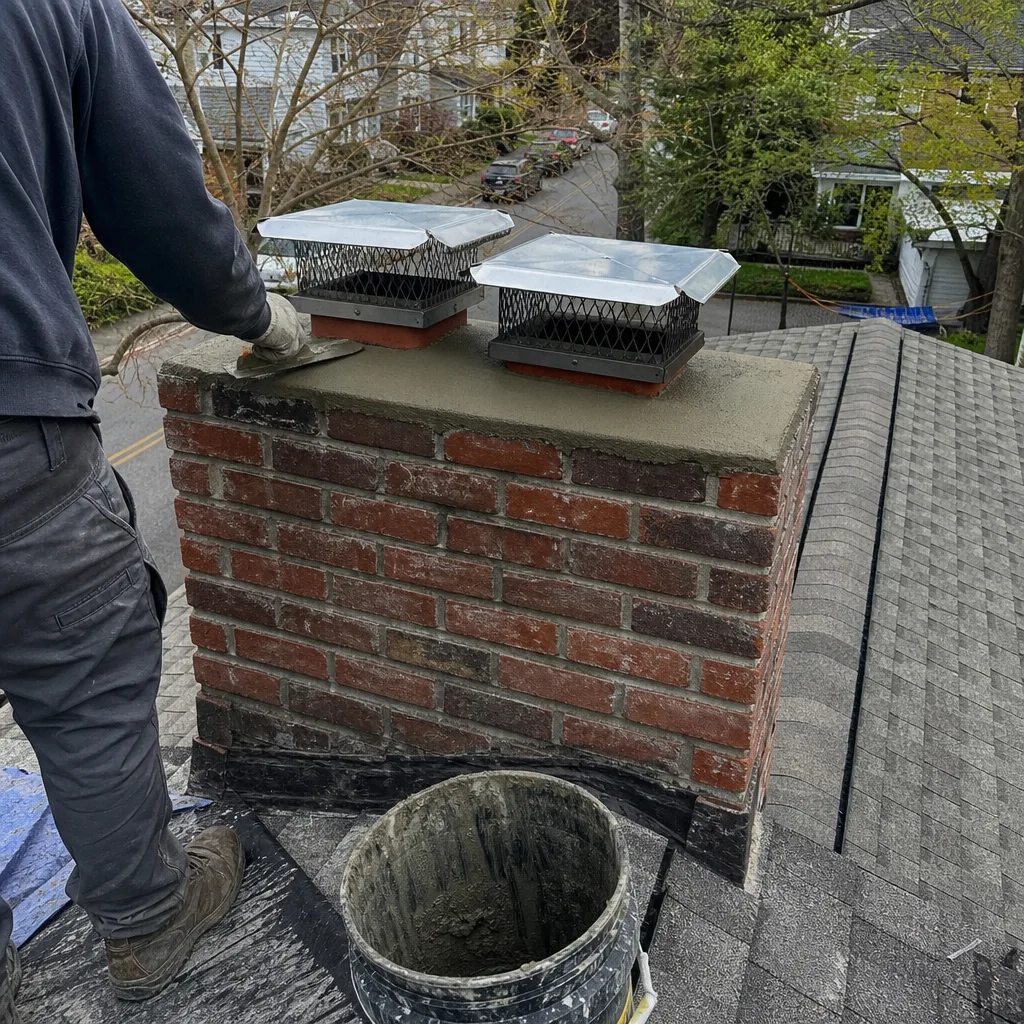 After
AfterHow to Hire a Chimney Cleaning Contractor in Flushing: A Step-by-Step Guide
Of the chimney cleaning companies listed on the first page of Google results for Flushing, fewer than half carry current CSIA certification. That credential takes one exam and a yearly renewal fee to maintain, yet most homeowners never think to ask for it by name. The result: you can’t tell from a website or a five-star rating whether the person at your door has a camera that sees inside the flue or a brush and a guess. This guide gives you a five-step vetting process built around documents, not reviews, so the contractor you hire in Flushing proves their work before they start it, and you can find more guides & resources on our blog.
Quick Answer
To hire a chimney cleaning contractor in Flushing, request four documents before scheduling: proof of liability insurance, a CSIA or NFI certification number, a sample written estimate, and a sample completed inspection report. Then verify the contractor will put a camera down the flue and give you the images in writing before recommending any work. Finally, compare written estimates line by line, check warranty language, and never accept a verbal-only price quote.
Table of Contents
- Step 1: Request the Four Documents Before You Schedule Anything
- Step 2: Ask the Camera Question That Separates a Real Inspection From a Flashlight Look
- Step 3: Read Reviews for Evidence of Process, Not Personality
- Step 4: Compare Two Written Estimates Side by Side
- Step 5: Verify the Warranty Language Before the Work Starts
- Red Flags Specific to the Flushing Market
- Common Mistakes to Avoid
- When to Call a Professional
BeforeAfterStep 1: Request the Four Documents Before You Schedule Anything
Every legitimate chimney contractor in Flushing should be able to produce four documents within one business day. If they hesitate on any of them, that’s the end of the conversation. We’re not talking about exotic paperwork. These are standard, boring, run-of-the-ordinary documents that a real company keeps on file and sends without a second thought.
- Proof of liability insurance. Ask for the certificate of insurance with your name listed as the certificate holder. The coverage should include property damage and completed operations, which protects you if the work causes damage that shows up later. In Flushing, where many homes share walls and a chimney fire in one unit affects the entire building, this is not optional.
- CSIA or NFI certification number. The Chimney Safety Institute of America and the National Fireplace Institute both issue certification numbers you can verify in under a minute on their public directories. A company that advertises “certified” but won’t give you a number you can look up is a company whose certification expired, or never existed. In our experience, fewer than half the chimney businesses operating in the Flushing market carry current CSIA credentials.
- A sample written estimate. Ask for a redacted copy of an actual estimate the company issued recently for a chimney cleaning or inspection. Look for line items, not a single lump sum. A one-line estimate like “chimney sweep: $249” tells you almost nothing about scope. A proper estimate separates the inspection, the cleaning, and any recommended repairs.
- A sample completed inspection report. This one matters more than any other document on the list. If a company says they inspect chimneys, ask to see what the inspection report looks like when it’s finished. Does it include photos? Does it describe the liner condition in writing? Does it classify creosote by type and location? If the sample report reads like a handwritten receipt, the inspection isn’t worth whatever they’re charging for it.
At Level Two Chimney Flushing, all four of these documents exist as standard operating procedure under Clause 1 of the Haven Standard, which requires a written price and written scope before anyone starts. We’ve been doing it this way since 2009, and it’s why we’re comfortable telling you to demand the same from anyone you call.
Step 2: Ask the Camera Question That Separates a Real Inspection From a Flashlight Look
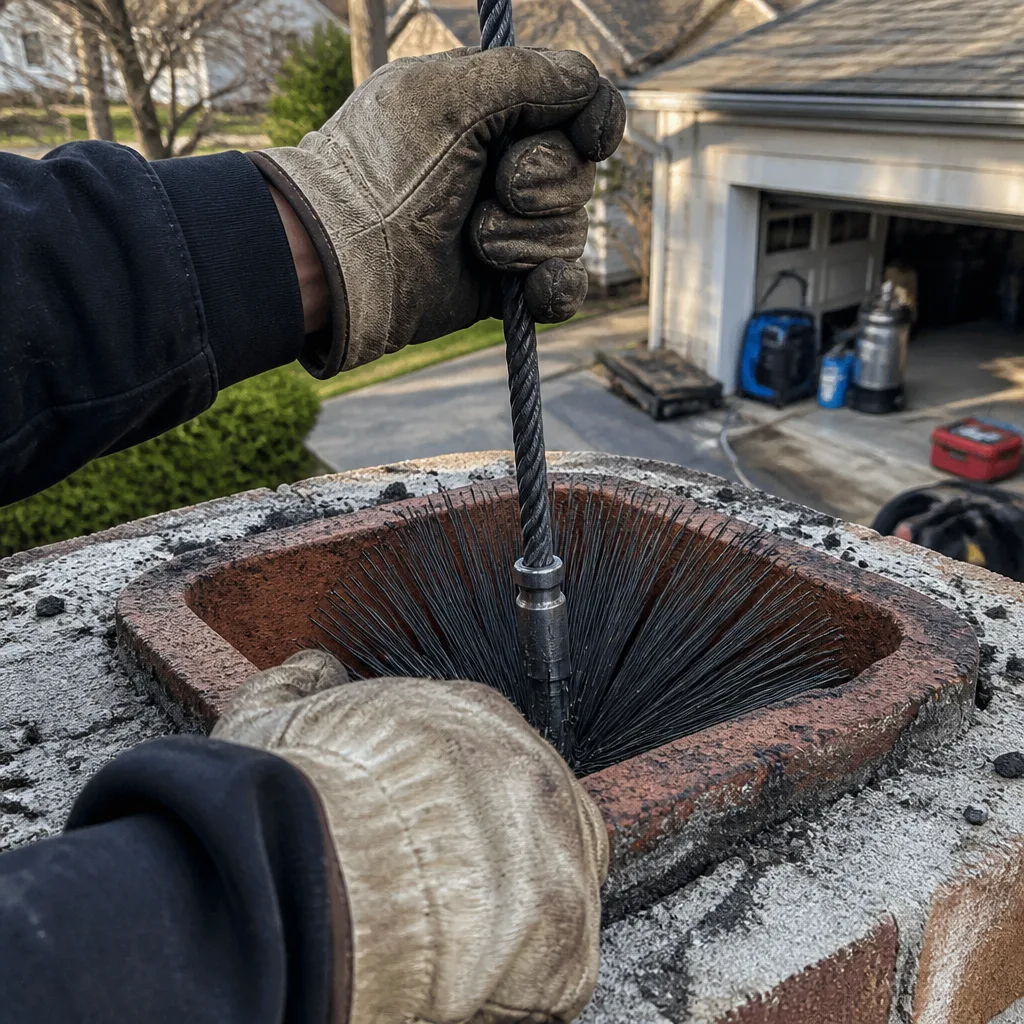
Here is the single question that separates a documented chimney inspection from a basic sweep: “Do you put a camera down the flue, and do I get the images in writing?”
In Flushing, as in most markets, the answer splits contractors into two groups. The first group looks down the flue with a flashlight, sweeps the accessible portion, and charges for a cleaning. The second group runs a camera through the full length of the flue, records what the liner actually looks like, and hands you photo documentation when the job is done. The difference in price between these two groups is usually under $100. The difference in what you know about your chimney is enormous.
A camera inspection reveals what no flashlight can: hairline cracks in clay tile liners, gaps in mortar joints, hidden nests, and creosote buildup in the smoke chamber where chimney fires typically start. We use the term Class III creosote to describe the glazed, tar-like residue that forms when creosote has been heated repeatedly without full removal. That’s dangerous material, and the only way to know you have it is to see it on camera. A brush alone removes surface creosote but often misses what’s baked onto the liner walls.
NFPA 211, the standard that governs chimney inspection and maintenance, defines three levels of inspection. Level 1 covers a basic visual check of readily accessible areas. Level 2 adds video scanning of the entire flue and attic, basement, and crawlspace access points. Level 2 is required when a home is sold, when the fuel type changes, or after a chimney fire, but we believe every inspection should include it. Clause 4 of the Haven Standard made camera-scan documentation the default on every job in 2009, years before most insurers or regulators asked for it. The photo archive from every visit is part of what you’re paying for.
Before you book anyone in Flushing, ask the camera question directly. If the person on the phone hesitates, or says “we do a visual inspection,” or offers to show you video “if we find something concerning,” call someone else. A camera either goes down the flue on every job or it doesn’t. You want the company for whom it does.
Step 3: Read Reviews for Evidence of Process, Not Personality
Online reviews are a weak proxy for chimney work quality. Here’s why: most homeowners can’t tell whether their chimney was cleaned correctly. They can tell whether the technician was polite, showed up on time, and left the living room clean. Those are real things, and they matter, but they don’t tell you whether the creosote was actually removed or the liner was actually inspected. A five-star review that says “friendly and quick” is not evidence of a properly cleaned flue.
When you read reviews of chimney contractors in Flushing, look for language that indicates documented process. Here’s what that sounds like:
- “Showed us the camera video and explained what we were looking at”
- “Sent a written estimate before work started and the final report with photos afterward”
- “Classified the creosote level and told us exactly what needed to be done and what could wait”
- “Gave us a written warranty on the liner repair”
Here’s what tells you almost nothing useful:
- “Great guy, very nice”
- “Quick and easy”
- “Cleaned up after himself”
- “Reasonable price”
The homeowner’s job is to find reviews that describe evidence: photos, written documents, specific terminology, a clear explanation of what was found. Those reviews tell you the contractor runs a documented process. Personality reviews tell you the technician was pleasant, which is nice but doesn’t protect your house from a chimney fire. Corrine Halstead, who runs Level Two Chimney Flushing, has built the company’s reputation on documentation rather than charm, and the distinction shows up in how our customers describe what they received.
Step 4: Compare Two Written Estimates Side by Side
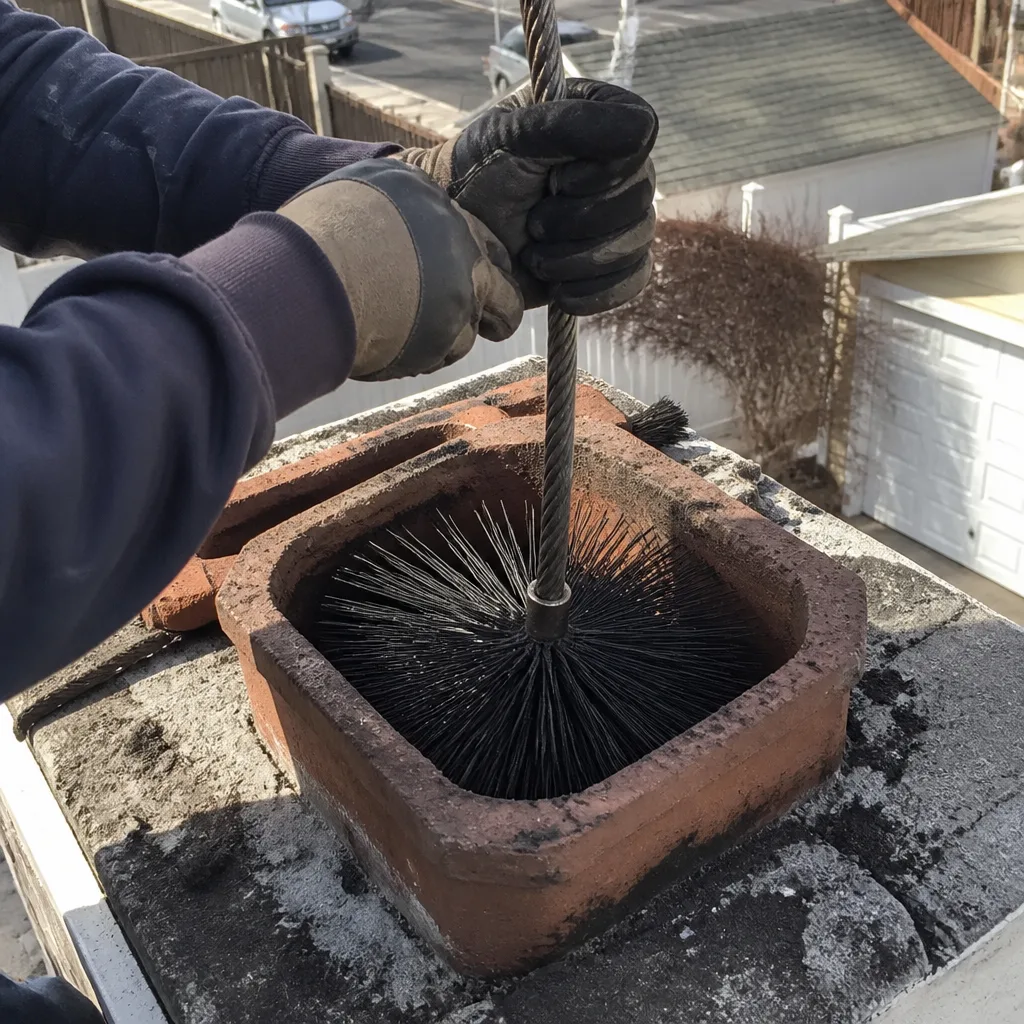
Once you have written estimates from two different chimney companies in Flushing, lay them side by side and compare line by line. A written estimate should never be a single number with no explanation. Here’s what a proper chimney cleaning estimate includes:
- Inspection scope. Does it say “Level 2” or “camera scan” or “video inspection”? If the word “visual” appears without clarification, assume no camera was involved.
- Cleaning scope. Does it specify the flue, the smoke chamber, and the chimney cap? Does it mention creosote classification? A proper sweep removes deposits from the full system, not just the flue liner.
- Material line items. If repairs are recommended, are the replacement parts named? We use materials from Famco, Copperfield, and DuraFlex for liner and cap work in Flushing because these brands hold up to coastal humidity and the temperature swings between January and July. If an estimate says “new liner” without specifying the material, ask what you’re paying for.
- Warranty terms. Does the warranty cover parts, labor, or both? For how long? What voids it? A one-year parts warranty where you pay for labor is worth far less than a labor-inclusive warranty, and the difference matters when you’re looking at a $3,000 liner replacement.
- Exclusions. A responsible estimate names what’s not included. If the roof access is steep, the estimate should say whether the price covers roof work or excludes it. Flushing has plenty of older homes with four-story rooflines that require ladder work from the sidewalk, and that time should be priced in writing.
There’s a pricing reality in Flushing worth knowing. Chimney cleaning in this market typically runs between $180 and $350 for a straightforward single-flue sweep with a Level 2 camera inspection, depending on the height of the structure, the condition of the cap, and whether repairs are needed. A company advertising $49 or $79 is selling a foot-in-the-door price that will multiply once the technician is inside and “discovers” work that needs doing. The same dynamic applies to door-to-door offers. If a price sounds too low to pay for an hour of a trained technician’s time plus equipment plus insurance plus the documented report, you’re buying a sales call, not a cleaning.
Level Two Chimney Flushing has always quoted a written price before any work starts. We tell you the price range on the page, in dollars, because we think hiding the number until the tech is standing in your living room is a pressure tactic. It’s also why we offer a Free Second Opinion on any written estimate. Bring us a competitor’s written quote and we’ll tell you whether it’s fair, whether the scope is appropriate, and what we’d charge for the same work. No games, no obligation.
Step 5: Verify the Warranty Language Before the Work Starts
Warranty language is where chimney contractors in any market, including Flushing, reveal how much they stand behind their work. Before you sign anything, read the warranty clause carefully and know what it does and doesn’t cover.
A strong chimney warranty covers both parts and labor for a defined period, typically one to five years for repairs and longer for liner installations. It names the materials installed and the location of the work. It doesn’t exclude “normal wear and tear” as a blanket term without defining what that means. It includes the company name, the date of the work, and the signature of someone authorized to bind the company. If you’re buying a liner installation, the warranty should be provided by the liner manufacturer, and the installer should register it for you.
Watch for warranties that cover parts only. A parts-only warranty sounds fine until the labor cost turns out to be seventy percent of the repair. “10-year warranty” is a common marketing phrase, but if the fine print says parts only and you pay labor, you haven’t been protected; you’ve been upsold.
Our 365-Day Done Right Promise covers labor on every job we do in Flushing. If it’s not done right, we make it right, and it’s stamped on every job under the Haven Standard. We also write warranty terms into the estimate before work starts, not after. That’s Clause 1 of the Haven Standard: a written price, written scope, and written warranty delivered before anyone starts, not after the tech is already in your home.
For more detail on what a proper inspection and cleaning should include, see our guide to Chimney Cleaning & Sweep in Flushing. If you’re seeing signs of damage, our page on Chimney Repair in Flushing covers what’s fixable and what isn’t.
Red Flags Specific to the Flushing Market
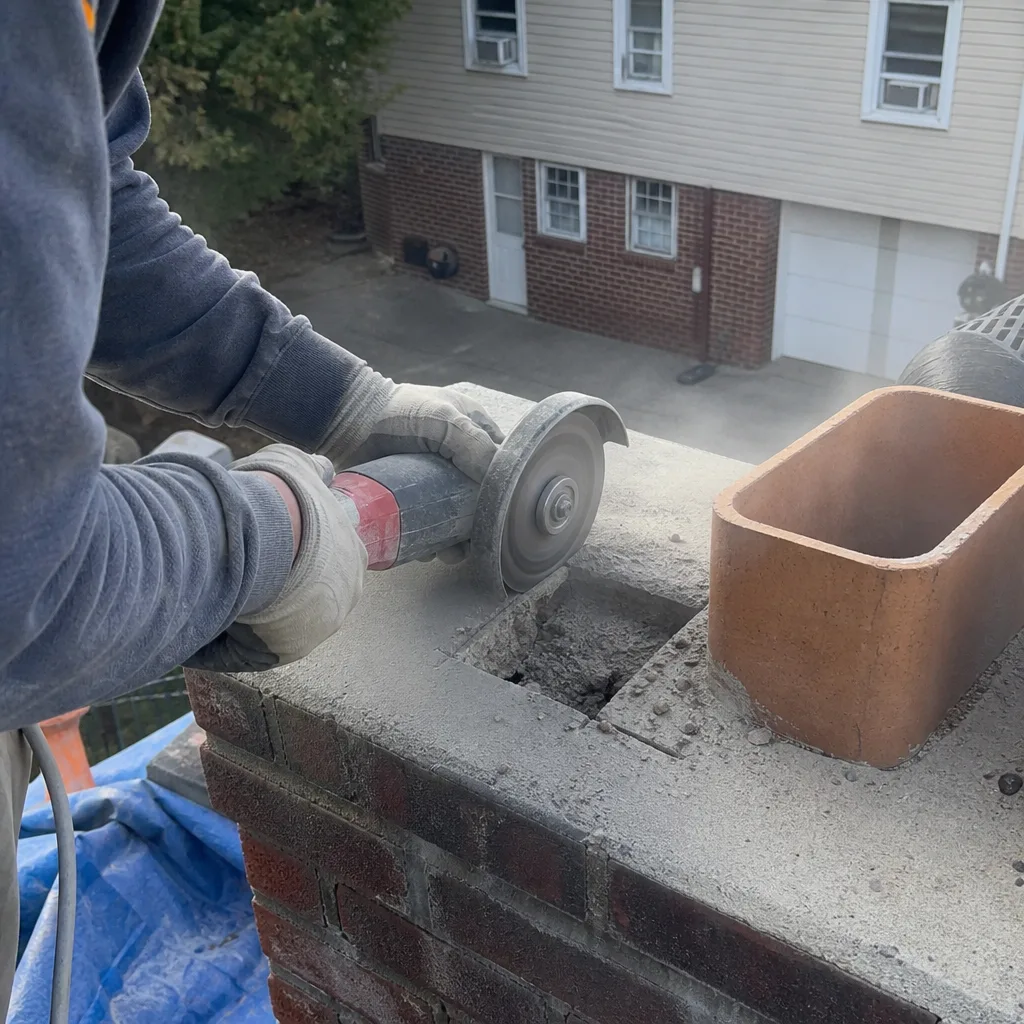
Flushing is a dense, competitive market for home services, and chimney work is no exception. Certain patterns show up here more than in suburban markets, and knowing them in advance will save you from hiring someone who shouldn’t be on your roof.
- Door-to-door seasonal solicitation. Every fall, teams move through Flushing neighborhoods offering “end of season” chimney cleanings at prices too low to be real. A legitimate chimney company doesn’t need to knock on doors; they’re booked weeks out during burning season. If someone knocks and offers a same-week discount, the business model is pressure, not service.
- “$49 special” entry pricing. The number changes but the tactic doesn’t. A company advertises a low flat rate to get in the door, then finds “dangerous” conditions that require immediate repair. Flushing’s older housing stock makes this an easy sell because many homes genuinely do have aging flue liners. The danger is real, but the pricing tactic is deliberate. Get the written estimate in hand before any repair conversation begins.
- Verbal-only price quotes. A contractor who won’t put the price in writing before starting is giving themselves permission to change it after finishing. In Flushing, where many homeowners are juggling renovation costs on older properties, that’s a predictable source of disputes. If it’s not written, it doesn’t exist.
- No license number on the ad or vehicle. Licensed chimney contractors in New York display their license information. If the truck has no markings, the advertisement has no license number, and the technician can’t produce credentials when asked, that’s a problem. Background-checked, uniformed technicians with license numbers on the page and a named tech assigned are standard at Level Two. It’s not a premium feature; it’s the baseline.
- Pressure to replace rather than repair. Flushing has plenty of old brick and masonry, and spalling (the flaking or crumbling of brick faces caused by water infiltration) is common. Some contractors jump straight to “full rebuild” when a crown repair would solve the problem. A camera scan tells the difference. If the recommendation doesn’t come with images showing the damage, ask why not.
- Charging separately for documentation. Some Flushing chimney companies treat photos and inspection reports as an add-on, anywhere from $50 to $150 extra. Under the Haven Standard, the documented photo record is included on every visit, not an optional upsell. You should not pay extra to see evidence of the work you’re already paying for.
If you encounter any of these patterns, walk away. There are plenty of qualified chimney contractors in Flushing, and the good ones don’t rely on entry pricing, door knocking, or verbal promises to fill their calendar.
Common Mistakes to Avoid
- Skipping the insurance check because the company “looks established.” Company longevity is not insurance. Request the certificate, verify the carrier, and don’t proceed without it. In Flushing’s attached housing, a contractor’s mistake can become your neighbor’s problem, and that’s how lawsuits start.
- Accepting a verbal price and then being surprised by the final bill. Verbal quotes are not contracts. If the price isn’t written and itemized before the work starts, you’ve agreed to whatever the final total becomes. Insist on written scope or don’t let the work begin.
- Hiring based on the lowest bid without comparing scope. Two Flushing chimney companies can quote $200 apart for what sounds like the same job, then deliver wildly different work. One sweeps the flue. The other sweeps the flue, runs a camera through the liner, documents the condition, and hands you a written report. The cheaper bid wasn’t cheaper; it was a smaller job.
- Assuming a chimney cleaning includes an inspection. Cleaning removes deposits. Inspection evaluates condition. They overlap, but one is a service and the other is a diagnostic. If a company says “we’ll take a look while we’re in there,” that’s not an inspection; that’s a glance. Ask for the Level 2 standard by name.
- Ignoring the cap and crown because “the chimney still draws fine.” A chimney that draws properly can still have a cracked crown letting water into the masonry. In Flushing, freeze-thaw cycles make this worse every winter. The camera inspection should cover the cap and crown, not just the flue.
- Believing a clean chimney doesn’t need attention because it hasn’t been used. Even unused chimneys deteriorate. Moisture, nesting animals, and temperature swings damage liners and masonry without any fire ever being lit. The only way to know the condition is to look, with a camera, on schedule.
- Buying a “certified sweep” without verifying the certification by number. Anyone can print the word “certified” on a truck. The CSIA directory and NFI directory are public, searchable, and free. Type in the number, confirm the name, and check the expiration date. If the contractor can’t give you a number, the certification is a sticker.
When to Call a Professional
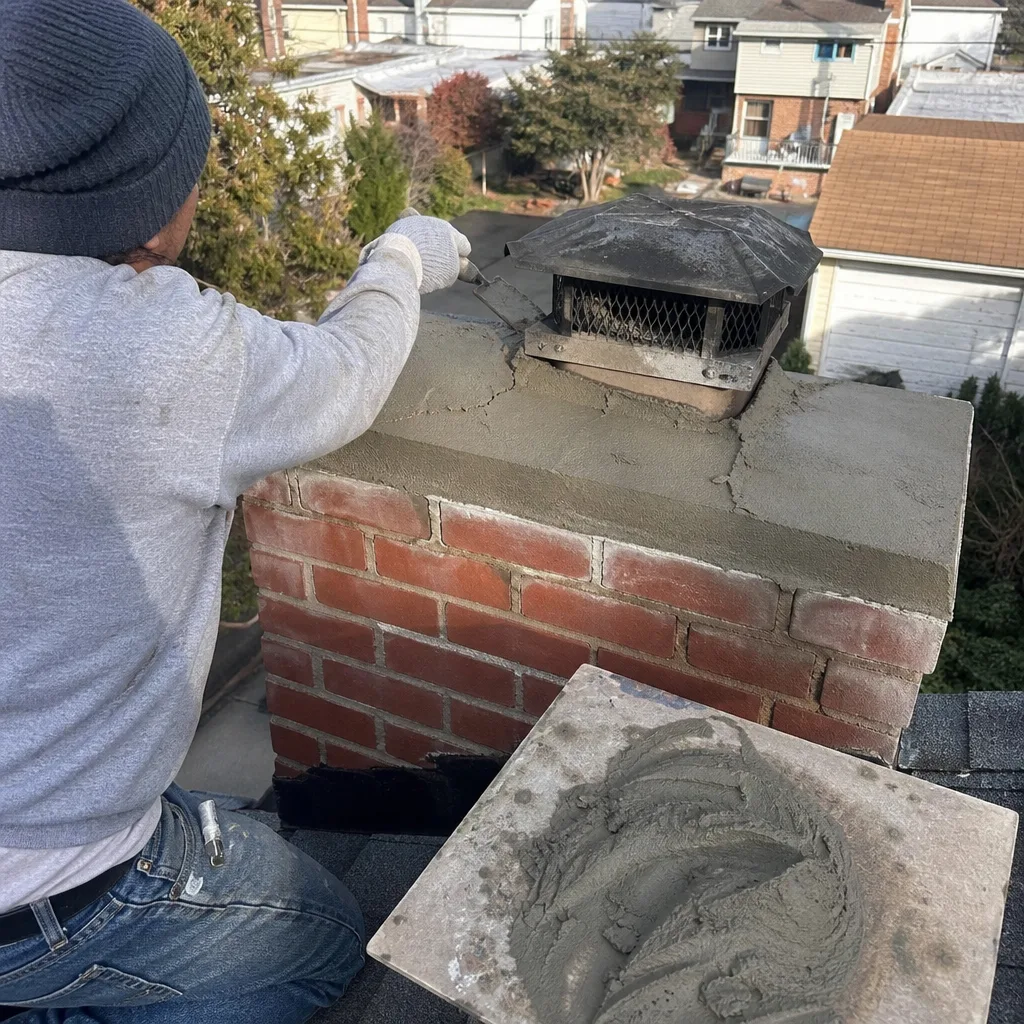
There are moments when a phone call is the right move, and not all of them are emergencies. Call a chimney professional when you buy a home and have no record of the last chimney inspection. Call when you switch from one fuel type to another, such as converting an oil furnace to gas, because the change affects flue sizing and clearance requirements. Call after any chimney fire, no matter how small, because the liner may be compromised even when the fire looked contained. Call when you smell smoke inside the house during normal operation, see white staining on the exterior brick (efflorescence, a sign of water intrusion), or notice pieces of flue tile in the firebox. And call before burning season starts, not after. The fall rush in Flushing means wait times, and a chimney that hasn’t been inspected since the previous winter is not one you want to push through another season, as our Seasonal Chimney Cleaning Care for Flushing: Year-Round Homeowner’s Guide explains. Level Two Chimney Flushing offers free estimates in Flushing, call (516) 240-9191.
If your issue involves the fireplace itself rather than the chimney system, see our Fireplace Services in Flushing page for what’s covered. For an overview of everything we do, start at the Level Two Chimney Flushing home page.
Frequently Asked Questions
A chimney cleaning in Flushing typically costs between $180 and $350 for a standard single-flue sweep with a Level 2 camera inspection, depending on roof height, flue condition, and whether the cap or crown needs attention. Companies advertising under $100 are usually selling an entry price that escalates once the technician recommends “urgent” repairs. A written estimate with line-item scope is the only way to know what you’re actually paying for. Call (516) 240-9191 for a free written estimate.
A visual check with a flashlight misses most of what actually matters: hairline cracks in clay liners, gaps in mortar joints, and glazed Class III creosote in the smoke chamber. A camera scan shows the full flue condition in real time and gives you a documented photo record you can keep. NFPA 211 Level 2 inspection, which includes video scanning, is the standard we apply to every job in Flushing, and the photo record is included, not sold as an add-on.
The National Fire Protection Association recommends an annual inspection and cleaning as needed, and that guidance fits Flushing’s climate well. Homes that burn wood through the winter build creosote quickly, and coastal humidity can accelerate deterioration in masonry. If you burn more than two cords of wood per season or notice any smell, draft issue, or white staining on the brick, schedule a cleaning sooner. The marginal cost of an annual sweep is small compared to a liner replacement.
Creosote builds up in the flue, and when it ignites, it burns at temperatures hot enough to crack clay liners and spread fire to the surrounding structure. Even if no chimney fire occurs, built-up creosote restricts airflow, which sends smoke and carbon monoxide back into the living space. In Flushing’s attached housing, a chimney fire in one unit can affect the entire building. The risk accumulates quietly and then expresses itself suddenly.
Not necessarily. A liner that’s coated with creosote but structurally intact may only need a thorough cleaning, not replacement. The camera scan tells the difference. If the liner is cracked, spalling, or separated at the joints, replacement or resurfacing becomes a real discussion, and the materials matter for Flushing’s climate. We use DuraFlex, HeatShield, and similar products with proven long-term performance in Northeast conditions, and we’ll show you the images that justify any recommendation before you spend a dollar.
A chimney sweep removes built-up creosote and soot from the flue and smoke chamber. A chimney inspection evaluates the condition of the entire system: the liner, smoke chamber, cap, crown, and masonry. A proper Level 2 inspection includes a camera scan and produces a written report with photos. Many companies in the Flushing market sell a cleaning and call it an inspection, which is why we recommend asking the camera question before booking anyone.
The Bottom Line
Hiring a chimney cleaning contractor in Flushing comes down to evidence. Request the four documents: insurance, certification number, sample estimate, and sample inspection report. Demand a camera scan with written photo documentation, not a flashlight look. Read reviews for descriptions of process, not personality. Compare written estimates line by line and verify warranty language before signing. Walk away from door-to-door offers, “$49 specials,” and verbal-only quotes. The right contractor in Flushing is one who shows you the condition of your chimney in plain terms, prices the work in writing before starting, and backs it with a documented warranty.
Written by Corrine Halstead, Owner at Level Two Chimney Flushing, serving Flushing since 2009.