
Last updated September 20, 2026
Level 1 sweep and inspection to the NFPA 211 annual standard - flue, crown, cap, and flashing checked and photographed
Chimney sweep logs do not sweep chimneys. They loosen some creosote - which then falls where a brush and vacuum still have to collect it.
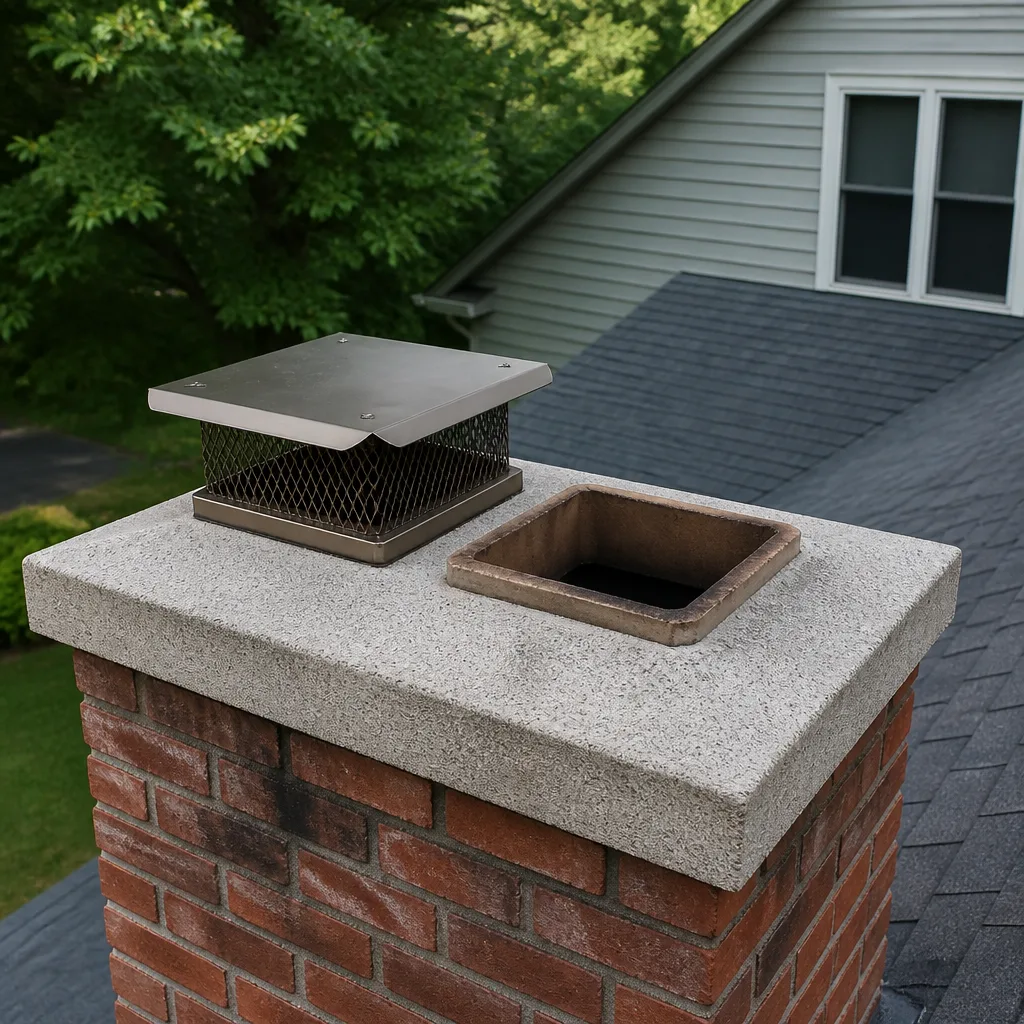
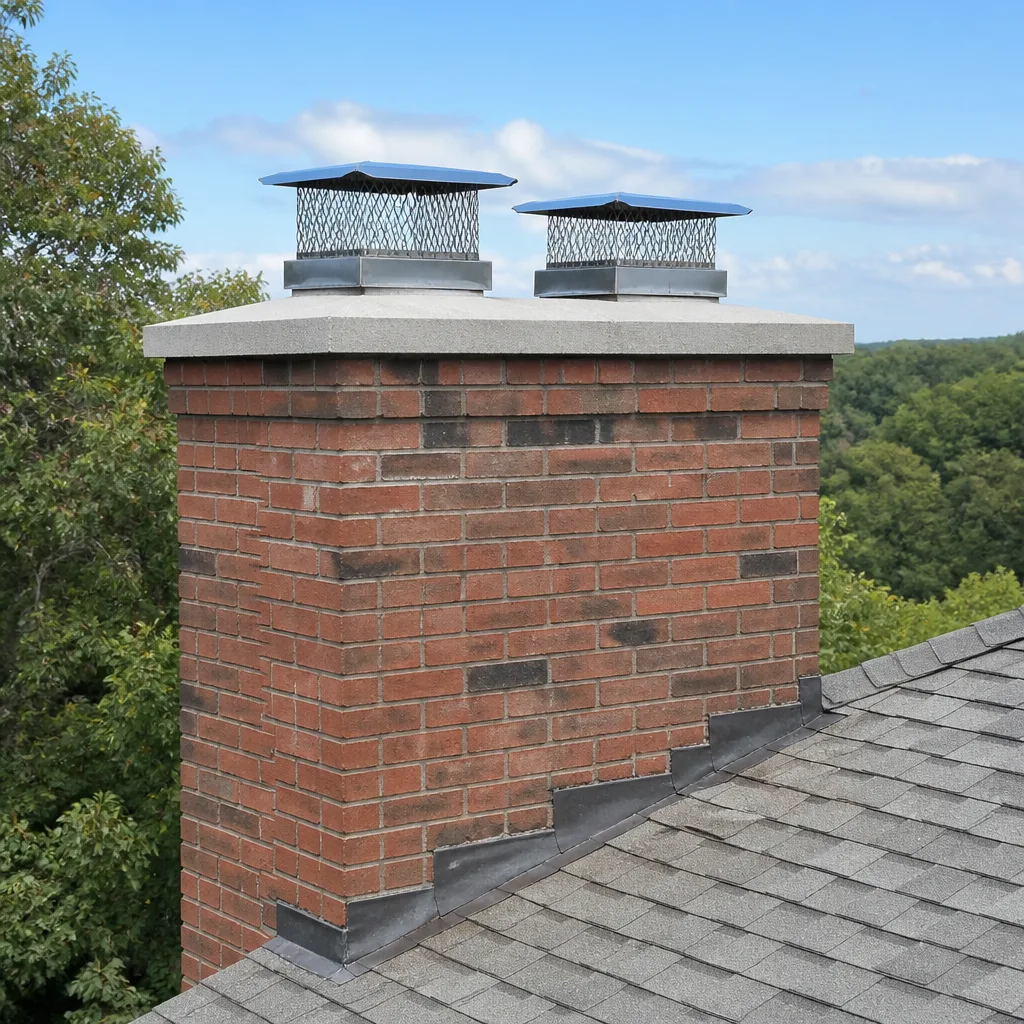
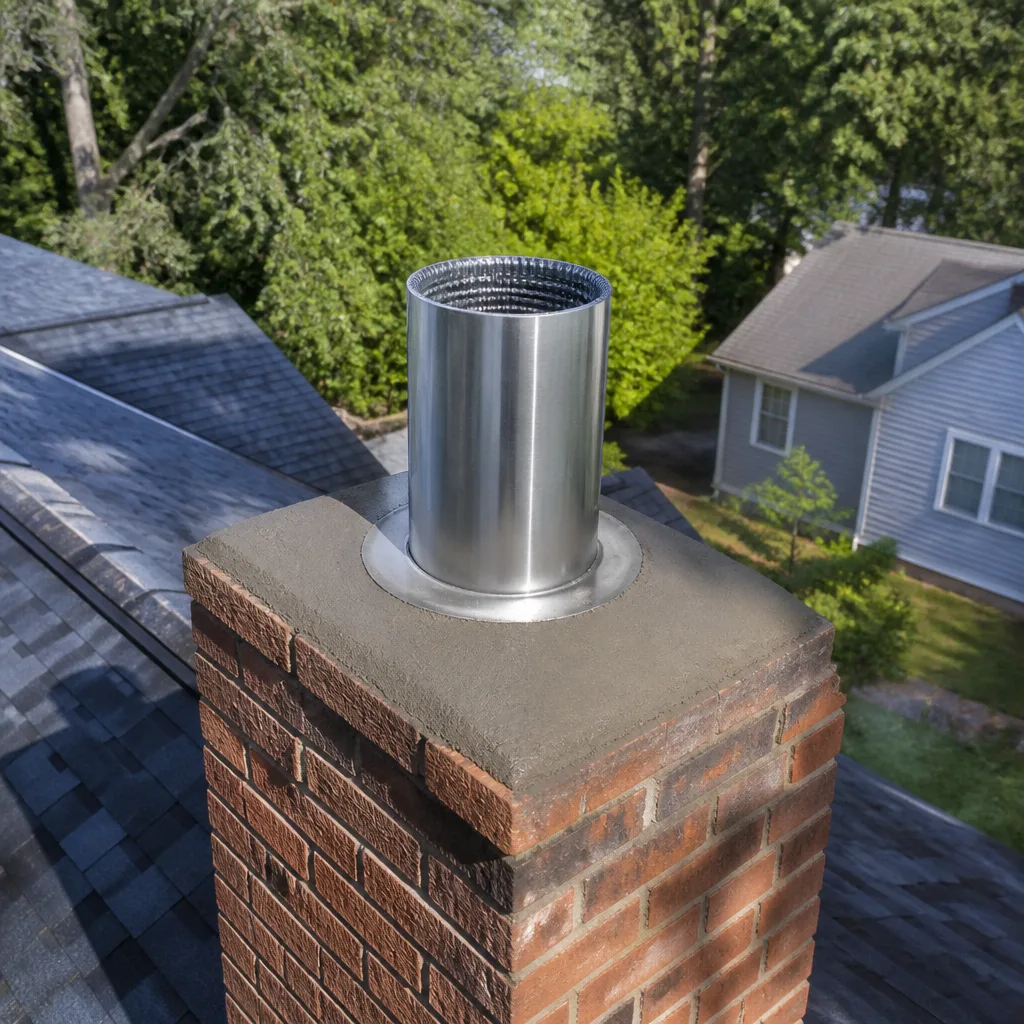
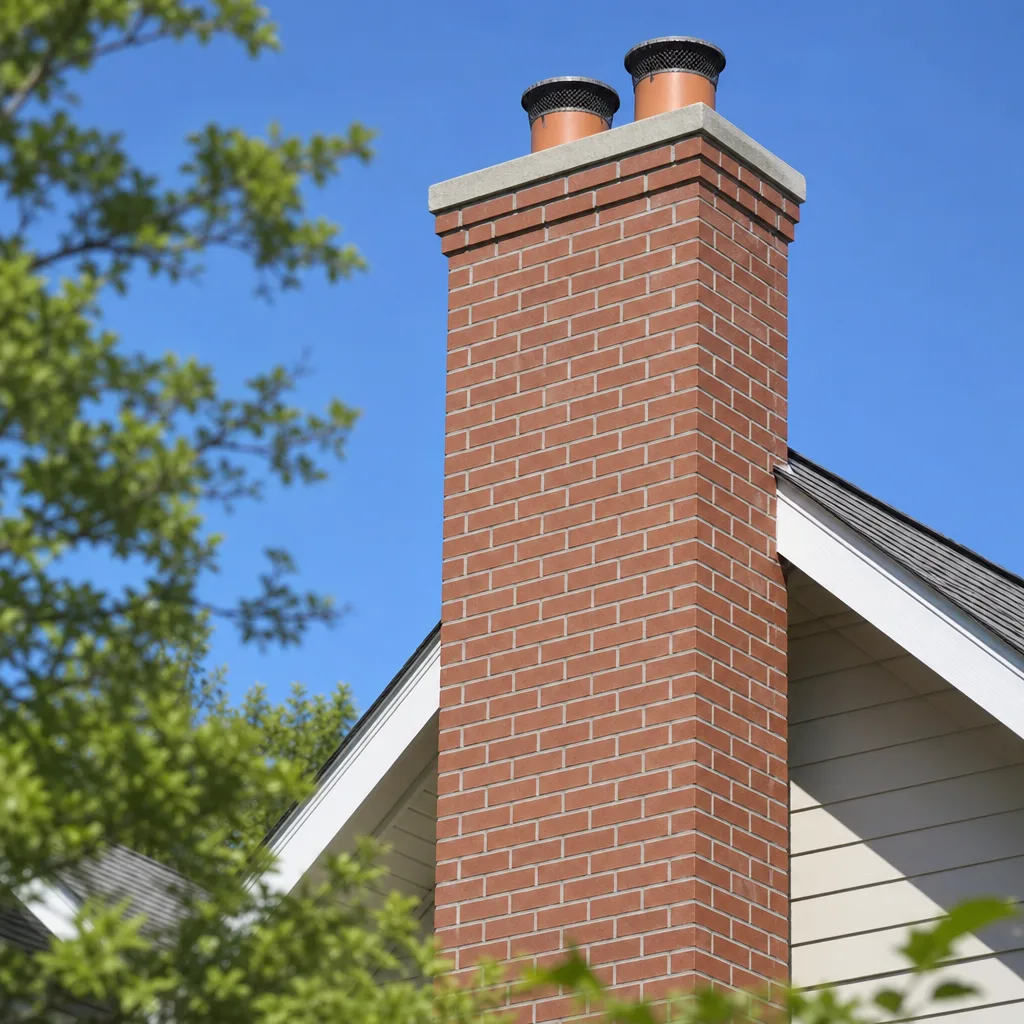
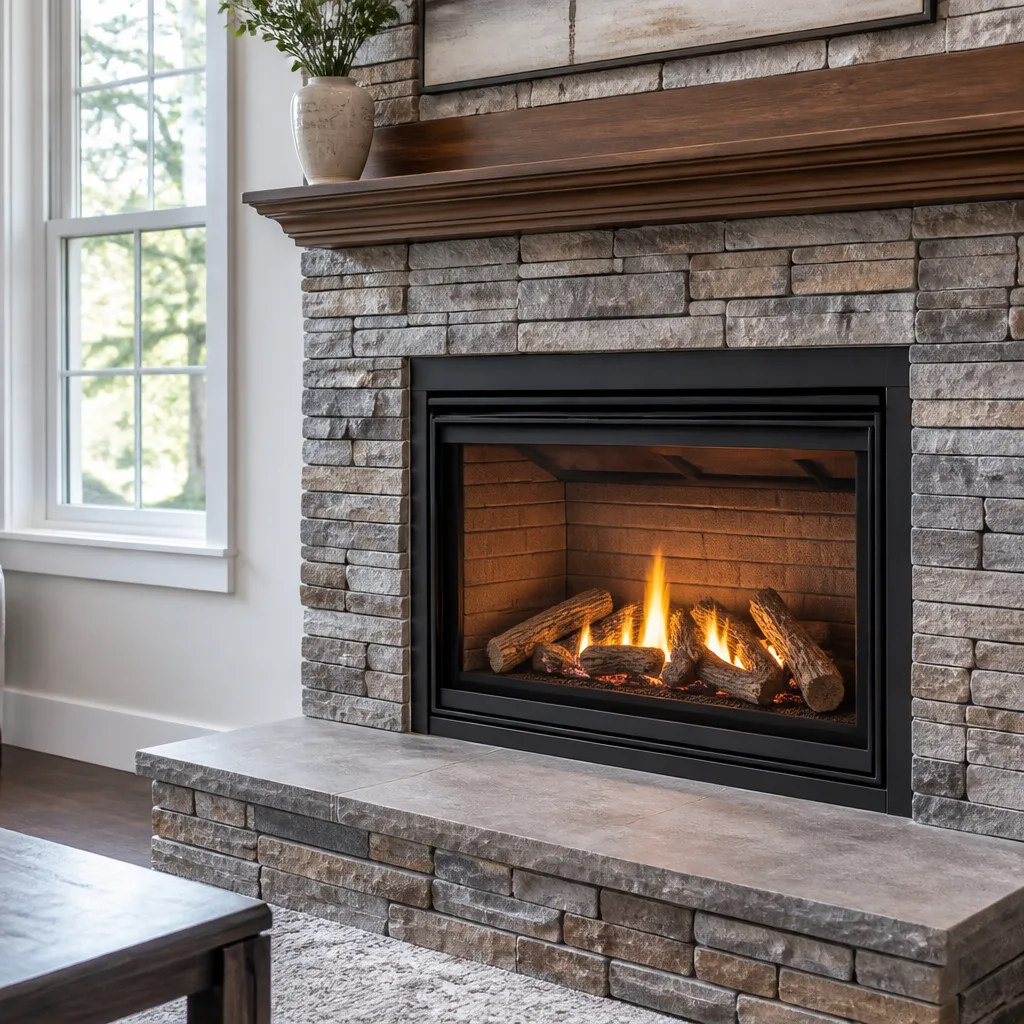
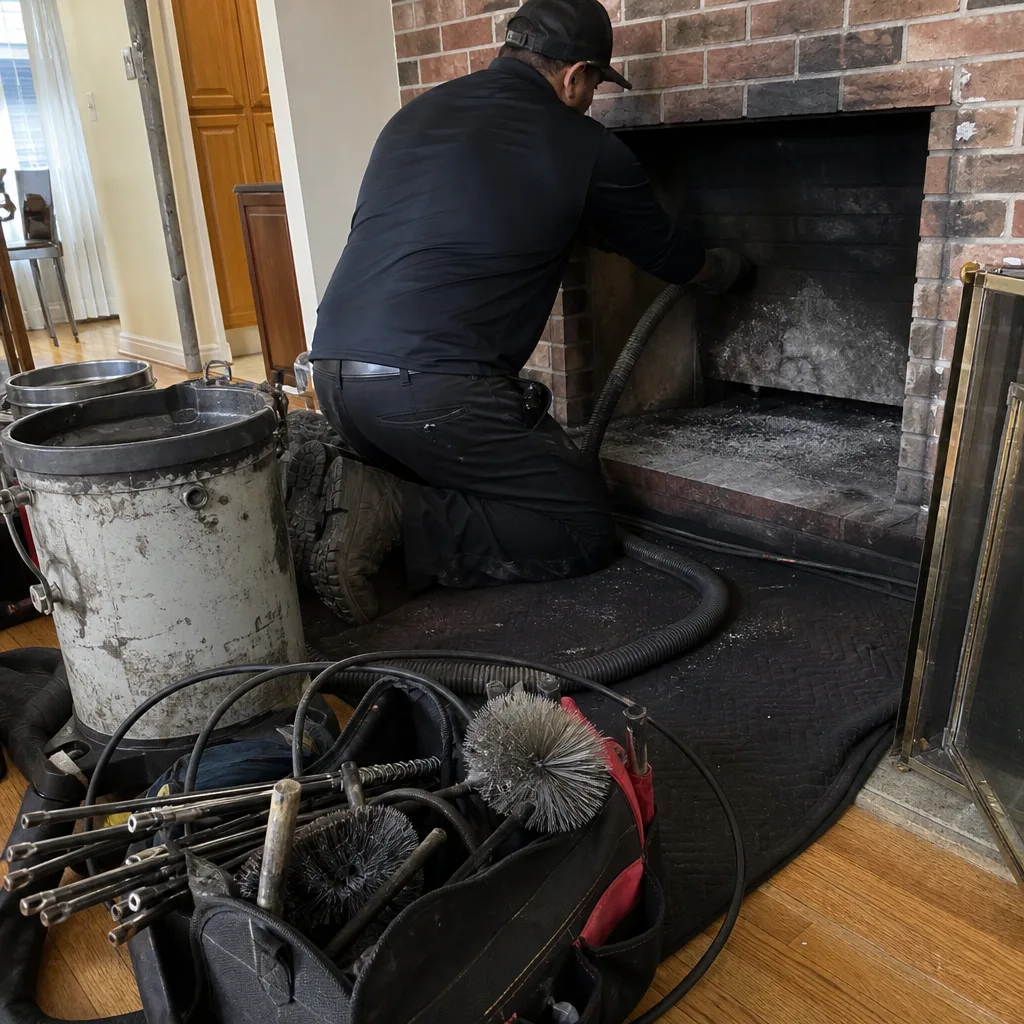 Before
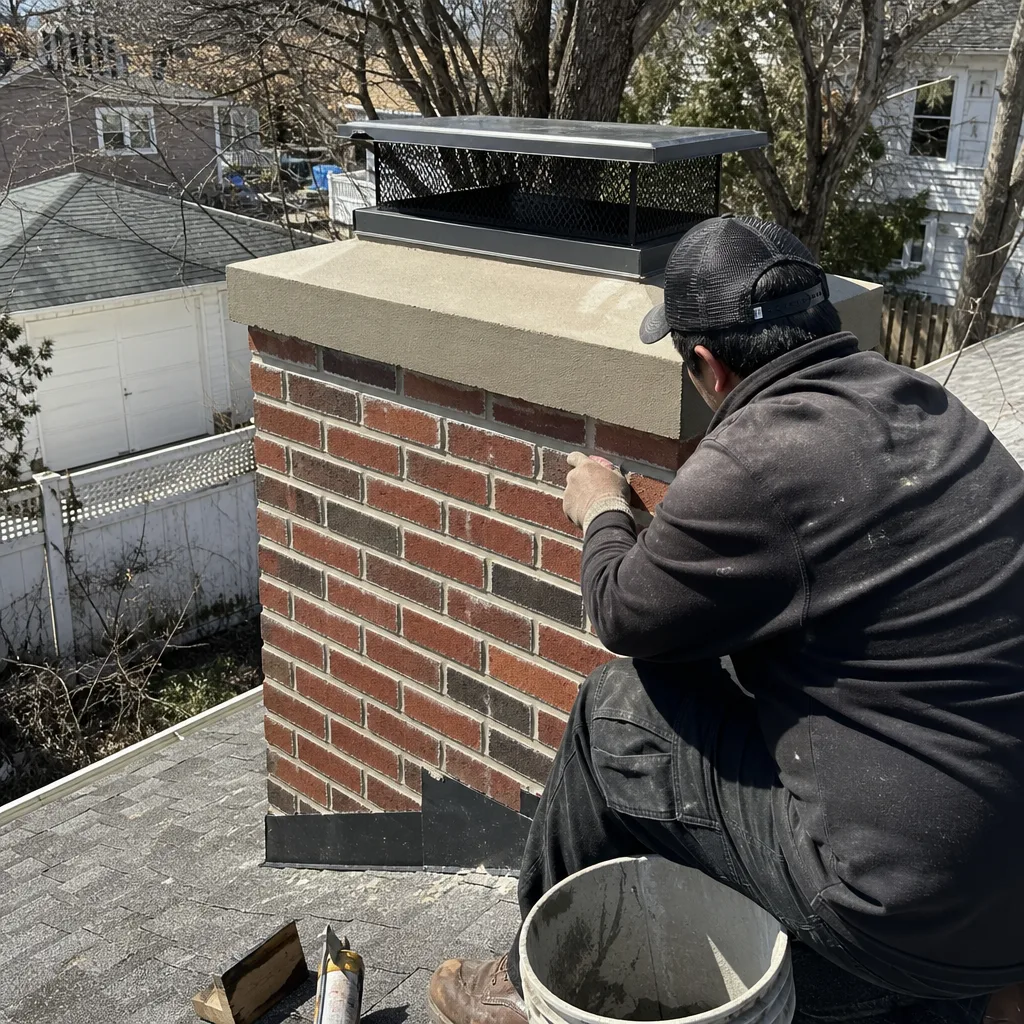 After
After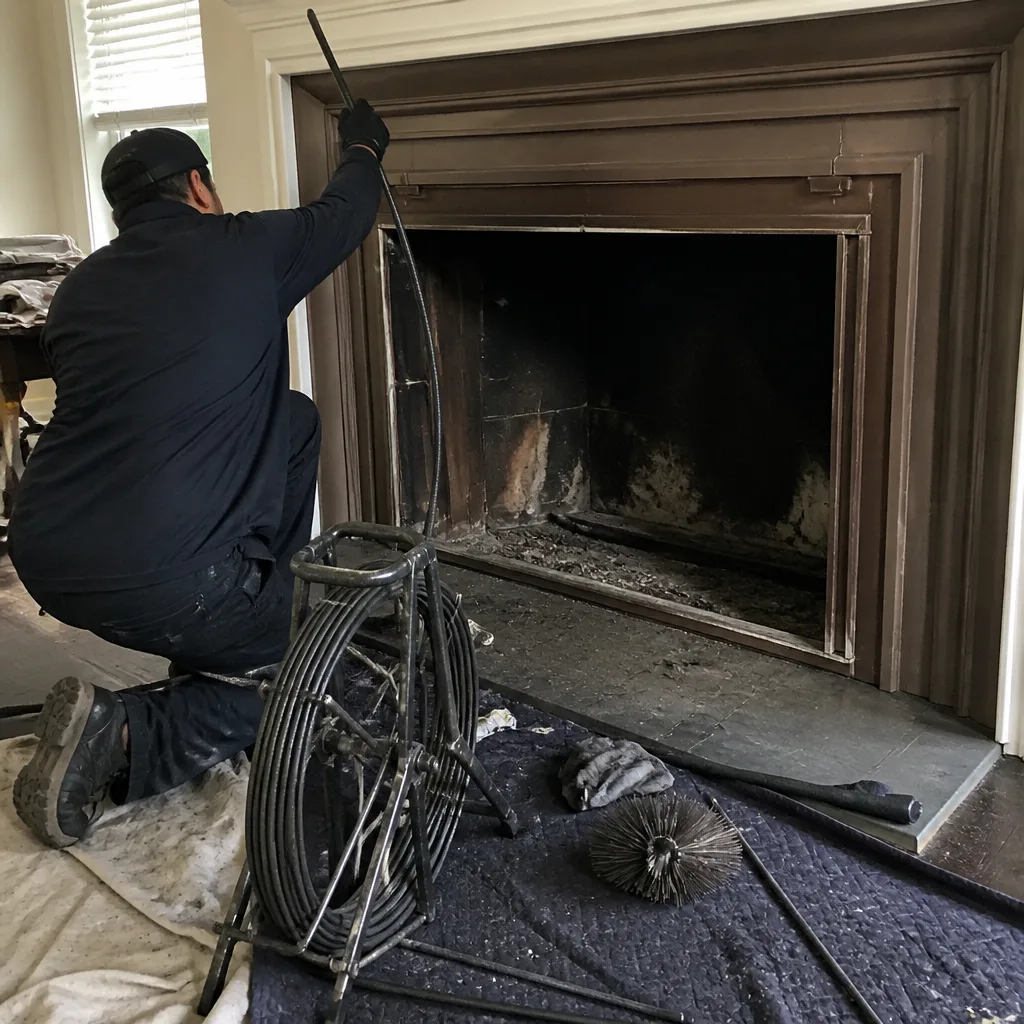 Before
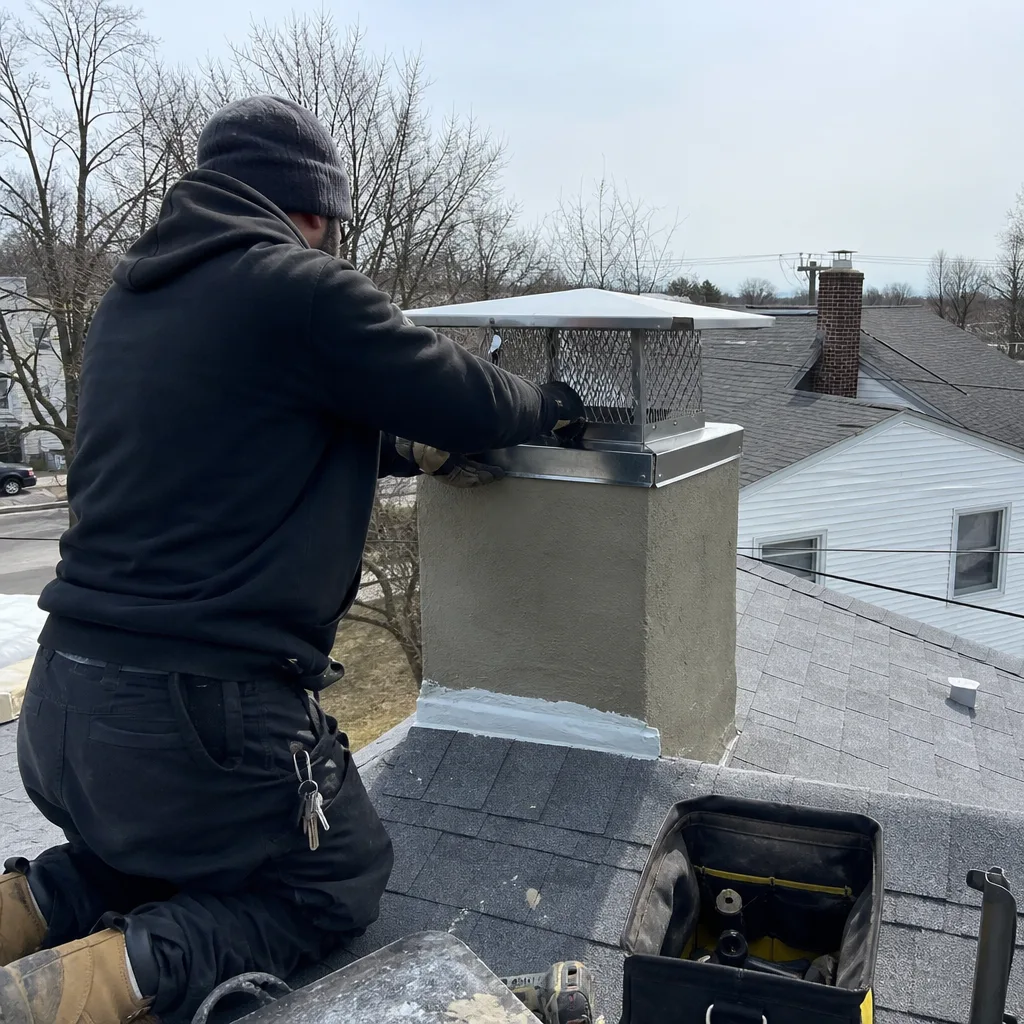 After
After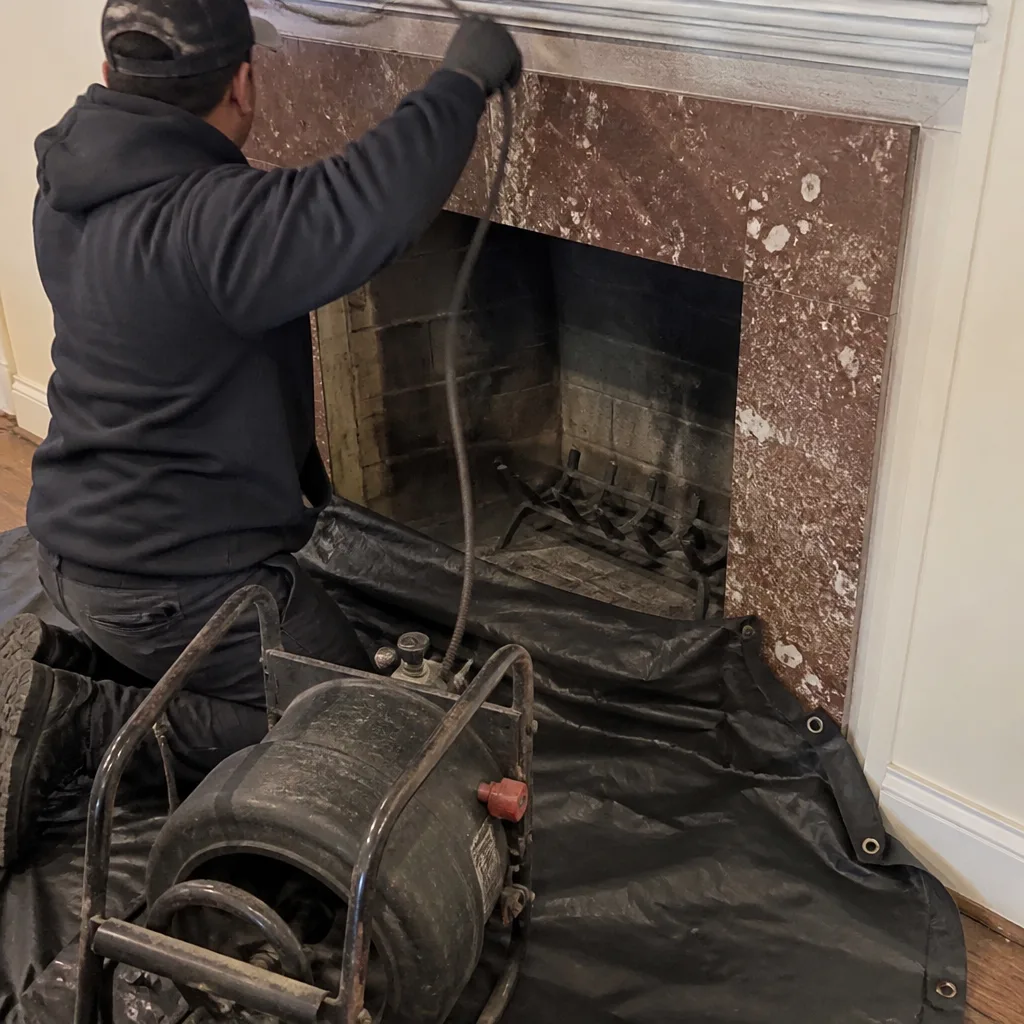 Before
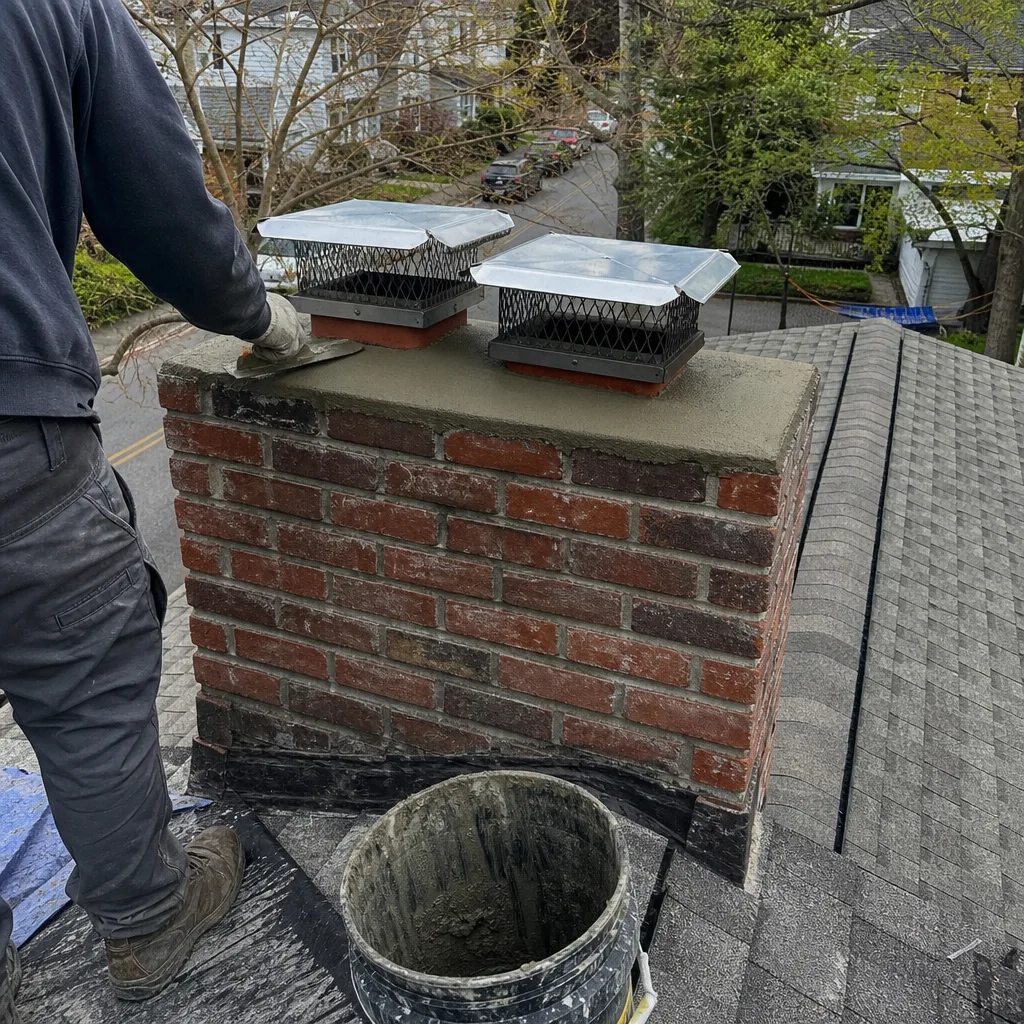 After
AfterSeasonal Chimney Cleaning Care for Flushing: Year-Round Homeowner’s Guide
Most Flushing homeowners schedule their chimney cleaning in October, right before the first fire of the season. It feels responsible. It’s also the second-worst time to do it: sweeps are booked three weeks out, your liner may still be warm from a summer of gas-appliance exhaust, and any crown damage from March freeze-thaw has had six months to quietly widen before anyone puts eyes on it. This guide lays out the four real risk windows Flushing’s climate creates, the month-by-month calendar that works with them, and how timing service to the right window cuts your total maintenance cost over five years. For related reading, see our Chimney Cleaning Cost Breakdown: The Flushing Homeowner’s Reference for 2026.
Quick Answer
Flushing chimneys face four distinct seasonal risk windows: winter creosote loading, spring freeze-thaw crown damage, summer humidity and condensation corrosion, and fall debris blockage. The optimal camera inspection window is February through March, when the flue shows measurable winter deposits but repair crews aren’t yet booked. Most homes in Flushing need one professional sweep annually, but the timing of that sweep matters more for long-term cost than the fact of it.
Table of Contents
- The Four Risk Windows: A Month-by-Month Calendar for Flushing Chimneys
- Why October Is the Wrong Default (and What It Costs You)
- Why Late Winter Is the Optimal Camera Inspection Window
- Gas Appliance Chimneys in Flushing Co-ops and Attached Homes: The Summer Inspection Case
- Homeowner-Checkable vs. Sweep-Required: Staging Tasks Without Four Service Calls
- April Crown Repair vs. October Firebox Damage: The Cost Difference
- What a Proper Seasonal Inspection Looks Like in Flushing
- Common Mistakes to Avoid
- When to Call a Professional
- Frequently Asked Questions
- The Bottom Line
BeforeAfterThe Four Risk Windows: A Month-by-Month Calendar for Flushing Chimneys
Flushing’s climate is a chimney stress test. We get freeze-thaw cycles from November through March, humidity that parks over Queens from June through September, and enough tree cover in neighborhoods like Auburndale and Murray Hill that fall debris is a genuine structural problem, not a cosmetic one. Here’s what each season actually does to your chimney, month by month.
December - February: Winter Burn Season and Creosote Loading
This is the period when wood-burning fireplaces in Flushing do their heaviest work. Every cord of wood burned leaves creosote behind in the flue liner. Creosote is not one substance; it’s a graded scale. Class I is a light sooty film. Class II is granular flakes. Class III is a hard, glossy tar glaze that becomes a fuel source for chimney fires. In our experience, Flushing homes burning a mix of seasoned oak and convenience-store firewood typically reach Class II by late January. Homes burning unseasoned wood or burning daily reach Class III. The deposit isn’t just a fire risk; it’s a measurement. A late-winter camera scan shows us exactly what the season deposited, which tells us whether next winter needs a mid-season sweep or an annual one.
March - April: Freeze-Thaw and Crown Fracturing
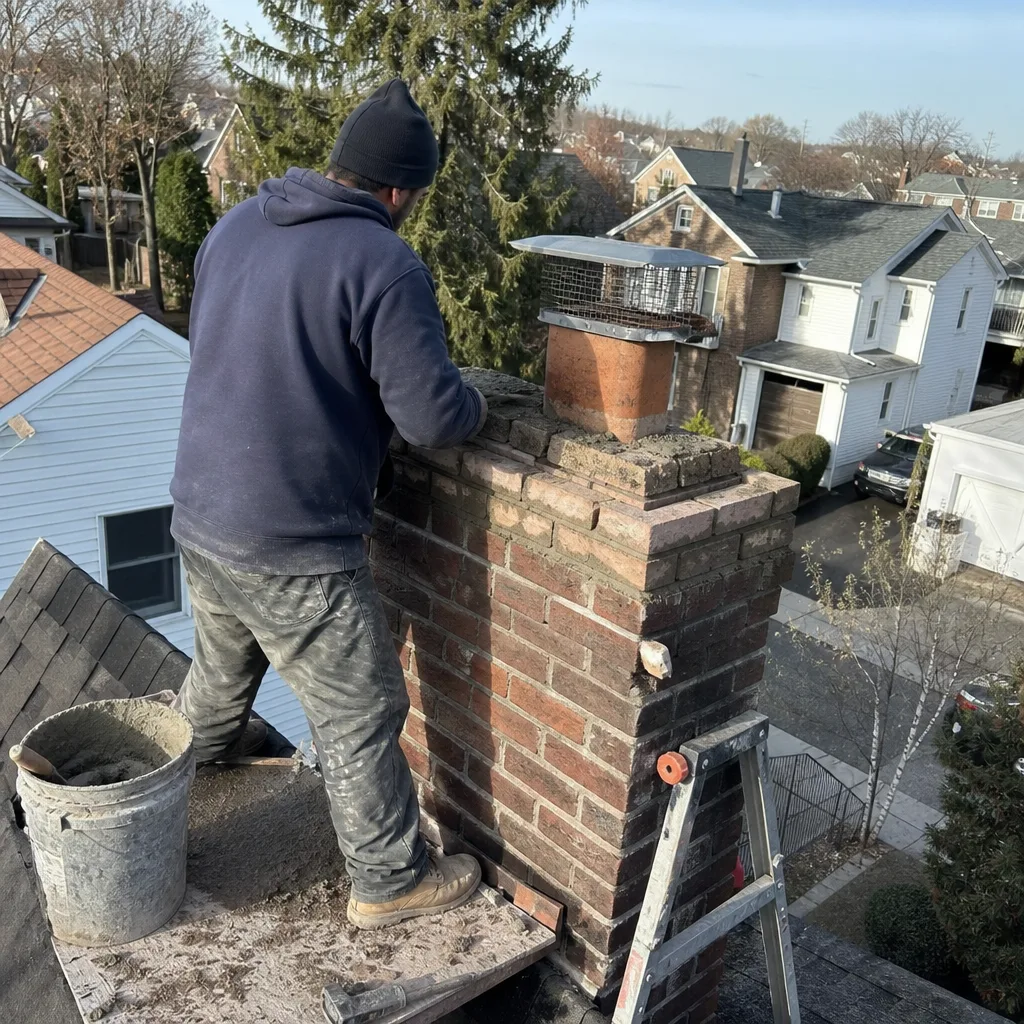
This is the window most Flushing homeowners never think about, and it’s the one that costs them real money. Water gets into the small pores of your chimney crown, the concrete cap at the top of the chimney, during the day. At night, when Queens drops below freezing, that water expands by about 9%. Over a single March with 20+ freeze-thaw cycles, small cracks become channels. By April, what was a hairline crown fissure is now a water highway into the chimney’s mortar joints. The fix in April is crown sealing and minor repointing, often under $1,000 depending on access. The same problem ignored until October becomes spalling brick, rusted dampers, and sometimes firebox damage, because the water had six months to migrate downward. Flushing’s March is consistently wet; our freeze-thaw cycles in 2024 numbered over two dozen.
June - August: Humidity and Condensation Corrosion on Gas Flues
Flushing has thousands of co-ops and attached homes where the fireplace is decorative and the chimney vents a gas appliance. These flues don’t get creosote, so homeowners assume they don’t need seasonal attention. They need it more, just differently. Gas exhaust is mostly water vapor and carbon dioxide. When that vapor hits a cool flue liner, it condenses. Over a Flushing summer, with 70%+ humidity and the flue cool between AC cycles, that condensation sits against the liner and the mortar joints. The result is what we call acidic condensate attack: the mortar softens, the liner develops etching, and the chimney starts pulling moisture inward toward interior walls. On camera, it looks like white efflorescence streaks and darkened joint lines. This is the one seasonal risk that is nearly invisible from outside, and it’s the reason Flushing co-op boards should schedule summer inspections; see our Chimney Cleaning Permits, Codes & Inspections in NY: What You Need to Know for compliance details, not fall ones.
September - October: Debris Loading and Cap Blockage
By mid-September, the oak and maple canopies over much of northern Flushing have done their annual drop. Leaves, twigs, and wind-driven debris collect on chimney caps and inside flues without proper caps. Squirrels and birds nest in open flues all summer, and by fall the nests are dry and block the flue entirely. A blocked flue at first fire sends smoke back into the house, which is not just unpleasant; it’s carbon monoxide risk. The September task is cap inspection and debris clearing. It’s a 20-minute job for a sweep with a ladder; it’s a dangerous first-fire surprise for a homeowner who skipped it.
Why October Is the Wrong Default (and What It Costs You)
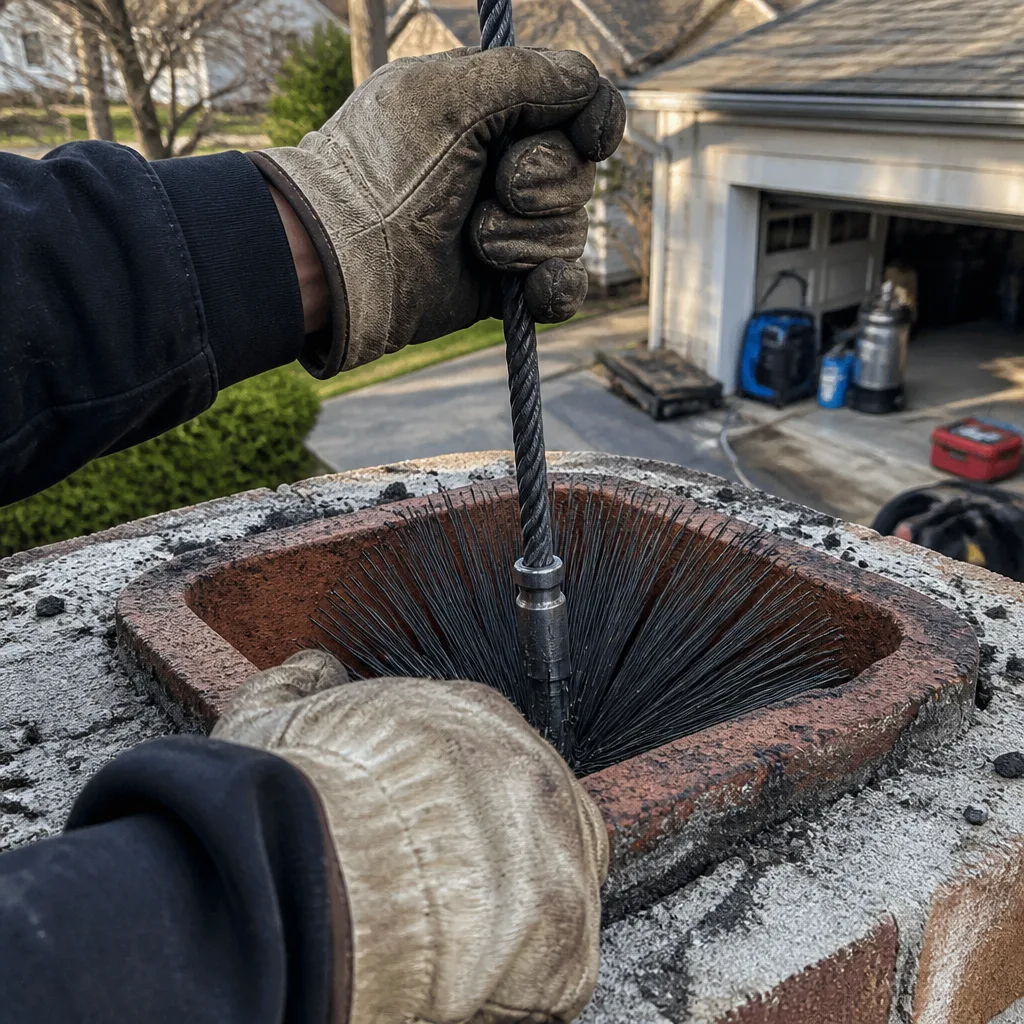
The October sweep has become a cultural ritual in Flushing, but it’s a ritual built for a different climate and a different housing stock. Here’s what actually happens when you book in October.
First, you’re competing with every other homeowner in northeast Queens who just felt the first cold snap. Sweeps are booked two to four weeks out. That’s not a minor delay; it’s four weeks where a blocked or damaged flue sits ready to fail at first burn.
Second, your flue may not be ready for an accurate reading. If the chimney also vents a gas water heater, the liner has been warm all summer. Warm liners hold creosote differently; the deposits are softer and less representative of what winter actually left. A February inspection sees the full winter deposit in its final state.
Third, and most important: October is the worst time to discover spring damage. By the time a sweep sees the crown fracture in October, the damage from March has already migrated through the mortar joints and into the firebox. You’re not catching it early; you’re documenting it late. The repair bill at that point is often triple what it would have been in April.
None of this means October sweeps are worthless. If you haven’t had your chimney serviced in years, October service is better than no service. But the homeowner who wants to control costs over time should default to a late-winter inspection and use October only as a pre-season check of the cap and damper.
For a full breakdown of what a proper chimney sweep in Flushing involves, see our Chimney Cleaning & Sweep in Flushing page.
Why Late Winter Is the Optimal Camera Inspection Window
Between February and mid-March, the Flushing chimney is in its most information-rich state. The burn season has deposited whatever creosote it’s going to deposit. The freeze-thaw cycle has done whatever micro-damage it’s going to do. And the repair season hasn’t started yet, which means sweep availability is high and you can book within days, not weeks.
A late-winter camera inspection at this point tells you four things at once, including the condition of the flue liner after a full season of use, the creosote level class, any crown or mortar damage from winter freeze-thaw, and whether the gas flue shows early condensate etching. No other single window gives you all four readings at once.
Clause 4 of the Haven Standard requires a photo record on every job, which matters most at this time of year. You get a written photo report showing exactly what the camera saw: deposit levels, liner condition, crown state. That record becomes your baseline for next winter. If next February’s scan shows more creosote, you know your burn habits changed. If it shows the same, you know your annual rhythm is working. It’s not a personality test; it’s a measurement.
This is also the window when we typically have the most flexibility for Flushing appointments. The post-holiday lull means shorter lead times, and it’s easier to schedule around a work day. If you want the cheapest possible inspection with the fullest possible data, late February through mid-March is your window.
Gas Appliance Chimneys in Flushing Co-ops and Attached Homes: The Summer Inspection Case
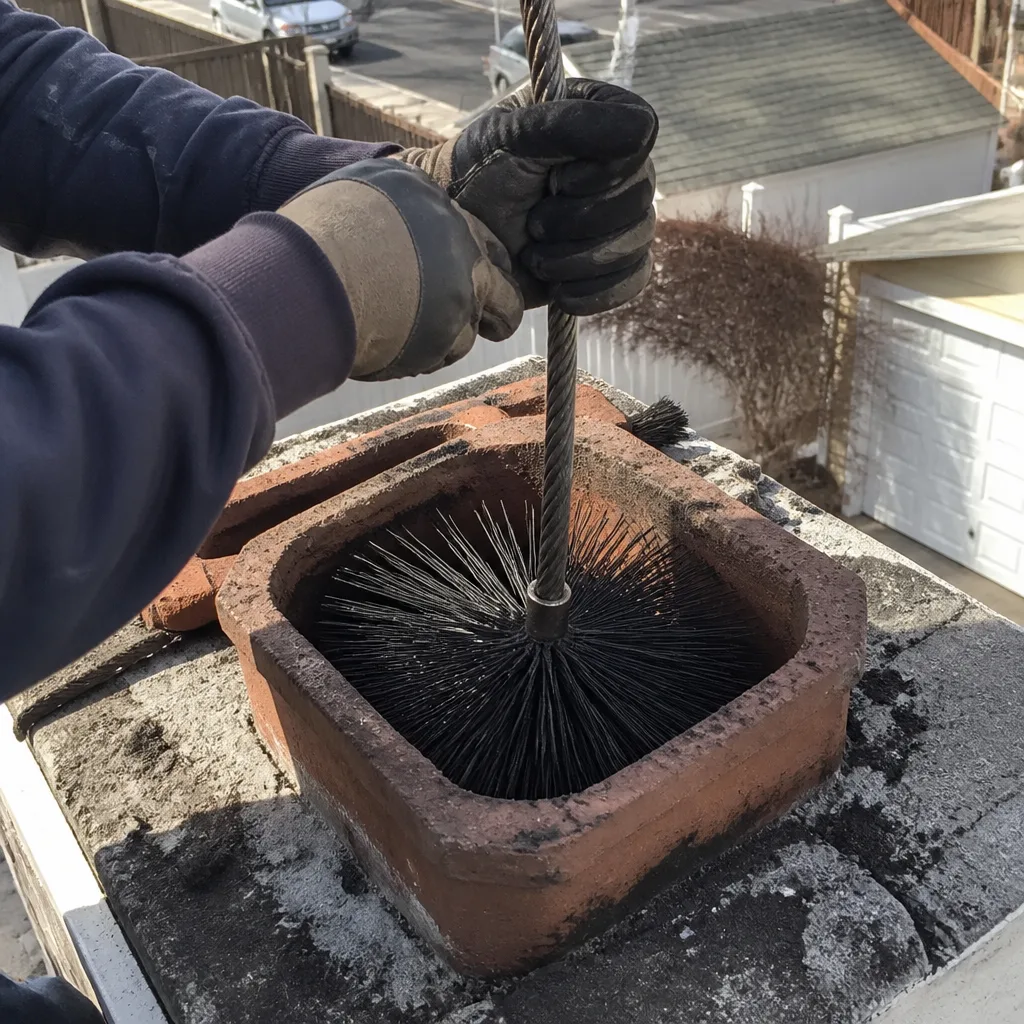
If your Flushing home or co-op unit vents a gas boiler or water heater through the chimney, your seasonal rhythm should be inverted. Summer is your inspection season, and here’s why the physics matters.
Gas exhaust contains water vapor as a byproduct of combustion. When the flue is cold, that vapor condenses on the liner. Over a Flushing summer, with humidity in the 70-80% range, the flue never fully dries. The condensate is mildly acidic, which means it slowly etches terra cotta liners and softens mortar joints. Over multiple summers, the liner develops scoring and the mortar begins to crumble. The damage shows up on camera as white streaks (efflorescence) and dark vertical lines along joint seams.
If you inspect in October, you see a flue that has been warm and dry for a few weeks; the condensation pattern is less visible and the etch measurement is less accurate. Summer inspection catches the flue at its worst moment, which is exactly when you want to document it.
Flushing co-ops and attached row houses in areas like Broadway-Flushing and Kissena Park have a particular challenge: metal flue liners venting modern high-efficiency appliances. These appliances run cooler, which means more condensation, which means more liner etching. If your co-op board hasn’t done a summer camera inspection in the last two years, it’s worth raising at the next meeting. The cost of a summer camera scan is a fraction of the cost of a liner replacement that could have been caught earlier.
We stock liner materials from DuraFlex, which matters because the right alloy choice for a high-efficiency gas flue is not the same as the right alloy for a wood-burning flue. An inspection that names the alloy and the measured wall thickness is an inspection you can trust.
Homeowner-Checkable vs. Sweep-Required: Staging Tasks Without Four Service Calls
Not every seasonal task requires a sweep, and paying for four service calls a year is how homeowners burn maintenance budgets. Here’s how to stage the work between what you can check yourself and what needs a professional with a camera and a ladder; our Chimney Cleaning & Sweep Maintenance Checklist for Flushing Homeowners breaks this down step by step.
Homeowner-Checkable Items (Monthly, 5 Minutes)
- Visual cap check from the ground: Look for missing cap, visible nest material, or a lean. If you can see daylight through a crack in the cap, call for service.
- Damper operation: Open and close your damper once a month. If it sticks, don’t force it; a stuck damper can mean rust from water entry.
- Interior wall check around the firebox: Look for new staining, bubbling paint, or a musty smell. These are water entry indicators.
- Debris in the firebox: Check for fallen debris after storms. Debris in the firebox means debris in the flue.
Sweep-Required Items (Annually, Timed to the Right Window)
- Camera inspection of the full flue: This is the core seasonal event. Late winter for wood burners, summer for gas-only flues.
- Mechanical creosote removal: If the camera shows Class II or higher, mechanical removal is needed. This isn’t a brush job; it’s a rotary cleaning.
- Crown sealing and repointing: Spring work. The crown is the chimney’s roof; if it’s cracked, everything below suffers.
- Cap replacement or installation: Fall work before leaf drop peaks. A proper cap pays for itself the first time it blocks a nest.
Run this rhythm and you’re booking two service visits in most years: one inspection window (late winter or summer) and one repair visit if the inspection finds something. Not four. Not eight.
April Crown Repair vs. October Firebox Damage: The Cost Difference
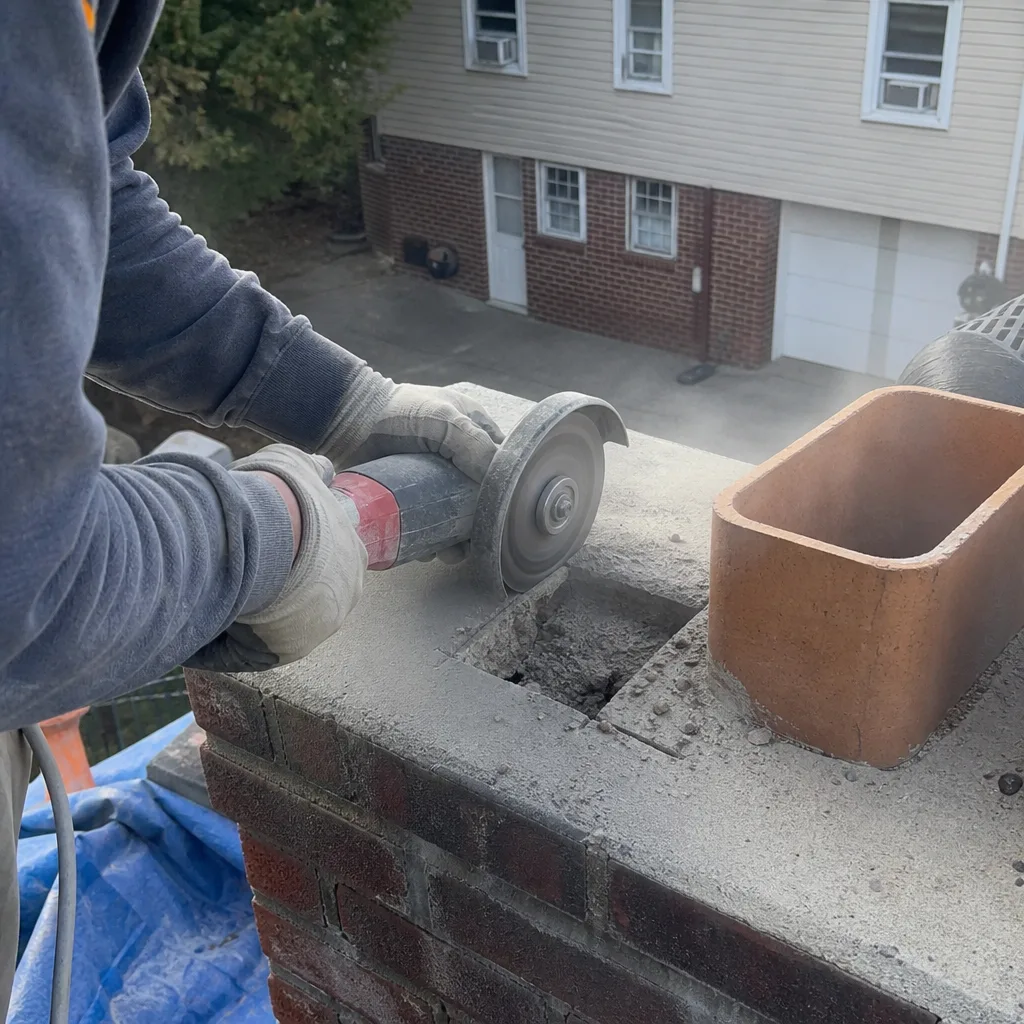
Let’s put real numbers on the timing decision, because this is where Flushing homeowners either save thousands or pay thousands.
A crown crack caught in April is typically a same-day repair. The work is crown sealing, possible minor repointing, and a water-repellent treatment. In the Flushing market, that job typically runs $450-$900 depending on roof access and crown size. The chimney is dry before the summer humidity arrives, and the repair lasts five to seven years with normal wear.
The same crack ignored until October has had six months of rain, humidity, and condensation working through it. By October, water has migrated from the crown into the brick joints, possibly into the smoke chamber, and in the worst cases into the firebox itself. The October repair involves crown rebuilding, significant repointing, possible damper replacement, and sometimes firebox panel repair. That job in Flushing typically runs $1,800-$4,000. In the worst cases we’ve seen, water damage reached the surrounding framing and the repair became a partial chimney rebuild.
The logic is simple: a $700 April repair avoids a $3,000 October repair. The damage curve is not linear. Water entry compounds. Every month it moves deeper, the repair radius grows, and the bill follows.
This is why we tell Flushing homeowners to think of chimney maintenance as two annual events, not one: the late-winter inspection finds the damage, and the spring repair fixes it before the damage window opens. For a deeper dive on the kinds of repairs that come out of these inspections, see Chimney Repair in Flushing.
What a Proper Seasonal Inspection Looks Like in Flushing
You should know exactly what you’re paying for when you book a seasonal inspection, and in Flushing specifically, the standard varies widely from company to company. Some companies still do what we call the flashlight lean: a tech shines a flashlight up the flue, says it looks fine, and charges a service fee. That’s not an inspection. That’s a look.
A proper seasonal inspection at a minimum includes:
- Camera scan of the full flue length, top to bottom: The camera sees what the flashlight can’t: hidden creosote glaze, liner cracks, joint separation, and nesting material. The image is recorded, not just observed.
- Written condition report with photo documentation: The photos are yours to keep. Under Clause 4 of the Haven Standard, a photo record on every job has been our standard since 2009.
- Named measurements: Creosote class (I, II, III), liner condition, crack location, crown integrity. Not vibes, not feelings; measurements.
- Written price for any needed repairs: The price comes on paper before any work starts, not after the tech has already lit the work light. Haven Standard Clause 1 requires a written price, written scope, and written warranty delivered before anyone starts.
If your current sweep company can’t show you a camera image of your own flue, you’re not getting an inspection. You’re getting a story. In Flushing’s market, where housing stock ranges from 1920s Tudors to 2000s attached units, the variance in chimney condition is enormous. The only way to know your chimney’s condition is to see it.
Our Level Two Chimney Flushing home page has more on how our inspection standard works and what the Haven Standard covers.
Common Mistakes to Avoid
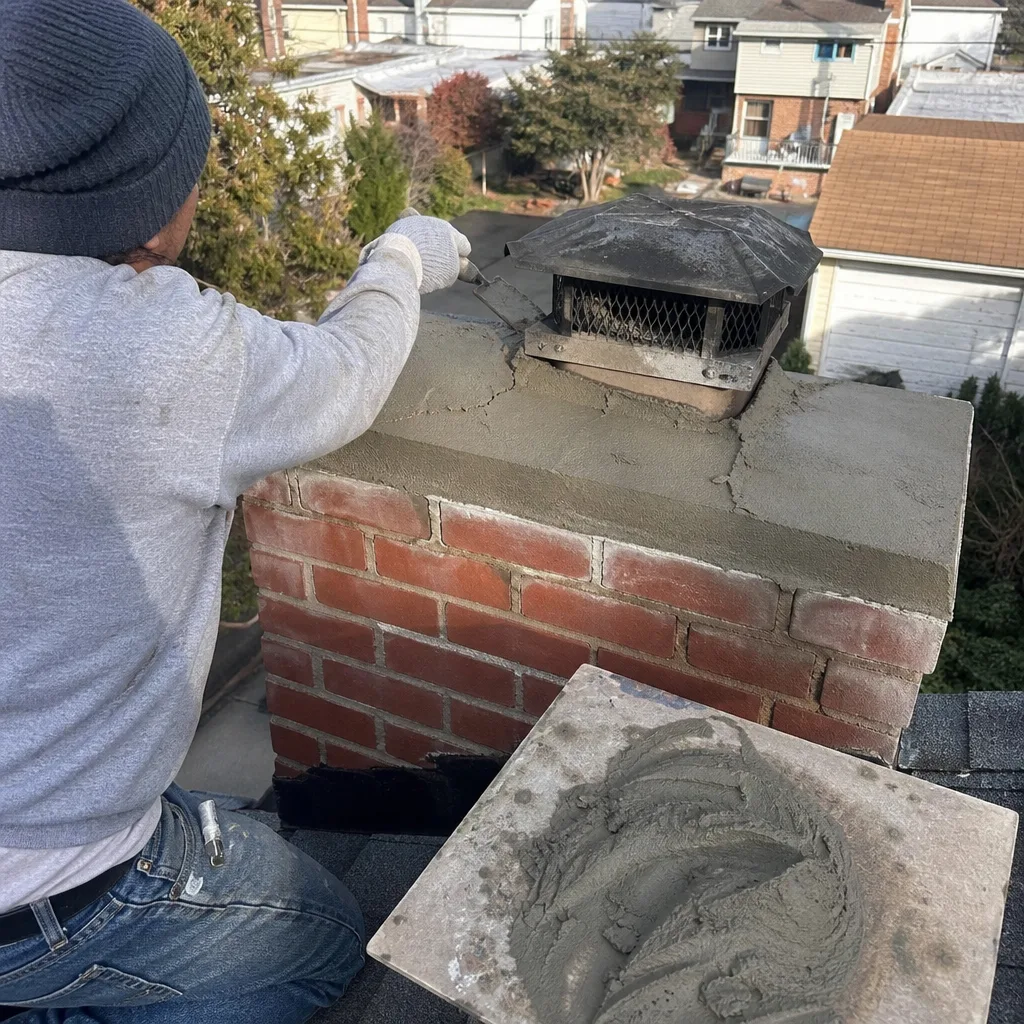
- Assuming your chimney is fine because you rarely use it. An unused chimney still weathers. Crown damage, cap blockages, and condensation happen whether you burn or not. Flushing’s climate doesn’t check your burn log before it attacks your mortar.
- Scheduling only in October. The October default means waiting three weeks for service, inspecting a warm flue, and discovering spring damage six months too late. Shift to late winter and you get better data at lower cost.
- Ignoring the gas flue because there’s no creosote. Gas flues don’t get creosote, but they get condensate attack. In Flushing co-ops especially, summer inspection is the only way to catch liner etching before it becomes a liner replacement.
- Paying for a sweep without a camera inspection. A brush through the flue removes deposits but tells you nothing about liner condition, crown cracks, or joint separation. You’re paying to be cleaned, not to be informed.
- Skipping the cap. The cap is the cheapest part of the chimney and the first line of defense against everything: water, debris, animals, and wind-driven rain. In Flushing’s tree-heavy neighborhoods, a missing cap is a blocked flue waiting to happen.
- Treating crown sealing as optional. The crown is the roof of your chimney. A cracked crown is a leak, plain and simple. Every month you wait, the leak moves deeper and the repair grows.
- DIY-ing a liner or crown inspection with a drone or a phone camera. Consumer cameras don’t get the resolution or the angle needed to see liner cracks or creosote glaze. The false negative is the expensive part: you think it’s fine, and it isn’t.
When to Call a Professional
Call a sweep when you see any of these: smoke entering the room instead of drafting up; a persistent musty smell from the firebox after rain; visible brick spalling (flaking or crumbling) on the exterior chimney; water staining on interior walls near the chimney; or a damper that won’t fully open or close. Each of these is a symptom of a problem that has already progressed beyond homeowner-checkable level. Don’t wait for burning season to investigate; the damage compounds monthly. Level Two Chimney Flushing offers free estimates in Flushing, call (516) 240-9191 and we’ll schedule a camera inspection at the right time for your chimney type, not the season that’s most convenient for the calendar.
Frequently Asked Questions
Wood-burning chimneys in Flushing should be inspected annually and swept when the camera shows Class II creosote or higher; for most homes that’s once per year. Gas-only chimneys should be camera-inspected annually in summer, with cleaning only when condensate etching or debris is found. If you burn more than two cords a season, inspect twice: once mid-winter and once in late spring.
A standard sweep with camera inspection in Flushing typically runs $180-$340 depending on flue height, roof access, and condition. Repairs like crown sealing run $450-$900 when caught early, and $1,800-$4,000 when water damage has had months to spread. Every job from Level Two Chimney Flushing comes with a written price before any work begins, never a call-for-quote.
A recommendation for a new liner should always be backed by camera footage showing the specific damage: cracks, joint separation, or etch depth. If the company can’t show you an image of the liner condition, get a second opinion. We offer a Free Second Opinion on any written estimate; bring us a competitor’s quote and we’ll verify it with our own camera.
Skipping a year means creosote builds to Class III in wood flues, which is a chimney fire fuel source, and crown damage goes unaddressed for another 12 months, allowing water to migrate deeper into the firebox and surrounding framing. The compounding effect is real: a $300 sweep skipped this year is a $3,000 repair two years from now. The math is predictable and it’s not in the homeowner’s favor.
You can check the cap and the exterior brick from the ground, and you should, monthly during storm season. But a phone camera can’t get the flue interior resolution needed to see liner cracks, creosote glaze, or early joint separation. The dangerous part of self-inspection is the false negative: you think it’s fine, and it isn’t.
A Level 1 inspection is a visual check of accessible portions of the chimney, what most homeowners get with a standard sweep. A Level 2 inspection adds a camera scan of the full flue interior, which is required under NFPA 211 when the home is sold, the fuel type changes, or an event like a chimney fire has occurred. We’ve made camera-scan documentation standard on every visit since 2009, not an add-on.
Seasonal timing matters because Flushing’s climate works in phases: winter creosote, spring freeze-thaw, summer condensate, fall debris. The damage from each phase is most visible and cheapest to fix at the end of that phase. A seasonal rhythm is not upselling; it’s timing the same annual service call to the moment when the data is clearest and the repair is smallest.
Gas flues need seasonal care, but the timing is inverted: summer inspection, not fall. Gas exhaust condensation is the threat, and it’s most visible on camera during humid months. Flushing co-op boards should schedule summer camera inspections for any shared chimney venting gas appliances, because liner etching left unaddressed becomes a building-wide repair.
The Bottom Line
Flushing’s climate doesn’t produce one chimney risk; it produces four, each with its own damage signature and its own cheapest fix window. Late-winter inspection gives you the fullest data at the most available time. Spring crown repair costs a third of what fall firebox repair costs. Summer gas flue inspection catches condensate damage before it becomes liner replacement. Fall cap and debris checks prevent first-fire smoke and carbon monoxide risk. Run this rhythm and you’re not spending more; you’re spending smarter, with a written photo record and a named price every time. That’s the standard, and in Flushing, there’s no reason to accept less. For more guides & resources, visit our blog.
Written by Corrine Halstead, Owner at Level Two Chimney Flushing, serving Flushing since 2009.