
Last updated September 20, 2026
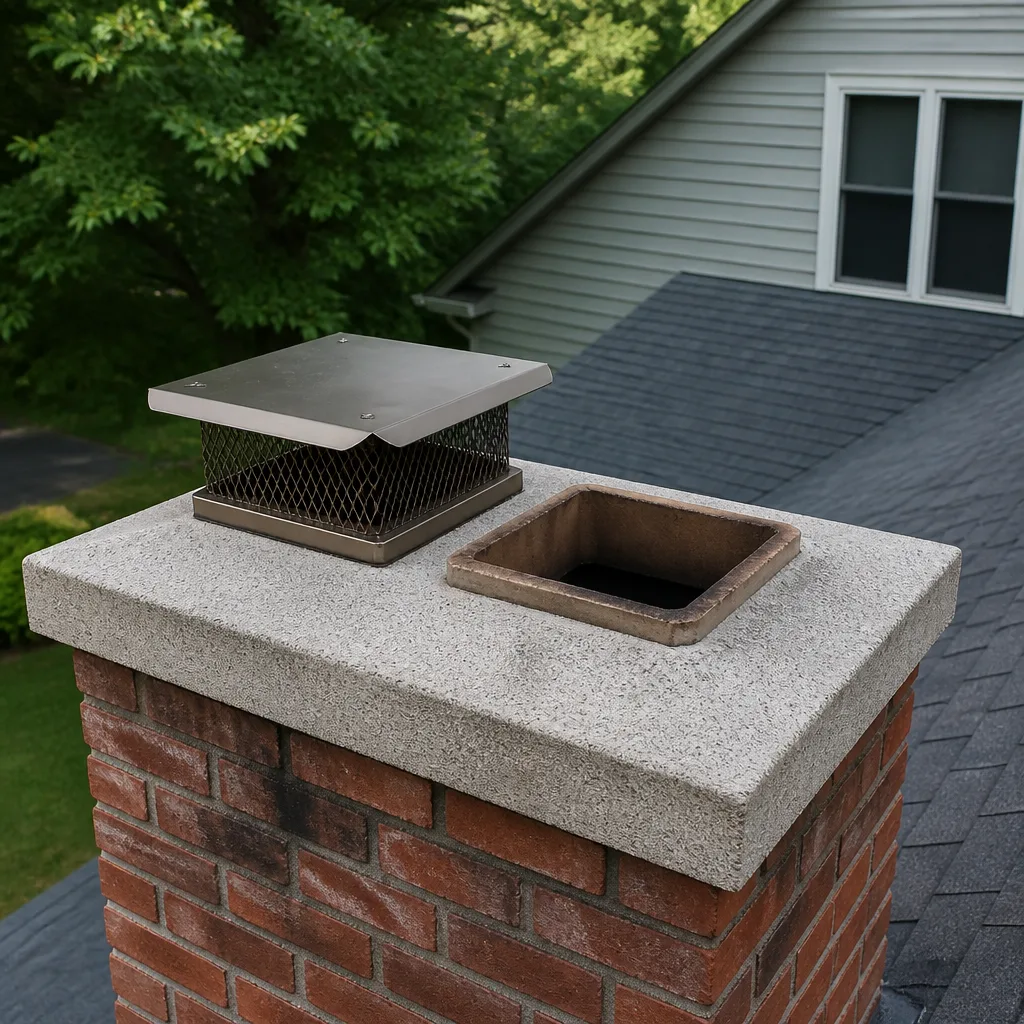
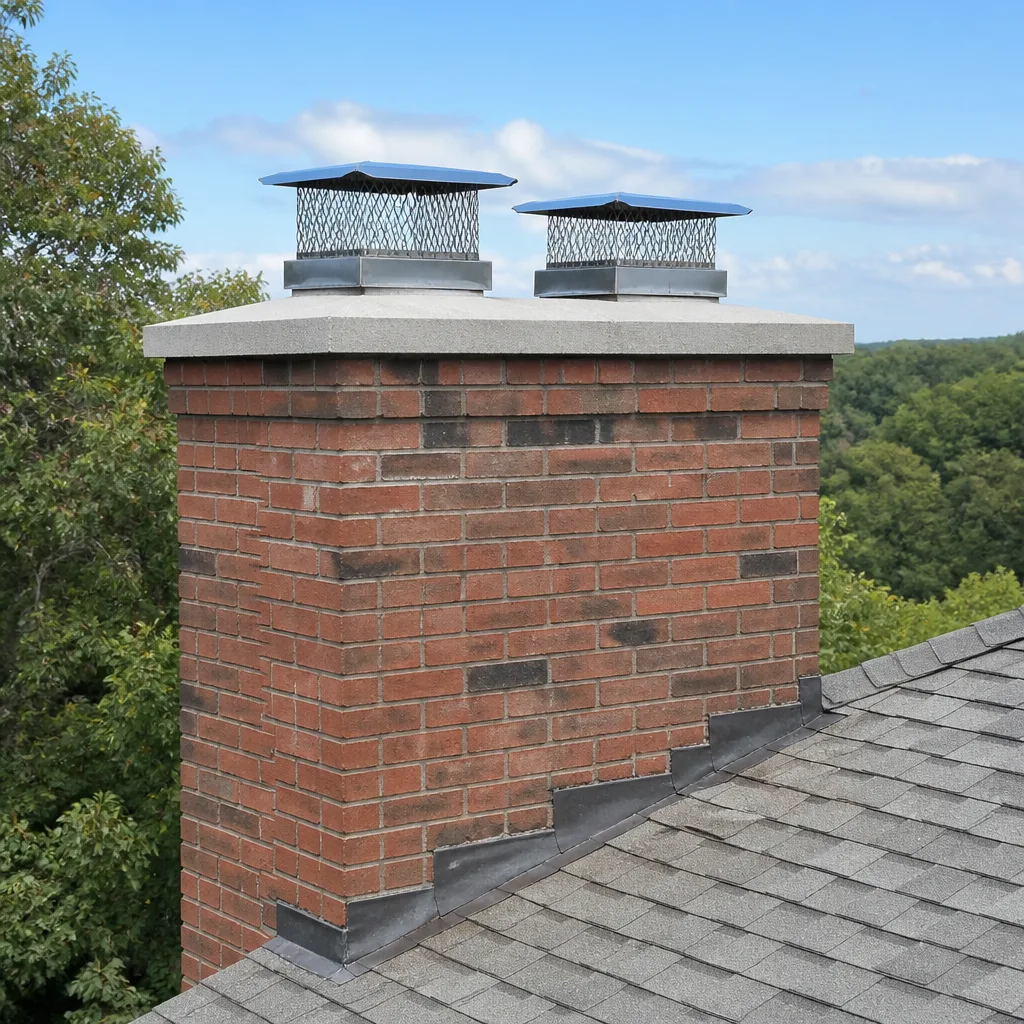
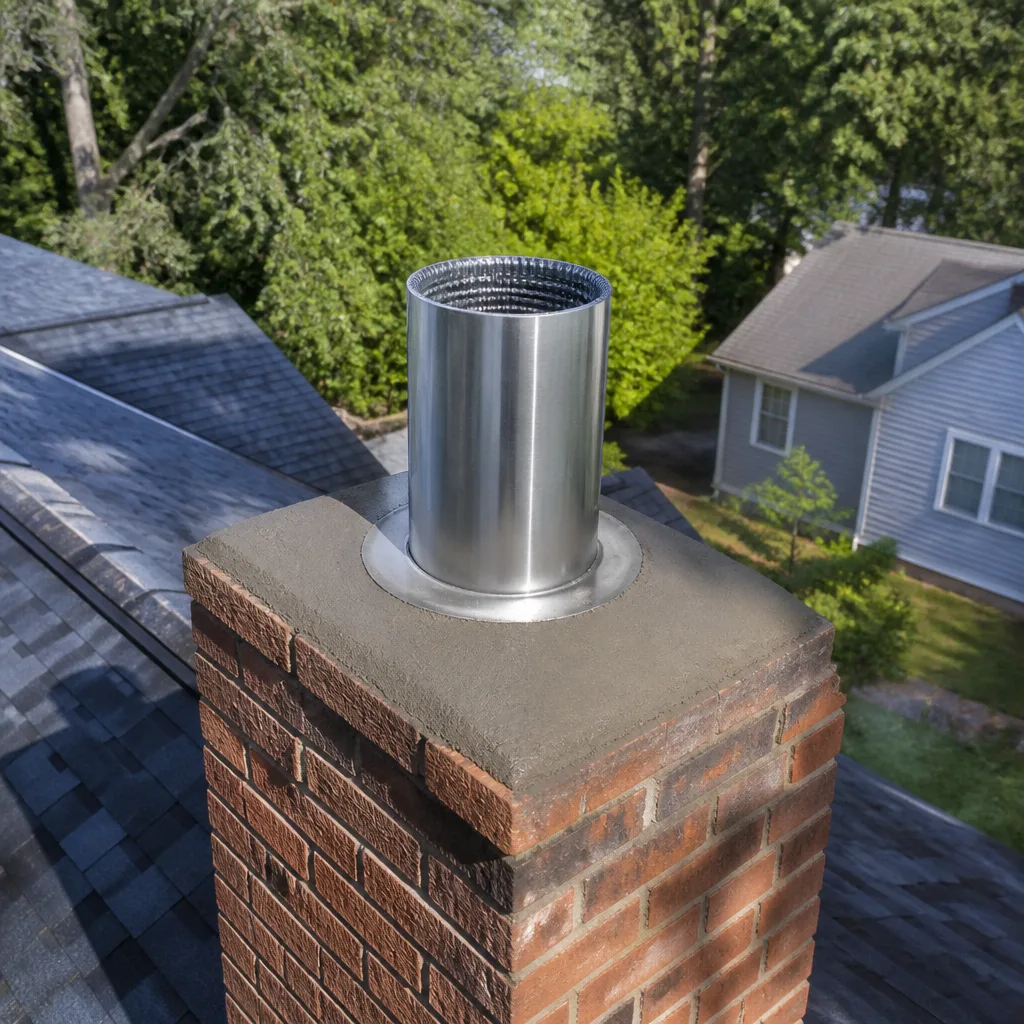
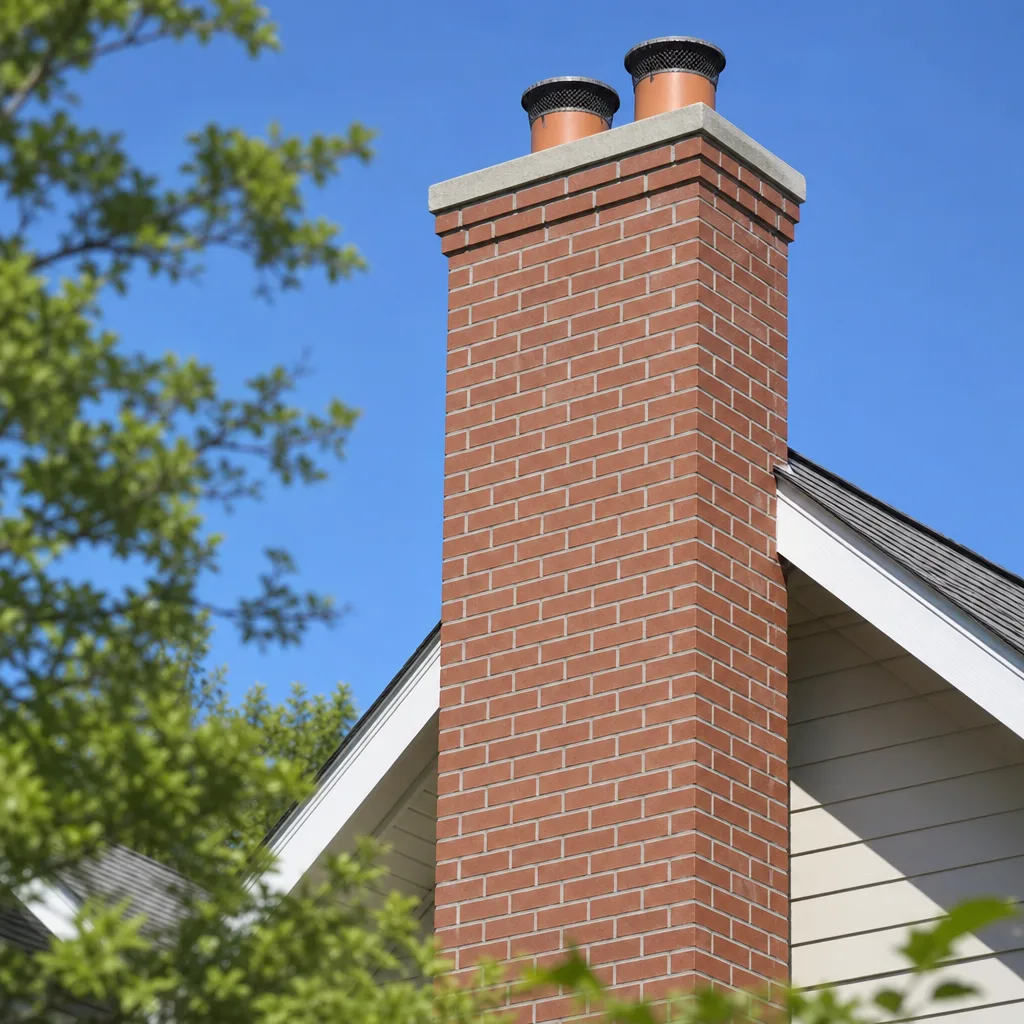
Level 1 sweep and inspection to the NFPA 211 annual standard - flue, crown, cap, and flashing checked and photographed
Chimney sweep logs do not sweep chimneys. They loosen some creosote - which then falls where a brush and vacuum still have to collect it.
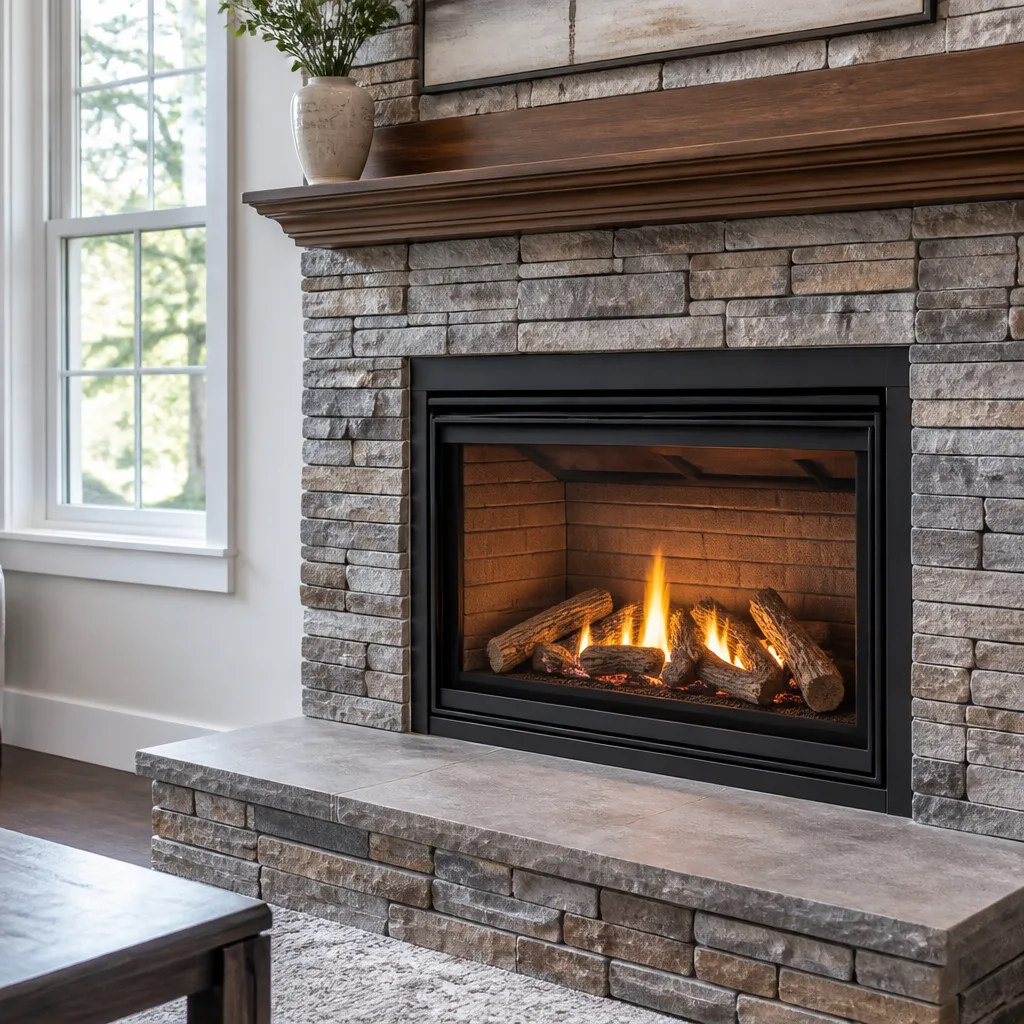
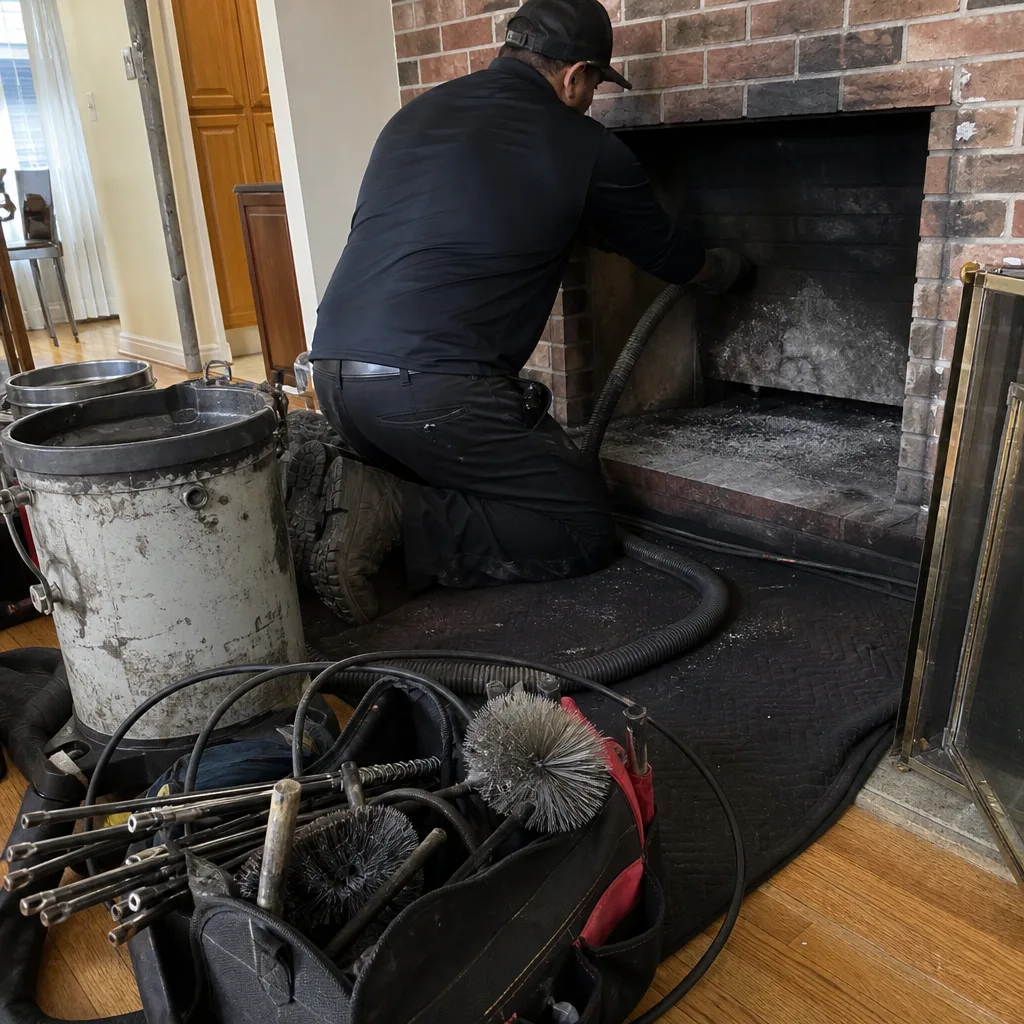 Before
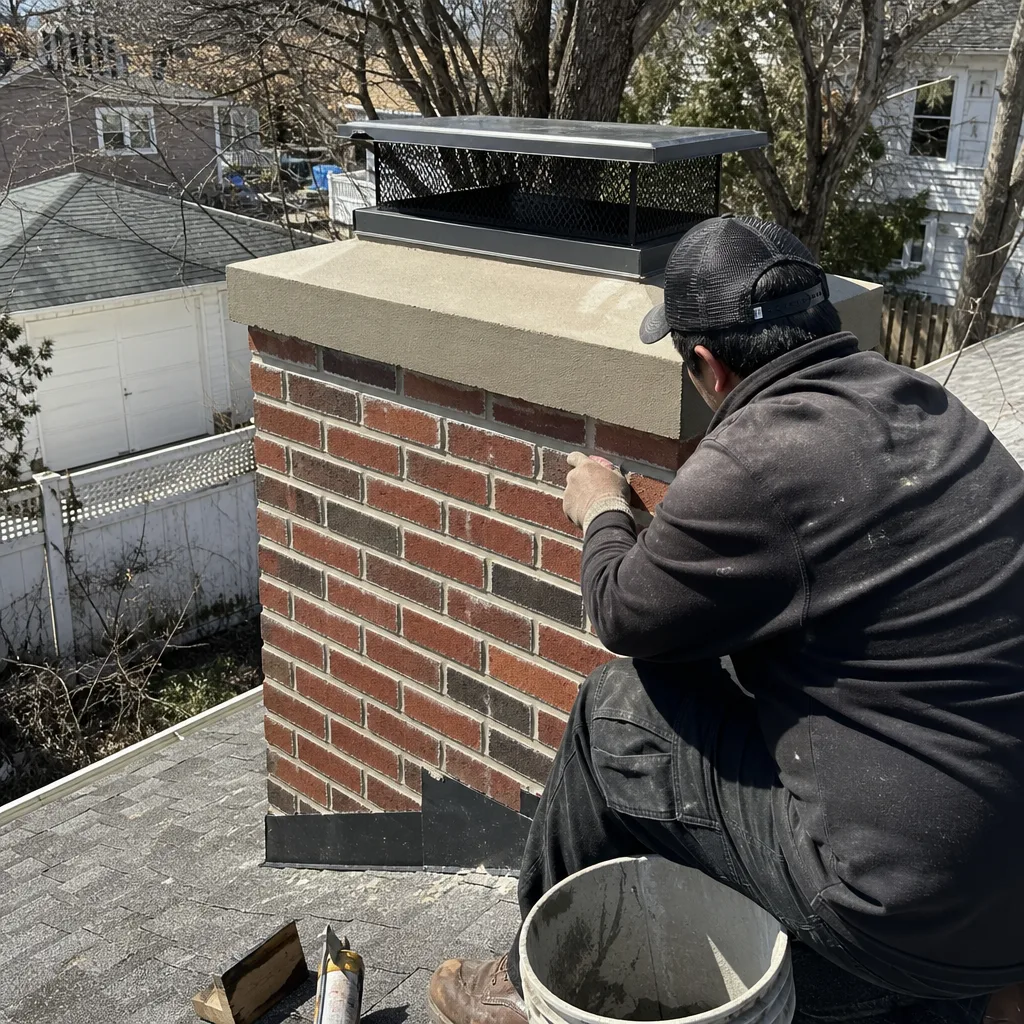 After
After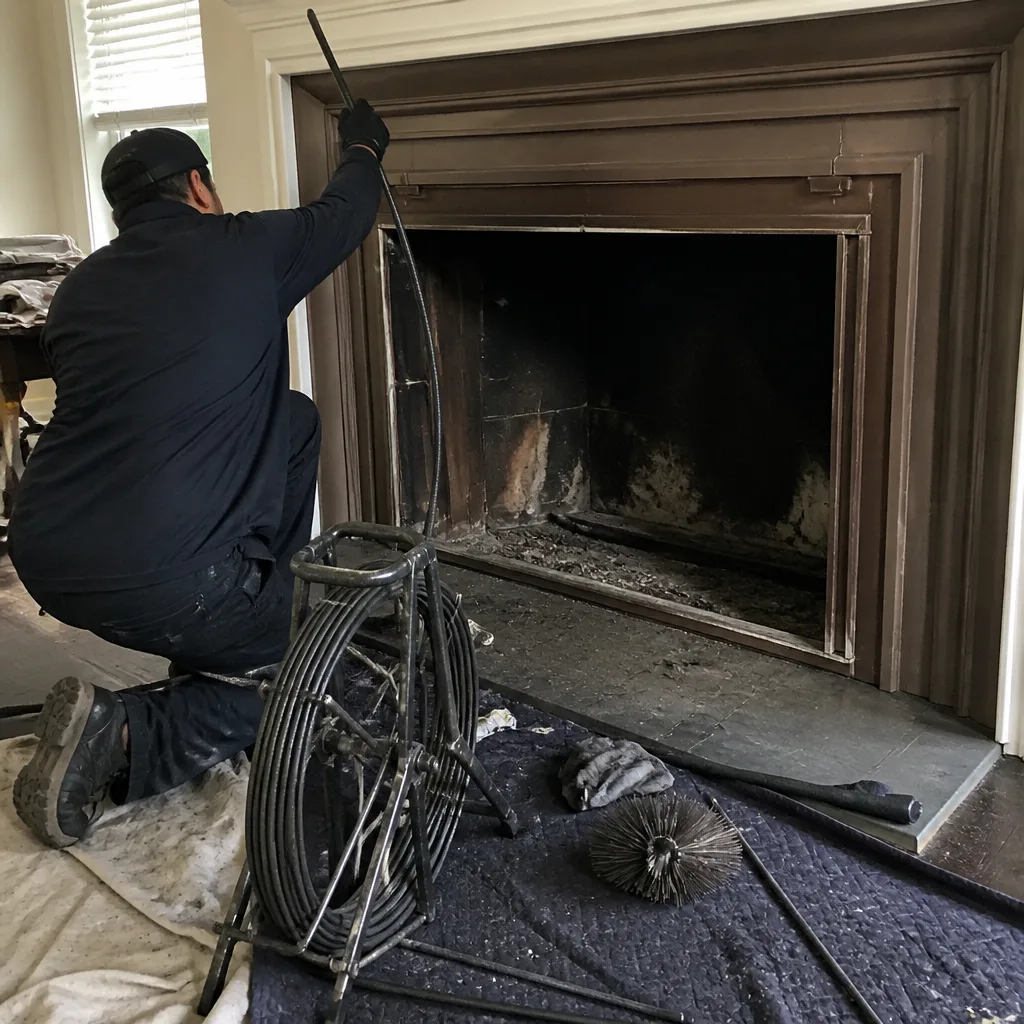 Before
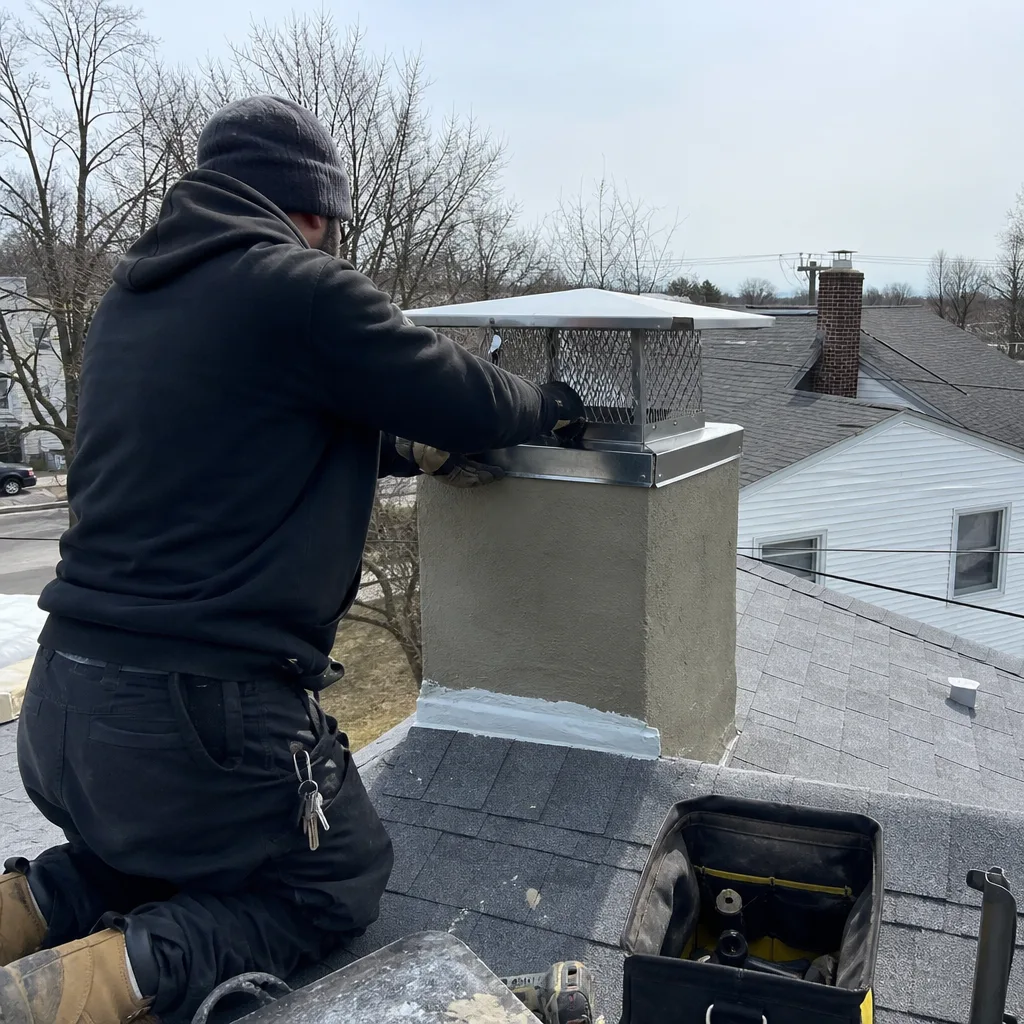 After
After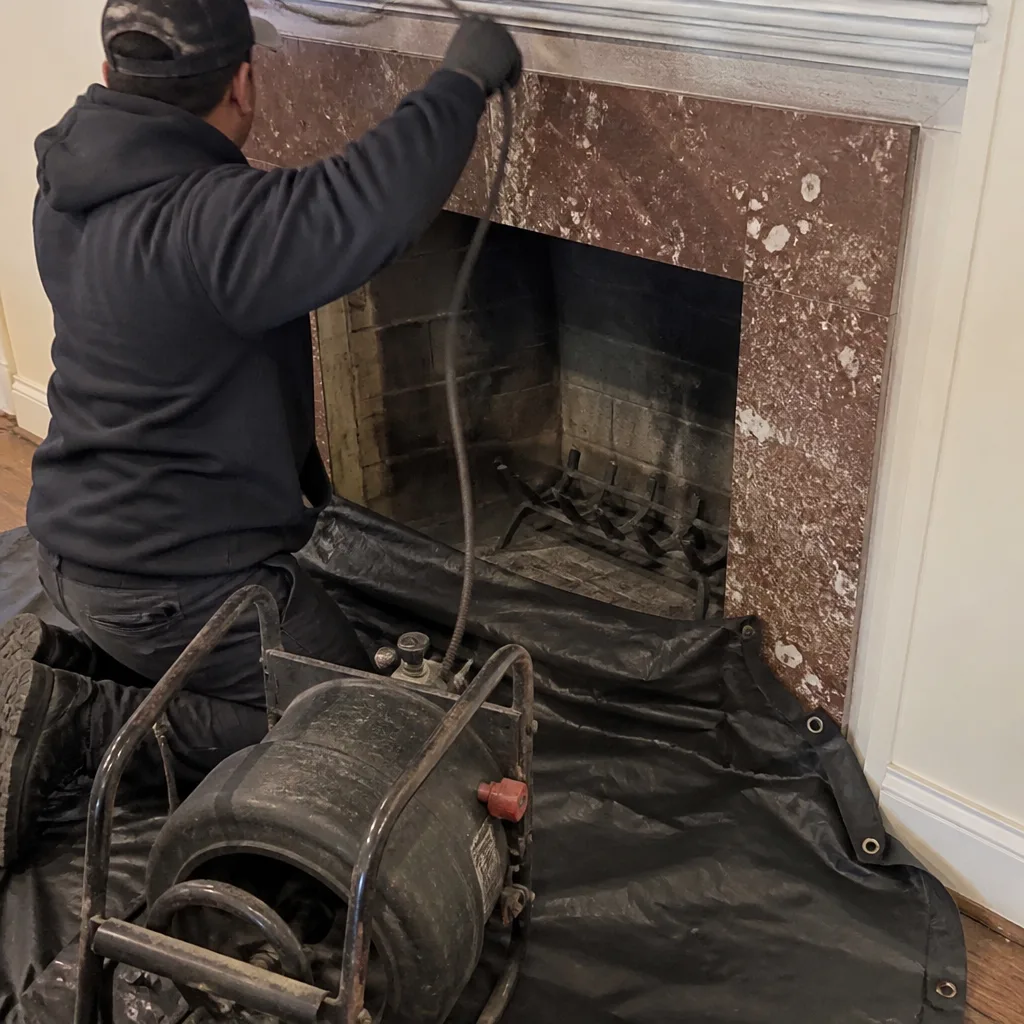 Before
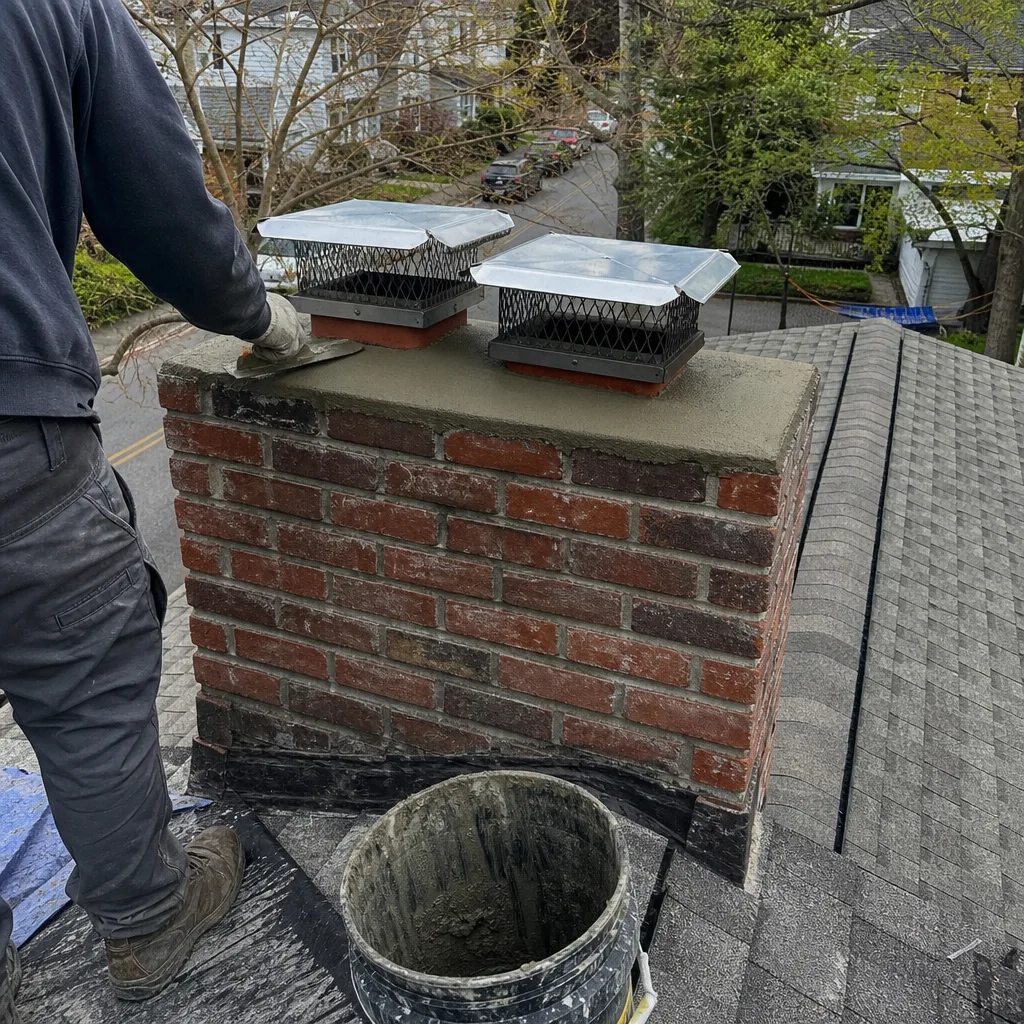 After
AfterThe Complete Guide to Chimney Cleaning in Flushing
Most Flushing homeowners don’t know what a chimney cleaning actually includes until they see a camera image of what the brush missed. A 2023 CSIA field study found that brush-only cleanings leave measurable glazed creosote behind in 1 out of 3 residential flues. That residue doesn’t show up on a flashlight look, but it does show up on a camera scan. This guide walks through every step of a documented cleaning in Flushing so you can judge any company’s work against a written standard, not a salesman’s word.
Quick Answer
Chimney cleaning in Flushing costs between $189 and $349 for a standard sweep, and the work should include a camera-documented inspection before and after the brush runs. A proper cleaning produces three deliverables: before/after camera images, a written condition report, and a documented warranty. If a company can’t show you photos of the flue interior after the job, the cleaning wasn’t verified.
Table of Contents
- What a Chimney Cleaning Actually Is
- The Difference Between a Surface Sweep and a Level 2 Camera-Documented Cleaning
- The Three Deliverables a Cleaning Should Produce
- Flushing-Specific Risks: Attached Homes and Shared Flues
- How to Read a Sweep Company’s Documentation
- Written Price Guarantees vs. “Starting At” Quotes
- How Often Should You Clean a Chimney in Flushing?
- Common Mistakes to Avoid
- When to Call a Professional
- Frequently Asked Questions
- The Bottom Line
BeforeAfterWhat a Chimney Cleaning Actually Is
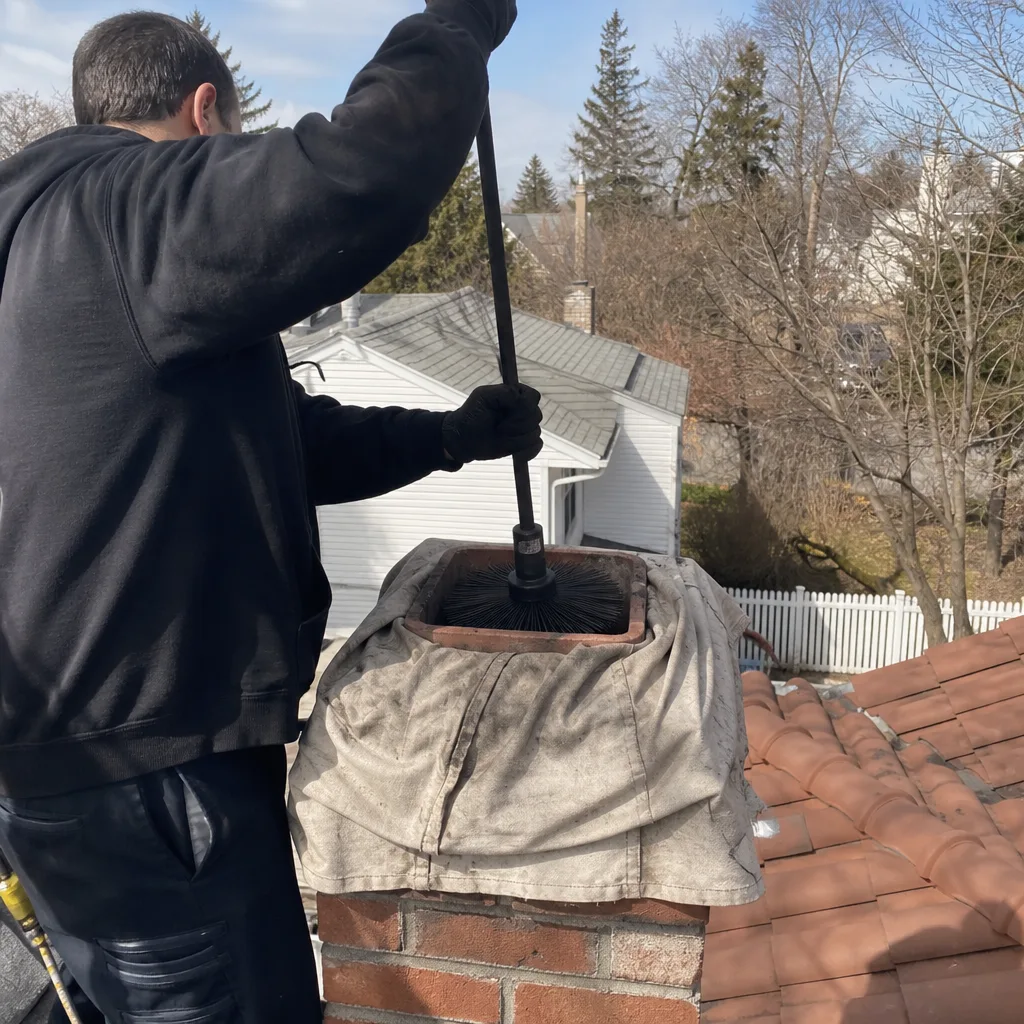
A chimney cleaning is the mechanical removal of combustion byproducts from the interior walls of your flue. When wood burns, it releases smoke, water vapor, and unburned carbon particles. As that smoke rises and cools against the flue liner, it condenses into creosote, a tar-like substance that ranges from flaky soot (Class I) to hardened, shiny glaze (Class III). The cleaning itself is straightforward: a wire or poly brush sized to your flue diameter runs top to bottom and back, scrubbing the liner walls until the creosote and soot fall into the firebox, where they’re vacuumed out.
But what gets missed is where the trouble starts. A flue isn’t a straight pipe. It bends at the smoke shelf, narrows at the damper, and connects to a smoke chamber that most brushes never touch. Creosote accumulates unevenly, thickest where the flue makes its turns and where the liner has rough spots or gaps. A brush that passes through the center of the flue can leave measurable deposits on the sides, especially in the corrugated ridges of a flexible liner or the corners of a rectangular clay tile flue.
In Flushing, the age of the housing stock makes this worse. Many homes here were built between 1920 and 1960, and their chimneys have unlined or partially lined flues, often with clay tile that has cracked after decades of thermal cycling. Those cracks collect creosote that a standard brush pass won’t remove. Corrine Halstead, who has overseen more than 38,000 chimney inspections and cleanings since 2009, puts it plainly: “The brush is only as good as the eyes that verify it.”
The Difference Between a Surface Sweep and a Level 2 Camera-Documented Cleaning
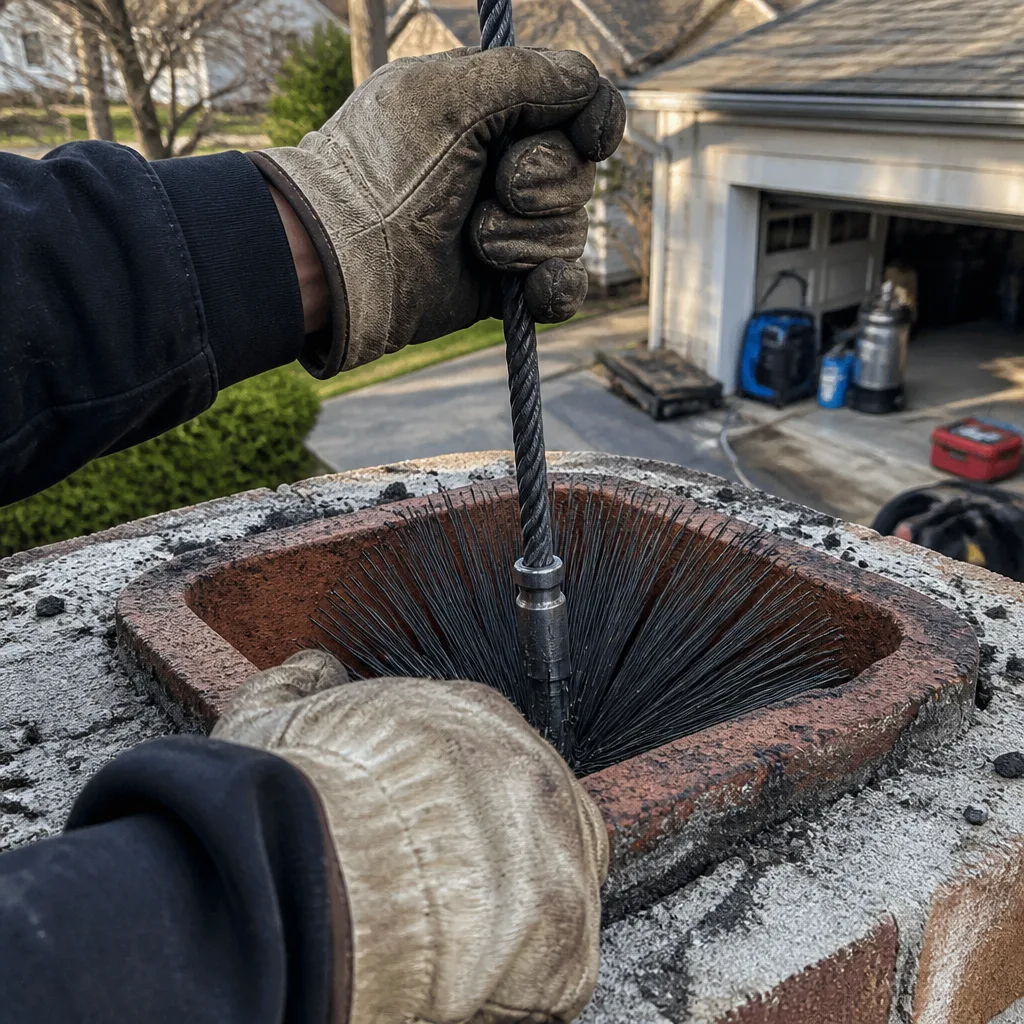
Here’s what a surface sweep in Flushing typically looks like: a technician arrives, drops a plastic tarp in front of the fireplace, runs a brush up and down the flue a few times, vacuums the firebox, and hands you a receipt. The whole thing takes 45 minutes. The flue has been brushed, but no one has seen the inside of it. The technician is working blind.
A Level 2 camera-documented cleaning is a different procedure entirely. Before the brush runs, a camera is lowered through the flue from the top. This pre-clean scan shows the baseline: where the creosote is thickest, whether the liner has cracks or gaps, what the crown looks like, whether there’s a nest or obstruction. The technician then cleans with the camera findings in mind, focusing on the problem areas rather than blindly scrubbing. After the brush work, the camera goes back down for a post-clean verification scan. You see the before and after images side by side.
The practical difference in Flushing comes down to what each approach catches. A surface sweep catches the obvious: heavy soot, visible creosote flakes, a bird nest blocking the flue. What it misses is what the camera reveals:
- Cracked clay tile liners hidden behind a thin layer of soot. These cracks let heat and gases reach the masonry, which can ignite a chimney fire even after a cleaning.
- Unsealed mortar joints in the smoke chamber, which collect creosote in pockets the brush can’t reach.
- Glazed Class III creosote, which is shiny and hard like glass. A brush skates over it. It requires chemical treatment or rotary chain removal.
- Disconnected or misaligned flue sections that create a gap where smoke can pool and ignite.
- Improperly sized flues, which affect draft and cause creosote to condense faster in the first place.
In our experience across Flushing, roughly one in five homes we inspect for the first time has a condition that a brush-only sweep would have never flagged. That’s the difference between a cleaning and an inspection. A cleaning scrubs; an inspection verifies. Our chimney cleaning and sweep service in Flushing includes the camera scan on every visit, not as an upsell, because without it the job is incomplete.
The Three Deliverables a Cleaning Should Produce
Every chimney cleaning in Flushing should end with three things in your hands. If any of them are missing, the company hasn’t finished the job. These aren’t extras or upgrades. They’re the baseline for work you can verify.
1. Before and After Camera Images
Clause 4 of the Haven Standard requires a documented photo record on every job. That means you should walk away with images showing what the flue looked like when the technician arrived and what it looked like when the brush work was done. These aren’t decorative. They’re evidence. A post-clean image should show bare liner walls, or at most a light dusting of soot. If the “after” image shows dark mottling or shiny patches, the cleaning didn’t get everything, and you have the proof in your hand to ask why.
2. A Written Condition Report
The report should name what was found in plain terms: the type of liner, its condition, the creosote class observed, the crown integrity, the damper function, and any areas where heat or gas could be escaping. It should explain what each finding means in one clause, not a paragraph of boilerplate. “Spalling brick on the crown means water has been freezing and thawing inside the masonry, and it will continue to deteriorate unless sealed.” That’s the kind of sentence a real report contains.
3. A Documented Warranty
The warranty should be in writing, with the work scope and duration spelled out. Level Two Chimney Flushing backs every cleaning with the 365-Day Done Right Promise: if it’s not done right, we make it right. That promise is stamped on every job under the Haven Standard. If a company can’t produce a written warranty, ask yourself what happens when the creosote comes back in six months or the smoke starts backing up in March.
Flushing-Specific Risks: Attached Homes and Shared Flues
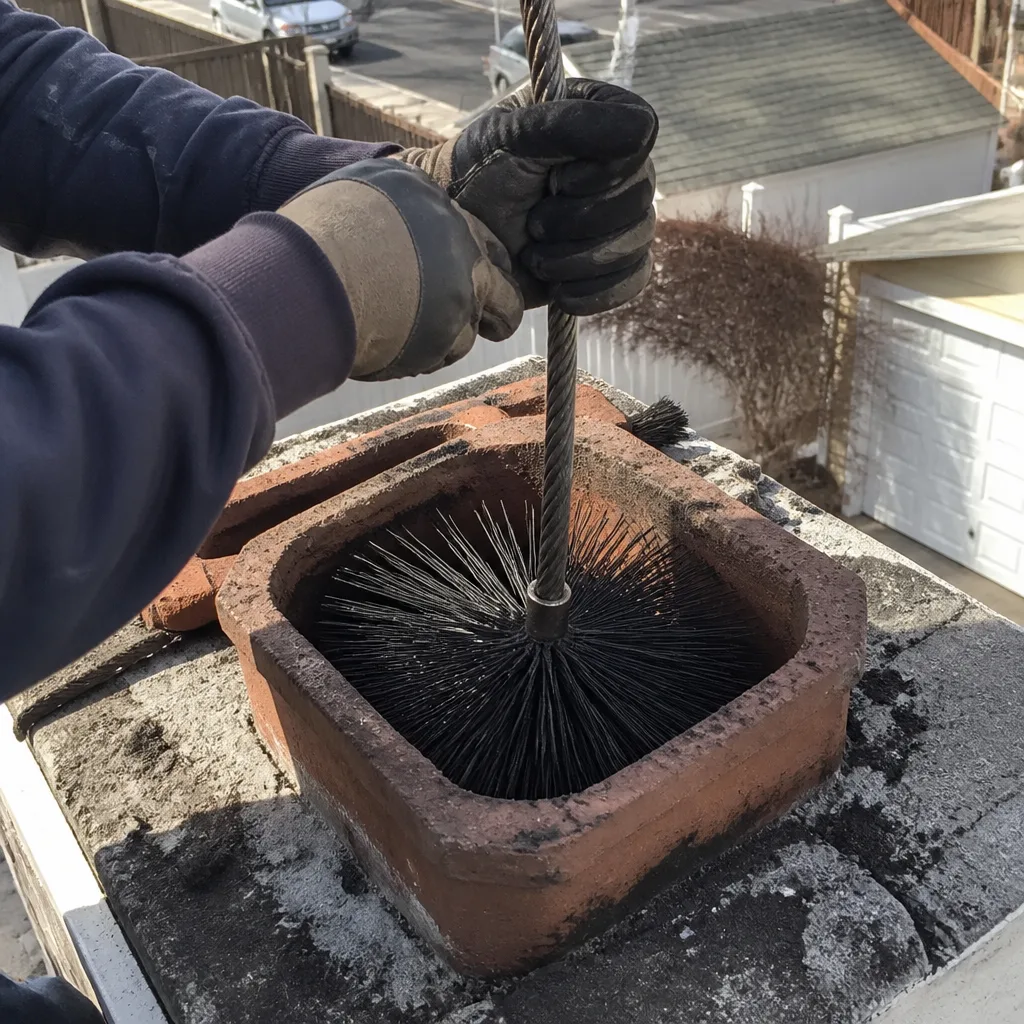
Flushing isn’t a town of standalone colonials with one chimney per house. It’s a dense network of attached single-family homes, multi-family conversions, and co-op buildings where multiple units share walls, roofs, and sometimes flues. That building stock creates risks that a single-family sweep protocol never addresses.
In an attached home, your chimney often runs through a party wall. A chimney fire in your flue can transfer heat through that wall to the house next door. A cracked liner that leaks carbon monoxide into wall cavities doesn’t stay in your unit. Shared flues in older Flushing co-ops are even trickier: two fireplaces may vent through a single brick chimney, each with its own clay tile flue stacked side by side. If one flue cracks, the gases can migrate into the adjacent flue and enter the neighboring unit.
Shared flues also mean shared responsibility. In co-op and condo buildings, the building’s governing documents typically assign chimney maintenance to the unit owner, the building, or some split between them. Before you schedule a cleaning, check your proprietary lease or bylaws. If you’re in a co-op, the board may require proof of a Level 2 inspection before allowing fireplace use. We’ve worked with dozens of Flushing co-op boards that now require camera documentation as a condition of sale or annual fire-safety certification.
Roof access is another Flushing-specific variable. Many attached homes and co-ops have flat or low-slope roofs with parapet walls. That changes how a technician accesses the flue crown and how the camera is lowered. A company that primarily works in suburban Queens or Long Island may not be comfortable on a Flushing rowhouse roof. Ask how they’ll access the flue before you book.
How to Read a Sweep Company’s Documentation
Documentation is only worth what you can read. Here’s what to look for when you have the report and photos in front of you. This is the test of whether the company did the job or just said they did.
What the Photos Should Show
The pre-clean photo should show the flue interior clearly enough that you can identify the liner material: red clay tile, stainless steel, or exposed brick. It should show the creosote accumulation, not a dark blur. The post-clean photo should be from the same angle and depth so you can compare. If the post-clean image looks like a different chimney, ask why. If the photos are too dark to read, they’re worthless. A proper camera scan uses a self-illuminating head, so darkness isn’t an excuse.
What the Report Should Name
A real condition report names specific findings using the trade’s actual vocabulary, then defines each one:
- Creosote class: Class I (flaky soot), Class II (granular, crunchy), or Class III (glazed, hard). This matters because Class III can’t be brushed out and requires a chemical or rotary treatment.
- Liner type and condition: clay tile, stainless, cast-in-place, or none. The report should state whether cracks, gaps, or misalignment were observed.
- Crown integrity: whether the concrete cap at the top of the chimney is intact or spalling (chipping away). A spalling crown lets water into the masonry, and in Flushing’s freeze-thaw winters, water damage compounds fast.
- Smoke chamber condition: whether the area above the damper is smooth and sealed or rough and porous. Unsealed smoke chambers are a common fire risk in older Flushing chimneys.
What the Absence of Either Tells You
If a company hands you a receipt and nothing else, they didn’t inspect; they swept. That’s not automatically a rip-off. A basic sweep is a legitimate service. But you should know what you paid for. If the receipt says “inspection included” and there are no photos, that “inspection” was a flashlight look from the firebox or the roof, which cannot see the lower flue, the smoke chamber, or the liner’s hidden condition. Our fireplace services in Flushing always include the camera record because evidence is the product.
Written Price Guarantees vs. “Starting At” Quotes
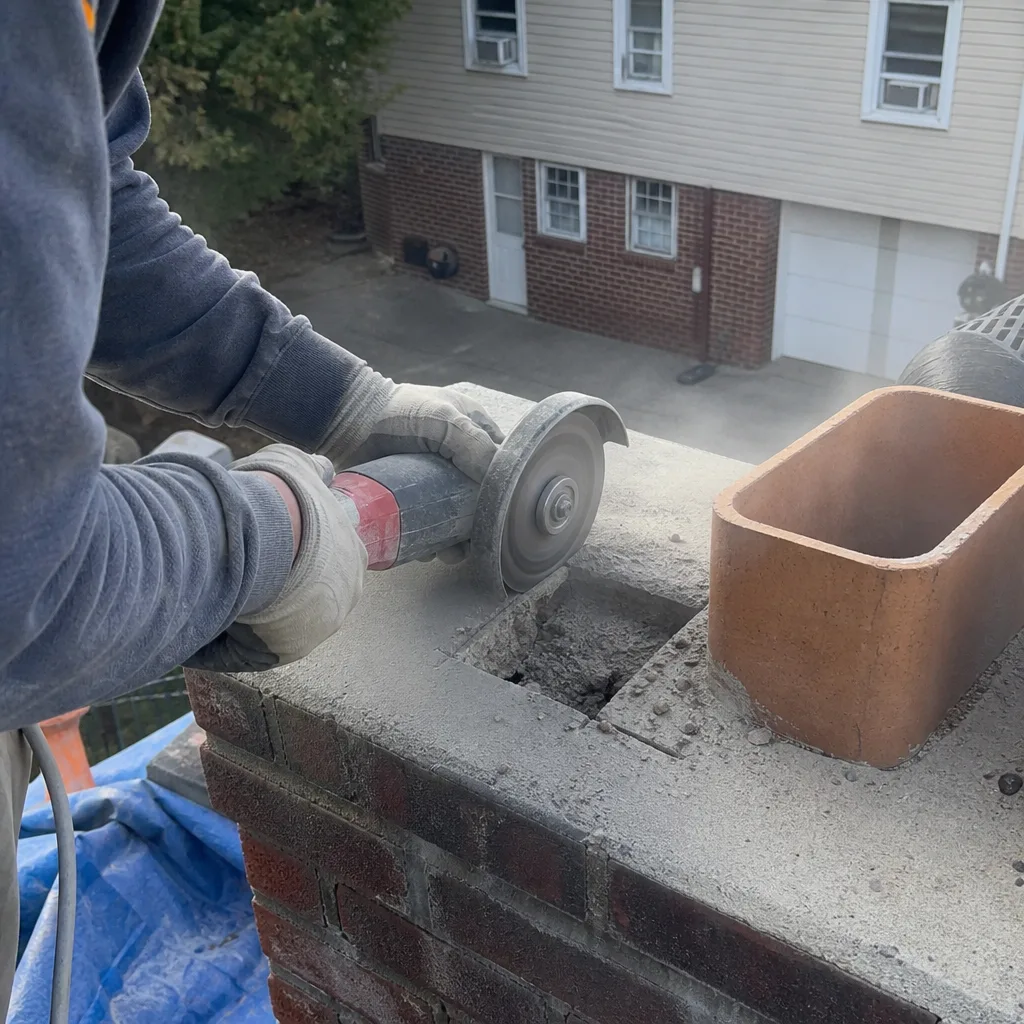
The way a company prices a cleaning tells you how much you’ll actually pay before you’ve paid it. A “starting at” price isn’t a quote. It’s a floor. The final number depends on what the technician finds once they’re already in your home: a longer flue, a second fireplace, a heavier creosote load, a liner that “needs” a treatment. Some of those are legitimate; some are invented on the spot. You can’t tell the difference from a couch.
A written price quote is different. It names the scope, the price, and the warranty before anyone starts. Haven Standard Clause 1 requires exactly that: a written price, written scope, and written warranty delivered before work begins, never after the tech is already in your home. The quote should survive the job. If the technician finds something the quote didn’t cover, the additional work gets a separate written quote, and you can say no.
Here’s how to compare two quotes on paper:
- Flue size and length: Both quotes should assume the same measurements. A price difference means one company is quoting a shorter flue.
- Camera inspection included or extra: If one quote charges $89 extra for the camera, the “cheaper” sweep isn’t cheaper; it’s less service.
- Creosote class assumption: A quote should state what class of creosote the price assumes. If it’s Class I and your flue is Class III, the real cost goes up. Ask.
- Scope of work: Does the quote include the smoke chamber? The firebox vacuuming? The damper check? If one company folds those in and another charges separately, the math changes.
Level Two Chimney Flushing provides a written price before any work starts, on every job, with no exceptions. There’s no “call for a quote” here. We also offer a Free Second Opinion on any written estimate. Bring us a competitor’s quote, and we’ll tell you honestly whether it’s fair, low, or inflated.
How Often Should You Clean a Chimney in Flushing?
The NFPA 211 standard says chimneys, fireplaces, and vents should be inspected at least once a year and cleaned as needed. For most Flushing homeowners who burn wood through the heating season, that translates to a cleaning every year or every cord of wood burned, whichever comes first-our Seasonal Chimney Cleaning Care for Flushing: Year-Round Homeowner’s Guide breaks down the full schedule. But Flushing’s climate and fuel mix shift the calculus.
Flushing winters are damp. Wood stored outside picks up moisture, and wet wood produces more creosote per fire than seasoned hardwood. If you’re buying wood from a roadside seller near Kissena Park or off Northern Boulevard, it’s often not fully seasoned. That means a fast creosote buildup even if you only burn on weekends. If you burn a fireplace insert or a wood stove, the burn is slower and cooler, which also produces more creosote, not less.
If you burn mostly for ambiance from November through February and burn a cord or less per season, an annual sweep is typical. If you burn two cords or more, or your wood isn’t fully dry, twice a year may be warranted. The camera image tells the story: if the pre-clean scan shows Class II or worse, you waited too long. If it shows a light dusting of Class I, you could stretch to 18 months. Most Flushing homeowners we see fall in the annual camp.
Common Mistakes to Avoid
- Hiring based on price alone. A $99 Flushing sweep sounds good until you realize the camera inspection isn’t included and the tech is gone in 40 minutes. You didn’t save $200; you bought an unverified cleaning.
- Trusting a flashlight look as an inspection. No technician can see the mid-flue or the smoke chamber with a flashlight from the firebox. If the “inspection” doesn’t involve a camera, it’s a glance, not a diagnosis.
- Burning wet or unseasoned wood. Flushing’s humid climate and roadside wood sellers make this common. Wet wood produces creosote at three to four times the rate of seasoned wood.
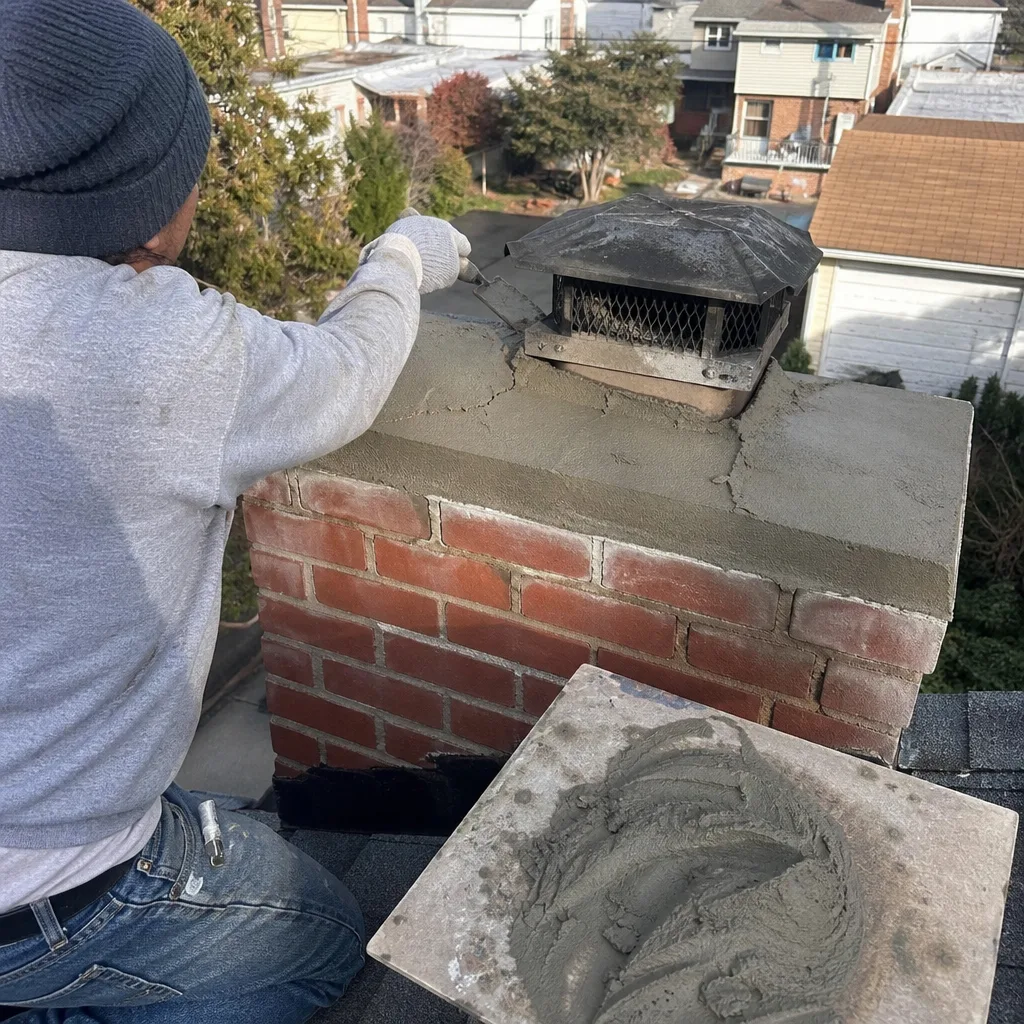
- Skipping the chimney cap. Raccoons, squirrels, and birds are common in Flushing’s tree-lined neighborhoods. A missing cap invites a nest, which blocks the flue and forces smoke back into the house.
- Ignoring the smoke chamber. Many older Flushing chimneys have unsealed smoke chambers. Creosote builds there like sediment in a pipe, and a standard brush never reaches it. If your report doesn’t mention the smoke chamber, ask why.
- Accepting a verbal quote. If the price isn’t written, it can change. A verbal estimate has no scope, no warranty, and no accountability. Written price before work starts is the minimum professional standard in Flushing.
- Deferring a damaged liner. A cracked clay tile liner doesn’t heal, and the repair cost only grows as water and heat cycles chip away at it. If the camera shows liner damage, address it before your next season, not after.
When to Call a Professional
Call a professional if you smell smoke in the house after the fire has been out for hours, if your firebox is filling with soot faster than usual, or if you hear dripping inside the chimney during rain. These are signs that something in the flue system has changed. Call if you’ve just bought a home and have no record of the last chimney cleaning. Call if a previous company cleaned the chimney but gave you no photos and no written report; you’re starting from zero. Browse our more guides & resources to learn what proper documentation looks like. And call before your first fire of the season, because Flushing’s wet winters are hard on chimneys and you don’t want to discover a problem in December when everyone is booked. Level Two Chimney Flushing offers free estimates in Flushing, call (516) 240-9191.
Frequently Asked Questions
A standard chimney cleaning in Flushing runs $189 to $349, depending on flue size, creosote class, and whether the smoke chamber is included. That price should include a camera-documented inspection before and after the brush work. If a camera scan is billed as an extra, your true cost is higher than the advertised sweep price. Call (516) 240-9191 for a written quote.
You need a new liner if the camera scan shows cracked clay tile, gaps between flue sections, or missing mortar joints that allow heat and gas to escape into the masonry. That’s not an upsell; it’s a fire and carbon monoxide risk. If a company recommends a liner replacement without showing you the camera images, get a second opinion. We’ll review any competitor’s written estimate for free.
Annual sweeping is the standard for most Flushing homeowners who burn wood through the winter season. Burn a cord or less of well-seasoned hardwood and you can often go 18 months. Burn wet wood, burn two cords or more, or use a wood stove or insert, and you may need twice a year. The camera image answers the question: Class II creosote means you waited too long.
Creosote accumulates in layers, and once it reaches Class II or III density, it becomes a fuel load. A hot fire can ignite it, and a chimney fire burns at temperatures that crack tile liners, warp stainless steel, and can spread to the house structure. In attached Flushing homes, the risk extends to neighboring units. Even without a fire, a blocked or narrowed flue pushes carbon monoxide back into the living space. The risk is real and well documented. Call (516) 240-9191 for a free estimate.
No. A sweep removes creosote and soot mechanically. An inspection evaluates the condition of the flue, liner, crown, damper, and smoke chamber using a camera. A proper cleaning includes both: the sweep gets the flue clean, and the camera verifies that it’s clean and that the liner is intact. A cleaning without a camera is half a job.
You can buy a brush and rods at any hardware store in Flushing, but you’ll be working from the roof or the firebox, and you won’t know what you missed-read our DIY vs Professional Chimney Cleaning: The Flushing Homeowner’s Decision Guide to see why that matters. Without a camera, you’re guessing. If the flue has a hidden crack or a smoke chamber full of creosote, a DIY sweep leaves the hazard in place and gives you false confidence. Trained technicians with camera equipment see what the brush left behind, and that difference matters in Flushing’s older housing stock.
The Bottom Line
Chimney cleaning in Flushing isn’t a commodity. The difference between a $99 surface sweep and a $249 camera-documented cleaning is the difference between a flue that looks clean and a flue that has been proven clean. What you’re paying for is the verification: before-and-after camera images, a written condition report that names specific findings, and a documented warranty that stands behind the work. In Flushing’s attached homes, co-op buildings, and aging chimneys, that verification is not optional. It’s the standard, and you should hold any company you hire to it. If the inspection finds damage, our chimney repair service in Flushing can address it. Level Two Chimney Flushing has done this work since 2009, and we document every job because you can’t judge what you can’t see.
Written by Corrine Halstead, Owner at Level Two Chimney Flushing, serving Flushing since 2009.